Arabs & Arabian Records Aggregator. Chronicler. Milestones of the 25 Countries of the Arabic Speaking World (official / co-official). AGCC. MENA. Global. Ist's to Top 10's. Records. Read & Enjoy./ www.arabianrecords.org
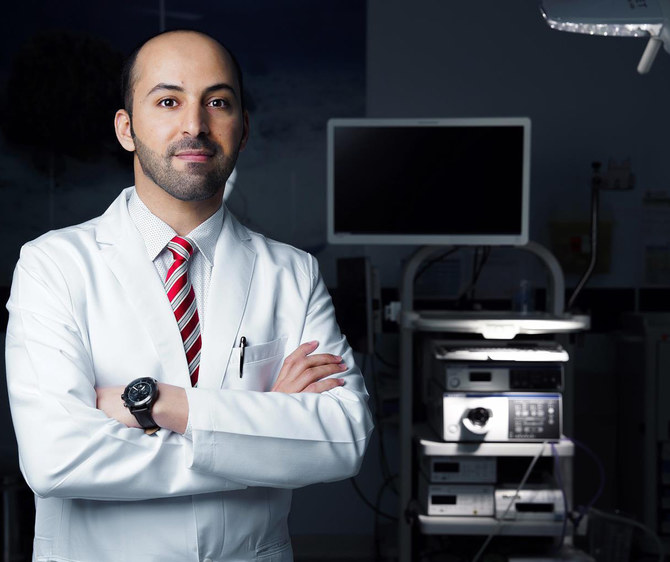
Dr. Abdullah Al-Thiabi claims to have developed a way of controlling the condition, known as gastroesophageal reflux disease.
A Saudi consultant specializing in the digestive system has invented a device that could provide relief for millions of people suffering with acid reflux, the Saudi Press Agency reported on Sunday.
Dr. Abdullah Al-Thiabi claims to have developed a way of controlling the condition, known as gastroesophageal reflux disease.
GERD is a temporary disorder that occurs when stomach acid repeatedly flows back into the tube (esophagus) connecting the mouth and stomach. This backwash, often referred to as acid reflux, can irritate the lining of the esophagus. If left untreated it can develop into a chronic condition with severe and life-threatening implications.
Also an expert in liver conditions and endoscopy, Al-Thiabi’s procedure involves placing a specialized device underneath the esophagus — using upper gastrointestinal endoscopy — which acts as a valve, preventing the backflow of stomach fluids and acids.
The device regulates medication levels and prevents side effects, while also monitoring esophageal tissue to lower the risk of cancer of the esophagus. In addition, it allows for easy sample collection and initial evaluation before laboratory analysis.
Installation time can be as quick as 15 minutes, and the technology reduces reliance on acidity drugs, surgical procedures, and healthcare costs for both institutions and patients.
After four years of rigorous scientific work following approved standards and methodology, the King Abdullah International Medical Research Center at the Ministry of National Guard has officially registered the device with the relevant authorities.
The next step will be to obtain rights and a local patent certificate from the Saudi Authority for Intellectual Property, and globally from the US Office of Innovation and Intellectual Property.
To then bring the product to market, funding from the public and private sectors will be required to support largescale commercial production, manufacturing, storage, shipping, sales, promotion, and marketing.
source/content: arabnews.com (headline edited)
_____________
Dr. Abdullah Al-Thiabi claims to have developed a way of controlling acid reflux, known as gastroesophageal reflux disease. (SPA)
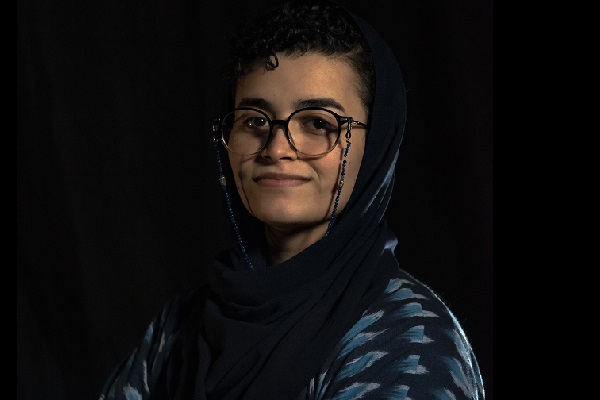
Kalantan has become the first female director, the first non-European to win a BAFTA award in the Gamers category.
Rafif Kalantan has become the first student from Saudi Arabia to win a 2023 Yugo BAFTA Award, picking up the accolade in the Games Category for her submission ‘Eros Xavier’s Love Solutions’.
The Yugo BAFTA Student Awards is an annual event celebrating the works of the next generation of highly skilled and creative storytellers from around the world.
Kalantan, the first female director and the first non-European to win a BAFTA award in this category, was one of the students supported by Neom to attend the National Film and Television School (NFTS), one of the top-ranking schools to join its Master’s programme in Games Design and Development.
Kalantan’s entry ‘Eros Xavier’s Love Solutions’ is the culmination of an intensive two-year Master’s programme of training that provides students with the skills and creative knowledge to design, devise and build games, from inception to delivery.
‘Eros Xavier’s Love Solutions’ is a narrative-driven puzzle-like game. The game follows Eros Xavier, a retired cupid who is cynical about love and has decided to open a private business for hire as a match-breaker.
This year’s Yugo BAFTA Student Awards welcomed 754 submissions from 103 schools across 30 countries, including, Argentina, Belgium, the Czech Republic, Denmark, Hong Kong, India, Mexico, South Africa, and the United Arab Emirates.
Speaking about the award, Rafif Kalantan said: “I am honoured to have been selected as the winner of such a globally renowned award, especially being the first female director and first non-European to win this category. This wonderful achievement also showcases the capabilities of the developers from the Kingdom and the Middle East as a whole, and how the game industry in the region has a lot of potential. I am also grateful for the continued support and investment of Neom, which was an integral part of this achievement. Their continued support for us in the gaming field shows how much Neom believes in growing local talents and allowing them to thrive!”
Jon Wardle, Director of the National Film and Television School, commented: “The School is incredibly proud to be celebrating this achievement with Rafif as we celebrate the 10th anniversary of our Games Design MA. We’re also very grateful to Neom for continuing to help make our courses accessible with life-changing funding opportunities.”
Wayne Borg, Managing Director of Media Industries, Entertainment, and Culture at Neom, added: “On behalf of the entire Neom team, we extend our congratulations to Rafif for the well-deserved honour of receiving this prestigious award from BAFTA. This remarkable accomplishment is a testament to her exceptional talents and marks a momentous beginning for Rafif’s journey, and I’m sure she will achieve great things in the gaming world. We will continue to work closely with the National Film and Television School to nurture and empower more talented individuals as we develop our partnership and offer a unique blend of professional development, mentorship, and growth opportunities for emerging talent in the creative industries.”
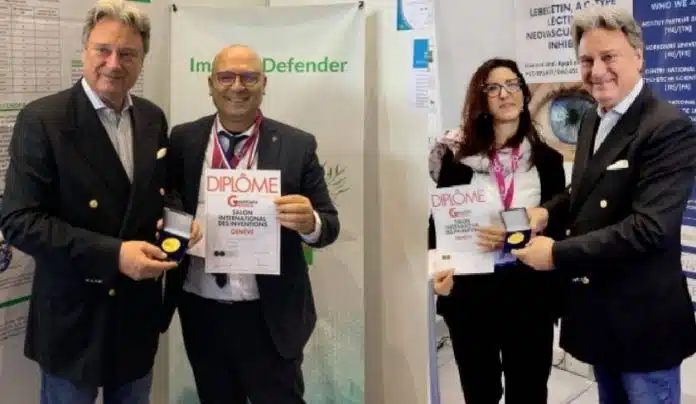
This is a new consecration for Tunisia on an international scale. This is the International Exhibition of Inventions Geneva 2023, one of the largest events dedicated to invention organized by the World Intellectual Property Organization and the Swiss government. Two gold medals were awarded to Erij Messadi, researcher, and Mounir Bezzarga, professor, for their inventions.
Tunisia causes a stir with two revolutionary inventions
The two Tunisian winners were distinguished among a total of 1,000 other inventions from 50 different countries, thanks to the gigantic potential of their projects.
Dr. Erij Messadi, representative of the Institut de Pasteur, presented a one-of-a-kind project at this prestigious event. Baptized “Lebecetine, Lectin type C, as an inhibitor of neovascularization”, it was able to capture the attention of the public and was able to win the gold medal with congratulations from the jury. His innovative invention aims to demonstrate the crucial role of Lebecetine in blocking the formation of new blood vessels, which could slow the progression of several diseases such as cancer.
The ImmunoDefender project won in the Q category. Designed and produced by Dr. Mounir Bezzarga to fight against COVID-19, this winning invention continues to receive awards and shine on an international scale. After winning a prize at TICAD and another at the Euro-Mediterranean Intellectual Property Conference, this plant-based project was on the way to winning the gold medal with congratulations from the jury at the Geneva fair.
Beyond the obstacles, Tunisia continues to shine
Despite the turbulent political scene and the difficult economic situation, Tunisia continues to shine thanks to the exploits of its talents. Indeed, the country is always represented on the podium of international events, especially those dedicated to technologies and inventions. Tunisian inventors like Erij Messadi and Mounir Bezzarga are often awarded for their inventions covering several fields. All this bears witness to remarkable innovation and dynamism on the Tunisian scene.
This immense potential can only be an incomparable asset for our Tunisia. The future therefore looks promising in this area.
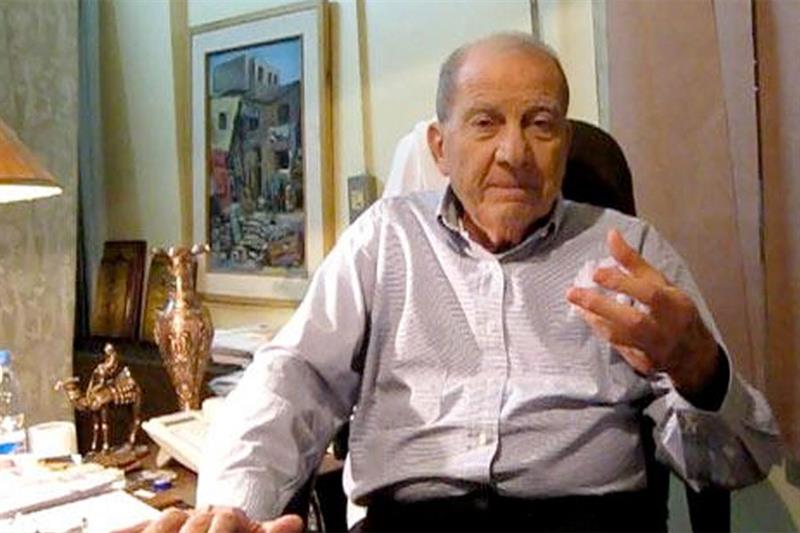
Prominent Egyptian gynaecologist and author Mohamed Abul-Ghar won on Sunday the State Nile Award in Science and Advanced Technological Sciences.
Minister of Higher Education and Head of the Scientific Research and Technology Academy Mohamed Ashour announced that Cairo University’s Professor at the Faculty of Medicine Dr Mohamed Abul-Ghar and Mansoura University’s professor at the Faculty of Medicine Dr Hassan Abul-Enein won the State Nile Award in Science and Advanced Technological Sciences.
“It is the state’s recognition of scientists’ efforts in advancing the nation and building the new republic and knowledge economy,” Ashour said on Sunday in a press conference at the New Administrative Capital.
Abul-Ghar started, with a group of medical doctors, Egypt’s first-ever centre for in vitro fertilisation (IVF).
Abul-Ghar, 82, received the Egyptian National Award for Scientific Excellence in 1999. He also received honourary membership of the European Society for Human Reproduction and Embryology in 2004 and honourary membership in the International Federation of Fertility Societies in 2000.
Abul-Ghar has also been active politically as he established, with other university professors, the 9 March Movement for the Independence of Universities during the rule of the late President Mubarak. He was also among the spokespersons of the National Association of Change.
Following the ouster of Mubarak in February 2011, Abul-Ghar was among the founders of the left-liberal Egyptian Social Democratic Party.
Aside from his medical scientific career and political activism, the prominent gynaecologist established himself in recent years as a bestselling non-fiction author with a special interest in the modern history of Egypt, specifically the pre-1952 liberal era.
Among his bestselling books are Egyptian Jews in the 20th Century, The Egyptian Legion and The Pandemic that Killed 180,000 Egyptians.
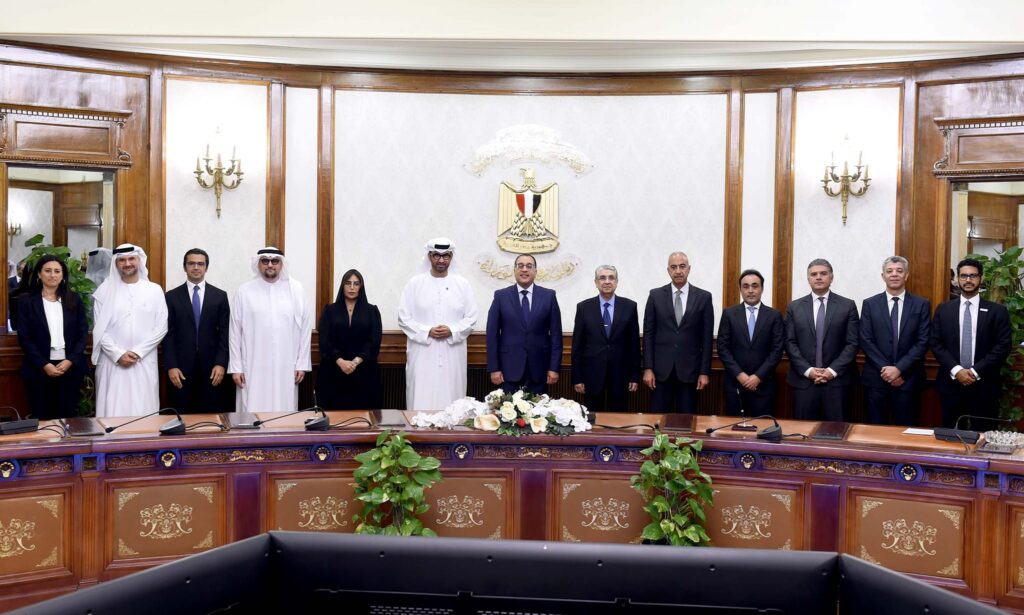
Prime Minister Mostafa Madbouli attended Tuesday evening the signing of an agreement between the Ministry of Electricity and Renewable Energy and the Abu Dhabi Future Energy Company (Masdar) to allocate a land plot for the establishment of a $10-billion wind farm whose capacity will be 10 gigawatts, making it the world’s largest.
Masdar will operate within a consortium that includes Infinity Power and Hassan Allam Utilities. The project is estimated to save $5 billion in natural gas costs per annum, and reduce carbon emissions by 23.8 million tons, which is nine percent of Egypt’s annual emissions.
The farm will produce 47,790 GWh of clean energy every year contributing in Egyptian efforts aimed at making the share of renewables in the energy mix 42 percent by 2035.
The initial agreement was signed on the sidelines of COP 27 held in Sharm El Sheikh in November, so as the signing was attended by President Abdel Fatah al-Sisi and Emirati counterpart Sheikh Mohamed Bin Zayed.
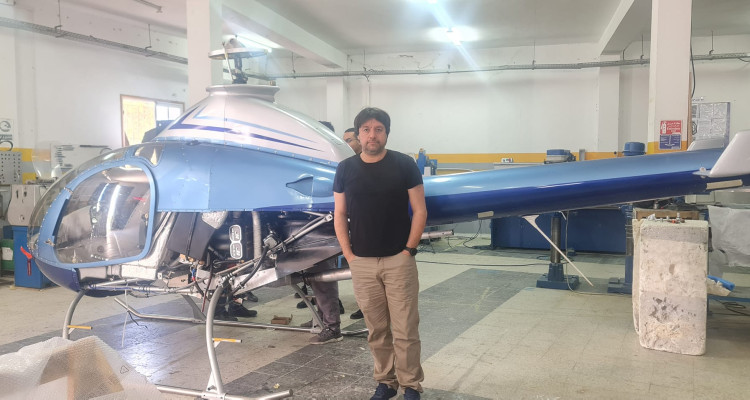
Avionav managed to export the first Tunisian-made helicopter. The Tunisia-based aircraft manufacturer company is gearing up to deliver more helicopters as it has embarked on the manufacturing of light utility helicopters. The company has been exporting its aircrafts to countries throughout Europe, Africa, the Middle East and the Americas.
Avionav is a Tunisian aircraft manufacturer that produces light aircraft for recreational and training purposes. The company was founded in 2007 in Mateur, Bizerte, by two Italian manufacturers. Later, a group of Tunisian engineers acquired it and relocated its main production facility to Sousse, Tunisia.
Avionav currently produces two models of light aircraft: the AV3 and the AV4. The AV3 is a two-seat, low-wing monoplane designed for training and recreational flying. The AV4 is a four-seat, high-wing monoplane that can be used for a variety of purposes including transportation, agricultural, advertising banner transportation, and surveillance. The company does also offer maintenance, repair, and overhaul services for its own aircraft as well as for other aircraft types.
“Since then, we’ve been doing our utmost to provide total customer satisfaction by providing high-quality, top-of-the-line products at 30% lower prices than our competitors,” Kamel said.
More than 1,300 of its models are currently flying, and roughly 40 light aircrafts (two to four passengers) are produced annually.
The company’s market includes the United States, Europe (Belgium, France, Italy, and Spain), Latin America (Brazil and Argentina), Asia/the Middle East (Pakistan, the United Arab Emirates, and Iran), and Africa (Tunisia, Algeria, Senegal). According to Kamel, new markets such as Costa Rica, the Czech Republic, and Qatar are being explored.
“Africa is an extremely lucrative market. We are presently in negotiations with Senegal and Mauritania,” he stated.
Any of the company’s aircraft can be delivered one month after being ordered. Which is “quite rare” in this industry, Kamel says with pride.
Due to its numerous advantages, the company chose carbon fiber for its Rally aircraft with large wings. It has certifications from ultralight aircraft manufacturers (ULM) and light sport aircraft (LSA).
During their eight-day stay on the ISS, the team will aim to conduct 20 research projects.
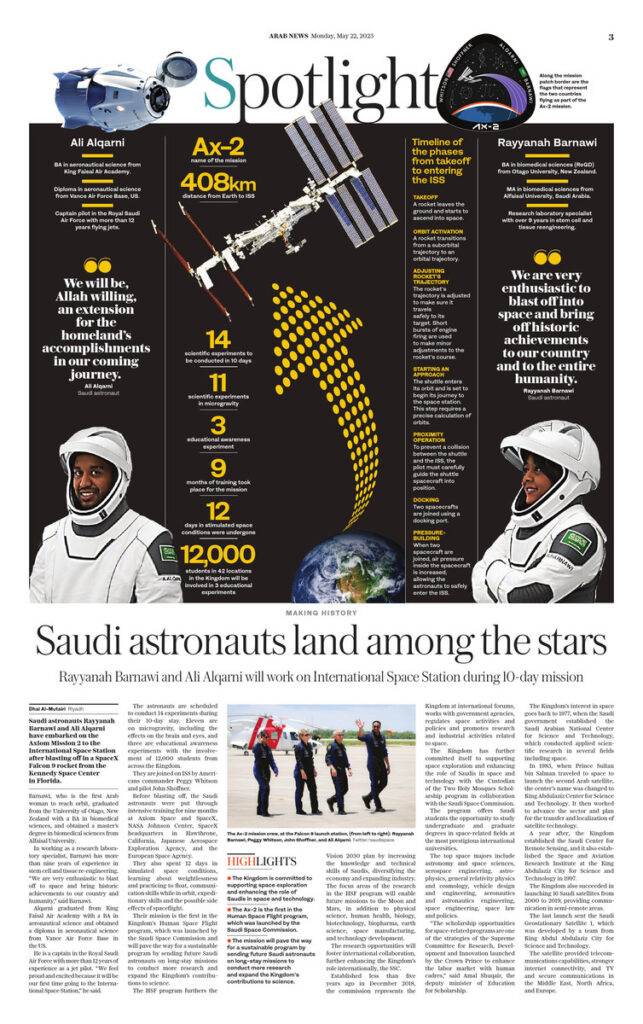
Saudi Arabia made history on Sunday as its first female astronaut, Rayyanah Barnawi, and her colleague Ali Al-Qarni launched toward the International Space Station (ISS).
The duo were on board the Axiom Space 2 mission, which launched at 5:37 p.m. (EDT time). Astronaut Peggy Whitson and business pioneer and pilot John Shoffner are also part of the mission.
Before the launch, Barnawi, a breast cancer researcher, expressed her excitement and honor at representing Saudi Arabia and the Saudi Space Commission as the country’s first female astronaut. She highlighted her passion for research and described the opportunity as a dream come true for everyone involved.
During their eight-day stay on the ISS, Whitson, Shoffner, Al-Qarni, and Barnawi aim to conduct 20 research projects. Among them are 14 projects developed by Saudi scientists, covering various areas such as human physiology, cell biology, and technology development.
The launch was with a SpaceX Falcon 9 rocket, and had a backup launch opportunity scheduled on Monday at 5:14 p.m in case of a launch failure.
It’s the same spot where Saudi Arabia’s first astronaut, Prince Sultan bin Salman, soared in 1985.
On Saturday astronaut Al-Qarni shared pictures on his Twitter account the contents of his space travel bag.
Students of King Abdulaziz University won 41 medals during their participation in the 48th Geneva International Exhibition of Inventions.
The recently concluded exhibition saw 825 exhibitors from 44 countries take part with more than 1,000 inventions.
The head of innovation at the university, Dr. Iqbal Ismail, told Arab News: “Other Saudi universities are also participating. However, the participation of King Abdulaziz University at this exhibition is the largest and has been ongoing since 2016.”
Dr. Hana Al-Naim, acting president of the university, praised the achievements of the university’s male and female students, which have contributed both to the community and the Kingdom’s ranking, regionally and globally, in the field of creativity and innovation.
The students came from the university’s various colleges including departments of medicine, engineering, information technology and nursing.
Rahaf Alem and Raghad Al-Jundi won the International Federation of Inventors Association Award for the invention of a laser blood disease detector, also winning the gold medal.
A special prize from Taiwan was awarded to student Faisal Al-Subaie for inventing a cistern made from palm fronds to provide irrigation water.
Ahmed Al-Zahrani, Saleh Bakraa, Marwan Al-Jadaani, and Mohammed Al-Khamis also won the special award for their automated diagnostic platform.
The silver medal was awarded to Duaa Al-Shabani, Lama Al-Jelani, Gaitha Al-Khatami, Emtinan Yamani, and Hadeel Al-Lazori for their invention of an antimicrobial agent for dialysis patients.
Several Saudi inventions received the bronze medal. Safwan Hashim and Abdullah Abu Thyab won it for their renewable-energy car umbrella and Abdullah Al-Khotami for his work on protective glasses that shield wearers from thermal diseases.
Hala Mogarbel, Shahad Asiri, and Shatha Al-Sulami won the bronze medal for their urinary catheter holder invention.
Dina Al-Shibeeni, Marwa Bakour, and Hind Al-Rashid also won the bronze medal for the invention of an artificial intelligence gardening system.
The invention of a bedsore-proof bed earned Bateel Bajamal, Rena Al-Qahtani, Joud Hakami, Asmaa Bahmeed, and Shahad Al-Nahdi the bronze medal.
Shathar Al-Shabak, Jumana Al-Madhoun, Njoud Al-Ghamdi, and Raneem Saati were also awarded for their invention of “Minqath,” a drowning warning system.
Finally, Sumayah Baamer, Raniya Baksh, Rahaf Al-Saeed, and Deema Majashi won the bronze medal for school environment safety measures using artificial intelligence.
Ismail said: “There is no doubt that such student participation will have a great impact on raising a generation that thinks and researches in a scientific way and develops appropriate solutions to the problems facing the…community.”
He added that the exhibition constitutes an important opportunity to transform inventions into products that can be manufactured and marketed inside and outside the Kingdom.
Al-Naim will honor the exhibition’s winning students in a ceremony on Wednesday.
Five other coders win $50,000 each in awards presented by Dubai Crown Prince for top apps.
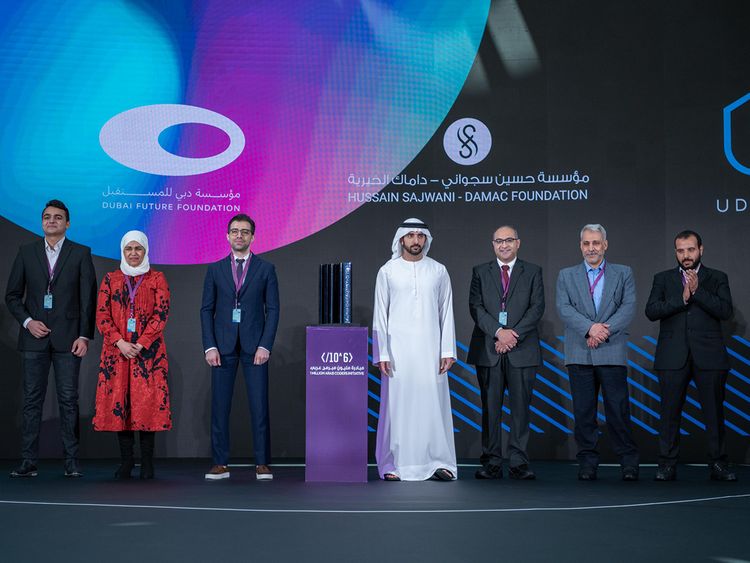
A Syrian coder on Wednesday won $1 million (around Dh3.67 million) in the ‘One Million Arab Coders’ contest during an award ceremony in Dubai facilitated by Sheikh Hamdan bin Mohammed bin Rashid Al Maktoum, Crown Prince of Dubai, Chairman of The Executive Council and Chairman of the Board of Trustees of the Dubai Future Foundation.
Six software projects developed by Arab youth from around the world competed for the grand prize, thanks to the programming skills they acquired during their participation in the initiative’s courses.
On Wednesday, during the closing ceremony held at the Museum of the Future in Dubai, Sheikh Hamdan presented the awards to winners, with Mahmoud Shahoud, a Syrian coder who lives in Turkey, taking home the $1 million top prize.
Sheikh Hamdan tweeted: “Today, we honoured the winners of the ‘One Million Arab Coders’ Challenge, the UAE’s initiative to nurture the development of technology skills among Arab youth. 1.85 million Arab participants from 80 countries took part in the initiative along with 3,600 certified trainers.”
He added: “The Challenge opens fresh opportunities for Arab youth and offers a new path for them to achieve their dreams… Congratulations.”
Sheikh Hamdan added: “The ‘One Million Arab Coders’ initiative provided the opportunity for one million Arabs to enter the digital world. It fulfilled the dreams of tens of thousands of Arab programmers from all over the world. Its outcomes and successes will be the basis for many upcoming Arab achievements in the world of technology and coding. One Million Arab Coders’ has paved the way for Arab youth to broaden their horizons and sparked their innovation and creativity in the field of advanced technology.”
He added that the ‘One Million Arab Coders’ initiative, which was launched in 2017 by His Highness Sheikh Mohammed bin Rashid Al Maktoum, Vice President and Prime Minister of the UAE and Ruler of Dubai, has succeeded in becoming a gateway for many Arab youth to use their programming skills to realise their dreams and aspirations.
“We look forward to our Arab coders continuing their pioneering innovations and expanding their achievements. We expect their names and future accomplishments to light up the sky worldwide.
“His Highness Sheikh Mohammed bin Rashid Al Maktoum’s vision for the region’s future is based on investing in the development of the Arab people. The language of programming is one of the pillars of the knowledge economy and a major bridge to a future in which those who possess scientific excellence will have the upper hand,” Sheikh Hamdan concluded.
Shahoud was adjudged winner for his ‘Habit360’ app that helps users create and maintain good habits, allowing them to achieve long-term goals. Shahoud said half of the prize winning will go towards helping Syrian refugees. The rest will be invested in Dubai as Shahoud plans to shift his base to the emirate and start his own business.
Sahoud is a software engineer from Syria who developed Habit360 that helps people build new habits, track their progress and stay motivated. The application has served more than 200,000 users from around the world.
Beside Shahoud, there were five other winners announced on Wednesday.
About the initiative
The ‘One Million Arab Coders’ initiative is supervised by the Dubai Future Foundation and organised under the umbrella of the Mohammed bin Rashid Al Maktoum Global Initiatives.
The closing ceremony held at Dubai’s Museum of the Future on Wednesday was to honour the best Arab talents in coding, and highlight best coding projects developed by graduates of the initiative to serve their communities and create a better future for humanity.
A total of $1.35 million was given away in prizes during the ceremony.
Mohammed Abdullah Al Gergawi, Minister of Cabinet Affairs, Vice Chairman of the Board of Trustees and Managing Director of the Dubai Future Foundation, said: “The ‘One Million Arab Coders’ initiative embodies the vision of His Highness Sheikh Mohammed bin Rashid Al Maktoum [Vice President and Prime Minister of the UAE and Ruler of Dubai] , to provide new opportunities for Arab youth, empowering their contributions to the advancement of technologies globally, and to put a clear Arab footprint in the future of humanity.”
Aimed at youth
He said the initiative aimed mainly at empowering Arab youth around the world with the tools of the future, and providing them with the opportunity to gain new experiences and skills that would help them turn their dreams into successful projects that benefit their societies and have a positive impact on their lives.
“The initiative was a glimmer of hope for Arab youth around the globe that success is not bound by place, age, or obstacles. Rather, success requires insistence on acquiring the experiences and skills that will be needed in the future,” Al Gergawi said.
He pointed out that the initiative was a cornerstone for countless success stories where coding helped create a positive impact on the future of humanity, and spread hope in the Arab region.
Al Gergawi stressed the importance of the initiative’s role in encouraging Arab coders to innovate and start developing software projects that not only meet the needs of their societies, but also foresee and adapt to its future requirements and changes, pointing to the initiative’s success in developing a leading global experience to teach coding skills in an effective manner, which was adopted in Jordan and Uzbekistan.
Saeed Mohammad Al Gergawi, Director, Dubai Future Academy, said: “We have 400 million Arabs and that is a lot of talent. Our criteria is that they had to be impactful, ready to be implemented and creative.”
Other winners
In addition to the grand prize for the ‘One Million Arab Coders’ challenge, the five best projects will receive prizes of $50,000 each, and four of the best trainers participating in the initiative will be honoured with prizes of $25,000 each. The finalists were chosen by a specialised jury that comprises many experts in the fields of entrepreneurship and future technologies.
Egyptian–Canadian Andrew Makram won $50,000 for his app called ‘Najeeb’, a platform for exams, tests and quizzes. “It is a cross-platform tool for teachers and educators to create and share paperless quizzes online. What the app does is that it allows students to access the quiz remotely, submit answers and receive the result instantly. Realtime submitted data are available to educators for revision and evaluation purposes,” he said.
Makram added that it took him a month to develop the app and it is in prototype form.
Egyptian entrepreuner Eman Magdy was another winner who has developed an app for the benefit of working women in Egypt. She won a prize for her initiative to ease the burden of working women in Egypt.
“The app is called 3lfraza. It is a platform to support homestay women in Egypt. Basically homestay women help working women to prepare vegetable and meat cuts and meals. Currently 9,000 women are registered from Egypt. We hope more women for all over the world use this to help one another. The app supports small vendors, helping busy mums in their day to day lives,” she said.
Meanwhile Mohamed ElEskandarany developed an app called ‘Muaahal’ to help youth to develop new skills. “It is a platform that aims to qualify Arab youth and prepare them well in the fields of their choice to work in suitable jobs or to start their own business. In addition, helping companies to find qualified employees, and to solve the problem of unemployment and increase the productivity of youth,” he said.
Another winner, Ammar Salim, won in the initiative for his app called Qeraaty Alnateqa which helps in speaking-reading program for the deaf and mute. “It is a speaking program to teach reading and writing to deaf and mute children. With a new sign language system and tool for converting the sign of only two fingers from the fingers of the hand to spoken letters and words,” said Salim.
Last but not the least, Hasan Mohamed won the prize for his ‘Chat translation app’.
“It is a mobile app that provides a textual and vocal chat for people of different languages in different places around the world ,to convert people’s speech in different languages into written texts, translate texts from one language to another, and convert translated texts into spoken speech again,” said Mohamed.
Software expertise
Sheikh Mohammed launched the ‘One Million Arab Coders’ challenge in July 2021 with the aim of recognising and honouring the achievements of Arab talents in the field of programming and creating an opportunity for participants in the initiative to showcase their innovative projects, developed using programming skills and the experience gained during their participation.
The challenge saw a total of 257 projects submitted by the initiative’s graduates from 50 different countries in various sectors related to programming, technology and entrepreneurship in the areas of website and mobile application development. In order to qualify for the final stage and compete for the million-dollar prize, the nominees were selected according to a set of main criteria, including the project idea, the innovation quality, and ease of use.
Jury
The jury for the final round included Fadi Ghandour, Chairman of Wamda Capital; Bashar Kilani, Managing Director of Accenture Middle East; Dr. Abdul Latif Al Shamsi, Director of the Higher Colleges of Technology; and Ronaldo Mouchawar, Vice President of Amazon Middle East.
Supervised by the Dubai Future Foundation, the ‘One Million Arab Coders’ initiative has seen 1,058,265 people from around the world participate virtually in millions of hours of study and work, as well as tens of thousands of training workshops. Since its launch, 1,500 “Nano Degree” certificates have been awarded to distinguished participants and promising talents. The initiative featured more than 3,600 certified trainers from around the world.
Serving humanity
Led by the Dubai Future Foundation (DFF) and organised under the umbrella of the Mohammed Bin Rashid Al Maktoum Global Initiatives (MBRGI), ‘One Million Arab Coders’ is the largest initiative of its kind in the world. The initiative aims to teach one million young people from the Arab world to code and enable them to launch exceptional projects and programmes that serve Arab societies, drawing on the science and skills gained from their training.
The initiative embodies Sheikh Mohammed’s vision to empower Arab youth with the tools of the future to serve humanity and build a brighter future for the region. The challenge forms part of the UAE’s continuous efforts make a positive impact on the world.
Partnerships
The ‘One Million Arab Coders’ initiative is supported by the Hussein Sajwani – DAMAC Foundation, which focuses on supporting learning opportunities and developing skills to stimulate profitable social and economic participation, and empowering societies in the Arab world to achieve a sustainable future. The Udacity digital learning platform also supported the initiative by offering educational content and training in necessary skills for future jobs. The list of partners of the initiative also included many international technology companies, including Microsoft, Facebook, Oracle, Careem and others.
The initiative also provides the world with a pioneering model for promoting the development of programming skills. It was adopted in the Hashemite Kingdom of Jordan, which launched the ‘One Million Jordanian Coders’ initiative in May 2019. The initiative was introduced with the aim of making Jordan a world leader in the field of programming. The ‘One Million Uzbek Coders’ initiative, launched through a partnership between the governments of the UAE and the Republic of Uzbekistan, was announced in November 2019, with the aim of providing Uzbek youth with an opportunity to acquire skills in programming, artificial intelligence and emerging technologies, to contribute to the development of innovative technology-based solutions and services.
source/content: gulfnews.com (headline edited)
_____________
Sheikh Hamdan bin Mohammed bin Rashid Al Maktoum (centre) with the winners / Image Credit: Supplied
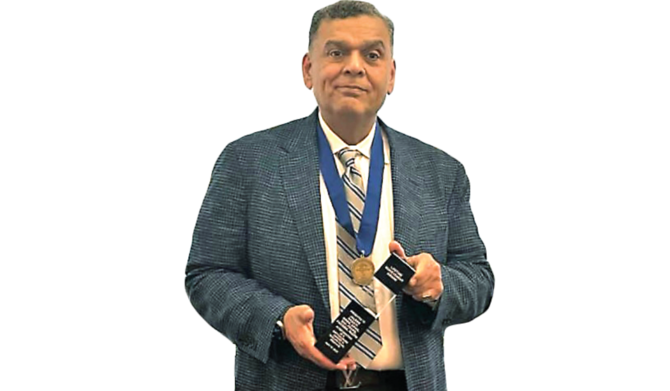
Dr. Jalees Razavi is first physician from Kingdom, Arab world to be honored
Prize presented by American College of Occupational and Environmental Medicine
A Saudi doctor has been presented with the prestigious Lifetime Achievement in OEM Award by the American College of Occupational and Environmental Medicine.
Dr. Jalees Razavi is the first Saudi, and Arab, to have been honored with the prize and also the first person from outside North America.
The award, which was created in 1938 by William S. Knudsen, then president of General Motors, recognizes doctors who have made a distinguished contribution to occupational and environmental medicine.
“Never in my wildest dream did I think that I would ever be nominated, let alone win it, Razavi told Arab News.
“I Googled the award and was speechless, as the luminaries who have won this award in the past consist of the who’s who of the specialty, such as C. Everett Koop, the 13th surgeon general of the US, and the father of modern occupational medicine in Canada, Ernest Mastromatteo in 1987.”
Saudi Arabia has many world-class medical researchers. Many Saudis have already proven to the world that they are hardworking, capable, ethical and goal-oriented professionals. I hope that this award willinspire the next generations ofSaudi professionals to continue to workhardand aim higher.
Dr.Jalees Razavi, Saudi physician
Based in Canada, Razavi has been a pioneer in the field of occupational and environmental medicine in Saudi Arabia and across the Middle East, and has chaired many symposiums, conferences and technical workshops.
“I think (receiving the award) is the combination of my active clinical work, unyielding commitment to the health and safety of the workforce and teaching,” he said.
At the award ceremony, Razavi was praised for his work as head of occupational medicine and later as chief of preventive medicine at Saudi Aramco, where he led on a number of environmental health campaigns.
“During my work as the executive medical director for Imperial Oil Ltd., Canada and ExxonMobil I worked on the slogan I introduced: ‘Having a Healthy Career,’” he said.
Razavi said occupational and environmental medicine was the field that dealt with the relationship between work and people’s physical and mental health.
“Without enough physicians, the gap is filled by professionals who will not have the skill sets required to address worker health needs. This ultimately impacts the health of workers and even their safety, depending on their job. I don’t think that there is a global solution, nor is it something that can be solved alone.
“Instead, governments, industries, unions, workers, medical schools, regulatory bodies and others should come together to determine how to arrive at an adequate number of specialists to meet population needs and maintain worker health.”
He also suggested incorporating OEM courses in undergraduate medical education and postgraduate residency training in order to grow interest and awareness in the speciality.
“Over the past 20 or more years, planetary health, global warming, greenhouse effect and climate change became global challenges. The occupational medicine specialists were quick to recognize the need for addressing the environmental medicine need,” Razavi said.
“The postgraduate programs in occupational medicine at the Universities of Toronto, Alberta and Montreal, for example, over the last many years have expanded their training curriculum to include environmental medicine.
“I expanded my practice for heat- and cold-related diseases and injuries, migrant and remote workers heath, and I also consult on disaster responses, because what happens in one corner of the world can impact the rest within hours, such as with COVID-19 or catastrophes such as Fukushima or Chernobyl.”
Different from clinical medicine, OEM evaluates and addresses whether certain illnesses are caused by a specific workplace exposure and evaluates risk, toxicology, injuries management and prevention.
“For example, we may diagnose diabetes in the workplace during routine screening. We don’t actively treat the condition, but assess and manage the impact of the disease on the worker’s health at work, and his or her safety in the workplace,” Razavi said.
He said he was proud to be the first Saudi to win the award.
“Saudi Arabia has many world class medical researchers. Many Saudis have already proven to the world that they are hardworking, capable, ethical and goal-oriented professionals. I hope that this award will inspire the next generations of Saudi professionals to continue to work hard and aim higher.”