Arabs & Arabian Records Aggregator. Chronicler. Milestones of the 25 Countries of the Arabic Speaking World (official / co-official). AGCC. MENA. Global. Ist's to Top 10's. Records. Read & Enjoy./ www.arabianrecords.org
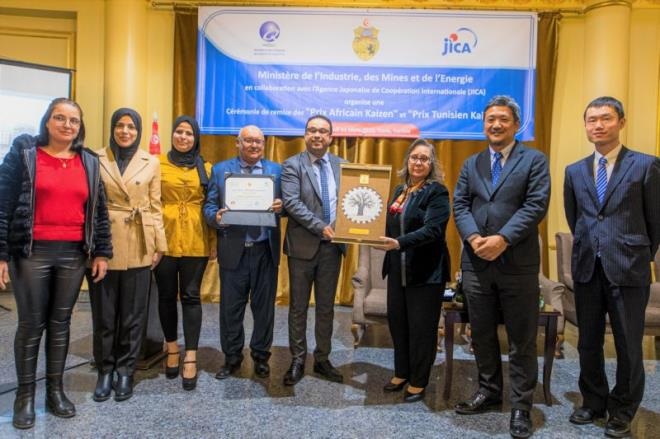
“Phoenix Mecano Elcom,” a Tunisian company specializing in the manufacture and assembly of electromechanical components has just won the Tunisian Kaizen Prize in the “large-Scale Business” category.
The Kaizen prize, awarded at a ceremony in Tunis on Wednesday, is an initiative organized by the Ministry of Industry, Mines and Energy and the Japan International Cooperation Agency (JICA).
Its aim is to reward Tunisian companies operating in the industrial or industry-related services sector that have distinguished themselves through exemplary implementation of the “Kaizen” approach, a concept that promotes a culture of continuous learning, integration and innovation.
“Phoenix Mecano Elcom had already won the African Kaizen Award last October in Yaoundé, Cameroon.
In the large-scale businesses category, international manufacturing company Asteel Flash and the Arab Society for Pharmaceutical Industries (SAIPH) also won awards.
Plastic packaging company Azur Pack also received an award in the Small and Medium Businesses category.
During the ceremony, the Minister of Industry, Neila Gongi, said that there was potential for improvement through the spread of Kaizen in Tunisia.
For his part, the Resident Representative of the JICA Office in Tunisia, Shunei Ueno, stressed that, more than a year after the end of the “Quality and Productivity Improvement Project” in December 2002, this second edition of the Tunisian Kaizen Awards “testifies to the continuity of the momentum of the dissemination of the Kaizen concept in Tunisia, which was initiated within the framework of this project”.
The Kaizen concept offers a systematic approach to improvement that results in cost reduction, improved quality and productivity, and shorter delivery times, JICA said. In 2006, Tunisia became the first country in Africa where JICA introduced the Kaizen approach.
Project to be located at astronomical observatory in Hail’s Mashar National Park.
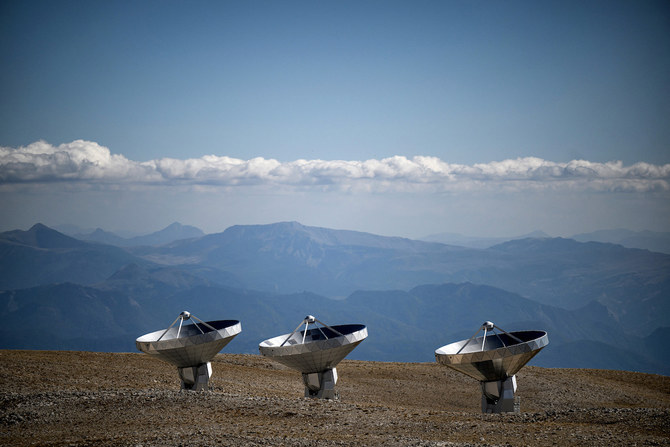
The Saudi Amateur Radio Society is preparing to launch the largest radio telescope in the Middle East, the Saudi Press Agency reported on Sunday.
Construction on the 20-meter diameter device is done and tests will be conducted before it is linked to the radio telescope system developed at universities.
The radio telescope will be sited at the astronomical observatory in Mashar National Park.
Prince Badr bin Fahd, the president of the association, said the project was in line with Saudi Vision 2030 goals of sustainable development, digital transformation and attracting investments in the fields of technology and innovation.
source/content: arabnews.com (headline edited)
___________
Construction on the 20-meter diameter device is done and tests will be conducted before it is linked to the radio telescope system. (File/AFP)
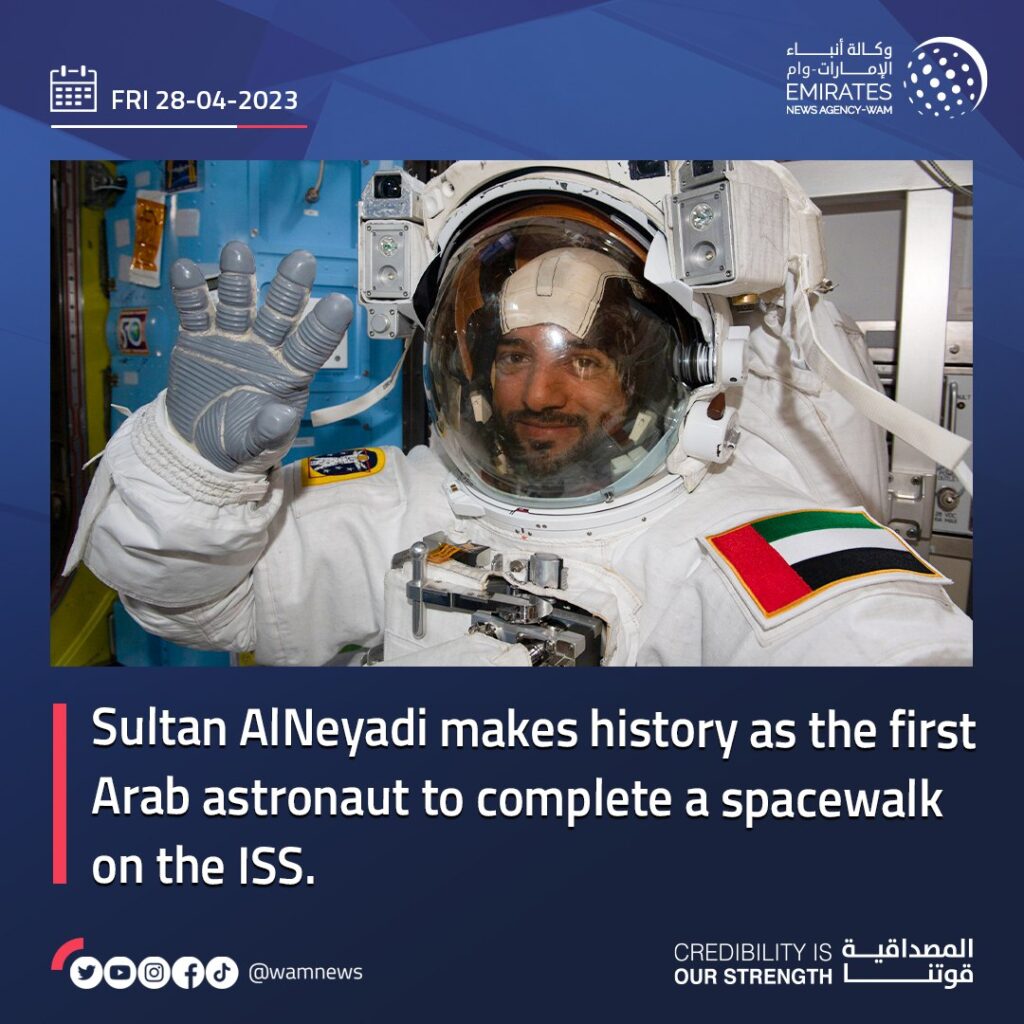
The Mohammed Bin Rashid Space Centre (MBRSC) achieved a new milestone on Friday when astronaut Sultan AlNeyadi ventured out of the International Space Station (ISS) and completed his spacewalk. With the conclusion of the mission task, the UAE commemorates AlNeyadi as the first Arab to undertake a spacewalk during Expedition 69, currently underway on the ISS. This accomplishment marks an important step forward for the Arab world’s participation in space exploration.
His Highness Sheikh Mohammed bin Rashid Al Maktoum, Vice President and Prime Minister of the UAE and Ruler of Dubai, said: “After three years of intensive training, today we see Sultan AlNeyadi on his first spacewalk, carrying out several tasks outside the International Space Station. AlNeyadi is the first ever Emirati, first Arab and first Muslim astronaut to perform a spacewalk.”
His Highness Sheikh Mohammed bin Rashid added: “It is a fact that many stars have Arabic names. Arabs are capable and innovative. Our focus on science and investment in youth will shape our future.”
The historic first Arab spacewalk lasted 7.01 hours in the vacuum of space on the starboard side of the International Space Station’s truss structure, accomplishing two key objectives. One of the objectives of the Extravehicular Activity (EVA), undertaken by AlNeyadi along with NASA Flight Engineer Stephen Bowen, was to work on a series of preparatory tasks which involved routing power cables, which was successfully concluded. These cable works were completed as a precursor to the installation of the Space Station’s fourth roll-out solar array, known as the International Space Station Roll-Out Solar Array (iROSA), which is scheduled to be delivered on the upcoming SpaceX Dragon cargo mission. The next objective was to retrieve a crucial Radio Frequency Group (RFG) unit. This communications antenna, or RFG will stay bolted on the station for now due to the difficulty of removing it.
Prior to embarking on their spacewalk, AlNeyadi and Bowen underwent a two-hour oxygen purge to eliminate nitrogen from their bodies. Following this, Warren Hoburg and Frank Rubio assisted the astronauts in donning their spacesuits – a major operation in itself. It took both AlNeyadi and Bowen an additional hour to put on their spacesuits and safety gear before entering the airlock to gradually reduce the pressure to a safe level for opening the exterior hatch.
Bowen was out of the hatch connecting his cable to the outside of the hull before anchoring AlNeyadi’s line outside as well. AlNeyadi then disconnected from the inside of the airlock and commenced the tasked activities.
AlNeyadi’s progress during the spacewalk was observed by Hazzaa AlMansoori, the Expedition 69 increment lead, from the NASA ground station in Houston.
Key safety checks of Sultan’s spacewalk Prior to the spacewalk, a thorough set of checks were conducted to ensure the safety of the astronauts. During their high-altitude walk outside the ISS, AlNeyadi and Bowen had to contend with two major challenges: radiation and extreme temperatures. The surrounding environment in space can reach scorching temperatures of up to 120 degrees Celsius in the sunlight and drop as low as -150 degrees Celsius when the sun is out of sight. While the spacesuit is geared to handle all this, careful management of the suit during the mission was also a task at hand.
Another pressing concern, even after all the necessary precautions were taken, was the threat of space debris. It is not uncommon for space debris to come dangerously close to the orbital outpost, posing a significant risk to the crew.
Hamad Obaid AlMansoori, Chairman, MBRSC, said, “The UAE Mission 2 is a truly inspiring endeavour that embodies the spirit of Emirati excellence and determination to achieve greatness in all our pursuits. From its inception as the longest Arab space mission to the historic appointment of the first Arab increment lead on an ISS expedition, and now continuing with the groundbreaking achievement of the first Arab spacewalk by Sultan AlNeyadi, this mission has set a new standard for excellence in space exploration. Under the patronage of the wise leadership, this remarkable milestone not only represents the UAE’s unwavering commitment to consolidating its position as a dominant force in space, science, and technology but also serves as a powerful motivator for future generations to strive for knowledge and innovation with boundless enthusiasm and dedication.”
Salem Humaid AlMarri, Director General, MBRSC, said, “Sultan AlNeyadi’s spacewalk has generated an unprecedented level of excitement and interest within the public, underscoring the immense significance of this mission. We are grateful to our visionary leadership for their unwavering support and guidance, which has enabled us to realise this ambitious goal and set the stage for even greater achievements in the future. While Sultan is conducting ground-breaking scientific experiments on the ISS, the addition of the spacewalk showcases yet another dimension of the UAE’s remarkable expertise in space exploration. This milestone achievement will play a critical role in restoring the International Space Station to its full operational capability, cementing the UAE’s position as a leading contributor to the global space community. “
Adnan AlRais, Mission Manager, UAE Astronaut Programme, MBRSC, said, “The historic achievement of the first-ever Arab spacewalk by Sultan AlNeyadi, as part of the longest Arab space mission in history, represents a remarkable milestone for the UAE. From the outset of the UAE Astronaut Programme journey, our astronauts have always set their sights on achieving the extraordinary, and with unparalleled skill and determination, they have risen to the challenge in a way that has captivated the world’s attention. As we celebrate this momentous achievement, we look eagerly to the future with great anticipation, as a new cadre of UAE professionals prepares for future missions that will enable them to further showcase our nation’s growing capabilities in the field of space exploration.”
Two months in space AlNeyadi will soon be completing two months in space after launching from Cape Canaveral in Florida with his Crew-6 team members on 2 March. For his second month aboard the Space Station, AlNeyadi conducted multiple experiments, including several key ones, such as:
• Collecting air samples from the Destiny and Columbus laboratory modules before cleaning the Veggie space botany facility. The samples were analysed for research purposes. • Sending approximately 1,950 kg of valuable scientific experiments and other cargo back to Earth on a Dragon cargo spacecraft, as part of the 27th contracted cargo resupply mission to the International Space Station (ISS). The spacecraft splashed down off the coast of Tampa, Florida in the US earlier this month. • Setting up the hardware for the CapiSorb Visible Systems fluid physics study. This experiment investigates the potential of using a liquid-based carbon dioxide removal system to promote more efficient space-based solutions and advanced Earth-bound applications. • Treating samples In the Kibo laboratory module for the Engineered Heart Tissues-2 experiment using Kibo’s Life Sciences Glovebox. This research may help doctors treat, as well as prevent, space-caused heart conditions and Earth-bound cardiac disorders. • Working on two technology experiments. In the first experiment, AlNeyadi demonstrated the use of a 3D printer to manufacture tools, components, and experiments on the orbital outpost. The second experiment entailed collecting and stowing samples in a science freezer for a study exploring the biomanufacturing of pharmaceuticals in space.
The UAE Astronaut Programme is one of the projects managed by MBRSC under the UAE’s National Space Programme and funded by the ICT Fund of the Telecommunications and Digital Government Regulatory Authority (TDRA), which aims to support research and development in the ICT sector in the UAE and promote the country’s integration on the global stage.
Saudi Arabia’s biodiversity is set to reap huge benefits thanks to Red Sea Global planning the “single most challenging horticultural endeavor ever attempted in human history,” the company has announced.
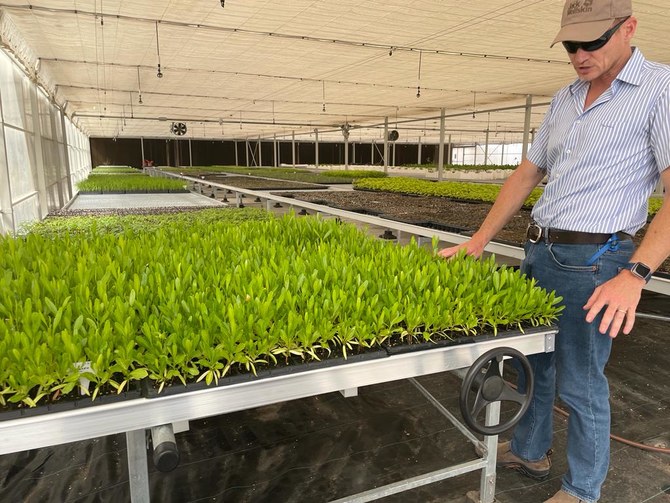
RSG’s fully operational nursery aims to raise over 25 million plants in the Red Sea Project and the ultra-luxury destination AMAALA by 2030, reducing the Kingdom’s reliance on importing foreign plant species and promoting the growth of native flora.
It will also produce over 30 million seedlings, which according to Grant Shaw, senior nursery director at RSG, is “incredibly exciting for horticulturalists.”
“If you think about 25 million plants in the time frame we’re talking about, it’s never been attempted before. It’s like the single most challenging horticultural endeavor ever attempted in human history in the middle of the desert.”
He added: “With our designers, we’ve looked at what can we use natively and then what can we enhance with some adaptive species.”
“Some of the species you see in this region will never be seen anywhere else in the world because they can’t grow elsewhere,” Shaw concluded.
The Red Sea region’s exceptional year-round climate allows for adding a broad range of plants, including cultivated, adapted and native plants, said Fahd Al-Habely, the company’s assistant director of the environmental program department.
Consequently, the company has implemented two initiatives. One is collecting native seeds across the Kingdom, and the other is transplanting mature trees.
With a mandate to increase biodiversity in the area by 30 percent, the company has a “laser-like focus on sustainability,” he explained.
Though the nursery mainly comprises plants native to Saudi Arabia, the giga-project has also been sourcing desert plant species worldwide, including Australia, where the climate is similar to the Kingdom.
Saudi Arabia has successfully planted over 12 million trees in the past five years through the National Center for Vegetation Development as it moves toward achieving its sustainability goals as part of the Saudi Green Initiative, stated the annual report issued by the National Transformation Program for 2022.
According to the report, more than 22 percent of the treated water in the Kingdom was reused while recording a 35 percent increase in desalinated water production capacity since 2018.
Some of the other achievements include the release of up to 921 endangered animals in national parks and reserves, the first birth of the Arabian oryx at the King Salman Royal Reserve, and the first birth of the Idmi gazelle at the Ibex Reserve.
source/content: arabnews.com (headline edited)
____________
RSG’s fully operational nursery aims to raise over 25 million plants in the Red Sea Project and the ultra-luxury destination AMAALA by 2030, reducing the Kingdom’s reliance on importing foreign plant species and promoting the growth of native flora. (Supplied)
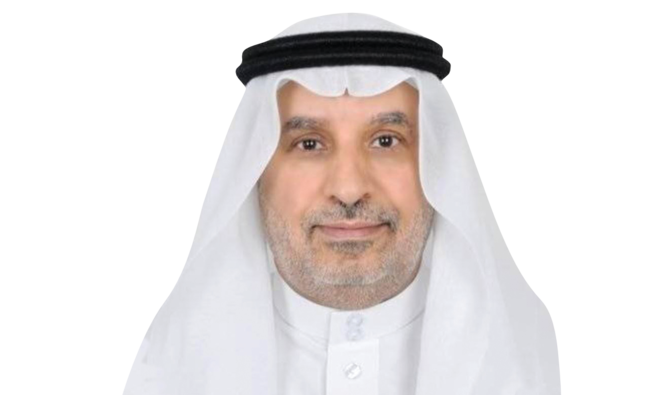
Mohammed bin Yahya Al-Sayel has been appointed to become a member of the UN’s Global Geospatial Knowledge and Innovation Center following a royal decree on April 16.
The UN-GGKIC aims to build geospatial capabilities and competencies at the global level, develop centers of knowledge and innovation in countries, and benefit from the mechanisms, techniques, and analysis used in the field of geospatial information.
The center is working on implementing the Integrated Geospatial Information Framework to improve and strengthen work on managing national geospatial information for achieving sustainable development goals.
Al-Sayel has been the regional coordinator for Arab countries at the International Society for Photogrammetry and Remote Sensing since January.
Al-Sayel, who has also been the president of the Kingdom’s General Authority for Survey and Geospatial Information since 2021, was nominated for his new position by the board of directors at the ISPRS.
The general authority is mandated with developing national capacities in the sector, in cooperation with universities and specialized institutes with its counterparts in other countries, international bodies, and organizations related to the sector.
The ISPRS is a non-governmental organization devoted to the development of international cooperation for the advancement of photogrammetry, remote sensing, and their applications.
Al-Sayel received a bachelor’s degree in civil engineering in 1984 from Roger Williams University, Rhode Island, US. He also received a high diploma in geodesy and map production from the Royal School of Military Survey.
He was granted a master’s degree in geomatics in 1994 from the University of Toronto, Canada, and obtained a doctorate in surveying engineering and geospatial information from Leibniz University Hannover, Germany.
Al-Sayel has taken a number of advanced training courses on geographic information and global positioning systems. He has attended several training courses on negotiations and boundary delimitation at Durham University in the UK.
Al-Sayel, who is both the CEO of Quality Geospatial Engineering Co. and Vision Intelligence, a digital sustainability solution-providing company, has risen in the military to the rank of major general and was an assistant director at the General Directorate of Military Survey. He was also the head of the boundaries and documents department.
He is the secretary-general of the Cooperative Society of Moringa and Desert Plants, one of the first Saudi cooperative societies aiming at increasing the country’s vegetation.
Al-Sayel is a consultant member of the Saudi Council of Engineers and a member of the American Imaging and Geospatial Information Society, and the ISPRS.
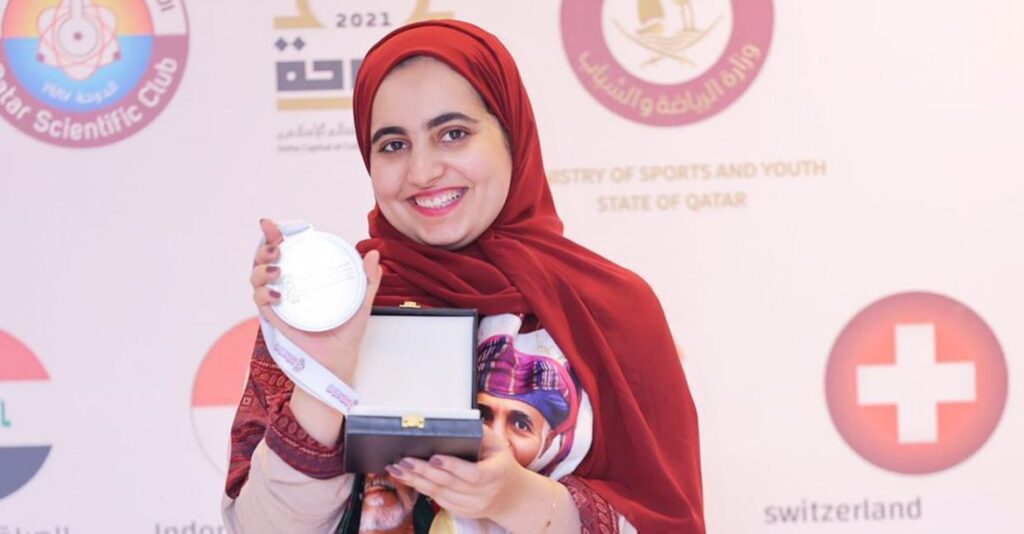
Manar al Jahwari won Saudi Arabian Innovation Hackathon award for her project Royal Filament.
Oman’s own Manar al Jahwari competed against 24 projects (shortlisted out of 700 total projects) in the final round of the Saudi Arabian Innovation Hackathon award, where her project was chosen along with three others as the most promising project.
Her project aimed at restricting the use of plastic filaments in 3D printing, and she fashioned 3D printing filament out of seaweed and other environment-friendly materials. She is currently in talks with government agencies to make her project a viable business, and she hopes to attract numerous local and international investors.
The Saudi Arabian Water Technologies Hackathon is a competition held virtually that lasts for two days, October 21 and 22, and involves three challenges that need to be solved within the given two days.
The second challenge was to control the excessive growth of algae in Jeddah’s desalination facilities, for which Al Jahwari came up with the innovative solution of “Royal Filament.”
Americans born in or with ancestral ties to Arab-speaking countries have made countless significant scientific, medical and engineering contributions.
While Americans born in or with ancestral ties to Arab countries have made countless significant scientific, medical and engineering contributions, most have never made it into record books. From cryptography, to the artificial heart, to the iPod, here are a few examples of some of the major advancements by Arab Americans.
1. Television Transmission and LCD Screens
Born in Nabatieh, Lebanon in 1895, Hassan Kamel Al-Sabbah studied and then taught mathematics at the American University of Beirut before immigrating to the United States in 1921. After a brief stint studying at the Massachusetts Institute of Technology (MIT), Al-Sabbah earned a master’s degree in engineering sciences from the University of Illinois, says Lujine Nasralla, communications specialist at the Arab American National Museum in Dearborn, Michigan.
“In 1923, General Electric (GE) hired him to work in its Engineering Laboratory under a contract that awarded him a dollar for each of his patents,” Nasralla explains, noting that between 1927 and 1935, he applied for patents for 52 of his inventions while working at GE. Some of the patents Al-Sabbah was awarded during his time at GE include three for innovations in television transmission technology (granted between 1928 and 1930), and two for cathode ray tubes (1935).
Though Al-Sabbah died in a car accident 1935, GE engineers continued to rely on the technology he invented, including developing the liquid crystal display (LCD) based on one of his patents. Al-Sabbah made numerous other significant contributions to science, technology and engineering, especially in the field of solar energy.
2. Emotion Recognition Technology
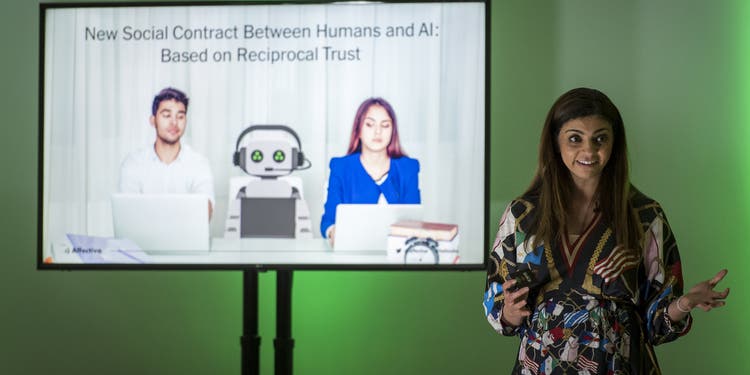
RANA EL KALIOUBY, CO-FOUNDER AND CHIEF EXECUTIVE OFFICER OF AFFECTIVA, SPEAKING DURING THE NEW WORK SUMMIT, CALIFORNIA, 2019. / DAVID PAUL MORRIS/BLOOMBERG VIA GETTY IMAGES
While Rana El Kaliouby was completing her doctoral research at the University of Cambridge in England in the early 2000s, she never felt as though she could ever truly connect with her loved ones back home. “Away from her family and friends in Egypt, El Kaliouby wished her computer could better convey her emotional state,” Nasralla says. That’s when she decided to find a way to make more emotionally intelligent technology.
After earning her doctorate, El Kaliouby took a position as a research scientist in the Affective Computing group in the MIT Media Lab. There, she was part of a team that developed an “emotional hearing aid,” as well as a pair of eyeglasses that could read emotions, along with social cues. Officially known as “the Emotional-Social Intelligence Prosthesis,” El Kaliouby and a colleague created the wearable technology in 2006 for people living with autism who have difficulty identifying and processing other people’s emotions as they communicate.
In 2009, El Kaliouby and the same MIT colleague co-founded a company called Affectiva, which used deep learning, computer vision, speech science and vast amounts of real-world data to develop emotion recognition technology. “Her pioneering technology accurately reads minute changes in facial expressions that convey emotions,” Nasralla says, adding that El Kaliouby is a member of the Women in Engineering Hall of Fame.
3. The iPod and iPhone
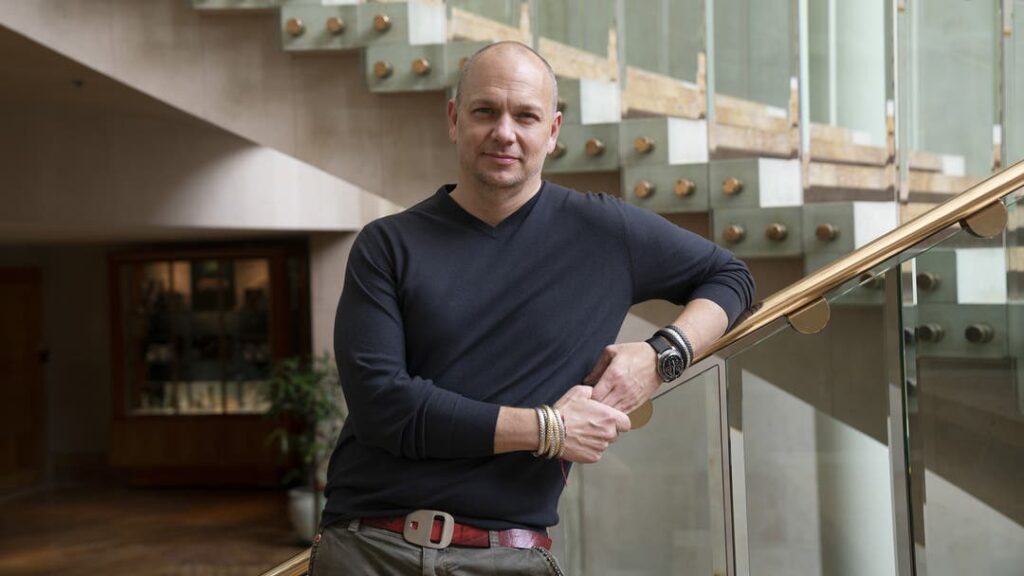
TONY FADELL, WHO OVERSAW THE DESIGN OF THE IPOD AND IPHONE, PHOTOGRAPHED IN SINGAPORE, 2019 / WEI LENG TAY/BLOOMBERG VIA GETTY IMAGES
There was a time in the not-so-distant past when listening to music outside of your home meant bringing the physical album with you on a record, audio cassette or compact disc. And while portable MP3 players existed before 2001, none were popular enough to make the device the standard way of listening to music on the go. That is, until Apple CEO Steve Jobs hired Arab American inventor Anthony “Tony” Fadell and put him in charge of a new special projects group within the company tasked with doing exactly that.
The result was the iPod, which launched in 2001. Fadell, who is now known as “ the father of iPod,” went on to oversee the first 18 iterations of the device before Jobs gave him his next assignment: to create a mobile phone with many of the same features as the iPod.
This time, the end product was the iPhone, which essentially allowed people to carry a highly compact computer with internet capability around at all times, and, in the process, changing the way people access information. Fadell was involved with developing the first three generations of the iPhone.
4. Developments in Surgery
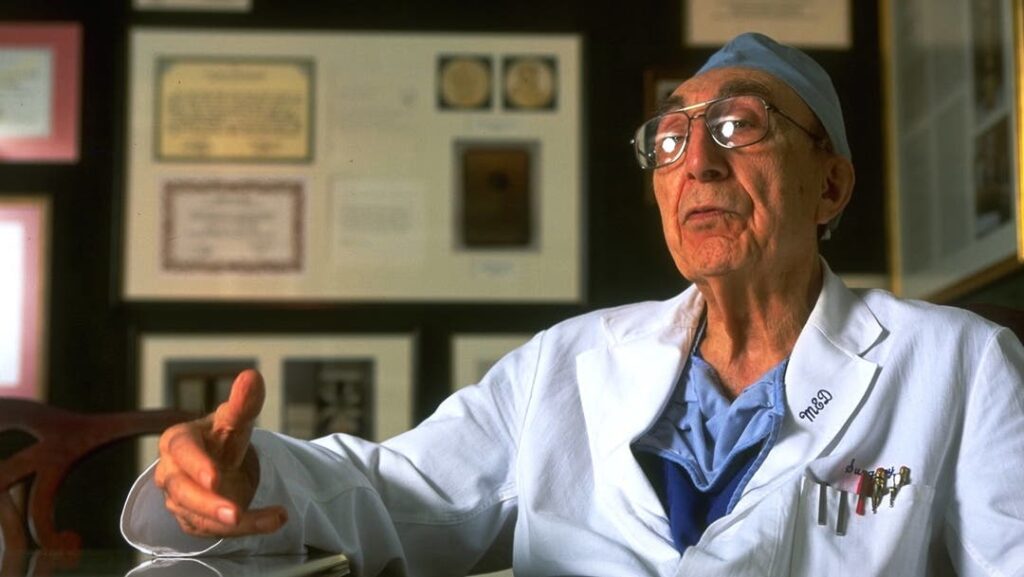
HEART SPECIALIST DR. MICHAEL DEBAKEY, C. 1994. / F. CARTER SMITH/SYGMA/GETTY IMAGES
Born in Lake Charles, Louisiana in 1908 to Lebanese immigrants, Michael DeBakey (the Anglicized form of Debaghi) grew up spending time in his father’s pharmacy and enjoyed sewing, gardening and learning how motors and other machinery work. He earned his medical degree in 1932 and served in the Surgical Consultants Division of the Army Surgeon General’s Office from 1942 to 1946.
It was during this time that DeBakey and his colleagues developed special units dedicated to providing surgical care to soldiers wounded near the front lines. They were first deployed in 1943, though are best known for their work during the Korean and Vietnam conflicts, when they were known as the Mobile Auxiliary Surgical Hospital (MASH) units.
DeBakey’s surgical contributions continued for the next several decades and included performing the first successful removal of a blockage of the carotid artery (1953), developing the concept behind coronary bypass surgery (1963), pioneering the field of telemedicine with the first demonstration of open-heart surgery transmitted overseas via satellite (1965), and being the first to use a partial artificial heart (1966).
5. Internet Security
While internet security is top-of-mind now, that wasn’t the case when Egyptian-born cryptographer Taher Elgamal began his pioneering work in the field in the 1980s. “Elgamal published a paper in 1984, ‘A Public Key Cryptosystem and a Signature Scheme based on Discrete Logarithms,’ which became the basis of the Elgamal Digital Signature algorithm,” says Richard Gardner, a software developer and CEO of Modulus. This work was then utilized in the development of the Digital Signature Algorithm (DSA).”
Elgamal’s work became even more influential after the National Institute of Standards and Technology (NIST) adopted it as the Digital Signature Standard (DSS). “Like the name implies, it became the standard for electronic signatures,” Gardner explains.
And according to Abdulrahman Henedy, an Arab American entrepreneur and founder of Financeive , Elgamal’s invention of the discrete logarithm was also an important milestone in cryptography. “His work inspired other encryption variations and paved the way to create more advanced algorithms, like Advanced Encryption Standard,” he explains.
In addition, Elgamal was the driving force behind the Secure Sockets Layer (SSL), a protocol that keeps online communications like email and instant messaging secure. Because of this major technological development, he is known as the “father of SSL.”
6. The Waffle Cone
Though it may not be the most high-tech invention on the list, the waffle cone stands out not only because it’s delicious, but because not one, but four different Arab Americans claimed to have invented it. And what’s perhaps even more bizarre, is that in an origin story with so many inconsistencies, all four of the men contend that their ice cream innovation was born at the 1904 Louisiana Purchase Exposition—better known as the Saint Louis World’s Fair.
According to Nasralla, Ernest Hamwi, Nick Kabbaz, Abe Doumar and Leon B. Holwey each had their own story about how they came up with the waffle cone in 1904. “We give credit to all four of them, but we don’t recognize any of the stories as more plausible than the others,” she explains. “It remains a mystery to this day!”
But that mystery extends beyond which of the Arab American vendors (if any) deserves credit for the waffle cone. That’s because on top of these four narratives, there are several other origin stories , including some that took place prior to 1904. And though we may never know who first devised a handheld edible ice cream container, it’s safe to say that the 1904 World Fair and its Arab American dessert vendors did have a hand in popularizing what we now know as the waffle cone.
source/content: history.com (headline edited) / Elizabeth Yuko
____________
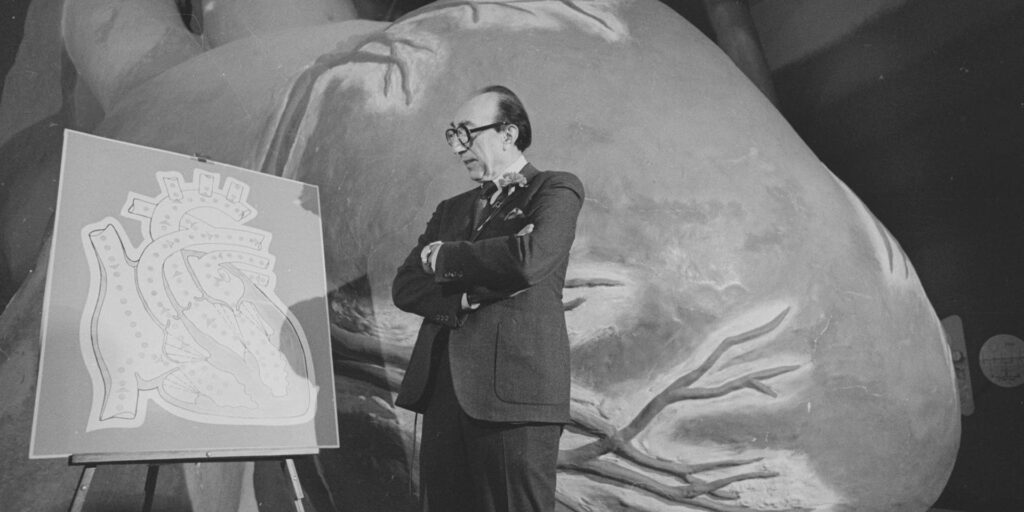
HEART SURGEON DR. MICHAEL DEBAKEY. CREDIT: BETTMANN ARCHIVE/GETTY IMAGES
Dewa Sat-2 will help further improve Dubai’s utility network.
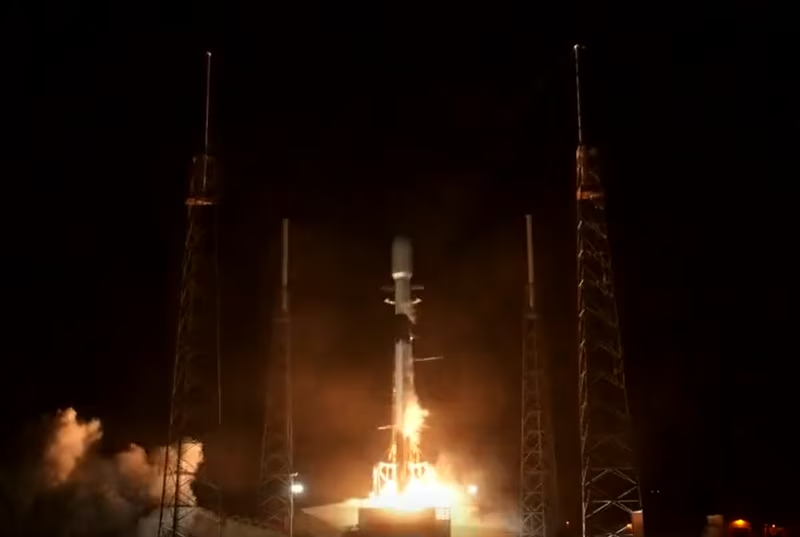
Dewa’s second nanosatellite was launched on Saturday morning on a SpaceX rocket from Vandenberg Air Force Base in California.
After several postponements due to bad weather, Falcon 9’s launch of the Transporter-7 mission took place shortly before 11am UAE time.
The launch is the seventh dedicated smallsat rideshare mission for SpaceX with 51 payloads on the flight, including CubeSats, MicroSats, hosted payloads, and orbital transfer vehicles carrying spacecraft to be deployed at a later time.
Dewa’s 6U nanosatellite — Dewa Sat-2 — comes a year after it launched its first satellite and will help further improve Dubai’s utility network.
The nanosatellite (or cubesat) features a high-resolution camera (4.7 metres) that will be used for Earth observation missions.
It was designed and developed at Dewa’s R&D centre, in co-operation with NanoAvionics in Lithuania, and is part of Dewa’s Space-D programme that it announced in 2021.
The programme aims to improve operations, maintenance and the planning of its networks by using nanosatellite technology, the Internet of Things and remote sensing technologies.
This involves launching a nanosat constellation that will support Dewa’s primary satellite.
Utility companies like Dewa can use satellite technology to monitor and map their infrastructure as well as track the environmental impact their operations have. The data can also help these companies improve their services.
Dewa is the first utility in the world to launch nanosatellites to improve its operations.
The high-resolution camera on Dewa Sat-2 will provide continuous line-scan imaging in seven spectral bands from approximately 500km orbit.
The satellite is also equipped with infrared equipment to measure greenhouse gases.
We were scouting impressive Arab female scientists and we realised that these visionaries need more spotlight.
Earlier this year, The L’Oréal-UNESCO For Women in Science Middle East Regional Young Talents Program, now in its ninth year, recognized and supported five trailblazing women from the GCC region for their ground-breaking work in the fields of life sciences, physical sciences, mathematics, and computer science.
The regional program is part of the L’Oréal-UNESCO’s global For Women in Science initiative, in partnership with Khalifa University of Science and Technology. The outstanding researchers were awarded funds totaling EUR 76,000 to advance their creative work in the fields of science, technology, engineering, and mathematics (STEM).
Fostering and empowering upcoming female scientists and their ground-breaking research, particularly in the GCC region, where women scientists’ contributions are crucial to finding answers for pressing global issues including climate change, food shortages, pandemics, future technology, and cybersecurity.
The award winners stand for the most driven and ambitious women in the region who are unafraid to overcome obstacles in their quest to develop creative solutions to issues that have a social impact. They also serve as role models for young girls who are just beginning their careers in STEM.
UAE has achieved significant progress in ensuring equality and representation in all spheres, from the educational system to the forefront of important scientific and technical achievements led by women, which has improved its competitiveness on the world stage.
About the Middle East Regional Young Talents:
PhD student Hessa Ebrahim Ali Alfalahi (UAE): For her studies on the early identification and diagnosis of Parkinson’s disease and depression utilizing smartphone data gathered in the outdoors using revolutionary Artificial Intelligence (AI) algorithms.
PhD student Ayesha Abdulla Alkhoori (UAE): For her work on the conversion of carbon dioxide (CO2) into clean fuel to reduce global warming and address the energy problem.
Post-doctorate researcher Dr. Maha Zakariya Yahya Al-Riyami (Oman): for her investigation of somatic mutations in type 1 diabetes, which may open up new research directions in the study of autoimmune diseases.
Post-doctorate researcher Dr. Raefa Abou Khouzam (UAE): For her research on examining innovative treatments to thwart the development and spread of pancreatic cancer.
Post-doctorate researcher Dr. Fatiha M. Benslimane (Qatar): For her work on creating a quick, dependable, and affordable microbiological analysis procedure that would enable real-time diagnosis.
British and Egyptian government officials celebrated on Monday seven years of cooperation between the two countries under the Newton-Mosharafa Fund, which supports research and innovation programmes to advance economic development and social welfare, tackle global challenges and develop talent and careers.
Participating in the celebration were the British Embassy in Cairo, the British Council, together with the Egyptian Ministry of Higher Education and Scientific Research’s Science, Technology and Innovation Funding Authority (STDF) and the Central Department of Missions (CDM).
The fund is named after British mathematician and physicist Sir Isaac Newton, one of the most influential scientists in history, and the Egyptian theoretical physicist Doctor Ali Mustafa Mosharafa, who contributed to the development of quantum theory.
It is the largest science and innovation partnership between Egypt and the UK in history.
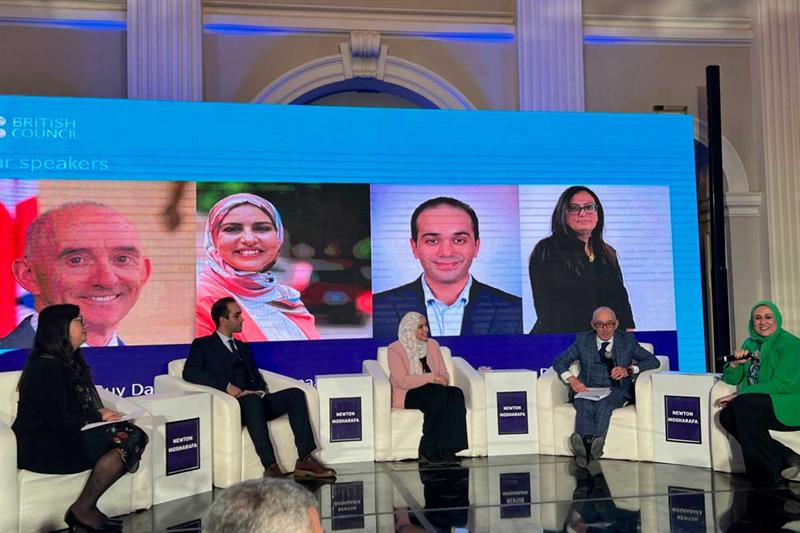
The ceremony started with speeches by the British Ambassador to Egypt Gareth Bayley, British Council Country Director Elizabeth White, and Deputy Minister of Higher Education and Scientific Research Yasser Refaat
It was followed by a panel discussion on the role of international collaboration in science and research.
The discussion involved professor Guy Daly, provost and senior vice-president of the British University in Egypt; Shaimaa Lazem, international collaboration programme manager at STDF; Dr Marco Zaki, lecturer of biochemistry and cell biology and founder of the NILE CAN research laboratory at Minia University; and Irene Gabriel, director of the Smart Engineering Systems Research Centre at Nile University.
At the ceremony, the British ambassador expressed his pride in celebrating the alumni from the joint British-Egyptian programme.
“These outstanding scientists are the leaders of tomorrow, and today’s event pays tribute to them and to the legacy of the Newton Mosharafa Fund, one of the largest science and innovation partnerships between Egypt and any country,” he said.
He went on to note that the alumni are working to make the world a better place everyday through their research into curing cancer, achieving food and water security and “making the earth a safer, healthier and more sustainable place to live in.”
During her speech, British Council Egypt Director Elizabeth White observed that the fund has supported her country’s long-term approach by “building the next generation of scientists”
“For seven years, we have worked with our partners to enable the exchange of learning and ideas between scientists in the UK and Egypt,” she added.
She concluded by saying that the British Council will remain committed to opening up access to science and research to support UK-Egypt priorities.
Funding Egypt’s long-term sustainable development
The fund is valued at £55 million over seven years; the cost is shared between the UK and Egyptian governments.
It focuses on five main areas identified by the Egyptian government as priorities for their long-term sustainable development: water management, renewable energy, food production, archaeological and cultural heritage and affordable and inclusive healthcare.
These priorities are closely related to Egypt’s Vision 2030 sustainable development strategy, as well as the UN’s Sustainable Development Goals (SDGs).
Since its launch in 2014, the Newton-Mosharafa Fund has provided 282 scholarships to Egyptian researchers to obtain a doctoral degree, in addition to funding 69 research partnerships between Egyptian and UK universities. Research related to health care had a significant share of it, amounting to about 69 percent of doctoral scholarships and about 22 percent of research partnerships.
Notable alumni
Some of the outstanding Newton-Mosharafa alumni who attended the ceremony include: Dr Marco Zaki, winner of the Newton Prize for his research on treating liver cancer, and Dr Irene Gabriel, who is a Newton Mosharafa grant holder. She lead a research team at Nile University together with Nottingham University to turn dried shrimp shells into thin films of biodegradable plastic that can be used to make eco-friendly grocery bags and packaging.
Shaimaa Lazem, who is an associate research professor at the City of Scientific Research and Technology Applications (SRTA-City), was awarded Newton-Mosharafa grants three times. Her work focuses on designing prototypes for technologies that serve the rural communities in Egypt. She is currently working with artificial intelligence (AI) start-ups in Africa as part of a Google Research for Inclusion and Google AI Awards.
Also in attendance was Yasser Shabana, who developed adaptation strategies to mitigate the impacts of climate change on wheat, maize and food production in Egypt.