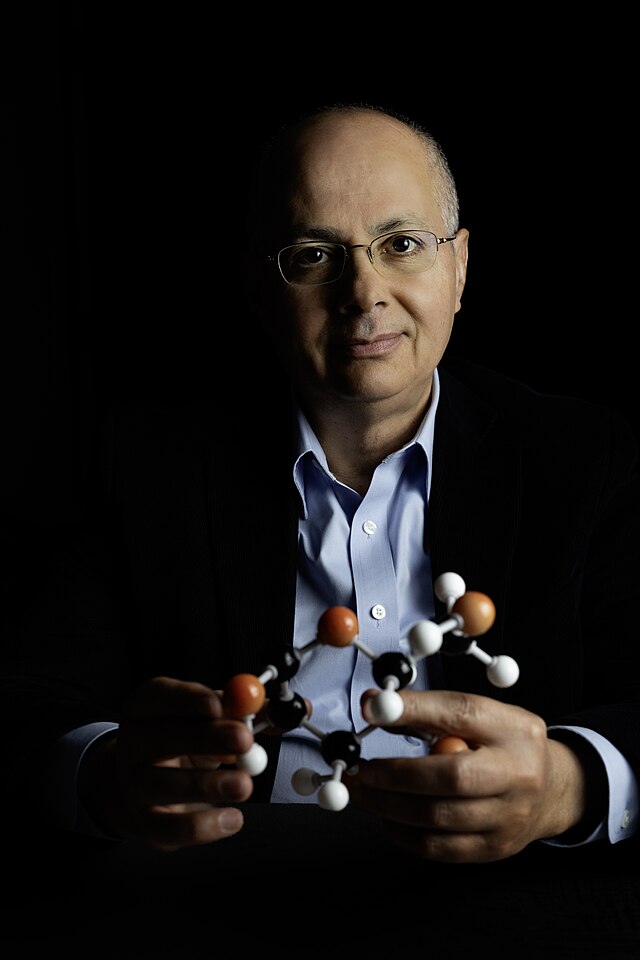
The SOMALI man Ahmed Ibrahim Awale who has a scorpion named after him

If you were going to have a creature named after you then a scorpion may not be your first choice, but Ahmed Ibrahim Awale believes the Pandinurus awalei will serve as an inspiration to budding Somali scientists.

The 66-year-old scientist from Somaliland has been honoured by the three researchers who discovered the new scorpion species in the region in recognition of his decades of work in conservation and environmental protection.

“Most of the species identified in Somalia and Somaliland are named after a place, a characteristic that a plant or animal may have or somebody from Europe or America,” he told the BBC in his lively voice on the line from his office in Hargeisa.

“But for many young people here, it will encourage them to know that this species is named after Awale – after all Awale is a Somali.” His pride in having this honour clearly shines through.

‘Large but not that lethal’

Since the 19th Century, researchers, mostly from Europe, have been exploring the rich ecology of the Somali region, but Mr Awale wants to add to the growing number of Somalis taking up zoology and botany.

The 15cm large-clawed scorpion that now carries his name was found in an arid landscape near Agabara village about 50km (30 miles) north of Hargeisa, the capital of the self-declared republic of Somaliland.

It is not as venomous as some of its smaller cousins as there is often an inverse relationship between the size of a scorpion’s claws and the power of its sting, Mr Awale explains.

But Pandinurus awalei is just one of 50 scorpion species that live in Somaliland, some of which are only found in the Somali region.

This fact gives a hint at its rich biodiversity. As well as a host of animal species, there are at least 3,000 species of plants that have been identified and more than 700 of them are endemic to the region – and that number is growing.

“Every year new discoveries are coming,” says Mr Awale, who himself found a new species of aloe in 2014.

“This articulates the message that all that is coming from Somaliland and the region is not that bleak. We always hear negative news and this marks a shift in the narrative that is different from the mainstream perception of piracy, extremism, famine and instability.”

True to his name – Awale means “the lucky one” in Somali – he made his own discovery by chance.

He was driving off-road “in the middle of nowhere” on one of his many field trips when he spotted huge clumps of more than 1,000 aloe plants.

“It was something I had never seen in my life,” he says and he went to investigate.

The plant was also a different colour to other aloes and though the local people knew it as dacar-cas (red aloe), they did not know how unusual it was.

After taking a sample and going through a lengthy research and verification process – which included searching the archive at London’s Royal Botanic Gardens and the East African Herbarium in Nairobi – it was proved last year that this was a new species. Mr Awale and his team of researchers named it Aloe sanguinalis (red aloe).

The discovery was the culmination of a lifetime’s passion that he partly puts down to where he grew up.

Born in 1954 in Adadlay, a village 95km east of Hargeisa, he lived near the Gaan Libah mountain, “which is one of the most beautiful places in Somaliland in terms of biodiversity”.

He came from a family of pastoralists, but his father, who ran a small shop in the village, paid for his education and in the end he studied agriculture and environmental science at the Somali National University in Mogadishu.

‘Extinction threat’

Mr Awale’s upbeat message about the biodiversity of Somaliland is tempered by a concern for its future.

Like everywhere else, species are under threat and some are dying out.

A combination of changes of land use for urban development, the clearing of forests for charcoal, the proliferation of invasive species and climate change are “pushing a number of species into extinction”.

For Mr Awale, this is not about prioritising the needs of the natural world over human need.

“Biodiversity is the web of life,” he says.

“We draw on that natural resource for our sustenance, for our medicine, our shelter. The richer the biodiversity, the richer our quality of life will be too.

“A declining biodiversity means that we are becoming poorer and that makes our survival problematic.

To push this message in Somaliland, in 1995 he helped set up Candlelight, an organisation aimed at creating a society that is aware of environmental concerns.

He has also written books and articles, and appears on the radio and TV to increase awareness about the issue.

Mr Awale says he has noticed some changes in government policy, but most importantly he has a growing number of young people engaged in the work.

Despite being recognised by having a scorpion named after him, the environmentalist knows that this is not his struggle alone.

“The Somalis have a proverb: ‘A single finger cannot wash a face.’

“In other words: It’s no use myself being prominent and well known, if I don’t have people supporting me.”

As for the lesson that the discovery of Pandinurus awalei teaches, he is convinced “that there are more species to be discovered… if the time and space allows there will be a lot of discoveries”

source/content: bbc.com/news (headline edited)

_____________
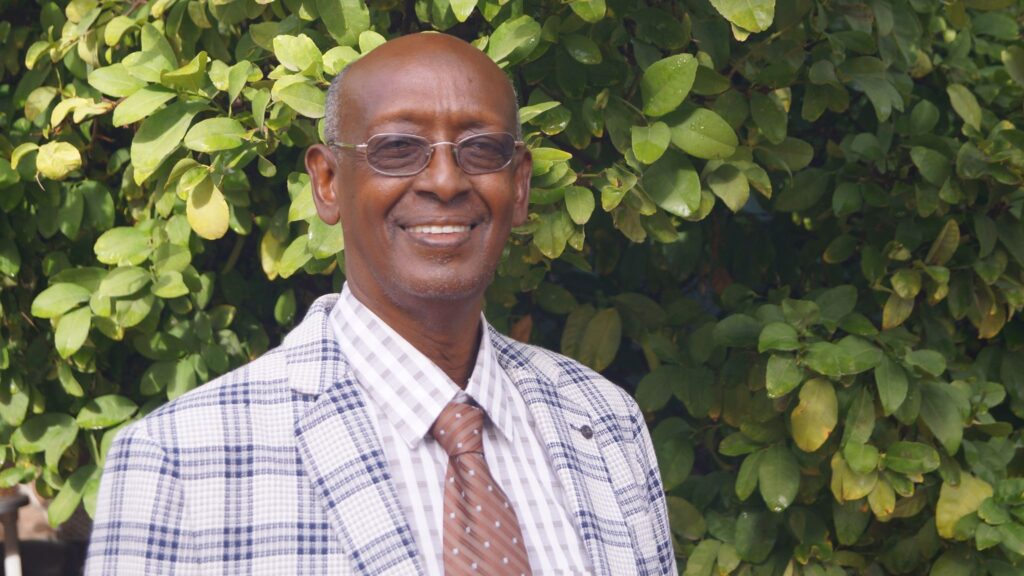
Ahmed Ibrahim Awale / Somaliland environmentalist

___________________________

SOMALIA / SOMALILAND
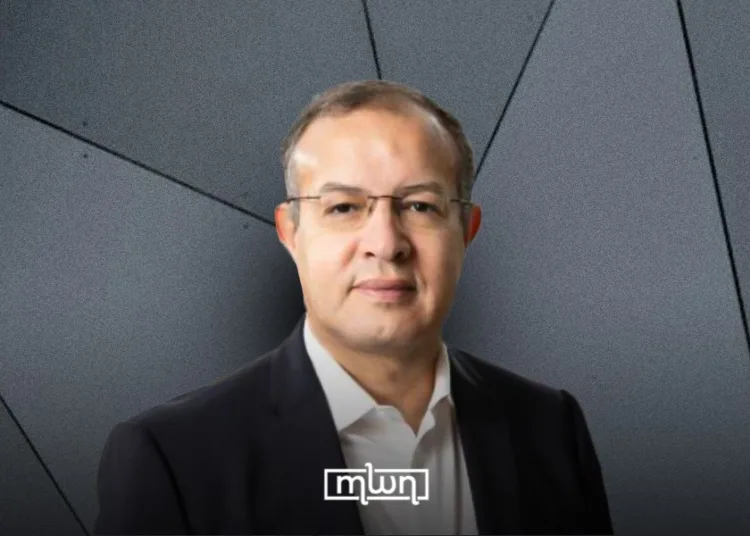
MOROCCAN AMERICAN Scientist Khalil Amine Elected to US Academy of Engineering

His team’s research benefits industries such as automotive, power grids, satellites, military, and healthcare.

Khalil Amine, a Moroccan materials scientist, has been elected to the National Academy of Engineering of the United States for his contributions to battery and energy storage technologies.

The recognition comes for his leadership in the field of materials science, specifically in the development of batteries and energy storage devices. 

Amine, who also serves as a professor at the University of Chicago, is among 128 members and 22 international members inducted into the NAE class of 2025.

“I am very delighted to be selected as a member of the National Academy of Engineering,” said Amine. “This is a recognition not only for me, but also for all my co-workers and collaborators around the world, as well as Argonne, which has provided an unmatched, state-of-the-art capability to do excellent work.”

Amine leads the Advanced Battery Technology team at Argonne, where his research focuses on the development of advanced chemistries, materials, and battery systems. His team’s work spans several industries, including automotive, power grids, satellites, military, and medical applications. 

A key focus of Amine’s research is the creation of new cathodes, anodes, solid-state electrolytes, and additives for lithium-ion batteries, as well as exploring “beyond-lithium” batteries that use alternative chemistries for energy storage.

Amine’s significant contributions to the field of battery technology have made him a leading figure in materials science. He holds more than 200 patents or patent applications in the field, and he was for 23 years the most cited scientist in battery technology globally. 

His accomplishments have earned him numerous accolades, including the prestigious Global Energy Prize in 2019. Amine is also a member of several prestigious scientific organizations, including the National Academy of Inventors, the European Academy of Sciences, and the Electrochemical Society, among others.

Born in Morocco, Amine earned degrees in chemistry and materials science from the University of Bordeaux. After his academic training, he joined Argonne in 1998, bringing with him experience gained from research positions in Belgium and Japan. 

His innovative work has played a pivotal role in advancing energy storage technologies that have far-reaching applications in today’s technological landscape.

The National Academy of Engineering, founded in 1964, provides independent analysis and advice on engineering matters, offering leadership and insight into complex global challenges. Amine, along with other members of the NAE class of 2025, will be formally inducted at the Academy’s annual meeting in October.

source/content: moroccoworldnews.com (headline edited)

______________

____________________________

AMERICAN / MOROCCAN

ARAB WOMEN IN ENGINEERING : Celebrating Women in Engineering in the Arab World

For National Arab American Heritage Month, SWE recognizes some of the Arab women engineers making their mark in the industry.

National Arab American Heritage Month was first recognized at the federal level in the U.S. in April 2021, though celebrations recognizing the Arab community and their contributions in the United States were observed in previous years. 

Here at the Society of Women Engineers, we are excited to celebrate some of the amazing Arab women engineers from around the world who are paving the way for others to pursue a future in STEM and thrive in their careers. 

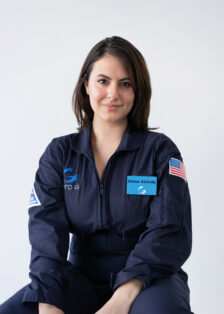
Diana Alsindy

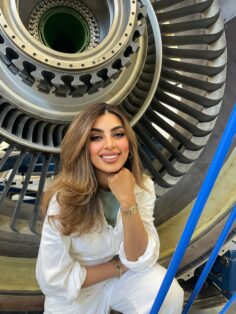
Diana Alsindy is a propulsion engineering manager at Blue Origin where she leads a team of engineers building the next rocket to the moon. She is also the founder of The Arabian Stargazer, a bilingual educational platform that promotes science and space in the Middle East and North Africa (MENA) region. Diana is an Iraqi refugee who fled the Iraq war in 2004 with her family and now calls Los Angeles home. She frequently hosts lectures and seminars with schools that do not have access to engineering resources and aspires to continue paving the way to space and advocate for others to look up. Diana earned a bachelor’s degree in chemical engineering with a focus in mechanical and aerospace engineering from University of California San Diego. Hear her speak as a panel member on From the Classroom to the Cosmos: How Educators Can Help Girls Succeed in Space available in the Advance Learning Center.

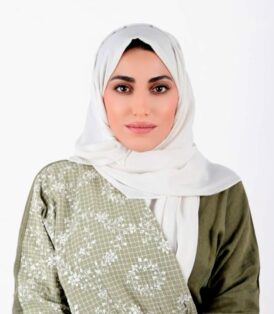
Alshaima Abduallah Alshayeb

Alshaima Abduallah Alshayeb is the founder and chairperson of the Saudi Women Engineers Society (SWES) and the first Saudi engineer specializing in structural engineering. She earned her bachelor’s and master’s degrees in civil engineering from the University of Technology Sydney and is the first engineer to hold a Certified Mostadam Accredited Professional license, a groundbreaking sustainable framework she led development on, which focuses on green building practices aligned with Saudi Arabia’s Vision 2030 goals. She is an advisor with the Saudi Association of Sustainability Professionals and founder of the Urban Heritage Association, presenting at World ESG Summit and Global Project Management Forum and promoting diversity and women in engineering. Under her leadership, SWES has forged partnerships with organizations such as Bechtel and Saudi Arabia Parsons Corporation to promote opportunities for Saudi women in engineering fields.   

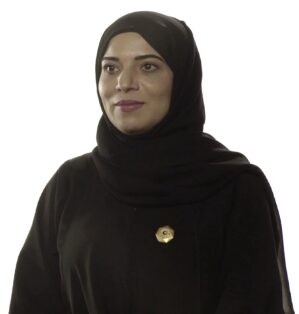
Dr. Habiba Alsafar

Dr. Habiba Alsafar is dean of the College of Medicine and Health Sciences and professor of genomics at Khalifa University, one of the United Arab Emirates top universities for STEM education. She earned a BS in biochemistry at San Diego State University, an MS in biomedical engineering from the University of Liverpool in the United Kingdom, and Ph.D. in medical and forensics science from the University of Western Australia. She is credited with establishing the Emirates Family Registry — the first study of its kind in the Middle East — which was instrumental in discovering diabetes risk factors unique to the area’s Bedouin population. She is the recipient of the UAE’s First Honor Model award and the International L’Oréal-UNESCO Fellowship for Women in Science, as well as the International L’Oréal-UNESCO Rising Talents award in recognition of her trailblazing work in genetics.

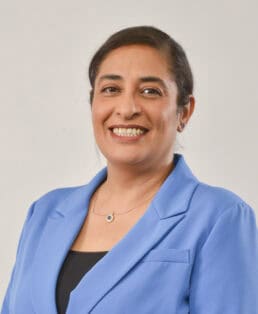
Dr. Chiraz Ennaceur

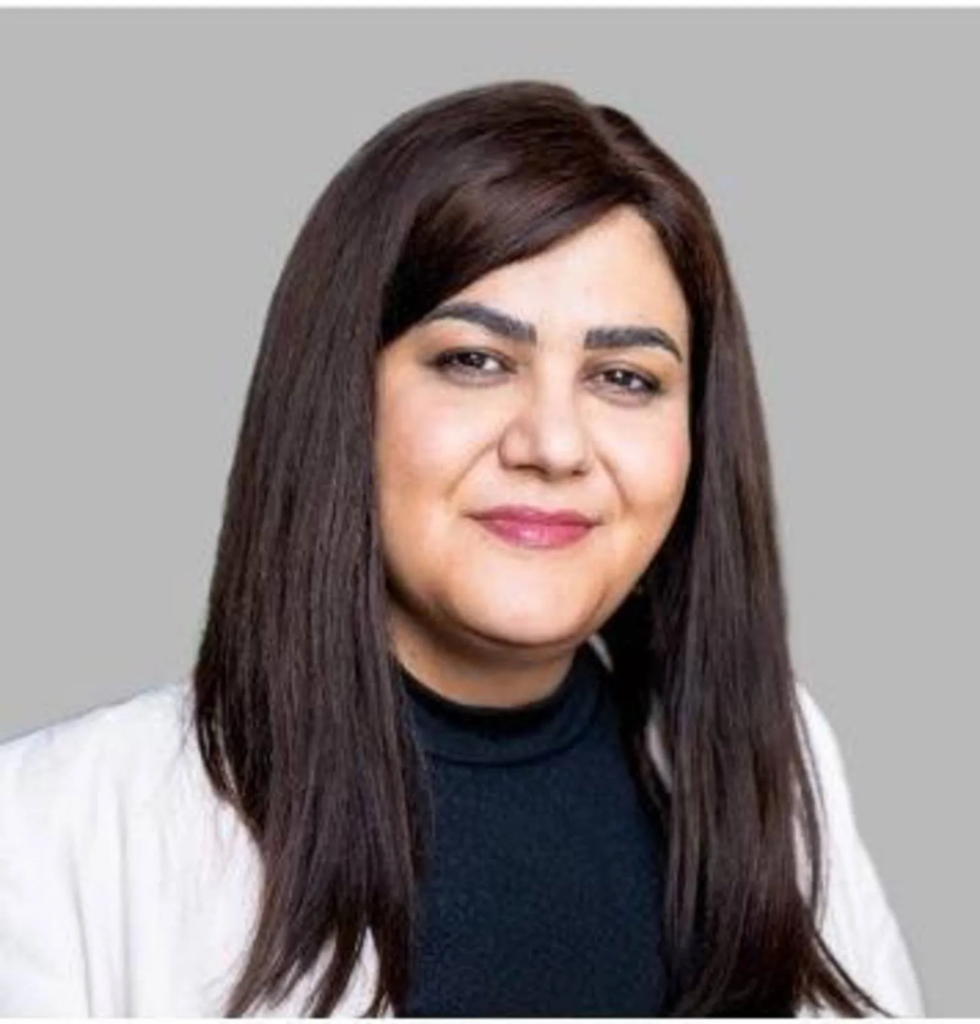
Dr. Chiraz Ennaceur is the CEO and co-founder of Cambridge-headquartered CorrosionRADAR Ltd, a technology startup in the predictive corrosion monitoring and assets management space. The organization has received recognition for its groundbreaking Predictive Corrosion Under Insulation Monitoring System, and Dr. Ennaceur received the 2024 Women in Excellence Achievement Award from the International Maintenance, Reliability, and Asset Management conference (MAINTCON) in recognition of her outstanding contributions and leadership in her field. Born in Tunisia, Dr. Ennaceur completed her schooling there, earning a civil engineering degree at Ecole National d’Ingénieurs de Gabès (National Engineering School of Gabes), where she was only one of two girls in a class of 20 students, and then a Ph.D. in mechanical engineering at the University of Technology of Compiègne in France.  

Marwa Al Mamari

The first aerospace engineer in the history of the United Arab Emirates, Marwa Al Mamari is pursuing a Ph.D. studying artificial intelligence in aviation at Coventry University, where she also earned a Master of Science in aviation safety and a Bachelor of Applied Science in aerospace engineering. She has previously worked with the UAE General Civil Aviation Authority, specializing in accident prevention and safety recommendations. This mother of two is also an adjunct lecturer in engineering at New York University Abu Dhabi. In 2024, she was honored as an Emirati Woman Achiever, an award recognizing visionary Emirati women leading entrepreneurship and innovation in the UAE. She has spoken at TEDx and other events globally on changing the narratives, the power of STEM, and women’s empowerment in shaping the future. 

Dr. Raida Al-Alawi

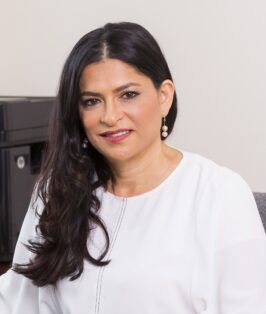
As the president of the Bahrain Society of Engineers, Dr. Raida Al-Alawi is the first woman to lead the organization in its 50+ year history and the first Bahraini woman to earn a Ph.D. in engineering. Her professional experience includes serving as dean of Student Affairs at Manama’s Ahlia University, and as associate professor in the department of electrical and electronics engineering at the University of Bahrain, where she also chaired the department of computer engineering. Dr. Al-Alawi is a Fellow of both the Institution of Engineering and Technology and the Academy of Engineering and Technology of the Developing World, and senior member of the Institute of Electrical and Electronics Engineers and the International Association of Engineers. She holds a Ph.D. in Computational Intelligence from Brunel University London, an MSc in Computer Engineering from King’s College London, and a BSc in Electrical Engineering from Kuwait University.

source/content: alltogether.swe.org (headline edited)

_____________

_________

ARAB

LEBANESE Prof. Niveen Khashab Wins Great Arab Minds Award in Natural Sciences

Lebanese Professor Niveen Mohammad Ali Khashab won the Great Arab Minds Award-2023 in Natural Sciences, for her contributions in chemistry, bioengineering and biology.

Her research interests focus on applications of programmable, intelligent, engineered nanomaterials and their uses for medical, pharmaceutical, industrial and environmental purposes. Sheikh Mohammed bin Rashid Al Maktoum, vice president, prime minister and ruler of Dubai, said that scientific and cognitive curiosity has been the base of nations’ cultural development throughout history.

The winning announcement was made by Sheikh Mohammed bin Rashid Al Maktoum. Prof. Niveen Khashab is associate dean of Physical Sciences and Engineering Division and Professor of Chemistry at KAUST – Kingdom of Saudi Arabia, given her pioneering contributions in the field of natural sciences and her research in Arab universities.

“Today we announce the winner of the Arab Minds Award in natural sciences, Professor Nevin Khashab, a researcher and academic who inspires a new generation of young scientists in the Arab world and transforms research into advanced innovations in medicine, advanced industries, nanotechnology and sustainable agriculture,” said the Ruler of Dubai.

“Scientific achievement is the basis of civilizational development. We want to preserve scientists, empower them, honor them, celebrate their achievements and provide them with the space they need to transform their ideas and research into reality. Resuming the region’s contribution to human civilization is a comprehensive project and a strategic commitment that focuses on the Arab citizen capable of achievement, creativity and excellence in science and knowledge,” he added.

Khashab is exploring the new opportunities that nano capsules and devices can provide in drugs, gene therapies, medical diagnosis and industries, given their sturdiness, durability and superior thermal resistance.

Khashab is currently experimenting with carbon nanotubes characterized with their exceptional rigidity and strength, as well as electronic properties. She is also testing applications of carbon tubes in smart membranes. Khashab also collaborated on designing smart materials used in biomedical systems based on molecule assemblies at the nanoscale using non-covalent interactions.

The applications of the scientific innovations and smart materials developed by Khashab are diverse, including medical in the fields of sensing and drug, therapeutic and surgical delivery; industrial as in nanocomposites and others; and environmental in sustainable agriculture solutions and platforms.

Mohammad Al Gergawi, chairman of the Committee leading Great Arab Minds, congratulated Khashab on the phone, hailing her contributions in natural sciences and its pioneering research that opened new horizons in the uses of ultra-fine nanomaterials for medical and pharmaceutical purposes and advanced technology applications.

The initiative aims to promote the reverse migration of Arab minds and keep them in the Arab world by celebrating, honoring and highlighting their achievements.

The competition received thousands of nominations in its six categories: engineering and technology, medicine, economics, literature and natural sciences, arts, architecture, and design.

The Great Arab Minds Awards’ winners announced so far are: Dr. Hani Negm from Saudi Arabia in Medicine, Professor Fadel Adib from Lebanon in Engineering and Technology, Dr. Muhammad el-Erian in economics, and Professor Niveen Khashab in natural sciences. The winners in the two remaining categories will be announced later.

source/content: english.aawsat.com / Alsharq Al-Awsat (headline edited)

____________

Lebanese Prof. Niveen Mohammad Ali Khashab. (Asharq Al-Awsat)

______________

LEBANON

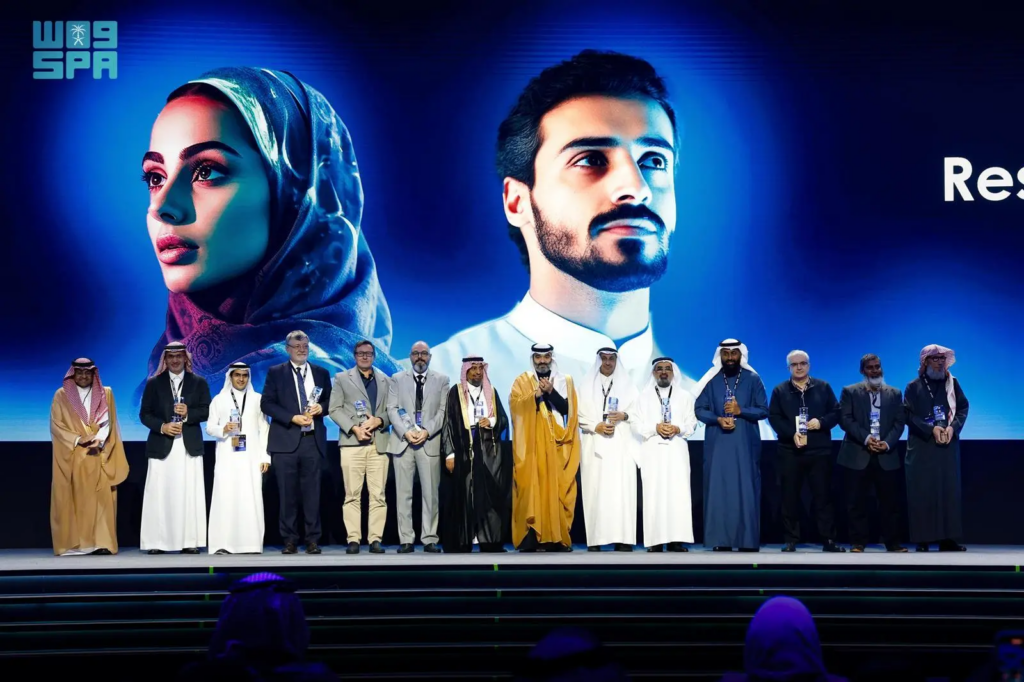
SAUDI ARABIA : Minister of Communications Honors Scientists and Innovators at LEAP25 as Innovation Authority Launches National Initiatives for Future Economies

Minister of Communications and Information Technology Abdullah Alswaha honored 12 scientists and innovators with the Research Excellence Award in Future Economies, recognizing outstanding research and innovation efforts aligned with national priorities.

The honorees included Professor Carlos Duarte, Professor Mohamed-Slim Alouini, Professor Ghulam Muhammad, Professor Tareq Al-Naffouri, Professor Bernard Ghanem, Professor Abdullah Abusorrah, Professor Osman Bakr, Professor Saleh Alshebeili, Professor Obaid Al-Saqqaf, Professor Ahmed Al-Qarni, Professor Donal Bradley, and Professor Khalid Al-Mashouq.


During the Innovation in Future Economies event, held alongside the LEAP25 conference in Riyadh, the Research, Development, and Innovation Authority announced the launch of several national initiatives aimed at advancing research and innovation in key economic sectors. These initiatives focus on unifying efforts in future economies and enabling the Kingdom to shape a prosperous economic future.
Among the announced initiatives is the development of a general, reliable, and human-centric artificial intelligence by 2050, the creation of a scalable and fault-tolerant quantum computer by 2045, and the establishment of five knowledge cities in Saudi Arabia by 2040, moving beyond traditional smart city concepts.


Additionally, the authority announced the establishment of the first private-sector Center of Excellence in Artificial Intelligence and Data Analysis for health research and development. This initiative, launched in collaboration with Fakih Group, involves an investment of SAR 100 million and aims to position the Kingdom as a global hub for AI-driven healthcare innovation. By strengthening partnerships between academic institutions and the industrial sector, the initiative seeks to accelerate research breakthroughs and maximize their impact.


The Future Economies Innovation event also featured an announcement by the National Semiconductor Hub, unveiling plans for a design center and manufacturing facility for semiconductors in Saudi Arabia. This initiative includes the participation of 10 specialized companies in electronic chip design and a strategic partnership with RCM to develop the first Saudi-designed electronic chip for both local and global markets.


These initiatives, launched by the Research, Development, and Innovation Authority, reflect Saudi Arabia’s commitment to fostering an innovative ecosystem that supports the growth of a knowledge-based economy. By investing in emerging economic fields, the Kingdom continues to strengthen its international position in line with its ambitious national targets for vital sectors.

source/content: spa.gov.sa (headline edited)

_____________

_________________

SAUDI ARABIA

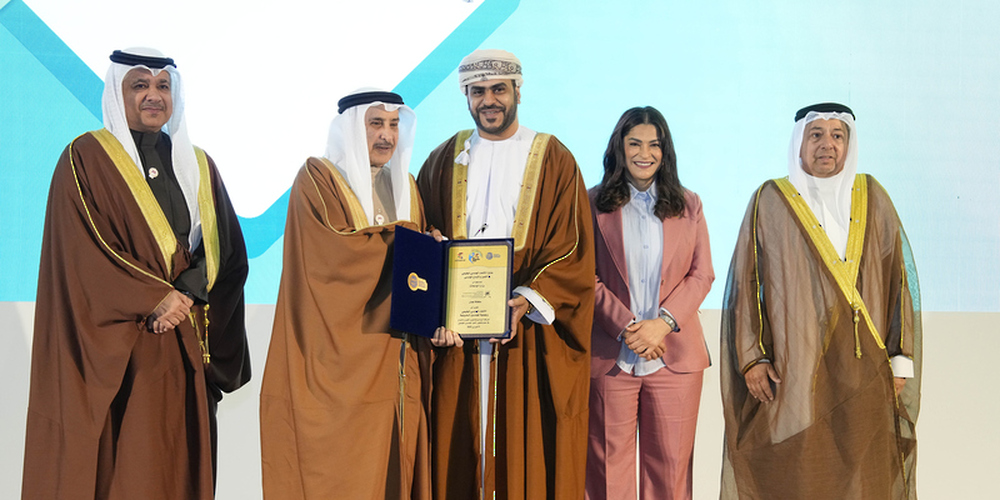
OMAN Wins “Excellence, Innovation Award” at 26th Gulf Engineering Forum, Bahrain

The Sultanate of Oman won the 26th Gulf Engineering Forum’s “Excellence and Innovation Award” through a project titled “Combined Combustion Truck for Carbon Reduction”.

The forum is being held in the Kingdom of Bahrain until 13 February 2025, under the theme “Challenges of Energy Conversion”. Oman is represented at the forum by the Ministry of Transport, Communications and Information Technology.

The project that won the award aims to reduce carbon emissions and promote sustainable mobility. Through this project, Blue Ice Oman is developing a combined combustion engine for trucks, using a blend of hydrogen and diesel. This contributes to 50 percent reduction of emissions. The initiative is in line with Oman’s Zero Neutrality Strategy 2050 to achieve zero emissions.

The 26th Gulf Engineering Forum brings together an elite group of experts specialized in the fields of environment conservation, energy and industry. The forum elaborates on engineering issues related to energy transformation and the challenges posed to this specialty. It seeks to reach the best innovative solutions, technologies and modern designs to address these challenges.

A number of dialogue sessions and workshops will be held during the three days of the forum. The activities will see the participation of a group of engineers, researchers and academics, who will exchange visions on energy transformation, renewable energy, decarbonization, technologies and innovations for devising a clean energy policy.

source/content: omannews.gov.om (headline edited)

__________

_________

OMAN

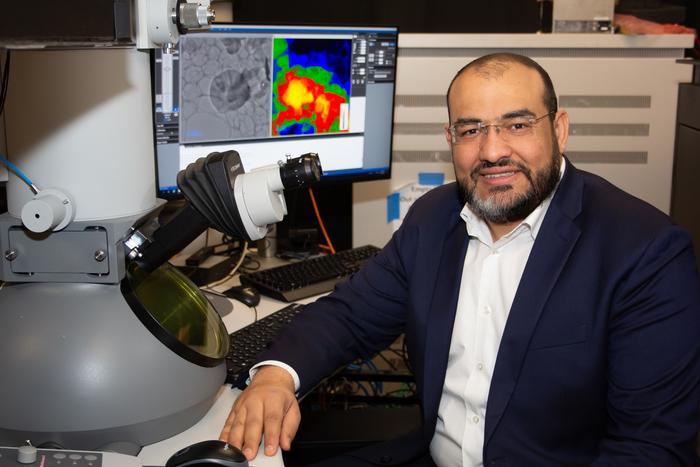
EGYPTIAN-AMERICAN : Freeze-frame: U of A researchers led by Physicist Prof. Mohammed Hassan develop World’s Fastest Microscope that can see electrons in motion

Imagine owning a camera so powerful it can take freeze-frame photographs of a moving electron – an object traveling so fast it could circle the Earth many times in a matter of a second. Researchers at the University of Arizona have developed the world’s fastest electron microscope that can do just that.

They believe their work will lead to groundbreaking advancements in physics, chemistry, bioengineering, materials sciences and more.

“When you get the latest version of a smartphone, it comes with a better camera,” said Mohammed Hassan, associate professor of physics and optical sciences. “This transmission electron microscope is like a very powerful camera in the latest version of smart phones; it allows us to take pictures of things we were not able to see before – like electrons. With this microscope, we hope the scientific community can understand the quantum physics behind how an electron behaves and how an electron moves.”

Hassan led a team of researchers in the departments of physics and optical sciences that published the research article “Attosecond electron microscopy and diffraction” in the Science Advances journal. Hassan worked alongside Nikolay Golubev, assistant professor of physics; Dandan Hui, co-lead author and former research associate in optics and physics who now works at the Xi’an Institute of Optics and Precision Mechanics, Chinese Academy of Sciences; Husain Alqattan, co-lead author, U of A alumnus and assistant professor of physics at Kuwait University; and Mohamed Sennary, a graduate student studying optics and physics.

A transmission electron microscope is a tool used by scientists and researchers to magnify objects up to millions of times their actual size in order to see details too small for a traditional light microscope to detect. Instead of using visible light, a transmission electron microscope directs beams of electrons through whatever sample is being studied. The interaction between the electrons and the sample is captured by lenses and detected by a camera sensor in order to generate detailed images of the sample.

Ultrafast electron microscopes using these principles were first developed in the 2000’s and use a laser to generate pulsed beams of electrons. This technique greatly increases a microscope’s temporal resolution – its ability to measure and observe changes in a sample over time. In these ultrafast microscopes, instead of relying on the speed of a camera’s shutter to dictate image quality, the resolution of a transmission electron microscope is determined by the duration of electron pulses.

The faster the pulse, the better the image.

Ultrafast electron microscopes previously operated by emitting a train of electron pulses at speeds of a few attoseconds. An attosecond is one quintillionth of a second. Pulses at these speeds create a series of images, like frames in a movie – but scientists were still missing the reactions and changes in an electron that takes place in between those frames as it evolves in real time. In order to see an electron frozen in place, U of A researchers, for the first time, generated a single attosecond electron pulse, which is as fast as electrons moves, thereby enhancing the microscope’s temporal resolution, like a high-speed camera capturing movements that would otherwise be invisible.

Hassan and his colleagues based their work on the Nobel Prize-winning accomplishments of Pierre Agostini, Ferenc Krausz and Anne L’Huilliere, who won the Novel Prize in Physics in 2023 after generating the first extreme ultraviolet radiation pulse so short it could be measured in attoseconds.

Using that work as a steppingstone, U of A researchers developed a microscope in which a powerful laser is split and converted into two parts – a very fast electron pulse and two ultra-short light pulses. The first light pulse, known as the pump pulse, feeds energy into a sample and causes electrons to move or undergo other rapid changes. The second light pulse, also called the “optical gating pulse” acts like a gate by creating a brief window of time in which the gated, single attosecond electron pulse is generated. The speed of the gating pulse therefore dictates the resolution of the image. By carefully synchronizing the two pulses, researchers control when the electron pulses probe the sample to observe ultrafast processes at the atomic level.

“The improvement of the temporal resolution inside of electron microscopes has been long anticipated and the focus of many research groups – because we all want to see the electron motion,” Hassan said. “These movements happen in attoseconds. But now, for the first time, we are able to attain attosecond temporal resolution with our electron transmission microscope – and we coined it ‘attomicroscopy.’ For the first time, we can see pieces of the electron in motion.”

source/content: eurekaalert.org / University of Arizona / (headline edited)

_________

Mohammed Hassan, associate professor of physics and optical sciences, let a group of researchers in developing the first transmission electron microscope powerful enough to capture images of electrons in motion.

___________________________

AMERICAN / EGYPTIAN

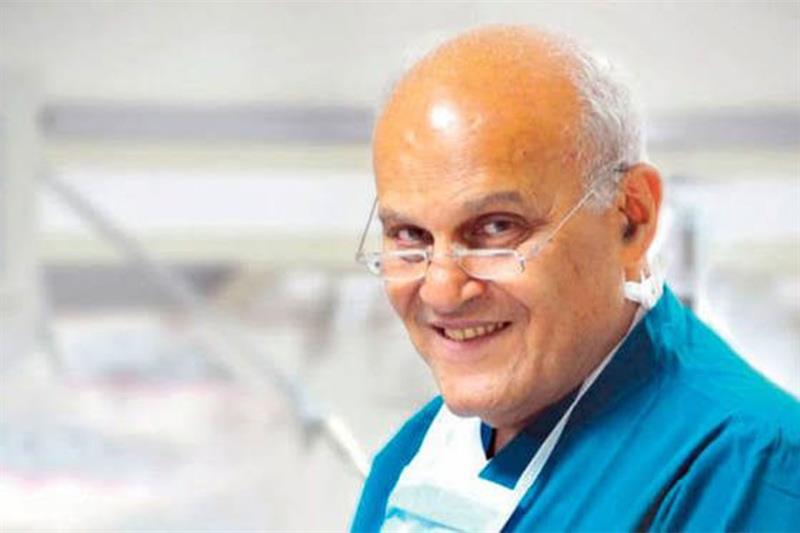
EGYPTIAN-BRITISH : Making history again! Egyptian heart surgeon Sir Magdi Yacoub innovates valves that grow naturally in body

Making history again! Egyptian heart surgeon Sir Magdi Yacoub innovates valves that grow naturally in body.

This pioneering innovation envisions the development of biological heart valves that can grow and be accommodated naturally within the human body. This opens the door to a new era in heart disease treatment. 

The prospect of heart valves naturally expanding within the body, a concept once confined to science fiction, is now on the brink of realization, thanks to the remarkable discovery spearheaded by renowned heart surgeon Professor Sir Magdi Yacoub.

While the initial study documenting this breakthrough was unveiled in Nature in 2023, recent media coverage has underscored its practical implications.

Esteemed publications like The Times have pinpointed this cutting-edge innovation’s profound impact on biomedical science and medical engineering. They have recognized it as a monumental leap in the realm of healthcare.

On Monday, Dr. Yacoub discussed the latest developments in this field with Egyptian talk show host Amr Adib.

He explained how his team has engineered temporary heart valve scaffolds composed of surgically implanted fibres into the body.

These scaffolds gradually disintegrate over time, leaving behind a living, fully functional valve crafted from the patient’s tissues, a testament to the marvels of modern medical ingenuity.

source/content: english.ahram.org.eg (headline edited)

______________

Sir Magdi Yacoub

_____________________________

EGYPT / UNITED KINGDOM

MOROCCO : Introducing ‘Nabatlé’, Morocco’s First Locally Crafted Plant-Based Milk

Crafted by COPAG-Jaouda, this plant-based milk skips the gluten, lactose, preservatives, and added sugars, keeping things simple and natural.

For Moroccans looking to swap traditional dairy for a local plant-based option, the wait is over! 

COPAG-Jaouda, a household name in the country’s dairy industry, has introduced “Nabatlé”, Morocco’s first entirely homegrown plant-based milk. 

More than just a substitute, “Nabatlé” is set to revolutionize the country’s approach to food innovation.

It also answers a growing demand for healthier, natural choices while proving that local expertise can keep pace with evolving consumer palates. 

Plant-based milk for everyone

As more Moroccans explore healthier alternatives, COPAG-Jaouda is making sure “Nabatlé” is not just an option but an accessible and affordable choice.

This plant-based milk skips the gluten, lactose, preservatives, and added sugars, keeping things simple and natural. 

The cooperative says it delivers healthy fats, essential vitamins, and minerals while staying low in calories. 

Whether vegan, vegetarian, or just curious, consumers can choose from three different varieties to suit their taste: 

Almond: Naturally sugar-free with a light, smooth taste and no cholesterol.

Oat: Rich in fiber, minerals, and plant-based proteins.

Coconut: Creamy with a mild exotic flavor, offering a source of calcium and vitamins A and D3.

To set the record straight on plant-based milk, which is new territory for some Moroccans, COPAG-Jaouda is rolling out an awareness campaign to showcase the milk’s nutritional perks and discover how versatile and beneficial they can be.  

But “Nabatlé” is not just a dairy alternative. The company sees it as a symbol of Morocco’s ambition to create top-tier, competitive products that also care for the planet, all while staying eco-conscious.

What began in 1987 with 39 agricultural producers has grown into COPAG, Morocco’s largest cooperative. 

Now, with over 12,000 employees and support for 24,000 farmers, COPAG continues to shape the agricultural landscape, spanning citrus, fresh produce, dairy, and meat industries.

source/content: moroccoworldnews.com (headline edited)

___________

______________

MOROCCO

JORDANIAN Academic Omar Yaghi wins ‘2024 Arab Genius Minds Award’

 Jordanian academic Omar Yaghi, a chemistry professor at the University of California, Berkeley, has been awarded the 2024 Arab Genius Minds Award in the Natural Sciences category for his pioneering work in reticular chemistry.

Yaghi is celebrated for his transformative innovations in designing and synthesising metal-organic frameworks (MOFs) and covalent organic frameworks (COFs), the Jordan News Agency, Petra, reported. 

These frameworks address critical global challenges in energy storage, water harvesting, and environmental sustainability.

His research portfolio includes over 300 peer-reviewed papers, which have collectively garnered more than 250,000 citations, underscoring the “far-reaching” impact of his work.

Since 2012, Yaghi has held the James and Neeltje Tretter Chair in Chemistry at UC Berkeley. 

His contributions to reticular chemistry have “revolutionised” the ability to assemble molecular building blocks into highly porous structures with applications in gas storage, catalysis, and drug delivery, among others, yielding significant economic and environmental advancements.

The Arab Genius Minds Award, launched by Sheikh Mohammed Bin Rashid Al Maktoum, Vice President and Prime Minister of the UAE and Ruler of Dubai, honours achievements by Arab scientists and innovators across six key categories essential for the region’s developmental and cultural progress.

source/content: jordantimes.com (headline edited)

__________

pix: source: wikipedia

_________

JORDAN