Arabs & Arabian Records Aggregator. Chronicler. Milestones of the 25 Countries of the Arabic Speaking World (official / co-official). AGCC. MENA. Global. Ist's to Top 10's. Records. Read & Enjoy./ www.arabianrecords.org
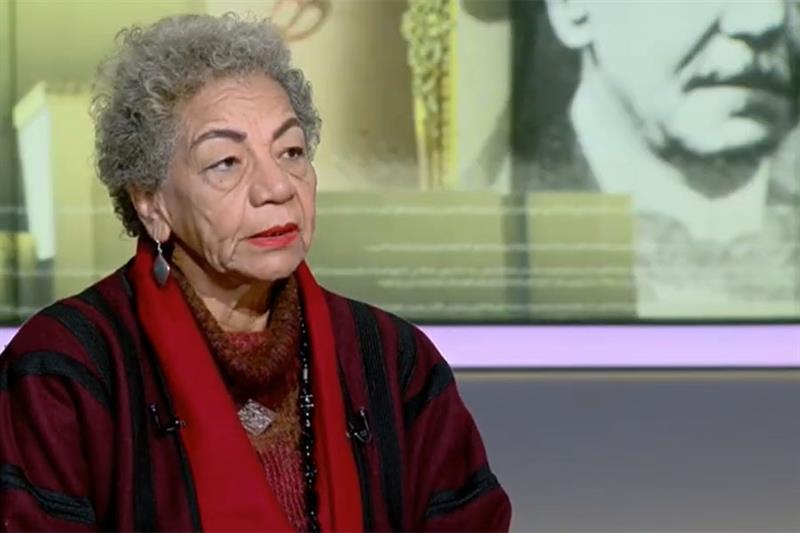
“Festivities and celebrations affiliated with the Journey of the Holy Family in Egypt are now on UNESCO’s Representative List of Intangible Cultural Heritage of Humanity,” professor Nahla Imam, heritage consultant at the Egyptian Ministry of Culture and country representative of Egypt at the 2003 Convention of Safeguarding the Intangible Heritage of UNESCO, told Ahram Online on Wednesday.
Imam credited the move to the efforts of the Egyptian ministries of culture and foreign affairs, adding that Egypt’s efforts were almost unanimously supported by UNESCO’s Inter-Governmental Committee.
This is the seventh intangible cultural heritage element that Egypt enlists in UNESCO. Prior to the Journey of the Holy Family, the Egyptian manual-textile industry in Upper Egypt was put on the UNESCO List of Intangible Cultural Heritage Sites in Need of Urgent Preservation.
Egypt first enlisted El-Sirah El-Helalya (The Epic of Beni Helal) in 2008, Tahteeb(Stick Art) in 2016, the Aragouz Puppet in 2018, and the knowledge and traditions affiliated with palm trees in 2019.
According to the accounts of historians, the Holy Family spent around four years in Egypt.
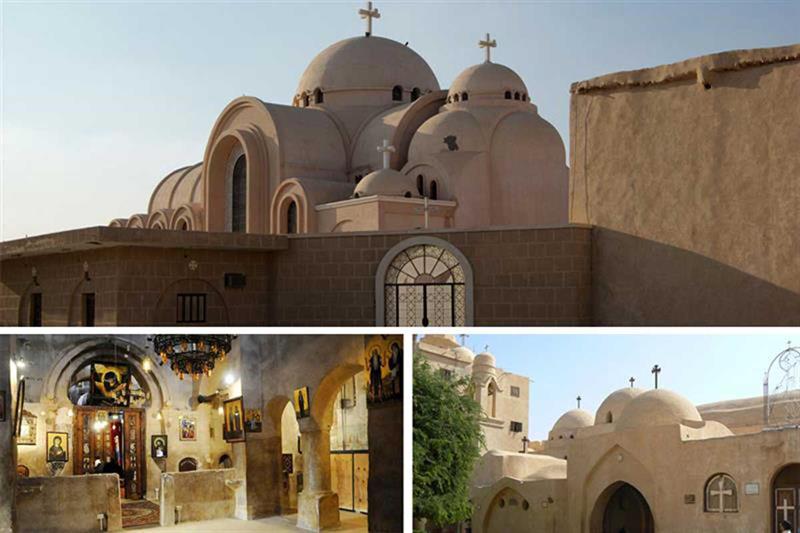
Their trip started in the Sinai at Al-Farma, on the border with Gaza, where they arrived after fleeing Jerusalem. Their trip ended in Durnaka, Assiut, venue of the famous Monastery where the feast of Virgin Mary is celebrated in August each year.
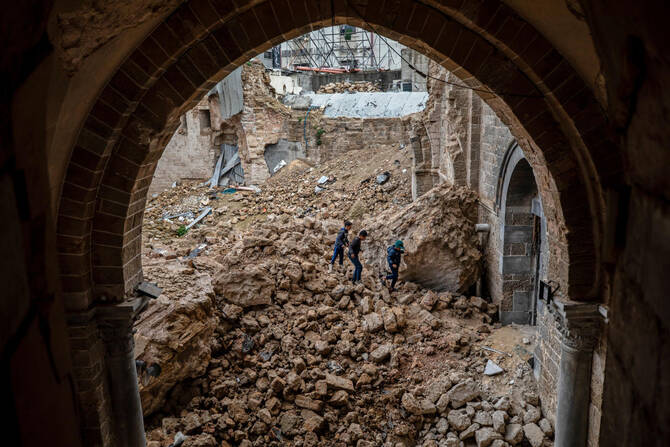
Great Omari Mosque in Gaza being hit by Israeli strikes in the two-year war muffled by an uncertain ceasefire
With major military operations halted, Palestinians are gaining a clearer picture of the destruction
Muneer Elbaz remembers the joy of visiting the Great Omari Mosque in Gaza with his family, praying at a site where people have worshipped over centuries as empires came and went.
Today, much of the mosque stands in ruins – like most of Gaza – after being hit by Israeli strikes in the two-year war muffled by an uncertain ceasefire. The sight of the rubble brings to mind “a tree that had been uprooted from the land,” said Elbaz, a Palestinian heritage consultant involved with recovery work at the site.
Israel’s military offensive killed over 72,000 Palestinians, according to Gaza’s Health Ministry, and erased entire extended families.
Gone too is some of the heritage of a land with a rich history going back to ancient times. The mosque was built on a site where a Byzantine church had stood, and changed hands and even religions as one invader followed another.
With major military operations halted, Palestinians are gaining a clearer picture of the destruction. Some organizations are trying to save what they can at historical sites, even as full-scale restoration – and the broader reconstruction of the territory – face major obstacles.
Dozens of sites were damaged
Israel launched its offensive after Hamas-led militants killed some 1,200 people, mostly civilians, and took another 251 hostage in the Oct. 7, 2023, attack. The military accuses Hamas of concealing military assets beneath or near heritage sites, as well as other civilian structures.
The UN cultural agency, in an ongoing assessment based on satellite images, says it has verified damage to at least 150 sites since the start of the war. They include 14 religious sites, 115 buildings of historical or artistic interest, nine monuments and eight archaeological sites.
They are fragments of Gaza’s soul, connecting Palestinians to a place and a history that many fear is at risk of being erased.
“These sites were an important element that solidifies the presence of the Palestinian people on this land and that represents the continuity of their cultural identity,” said Issam Juha, co-director of the Center for Cultural Heritage Preservation, based in the Israeli-occupied West Bank.
“They want to erase the Palestinian identity and Palestinian heritage and … to remove any connection that keeps the Palestinian society clinging to this land,” he said.
The center is doing urgent rescue work at the badly damaged Pasha Palace, which housed centuries-old artifacts, many of which appear to have been looted, Juha said. Among the missing items are an Ottoman-era Qur’anic manuscript, jewelry from the medieval Mamluk era and a Roman-era sarcophagus from which only some fragments have been recovered, according to Hamouda Al-Dohdar, an expert working at the site.
The Israeli military said it struck “a Hamas military compound and an anti-tank missile array” at the site. It said its forces struck a “terror tunnel” at the Omari mosque. It did not provide evidence in either case.
Amir Abu Al-Omrain, an official with Gaza’s endowments ministry, part of the Hamas-run government, denied the allegation about the mosque.
UNESCO does not have a mandate to assign responsibility for the damage it assesses.
An independent commission established by the UN’s Human Rights Council said it was not aware of any evidence of a tunnel shaft in the mosque. Noting the Israeli allegations about the mosque, it said that even the presence of a “legitimate military objective … would not have justified the resulting damage.” Israel has previously accused the commission of bias.
The centuries-old Saint Porphyrius Orthodox church complex, which had been sheltering displaced Palestinians, was also hit in an Israeli attack early in the war, causing deaths and injuries. The military said it had targeted a nearby Hamas command center. UNESCO said the church complex was moderately damaged.
Some of Gaza’s heritage sites appear to have been spared. UNESCO said it has found no evidence of damage at the Saint Hilarion Monastery, dating to the 4th century.
Under international law, cultural property should not be targeted or used for military purposes.
The Israeli military says it takes the sensitivity of cultural and religious sites into account, aims to minimize damage to civilian infrastructure and adheres to international law.
A rich history
Artifacts and accounts stretching back thousands of years testify to Gaza’s long history of commerce and conflict. Egypt’s pharaohs sent chariots through the low-lying coastal strip in their wars with the Hittites in modern-day Turkiye. Traders in Gaza did brisk business with the ancient Greeks.
The Omari mosque, named for Islam’s second caliph, was initially built in the seventh century. Centuries later, the Crusaders converted it into a cathedral, and it went back to being a mosque after they were expelled, said Stephennie Mulder, associate professor of Islamic art at the University of Texas at Austin.
The mosque was damaged during World War I, when the British shelled Gaza in their campaign against the Ottoman Turks, and was later rebuilt.
“The building itself told the story of Gaza’s past as a crossroads of trade, armies, empires, and religious traditions,” said Mulder. “For many Gazans, the Omari mosque stood as a beloved symbol of multiplicity, resilience and persistence.”
More than stones
Mohammad Shareef, 62, remembers attending prayers at the mosque with his father when he was a child, and studying for exams in its quiet confines. Years later, he would bring his own children there. He wept when it was hit.
“We were raised in it and around it, and there’s no stone here that we haven’t stepped on,” he said. “For the people of Gaza, this is their history.”
The loss will feel particularly acute during the Muslim holy month of Ramadan, which begins later this month. Before the war, thousands converged on the mosque for Ramadan prayers amid a festive atmosphere. This year, a large tented structure has been erected.
In recent days, workers have been filling wheelbarrows in the shadow of a damaged minaret.
Hosni Almazloum, an engineer working at the site, said the mosque’s prayer hall ceiling had collapsed and columns had crumbled. He said it could be rebuilt, if construction supplies are allowed in. For now, teams have been focused on recovery and preventing further damage, sifting through and storing stones.
The US-brokered ceasefire agreement, which halted most of the fighting in October, gives no timeline for Gaza’s reconstruction, which may prove impossible if Israel maintains the blockade it imposed on the territory when Hamas seized power in 2007, after the militant group won Palestinian elections in 2006.
Many historic sites suffered from neglect before the war. The blockade and previous Israel-Hamas wars, along with a lack of resources and urban sprawl, posed challenges. Hamas-run authorities have leveled parts of what archaeologists believe was a Bronze Age settlement to make way for construction projects.
Elbaz says that before the ceasefire, grief was a luxury he couldn’t afford – his family was just trying to survive.
“What would you begin to cry over?” he asked. “The historic mosques or your home or your history or your children’s schools or the streets?”
Now, as he processes the war’s toll, he sometimes weeps, away from the eyes of his children.
“Gaza is our mother,” he said. “We have memories everywhere – in this tree, this flower, this garden and this mosque. Yes, we cry over every part of Gaza.”
source/content: arabnews.com (headline edited)
______________
Palestinian children walk through rubble at the Great Omari Mosque in Gaza City on Feb. 12, 2025. With major military operations halted, Palestinians are gaining a clearer picture of the destruction in Gaza. (AP)
The internationally acclaimed Damascene painter Sara Shamma will represent Syria at the 61st International Art Exhibition – La Biennale di Venezia, which scheduled to run from May 9 through November 22, 2026.
This year’s pavilion titled ‘The Tower Tomb of Palmyra’, will be represented at the National Pavilion of Syria, located in the open-air courtyard of the University Institute of Architecture of Venice’s Cotonificio campus. The exhibition is commissioned by the Syrian Ministry of Culture, and curated by Yuko Hasegawa, art critic and director of the 21st Century Museum of Contemporary Art, Kanazawa, Japan.
“I had long envisioned building a tower inspired by the Palmyra tomb housed at the National Museum of Damascus since 2016,” Shamma told Al Arabiya English. “When the Ministry of Culture invited me to undertake this project, I felt deeply honored and profoundly excited.”
The National Museum of Damascus holds remnants of Palmyra’s tower tombs, first- to third-century AD limestone mausoleums distinguished by their multi-level design and carved reliefs. Although several tower tombs, such as the Tower of Elahbel, were destroyed in situ in 2015 during the Syrian civil war (2011–2024), key sculptural artifacts remain housed at the National Museum of Damascus.
The project involves the construction of a tower-like structure inspired by the Tower Tombs of Palmyra. The installation will house between 18 and 20 paintings, each measuring approximately two meters by two meters. Visitors will enter the structure and experience the works from within, surrounded by the paintings arranged along a polygonal interior – either nine or ten sides – with an overall interior height of approximately four meters.
The tower itself will rise to a height of approximately fifteen to sixteen meters, with a diameter of roughly ten meters. Due to its scale and architectural complexity, the project requires serious commitment. Work on the paintings began in October 2025 and is in its final stages. The Venice Biennale is one of the oldest and most significant international Biennales, bringing together national pavilions from around the world, each striving to present its strongest cultural representation. “While awards are presented, the true importance of the Biennale lies in participation itself rather than in prizes,” Shamma said.
Syria was unable to participate in the 2024 edition. The 2026 Biennale therefore marks the country’s first participation following the collapse of the former Syrian regime, signaling a new chapter in Syria’s cultural and international presence. This moment reflects a period of profound transition, and the emergence of a new Syria.
The project will include sound recordings from the Palmyra desert, along with scent elements derived from the region’s plants, sand, and soil.
Hasegawa has mentioned in a press release that “‘Sara Shamma’s work transcends national narratives, using Palmyra’s history to explore universal ideas of memory, loss, and cultural resilience. The exhibition invites audiences to experience these themes through an immersive artistic experience, and positions Syria firmly within global contemporary art discourse.”
Shamma’s practice centers on hyper-realistic oil painting as a means of examining death, grief, and the human condition, often articulated through self-portraiture and representations of children. Addressing themes commonly suppressed within contemporary culture, her work reflects on loss and mortality as formative forces of meaning.
Influenced by the Syrian conflict, her work draws on lived experience and photography to create powerful, emotionally charged images.
In previous interviews, Shamma has also described beginning her paintings without a predetermined outcome, working directly on the canvas, while drawing on a consciously induced subconscious state. Her work has received international recognition, with works included in prominent public and private collections across the world.
Shamma’s final exhibition in Syria before the outbreak of the civil war took place at the Art House in January 2011. Titled Birth, it presented a series of works created during her pregnancy, radiating a profound sense of optimism, joy, and serenity.
At the beginning of the Syrian civil war in 2011, Shamma adapted by bringing parts of her studio into her home to continue her work. By the end of 2012, however, a car bomb explosion near her home prompted her to relocate to Lebanon, her mother’s homeland.
Shamma relocated to London with her family in 2016 on an Exceptional Talent Visa, following twenty years of sustained professional and personal engagement with the city.
From November 2024 to January 2025, the National Museum of Damascus presented Sara Shamma: Echoes of 12 Years, a poetic installation of 27 large-scale works spanning the full breadth of her practice and reflecting a twelve-year psychological and philosophical journey.
Shamma continues to live and work between London and Damascus.
______________
Sara Shamma is shaped by the Syrian conflict. Working from life and photographic references, she uses oil paint to achieve hyper-realism, incorporating transparent lines and movement to convey distance and an expansive emptiness. (Supplied)
The Riyadh Metro has been recognized as the world’s longest fully driverless train network, breaking a Guinness World Record, the Saudi Press Agency (SPA) reported on Friday.
“The achievement reflects the Kingdom’s rapid progress in developing modern and sustainable transportation systems,” the report said.
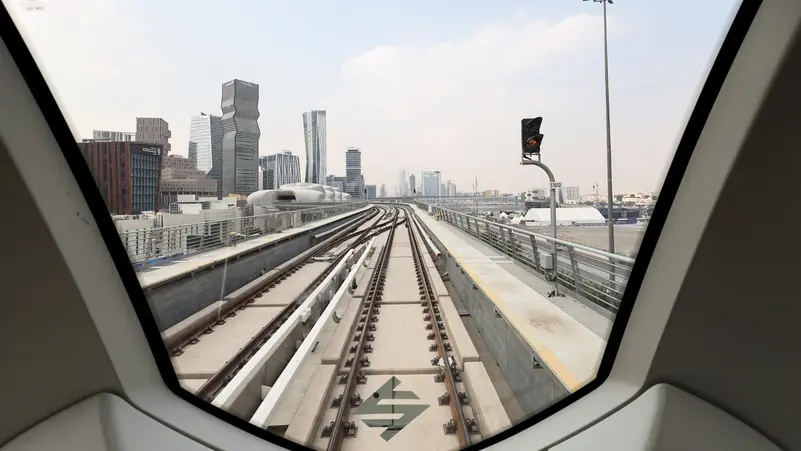
The Riyadh Metro was officially inaugurated in December 2024. Its network comprises six lines, 85 stations and a total of 176 kilometers (109 miles) and is expected to reduce the city’s traffic. It operates fully driverless on all lines managed through advanced central control rooms equipped to monitor operations.
“This achievement highlights the efforts of the Royal Commission for Riyadh City in adopting smart and sustainable urban transport concepts, and its commitment to innovation and development in establishing modern infrastructure that enhances the quality of life in the capital and supports the goals of Saudi Vision 2030,” the report said.
Vision 2030 aims to strengthen the non-oil economy sectors.
A view from inside of the green line of Riyadh Metro, as it approaches the King Abdullah Financial District Metro Station in Riyadh, Saudi Arabia. (File photo: Reuters)
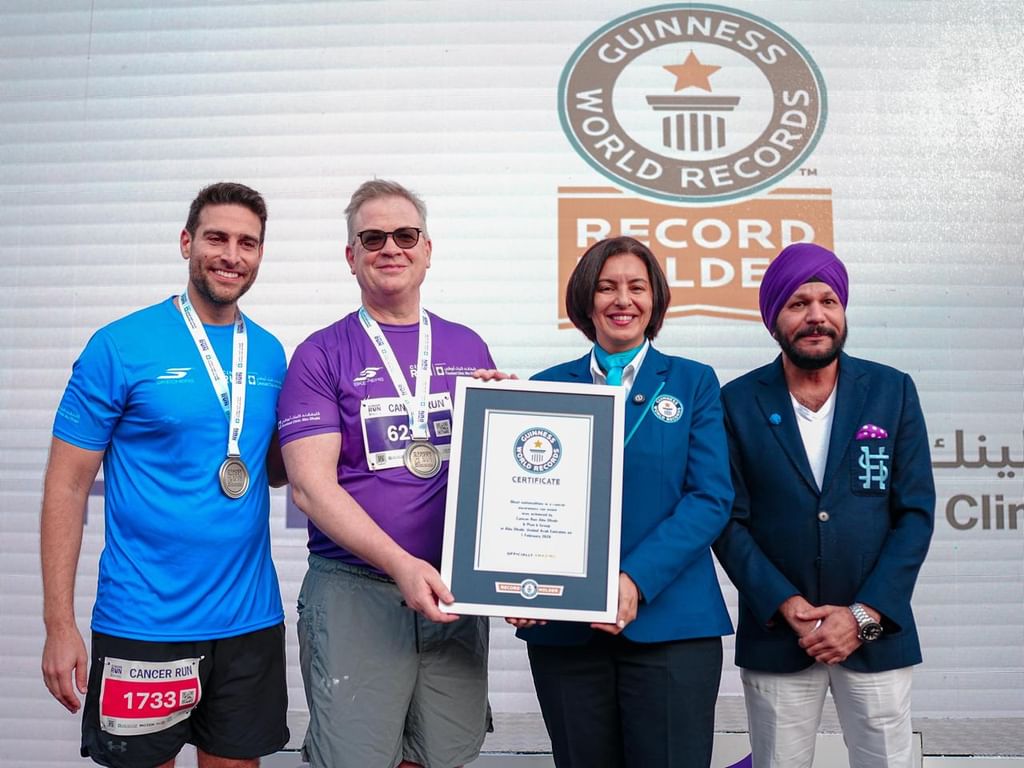
Cancer Run™ 2026 presented by Cleveland Clinic Abu Dhabi and organised by Plan b Group has achieved a historic milestone by setting a new Guinness World Records™ title for Most Nationalities in a Run at its Abu Dhabi edition on Sunday at Hudayriyat Island.
Supported by Abu Dhabi Sports Council, the event witnessed the participation of 71 nationalities, uniting cancer warriors, runners, families, communities, cultures, and health advocates from across the country in solidarity to combat cancer.
The event has etched itself as a one-of-a-kind annual campaign to promote regular cancer screening, general awareness, and active lifestyles across the UAE, aligning itself with the nation’s goal to create a healthier, happier society. It also aligns with Abu Dhabi’s recent announcements on cancer awareness, research, and treatment, the latest being the opening of a high-potency facility to manufacture oncology drugs.
The event featured 1km, 3km, 5km, and 10km categories, ensuring that families, beginners, fitness enthusiasts, and professional athletes could all take part. Hydration stations and medical support were available along the routes to ensure participant safety and comfort.
Dr. Harmeek Singh, Founder and Chairman of Plan b Group, said, “The Guinness World Records™ title aptly reflects what collective action can achieve. At Hudayriyat Island, Abu Dhabi, we witnessed people from all walks of life come together to support a noble cause and express solidarity against an illness that not only affects patients, but also people around them.”
The Dubai edition of Cancer Run™ 2026 is set to take place on 7th February at Dubai Festival City, supported by the Dubai Sports Council. The event is expected to witness a larger crowd and greater enthusiasm, promoting collective awareness and solidarity against the disease.
Awarded the inaugural BRICS Literature Award, Egyptian novelist and critic Salwa Bakr reflects on writing from the margins, the hidden forms of violence embedded in social life, and literature’s enduring role in confronting injustice.
This year, Egyptian novelist and critic Salwa Bakr received the inaugural BRICS Literature Award in recognition of her literary contribution.
Established in 2024, the prize honours the literary achievements of authors from BRICS member states: Brazil, Russia, India, China, South Africa, Saudi Arabia, Egypt, the United Arab Emirates, Ethiopia, Indonesia, and Iran. While BRICS primarily functions as a political and diplomatic coordination forum, the award introduces a cultural dimension to the grouping.
Born in Cairo in 1949, Bakr has published seven collections of short stories—a genre with which she is closely associated—as well as seven novels. Her 1998 novel Al-Bashmouri (The Man from Bashmour) was listed by the Arab Writers Union as one of the top 100 Arabic literary works. Translated into several languages, including English by the American University in Cairo Press, the novel revisits the ninth-century revolt of largely Coptic peasants in Egypt’s Delta against the excessive land taxes imposed by Arab governors. Beyond its historical setting, however, the work reflects on the deep commonalities shared by Egyptians, both Copts and Muslims.
Bakr regards the BRICS Literature Award not merely as a personal achievement but as a reflection of what she described as “the strength of Egypt’s soft power.” She also views it as recognition of literary works that engage deeply with life’s struggles, particularly those of marginalized communities.
“Addressing questions of justice among people is something literature is uniquely equipped to do,” Bakr said. “When marginalized groups become the focus of a literary work, they also become the focus of serious questions about justice.”
Such reflection, she argued, extends to what she calls “soft violence”—a form of harm that is often overlooked precisely because it does not present itself as overt brutality. “Soft violence is inflicted through practices of arrogance that may not appear violent but are deeply painful,” she said, adding that its failure to be widely recognized makes it harder to confront or remedy.
Bakr stressed that reflecting on historical injustice is not an exercise detached from contemporary reality. Rather, she sees it as an attempt to adopt a broader perspective that enables deeper engagement with enduring questions of relevance. “This is the point of literature,” she said: to cultivate a more enlightened understanding of history and reality, without lapsing into moralizing or patronizing tones.
For this reason, she resists reading Al-Bashmouri narrowly as a novel about Coptic suffering. “It is a novel about Egyptian peasants—the Bashmourians—who revolted against inflated land taxes imposed by the governors of Egypt,” she said.
Similarly, Bakr rejects rigid labels such as “feminist literature.” “I do not write under a specific banner,” she said. “I reflect on women’s perceptions of themselves and of the world they inhabit.” She emphasized that her work does not promote a confrontation between men and women, but rather examines the social norms that shape women’s status and constrain their lives.
These concerns are powerfully explored in her 1997 novel Al-A’raba Al-Zahabiya La Tazhab Ila Al-Sama’ (The Golden Chariot Does Not Ascend to Heaven). Set largely within a prison cell, the novel centres on Aziza, a young woman who gazes at the sky through her cell window and dreams of building a chariot that could carry her beyond the bars—both literal and social—that confine her. Through this stark setting, Bakr probes the obstacles that hinder women’s lives, as well as the broader realities of poverty, inequality, and the often-unfulfilled yearning for a better existence.
For Bakr, it is among marginalized and grassroots communities that life’s most fundamental questions surface. “This is where the core of life lies,” she said, “and where the essence of a nation’s culture can be sensed.” It is within this milieu, she argued, that one can perceive the accumulated layers of Egyptian history, with all its complexity and contradictions, and grasp an identity shaped over centuries.
Bakr’s sensitivity to these themes is rooted in personal experience. She grew up in a modest neighbourhood in East Cairo and witnessed her mother endure severe financial hardship following her husband’s death. These early experiences, she has said, familiarized her with the challenges faced by Egyptians of limited economic means.
Bakr made her literary debut in 1986 with the short-story collection Zeinat fi Ganazat Al-Ra’is (Zeinat at the President’s Funeral). Her first novel, Wasf Al-Bolbol (The Description of the Nightingale), followed in 1993. Both works examine the social injustices confronting women across different contexts and offer an unflinching critique of repression, particularly that imposed by social convention.
Egypt’s Suez Canal Authority (SCA) said on Thursday that the giant container ship CMA CGM SEINE, one of the world’s largest container vessels, transited the canal for the first time as part of the northbound convoy, carrying a gross tonnage of about 250,000 tons.
The vessel, operated by the French shipping line CMA CGM, crossed the canal during its maiden voyage, sailing from Morocco to Malaysia, according to an SCA statement.
SCA Chairman Ossama Rabiee said the return of the world’s largest and most modern container ships to the canal reflects confidence in its readiness and global standing as a key artery for East–West trade.
Delivered in 2025, CMA CGM SEINE operates on the FAL3 service linking Europe with the Far East. The ship is 399 metres long, 61.3 metres wide, has a draught of 40 feet, and can carry up to 23,876 containers.
Rabiee said the authority took all necessary measures to ensure the vessel’s safe passage , including assigning senior SCA pilots, deploying escort tugboats, and maintaining real-time monitoring from the main traffic control centre and pilotage stations along the canal.
In line with SCA protocol for first-time transits, senior pilots boarded the ship to welcome its crew and present a commemorative gift to the vessel’s master.
Rabiee added that the authority has recently upgraded its maritime and navigational services and introduced new offerings to meet customer needs, while maintaining the highest safety standards for ultra-large vessels and special-dimension marine units.
He noted that CMA CGM has increased the number of its container ships with a net tonnage exceeding 130,000 tons transiting the canal, reaching 15 vessels since December, out of a total of 38 ships that have crossed since May, benefiting from the authority’s flexible pricing policies.
Navigation through the Suez Canal has gradually resumed in recent months as several major shipping lines reassessed their routes following prolonged disruptions to global trade lanes, particularly in the Red Sea and Bab Al-Mandab.
The SCA responded by maintaining uninterrupted canal operations, enhancing navigational safety measures, and expanding pilotage and escort services for ultra-large container ships.
It also introduced flexible pricing and incentive policies to encourage shipping lines to restore regular transits through the canal.
Earlier this month, the SCA reported a marked recovery in canal activity, with revenues rising by 18.5 percent in the first half of fiscal year (FY) 2025/2026, reflecting a gradual return of shipping traffic as security conditions in the Red Sea improved.
SCA Chairman Ossama Rabiee said the gains were accompanied by a 5.8 percent increase in the number of transiting vessels and a 16 percent rise in net tonnage year on year, citing greater stability in the Bab Al-Mandeb Strait and surrounding waters.
Global shipping had been heavily disrupted since October 2023, when many major carriers diverted vessels away from the canal amid attacks on commercial shipping in the Red Sea linked to the war in Gaza, a shift that resulted in sharp revenue losses for the authority estimated at $7 billion.
French president gives assurance of his determination to continue strengthening historic partnership.
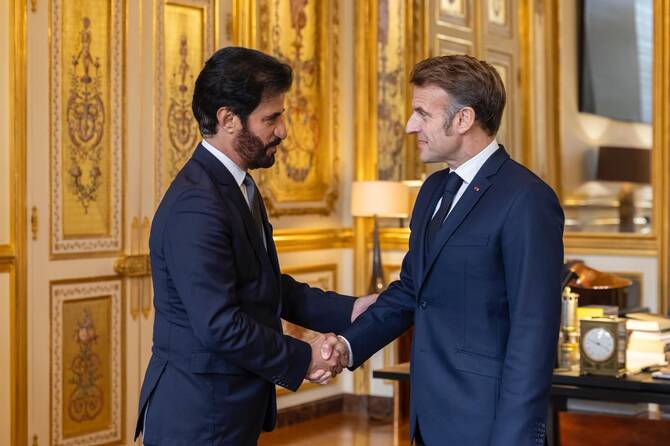
Mohammed Ben Sulayem, the president of the Federation Internationale de l’Automobile, also known as the FIA, has been congratulated on his reelection to the post by French President Emmanuel Macron, who also gave an assurance of his determination to continue strengthening the historic partnership between France and the FIA.
In a letter to Ben Sulayem, Macron said: “I would like to extend my warmest congratulations on your reelection as president of the Federation Internationale de l’Automobile (FIA), following the vote held in Tashkent, Uzbekistan, on Dec. 12.
“In this regard, and further to our recent meeting at the Elysee Palace alongside other representatives of the automotive world, please be assured of my determination to continue strengthening the historic partnership between France and the FIA.
“Wishing you every success in this new term of office, please accept … the assurance of my highest regards.”
The meeting at the Elysee Palace in November highlighted shared priorities of the FIA and France across motorsport, road safety, mobility, and the protection of young people online.
France holds a unique place in the federation’s history with the FIA’s headquarters situated in Paris, and this was further highlighted during the meeting as the FIA confirmed the renewal of its commitment to France as one of its key centres of excellence.
Speaking at length, the leaders celebrated France’s pivotal role in global motorsport, from historic events such as the Paris–Rouen Trial in 1894 to the 24 Hours of Le Mans, which continues to attract thousands of spectators and generates significant impact, supporting over 1,000 full-time jobs and contributing about $190 million to the French economy.
Macron and Ben Sulayem also discussed France’s representation in the FIA Formula One Championship, the French talent competing across the FIA World Championships, the contributions of French manufacturers and promoters in shaping international motorsport, and support for the facilitation of visas for global FIA delegates attending meetings in Paris.
Macron and Ben Sulayem were joined by Yann de Pontbriand — president of the Automobile Club de France, one of the FIA’s original members and the world’s first automobile club, which was founded in 1895 — and Pierre Gosselin, president of the Federation Francaise du Sport Automobile.
The parties discussed the central role clubs play alongside the FIA in promoting safe and responsible mobility and motorsport, alongside France’s historic contribution to the sectors.
Macron and Ben Sulayem exchanged views on initiatives to make mobility safer, more affordable, and more sustainable, such as the newly launched FIA Driver Safety Index, a first-of-its-kind global benchmark developed to measure and compare driver risk using cutting-edge AI technology.
Protecting young drivers and promoting respect online was another key topic. The leaders discussed the FIA’s United Against Online Abuse campaign, which aligns closely with France’s policies on social media safety for children.
source/content: arabnews.com (headline edited)
________________
Mohammed Ben Sulayem and French President Emmanuel Macron. (Supplied)
A new book documents the humanitarian and scientific career of world-renowned heart surgeon Magdi Yacoub, highlighting previously untold aspects of his life, philosophy, and medical legacy.
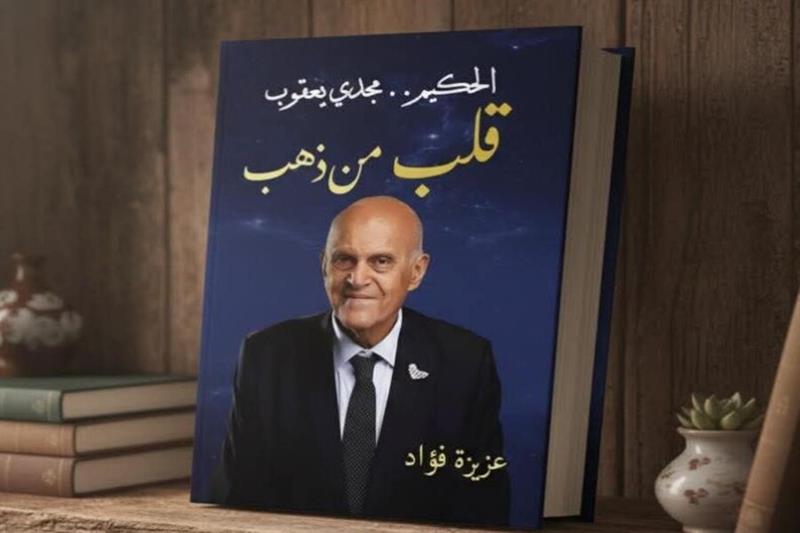
Titled Al-Hakim Magdi Yacoub: A Heart of Gold, the book is written by Aziza Fouad, managing editor of Nisf El-Dunia and El-Beit magazine. It traces the life and work of Yacoub, one of the world’s leading pioneers of heart surgery, focusing on both his professional achievements and his deeply rooted human values.
The book reveals key milestones in the life of the “King of Hearts,” many of which are published for the first time. It explores his philosophy of medicine and life, shedding light on the humane dimensions that shaped his thinking, culture, and career. It also highlights his sense of humour behind the seriousness of his scientific and medical journey, a side of Yacoub that remains largely unknown to many.
Spanning 260 pages, the book covers Yacoub’s upbringing in Egypt and his later move to Britain. It includes testimonies from colleagues and writers who accompanied his career, as well as behind-the-scenes accounts and exclusive interviews conducted with him for Al-Ahram newspaper and Nisf El-Dunia magazine. These materials document his research, surgeries, and scientific innovations, many of which continue to have a lasting impact on modern medicine.
The book also highlights Yacoub’s pioneering achievements in heart and lung transplantation and paediatric heart surgery. It documents his leading role in establishing Chain of Hope and the Magdi Yacoub Heart Foundation in Aswan, which has become a global medical centre providing free treatment while contributing to the training of new generations of doctors.
The book is being showcased at the Cairo International Book Fair (CIBF) and marks Fouad’s first book.
In her introduction, Fouad writes: “Magdi Yacoub was a real source of inspiration to generations of doctors in Egypt and around the world. I never saw him as merely a world-class surgeon, but as a rare human model who taught me that sincere giving is the essence of medicine, and that when science blends with compassion, miracles happen. This book is a message of gratitude to a man who left his mark on hearts before leaving his imprint on the history of medicine — a role model that time rarely offers.”