Arabs & Arabian Records Aggregator. Chronicler. Milestones of the 25 Countries of the Arabic Speaking World (official / co-official). AGCC. MENA. Global. Ist's to Top 10's. Records. Read & Enjoy./ www.arabianrecords.org
Dr. Abdulaziz bin Mohammed Alsubayel, chairman of the board of trustees of the King Abdulaziz Center for National Dialogue and secretary general of the King Faisal International Prize, has won the cultural pioneer award during the Ministry of Culture’s second session of the “National Cultural Awards.”
He received the prize in recognition of his distinguished literary and cultural career, as well as his roles in cultural administration, where he held a number of leadership and academic positions while serving Saudi culture, intellectuals and literature.
The event was held under the patronage of Saudi Crown Prince Mohammed bin Salman.
A global prize, called the “international cultural excellence award,” will be launched in the next session of the event, organizers announced. The award will recognize and celebrate global and regional cultural personalities and institutions that enrich the cultural landscape, and reaffirms the Kingdom’s determination to open new avenues for cultural creativity and expression and encourage cultural dialogue with the world.
Deputy Culture Minister Hamed bin Mohammed Fayez said in a speech delivered on behalf of Saudi Minister of Culture Prince Badr bin Abdullah bin Farhan: “I am delighted to welcome you to the Capital of Culture, the Beacon of Knowledge, and the Oasis of Art in a cultural event in which we celebrate the creative personalities, with the support of the Custodian of the Two Holy Mosques and the patronage of His Highness the Crown Prince, who is supportive of our culture and the champion supporter of it.
“The historical depth and civilization of our homeland and the creativity of our people have put the Kingdom in an advanced cultural place, which enabled the Ministry of Culture to highlight our creative treasures as per the Vision 2030,” he said.
Fayez said: “The National Cultural Awards initiative was an inspiration for creators and an essential pillar for further advancement of cultural and cognitive development.”
Cultural sector award recipients were also recognized.
Kifah Bu Ali won first place in the literature prize while Jarir Bookstore won the publishing award. Shareef Bogona, a translator and poet, won the translation award while Samira Alotaibi won the fashion award. Ahmed Alneghaither, a researcher in drawings and engravings, won the national heritage award and Abdulsamad Alhawsawi won the culinary art award.
Badr Al-Hamoud, a writer and filmmaker, received the “youth cultural” award for his efforts in the film industry, publishing initiatives, translation and technical projects. He founded the Center Menaverse for Innovation and Development, the world’s first center to interactively disseminate cultural products, and has established a platform called “Meaning” to spread knowledge, artistic and philosophical content. He managed the translation projects of 30 books in philosophy and humanities.]
Kifah Bu Ali won first place in the literature prize while Jarir Bookstore won the publishing award. Shareef Bogona, a translator and poet, won the translation award while Samira Alotaibi won the fashion award. Ahmed Alneghaither, a researcher in drawings and engravings, won the national heritage award and AbdulsamadAlhawsawi won the culinary art award.
Artist Muhannad Shonu won the visual arts award while Ali Khobrani won the theater and performing arts award. Bandar Bin-Obaid won the music award while Faisal Battoyoor won the film award and Muhammed Shafea won the architecture and design award.
The Diriyah Gate Development Authority won the cultural institutions award in the state sector while the Misk Institute of Art won the cultural institutions award in the non-profit sector. The Music Home School of Art won the cultural institutions award in the private sector.
Ahmed Qirran Al-Zahrani, deputy dean of communications and information for graduate studies and academic research at King Abdulaziz University, told Arab News that nations founded on cultural legacy were able to elevate their homelands to the forefront of the cultural landscape around the world.
Cultural symbols deserved to be honored and acknowledged for their contributions to the nation, as well as to preserve cultural memory and encourage future generations to follow in their footsteps, he said.
Al-Zahrani said that the Ministry of Culture had a significant obligation to revitalize heritage, assist the cultural movement and financially and morally encourage intellectuals.
The cultural movement was evident in domestic cultural activities such as organizing book fairs, holding cultural festivals, holding conferences, supporting cultural institutions, honoring intellectuals, participating in outdoor cultural events and supporting intellectuals individually participating in festivals, meetings and outdoor exhibitions to represent and communicate local culture beyond geographical boundaries.
Abdulaziz Al-Kheshaiban, chairman of the board of the Media and Public Relations Society in Onaizah, said that recognizing local cultural symbols was connected with recognizing cultural pioneers, creators and achievers.
He said that the cultural movement was witnessing a diversity of platforms, and that official literary clubs, private literary meeting places and cultural cafes were the most important of these.
Al-Kheshaiban said that education and knowledge were important in the evolution and progress of cultures.
source/content: arabnews.com (headline edited)
___________
The National Cultural Awards ceremony was held under the patronage of Crown Prince Mohammed bin Salman. (SPA)
Scientists play one of the most significant roles in our world, most importantly today as we deal with a pandemic that has taken the lives of more than 300,000 people. Throughout history, there have been many accomplished and inspiring Sudanese scientists who have changed our understanding of the world around us with their research, discoveries and tangible impact.
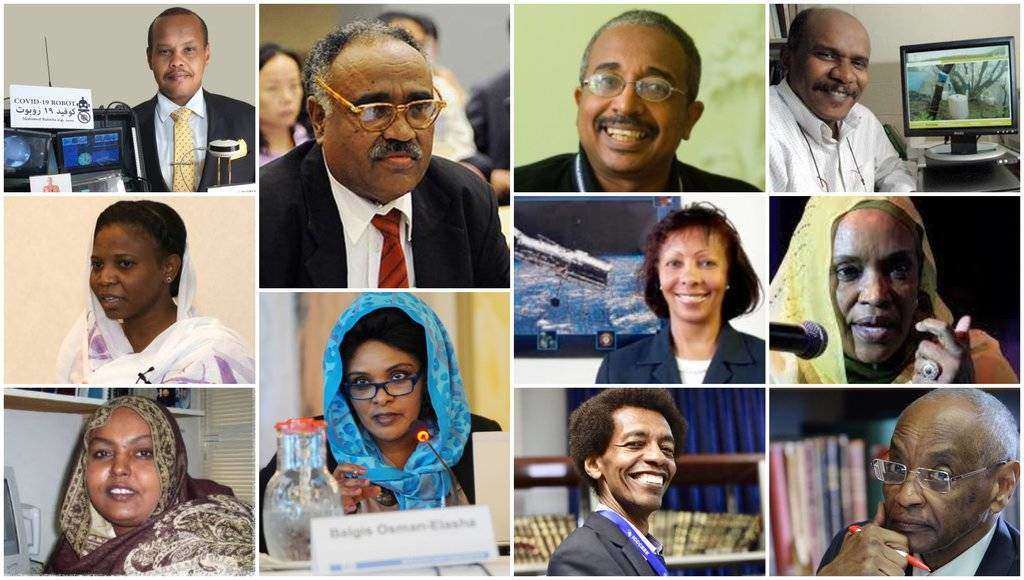
Here are some internationally acclaimed Sudanese scientists in Sudan and across the world that you should know about:
Ismail Abdel Rahim El Gizouli
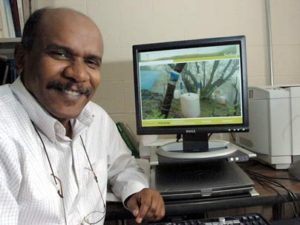
Image source: Ismail El Gizouli
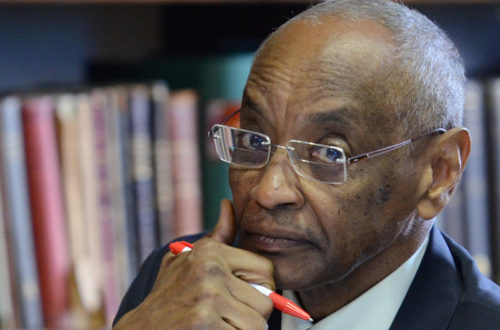
Ismail Abdel Rahim El Gizouli is an energy and environment specialist. He was member of the bureau of the Intergovernmental Panel on Climate Change (IPCC) from 2002 to 2008 and was re-elected for another term from 2008 to 2015. He then acted as interim chairman of the IPCC in 2015. In addition, he was the vice-chair of the Facilitative Branch of the Compliance Committee of the UNFCCC from 2005 to 2007 and was the Chair of the Facilitative Branch and Co-Chair of the Compliance Committee of UNFCCC from 2007 to 2009.
He received a Bachelor of Science in Mathematic and Physics from the University of Khartoum in 1971 and a Master of Science in Operation Research & Statistics from the University of Aston in Birmingham, UK in 1980.
El Gizouli worked as a freelancer and conducted many consultancies for the African Development Bank, World Bank, UNEP, FAO and African Energy Policy Research Network (AFREPRN). In 1998, he joined The Higher Council for Environment and Natural Resources in Sudan as a consultant on all UNDP-Government joint climate change projects.
He has participated in many international, regional and national conferences, meetings and symposiums in industry planning, sustainable development, energy, environment and climate change. In addition, he published many papers and is one of four authors of two energy-related books published by ZED Books England. He also contributed as Review Editor to many IPCC Reports including Safeguarding the Ozone Layer and the Global Climate System, Carbon Dioxide Capture and Storage (Main Report and Technical Summary), Working Group III contribution to the Fourth Assessment Report (Mitigation of Climate Change) and Fourth Assessment Synthesis Report.
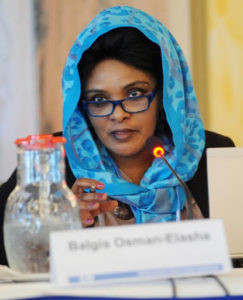
Dr Balgis Osman Elasha
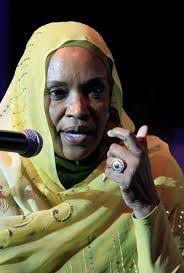
Dr Balgis Osman-Elashais senior scientist at the forefront of global research on climate change. She has been a climate change expert at the Compliance and Safeguards Division at the African Development Bank (AfDB) since 2009. She holds a PhD in Forestry Science, a master’s degree in Environmental Science, and a Bachelor of Science with honour in Forestry and Agricultural Science. She has more than 17 years of experience in the field of climate change with a special focus on vulnerability and adaptation assessment related to African countries and the Middle East, emphasising the human dimension of global environmental changes.
Dr Osman-Elasha has reviewed a number of scientific papers to Elsevier and other highly reputable journals as well as a guest editor to a number of scientific publications. Before joining the African Development Bank, she was a senior researcher at the Higher Council for Environment and Natural Resources (HCENR)-Sudan. Her research focuses on vulnerability and adaptation assessment in drought-prone in Africa.
Dr Osman-Elasha is the winner of the UNEP Champions of the Earth Award for outstanding environmentalists and the winner of Lead Authors-Nobel Peace Prize. She is also a member of the International Panel on Climate Change (IPCC).
Professor Elfatih Eltahir
Professor Elfatih Eltahir is the Breene M Kerr Professor of Hydrology and Climate at Massachusetts Institute of Technology (MIT) with a focus on sustainable development in Africa. Elfatih earned a Bachelor of Science in civil engineering from the University of Khartoum, a Master of Science in hydrology from the National University of Ireland, and a Master of Science in meteorology and a Doctor of Science (Sc.D) in Hydroclimatology from MIT.
Professor Eltahir received the US Presidential Early Career Award in 1997. He is an elected fellow of the American Geophysical Union, and a member of the Sudanese National Academy of Science. He is a member of the Scientific Council of the International Center of Theoretical Physics in Trieste, Italy. In 1999, Professor Eltahir received the Kuwait Prize in Applied Sciences for his work on Climate Change, making him the youngest person to receive this prestigious prize, offered to scientists from Arab countries. In 2017, Professor Eltahir received the Hydrologic Sciences Award from the American Geophysical Union.
Dr Hiba Salah-Eldin Mohamed
Image source: iend.org
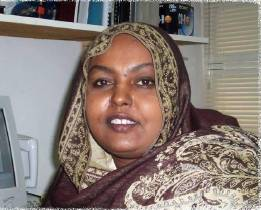
Dr Hiba Salah-Eldin Mohamed is a molecular biologist at the University of Khartoum. She studied zoology at the university, earning a bachelor’s degree in 1993, followed by a master’s degree in 1998. She then received her PhD from the University of Cambridge Institute for Medical Research (CIMR) in Cambridge, the UK in 2002. Her doctoral research, “The Role of Host Genetics in Susceptibility to Kala-azar in Sudan”, was under the supervision of Jenefer Blackwell, a well-known Professor of Molecular Parasitology. Mohamed remained at the CIMR as a postdoctoral fellow. She, along with Professor Blackwell, were later awarded the Wellcome Trust Research Development Award (2004-2007). She then moved back to Sudan and joined the University of Khartoum to be a professor in the Department of Molecular Biology.
Mohamed was awarded the 2007 Royal Society Pfizer Award for her research on understanding the genetics of kala-azar, which is also known as Visceral Leishmaniasis (VL). In 2010, Mohamed was appointed a Fellow of the Global Young Academy.
Dr Abdel Rahman’s breakthrough in growing sugar cane method involved taking cells from plant leaves, shoots or roots and growing them in a liquid culture to produce artificial seeds able to germinate. Her results and patented techniques garnered global attention and attracted interest from huge research and production companies across the world. The breakthrough led to cheaper and more productive cultivation in developing countries.
Dr Abdel Rahman passed away in 2015 at the age 59 in the UK after a fight against cancer.
Professor Mohamed H A Hassan
Image source: TWAS
Professor Mohamed H A Hassan is co-chair of the InterAcademy Partnership (IAP), a global network of science academies, and Chairman of the Council of the United Nations University (UNU).
He received his higher education in the UK from Newcastle University and University of Oxford. After obtaining his Doctor of Philosophy in Mathematics from the University of Oxford, he returned to Sudan to lecture at the University of Khartoum. He later became the Dean of the School of Mathematical Sciences at the university.
Professor Hassan has published several articles in Theoretical Plasma Physics and Fusion Energy; Wind Erosion, Dust and Sand Transport in Dry Lands; and Science and Technology in the Developing World.
He was the founding Executive Director of The World Academy of Sciences (TWAS), President of the African Academy of Sciences, and Chairman of the Honorary Presidential Advisory Council for Science and Technology in Nigeria.
He also serves on a number of boards of international organisations worldwide, including Global Change System for Analysis, Research and Training (START) in the USA; Bibliotheca in Alexandrina in Egypt; the Council of Science and Technology in Society (STS) Forum in Japan; the International Science Programme in Sweden; the Science Initiative Group (SIG) in the USA; and the Centre for International Development (ZEF) in Germany. He is a member of several merit-based academies of science, including TWAS; the African Academy of Sciences; Islamic World Academy of Sciences; Academia Colombiana deCiencias Exactas, ísicas y Naturales; AcadémieRoyale des Sciences d’Outre-Mer, Belgium; Pakistan Academy of Sciences; Academy of Sciences of Lebanon; Cuban Academy of Sciences; and Academy of Sciences of South Africa.
Mohamed Osman Baloola
Image source: Mohamed Osman Baloola’s Facebook page
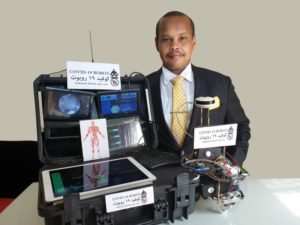
Engineer Mohammed Osman Baloola is a Sudanese scientist and inventor who was named among The World’s 500 Most influential Arabs in 2012 and 2013 for his work on diabetes ‘remote monitoring and control system for diabetes symptoms’. He has been a Teaching Assistant of Biomedical Engineering at the Ajman University of Science and Technology since 2010. Baloola won a science and innovation award at the Arabian Business Awards 2011 in Dubai. In addition, he won AED40,000 (USD11,000) during a Sharjah Television competition for his invention of a remote monitoring and control system for diabetes patients via mobile phone.
Baloola received a Bachelor of Science in Biomedical Engineering from Ajman University of Science and Technology in 2009. He later joined Ajman University as a Teaching Assistant in the faculty of Engineering.
Dr Muntaser Ibrahim
Image source: Research Gate
Dr Muntaseer Ibrahim is a Sudanese geneticist and professor of molecular biology at the University of Khartoum, where he leads its Institute of Endemic Diseases, a research and training centre on endemic diseases in the university. His research focuses on human genetic diversity in Africa. Dr Ibrahim is a founding member of the African Society of Human Genetics and co-founded the Sudanese National Academy of Science (SNAS). He is also a member of The World Academy of Sciences. He has co-authored more than 180 original peer-reviewed research publications, including work published in Science, Proceedings of the National Academy of Sciences, Nature, Nature Genetics, and other major journals.
Dr Nashwa Abo Alhassan Eassa
Image source: Picuki
Dr Nashwa Abo Alhassan Eassa is an assistant professor of physics at Al-Neelain University in Khartoum. She received a Bachelor of Science in physics from the University of Khartoum, a Master of Science in nanotechnology and materials physics from Sweden’s Linköping University, followed by a PhD from Nelson Mandela Metropolitan University (NMMU) in South Africa.
Dr Eassa founded the non-governmental organisation ‘Sudanese Women in Sciences’ and is a member of Organization for Women in Science for the Developing World’s South African Institute of Physics. In 2015, Dr Eassa won the Elsevier Foundation Award for Early Career Women Scientists in the Developing World. She has been a candidate as Arab Countries Vice-President for Organization for Women in Science for the Developing World.
Professor Widad Ibrahim Elmahboub
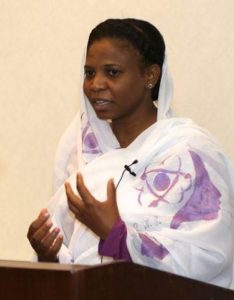
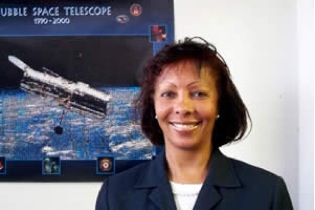
Professor Widad Ibrahim Elmahboub is a great scientist and astrophysicist. She has proved herself as a distinguished and competent scholar and scientist in her field. Having finished her college studies in applied mathematics and astrophysics in Sudan and Egypt, she was received a master’s degree in Engineering Physics by Wisconsin-Madison University, followed by a doctorate degree in astrophysical engineering.
Prof Elmahboub started her scientific career as a professor of astrophysics and remote sensing systems at Hampton University. Then she moved on to the research and analysis of planetary components at NASA with the main focus on enhancing the accuracy of satellite-based remote sensing imaging and data. Prof. Elmahboub has introduced a highly accurate computer-simulated mathematical model followed by the implementation of the algorithm and atmospheric correction method which enabled scientists and astrophysicists to obtain much more accurate and refined satellite images of Mars surface. Additionally, Prof Elmahboub has authored, co-authored and edited many articles in scientific journals and periodicals on remote sensing imaging technology, spectroscopy and simulated mathematical modelling.
Professor Sharief Babiker
Image source: ICCEEE’s Facebook page
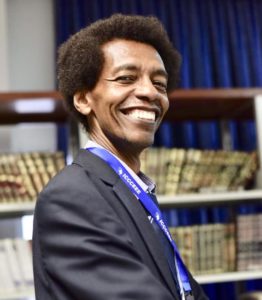
Professor Sharief Babiker is a professor in the Electronics Department at the University of Khartoum and a Chairman of the world’s largest professional association dedicated to advancing technological innovation and excellence for the benefit of humanities ‘IEEE_sudan’ Subsection.
Prof Babiker received his bachelor’s degree in electrical and electronic engineering at the University of Khartoum, a master’s degree in telecommunications and information systems obtained in Essex University, the UK, followed by a nanoelectronics PhD degree at Glasgow University, Scotland. By the end of 2000, Prof Babiker was working on submicron semiconductor devices research at the Nanoelectronics Research Centre, University of Glasgow as well as on aerospace projects at Thales Avionics, the UK.
The Jordanian pharmacologist Nancy Hakooz has been chosen as the first recipient of a prestigious new prize for a scientist from a developing country, given by the International Society for the Study of Xenobiotics.
The society, known as ISSX, is the premier scientific organisation for researchers who study how organisms metabolise and dispose of xenobiotics. Xenobiotics are compounds that are foreign to an organism or are not part of its normal nutrition. Examples include drugs, food additives, and environmental pollutants.
The new prize, called the Award for Outstanding Achievement in Xenobiotic Research by a Scientist from an Underrepresented Nation, will honour researchers either for a single major contribution to research in the field of xenobiotics, or for significant sustained contributions over time.
Hakooz, a professor of pharmacogenetics in the University of Jordan’s School of Pharmacy, was chosen to receive the inaugural award “in appreciation of her efforts in studying the effect of genes on drug response, and her studying the genes of genetically isolated peoples such as the Circassians and Chechens in Jordan.”
She will receive the award at the society’s international conference in Seattle in September
In an interview with Al-Fanar Media, Hakooz said it was important for Arab scientists to be represented in international scholarly societies like the ISSX. “We have distinguished research in this field, despite the lack of capabilities,” she said.
A Practical Element in Her Research
During her research career, Hakooz has focused on practical aspects of the topics she studies, such as how genetics affect the appropriateness of certain drugs for specific patients.
“Not all patients benefit from the same drug or the same dose, since there are genetic differences between people,” she said.
“If we can study the effect of these differences on the effectiveness of a drug in patients, then the prescription for each drug will be different from one person to another,” she said. “This is called personalising medicine, meaning that the drug is provided in accordance with each patient’s condition.”
Studying a Subject She Loved
Hakooz says she chose to study pharmacy “out of love and conviction.” She had many choices of what to study at university, she said, because her excellent grades in high school. “However, I was satisfied to study what I really loved.”
After she received her bachelor’s degree in pharmaceutical sciences from the University of Jordan in 1992, Hakooz worked for a year as a teaching assistant in the School of Pharmacy. She then got a scholarship to study for a doctorate at the University of Manchester, in the United Kingdom.
She obtained her Ph.D. four years later, specialising in drug metabolism and pharmacokinetics, the branch of pharmacology concerned with the movement of drugs within the body.
Challenges for Arab Researchers
After returning to the University of Jordan in 1997, Hakooz tried to work on research similar to her studies at the University of Manchester, but she ran into difficulties for lack of funding and support. She needed lab animals, she said, but their cost was very high, and it was not easy to obtain them in Jordan at that time.
The lack of sustained funding is one of the major challenges facing scientific research in Jordan, she said. Others include the lack of a group research culture, in which scientists exchange advice and knowledge.
When she first returned from abroad, Hakooz said, she found researchers working on isolated “islands”. However, things have become better in the last ten years, with much better collaboration among research groups, she said.
To have a group culture, she tells young researchers, it is not a requirement that all of them do the same type of research, but that they support each other through research participation, each in their own discipline.
Medicinal Clinical Trials in Jordan
Despite these challenges, Hakooz believes Jordan has a great opportunity to become a regional centre for clinical studies of new drugs. Jordan has distinguished, globally recognised research centres that could participate in such studies, she said.
Pharmaceutical companies need to conduct clinical trials of new medicines in more than one place to collect data on a drug’s effectiveness and safety, Hakooz said.
An important question, she said, is, “How similar are the genetics of the people who participate in drug trials?”
Being able to answer that question will allow researchers to say whether the drug will be just as effective when it is widely circulated, she said. “The answer may be positive or negative. In order to be sure, we must participate in those experiments.”
Women in Higher Education
In addition to conducting research, Hakooz has held several administrative positions in her academic career.
She served as the founding dean of the Faculty of Pharmacy at Zarqa University, in northern Jordan, between 2010 and 2016. She was also a vice president of the university for three years during the same period.
In 2016, she returned to her alma mater, the University of Jordan’s School of Pharmacy. Four years later, she become the head of the college’s department of biological and clinical pharmacy.
On women’s leadership in Arab higher education institutions, she said: “In our country, administrative positions are granted, not acquired, and are not open to competition.”
“At the University of Jordan, for example, we have one female vice president compared to four male vice presidents, and three female deans compared to 21 college deans,” she said.
“Academic leadership positions in public universities are governed by a permanent factor, which is personal acquaintances because they are governed by appointment.”
“Administrative positions in academia come and go,” she added. “My genuine passion is teaching and seeing my students’ eyes shine when they catch a new idea.”
After being chosen for a prestigious international award, the Jordanian scientist talked to Al-Fanar Media about her work and the challenges for researchers in the Arab region. (Photo: Nancy Hakooz).
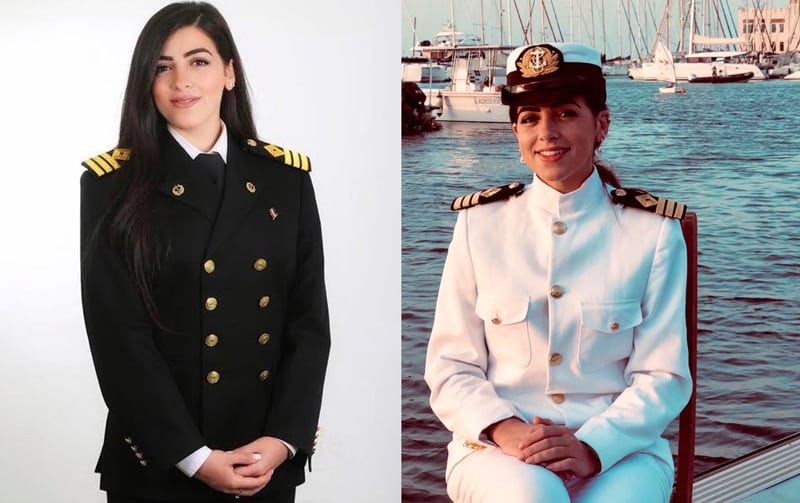
Navigating AIDA IV through new Suez Canal on opening day: Meet Egypt’s 1st female shipmaster.
Marwa El-Selehdar reveals how she became Egypt’s first female shipmaster and her journey to be part of the new Suez Canal celebrations.
As the government promoted the new Suez Canal as “Egypt’s gift to the world,” Marwa El-Selehdar, the country’s first and youngest female shipmaster, received the good news.
The 24-year-old would assist in navigating a naval vessel through the new waterway during the opening celebrations on 6 August, she was recently informed.
“I never thought that my dream would finally come true. I am going to be part of the inauguration as a second naval officer on the deck of the training ship AIDA IV,” El Selhdar told Al-Ahram newspaper.
El-Selehdar believes that her participation as the youngest and first Egyptian and Arab female shipmaster would bolster the image of the “civilised Egyptian women.”
“I was filled with joyous fear when I first learned about my participation.”
A 2012 graduate of the Arab Academy of Science, Technology and Maritime Transport (AASTMT) in the coastal city of Alexandria, El-Selehdar said that becoming a shipmaster was a childhood dream.
“In my first time ever training on board a ship, [My] Captain Abdel Hamid El-Qady and the rest of the crew made me feel at home,” El-Selehdar recalled.
Initially enrolled as a student in the maritime transport department at AASTMT, El-Selehdar was later encouraged to move to the marine navigation department at the school when she found out that there were no rules that prohibit females from studying to become shipmasters, she said in a television interview back in 2010.
Her determination to join the marine navigation department was further fuelled when she heard that a female student from the African Island of Djibouti won a scholarship to study at the department.
“I challenged myself and asked for a transfer from the maritime transport department to the marine navigation department. Amid a wave of refusals, this was the battle I had to fight in order to achieve my dream,” El-Selehdar said.
As she joined a male-dominated profession, El-Selehdar says that her mother encouraged her [as a woman] to continue on the path she chose.
Egypt has been preparing for grand celebrations for the opening ceremony of the new Suez Canal waterway on Thursday.
On Tuesday, nine swimmers who belong to the Egyptian Paralympics team – set to compete in the 2016 Rio de Janeiro Paralympics — crossed the new waterway holding a huge Egyptian flag.
Incoming visitors to the country had their passports stamped with “Egypt’s gift to the world” by Customs authorities.
After fulfilling her first dream of becoming a shipmaster, El-Selehdar is ready to achieve her second dream of living through the opening of the new canal.
“I always thought this project was a major one, but I never realised we would actually witness this remarkable and extraordinary event,” El-Selehdar said.
source/content: english.ahram.org.eg (headline edited) text / pix: marineinsight.com
Abu Dhabi National Oil Company (ADNOC) announced, today (September 01) that its first shipment of low-carbon ammonia has left the United Arab Emirates (UAE) bound for Hamburg, Germany. This is the first ever cargo of low-carbon ammonia to be shipped to Germany.
The demonstration cargo will be delivered to Aurubis, a leading global provider of non-ferrous metals and one of the largest copper recyclers worldwide, that has its headquarters in Hamburg. On arrival in Germany, Hamburger Hafen und Logistik AG (HHLA), one of Europe’s leading logistics companies will handle the cargo.
Produced by Fertiglobe, a partnership between ADNOC and OCI, at its Fertil plant in Abu Dhabi’s Ruwais industrial complex, the demonstration cargo is the first of several test cargoes sold to customers in Germany as ADNOC expands its strategic energy partnership across the hydrogen value chain. The cargo follows a number of similar low-carbon ammonia sales that have been made to customers in Asia. Aurubis plans to utilize the low-carbon ammonia as a feedstock in its wire rod plant, testing its application as an additional, lower-carbon energy source for industial ulilization. The hydrogen it contains has the potential to be a low-carbon energy alternative for the energy-intensive processes in multi-metal production.
This is another important milestone in the planned scale-up of hydrogen and low-carbon ammonia production capabilities in Abu Dhabi, where ADNOC is developing a new world-scale 1 million tons per annum low-carbon ammonia plant at TA’ZIZ, the chemicals, industrial services and logistics hub in the Ruwais Industrial Complex.
His Excellency Dr. Sultan Ahmed Al Jaber, UAE Minister of Industry and Advanced Technology and ADNOC Managing Director and Group CEO, said: “This demonstration cargo of low-carbon ammonia builds upon the longstanding bilateral relationship between the UAE and Germany and our growing partnership in clean energy. It highlights ADNOC’s expanding role as a trusted exporter of low-carbon fuels, as the UAE focuses on the industrial growth opportunities within the energy transition.
“Our collaboration with customers in Germany also underlines ADNOC’s ambitious growth plans for the production of clean hydrogen, and its carrier fuels such as ammonia, which will play a critical role in decarbonizing hard-to-abate industrial sectors. We are committed to accelerating and deepening private and public sector collaboration in clean hydrogen projects that will reduce carbon emissions and the carbon intensity of the energy that supports our everyday lives.”
Roland Harings, CEO of Aurubis, said: “As the most efficient and sustainable smelter network in the world, Aurubis provides metals that are key for megatrends such as renewable energies, electric mobility and digitalization and hence for decarbonization. To guarantee stable processes at our sites, we are expanding our portfolio of reliable energy sources and thus investing in the decarbonization of our production at the same time. This first trial shipment of low-carbon ammonia from ADNOC represents an important milestone in our long-term vision for hydrogen solutions that will help meet our decarbonization goals.”
Angela Titzrath, CEO of HHLA, said: “With its experience in port handling and logistic of containerized dangerous goods, its vast network of seaport terminals, hinterland connections and intermodal hubs across Europe, HHLA is pleased to facilitate the import of hydrogen and its derivates to Germany and Europe as part of the strategic energy partnership.”
H.E. Michael Westhagemann, Hamburg Senator for Economy and Innovation, said: “I very much welcome the fact that our international and national partners in business and the port are leading the way with these real-world trials for decarbonizing industry. We need these real-world findings and commitment to support the ramp-up of a Green Hydrogen Economy. Hamburg as an industrial location and as a European distribution port is a blueprint for this transformation and is therefore also in the German focus.”
During the visit of H.E. Dr. Robert Habeck, Germany’s Vice Chancellor and Federal Minister for Economic Affairs and Climate Action to the UAE in March 2021, ADNOC signed agreements with a number of German companies to explore opportunities for collaboration in low-carbon and renewable hydrogen derivatives.
Building on its position as an early mover in the production of hydrogen, ADNOC plans to significantly grow its hydrogen production in support of the UAE’s ambition to supply up to 25% of imported hydrogen in key global markets. Germany’s national hydrogen strategy expects an import demand for clean hydrogen of approximately 3 million tons per annum (mtpa) by 2030 and up to 15 mtpa by 2050 when, according to research from the Hydrogen Council, hydrogen could meet up to 18% of the world’s energy demand.
Low-carbon ammonia is the most promising at-scale hydrogen carrier and potential clean fuel for a wide range of applications, including transportation, power generation and industrial, including steel, cement, and fertilizer production. It is made from nitrogen and clean hydrogen derived from natural gas feedstocks, with the carbon dioxide by-product from hydrogen production captured and stored.
Collaboration with end-user Aurubis and logistics company HHLA underscores expanding role of ADNOC as a trusted exporter of low-carbon fuels as the UAE focuses on industrial growth opportunities within the energy transition
ADNOC plans to significantly grow its hydrogen production in support of the UAE’s ambition to supply up to 25 per cent of hydrogen demand in key global markets.
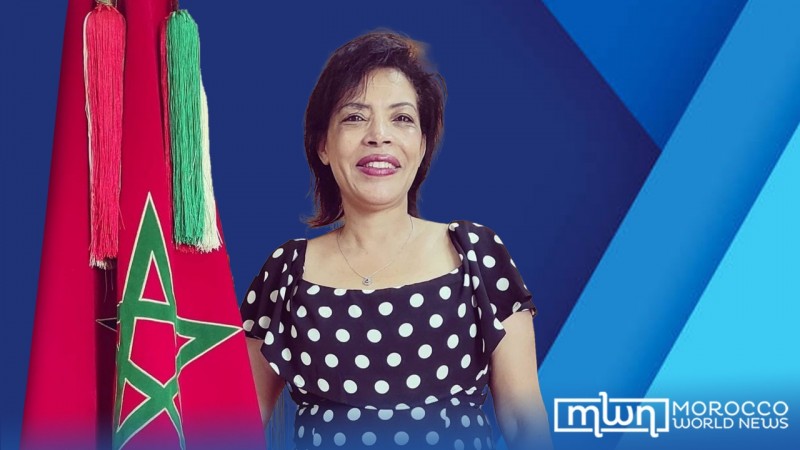
A women’s rights advocate and secretary general of the Moroccan climate coalition, Laila Amili is now working to build a bridge between Moroccan associations and the All-African-Movement Assembly.
From August 29 to 31, pan-African activists from across Africa and the Diaspora will gather in Arusha, Tanzania, for the All-African-Movement Assembly (AAMA) conference promoting justice, peace, and dignity.
AAMA organized a first validation conference in August 2016 in Arusha, gathering 272 people from 40 countries from across the continent.
The pan-African movement is built on five pillars : fighting for more civic and political action; promoting women’s rights and individual freedoms across the continent; advocating for the right to equity and dignity; promoting democratic and corruption-free governance; and calling for climate and environmental justice.
Morocco’s Lingering Gender Injustices
Laila Amili, president of Mains Libres (Free Hands), a Moroccan association fighting for girls and women’s rights, joined the AAMA two months ago. She’s a socialist, a founding member of the Arab feminist network Tha’era, and a climate activist.
In conversation earlier this week with Morocco World News, Amili spoke passionately of her new challenge: working to build a bridge between the pan-African movement AAMA and Moroccan associations.
“We hope to promote African solidarity to build the future we want as Africans: the right to peace, social inclusion, and prosperity for Africans all around the world,” Amili said.
For the Moroccan activist, sharing different experiences from different African actors would be a way to build progress for women’s rights. In Morocco, much of Amili’s activism revolves around fighting against underage marriage and domestic violence, as well advocating for greater female visibility in leadership positions.
It’s been three years since Mains Libres first launched its fight to forge substantive changes in the Moudawana, the Moroccan family code. In particular, the group has ceaselessly called for both the criminalization of child marriages and the protection of divorced mothers’ rights to keep their children.
Underage Article 175 and 176 of the current Moroccan family code, a divorced mother loses child custody if she remarries and her child is over 7 years old.
For Mains Libres, Amili said, “the child should stay with her mother until 15, even if she decides to remarry.”
And when legislative change does occur, as was the case in 2018 with the parliament’s adoption of Law 103.13 about violence committed against women, Amili insists that effective implementation should follow. Legislative change is only meaningful if it actually leads to tangible impact or perceptible changes in the everyday lives of the women who have long borne the weight of gender inequality.
Embracing Africa
“I see that these struggles are common in most African countries,” Amili said. “That’s why a lot of people are willing to join AAMA and participate in African solidarity.”
She recalled that after the first AAMA regional convention in Rabat on July 28, 2022, more Moroccan associations expressed keen interest in pan-African cooperation. This was a notable, emphatic, and overdue break from a long tradition, Amili argued, pointing out that Moroccan activists previously tended to work a lot with Arab or European countries. Now is the time to value and participate in pan-African solidarity, she insisted.
The AAMA summit in Tanzania is even more relevant amid the slow post-COVID across Africa. For Amili, one main reason for the event’s particular significance is the opportunity to discuss with fellow pan-African activists the far-reaching consequences that the pandemic has on the lives of many women across their continent, especially those who were already living in a precarious financial situation.
According to a March 2021 information note from Morocco’s High Commission for Planning (HCP), women were by far the hardest hit by the COVID-induced unemployment in the North African country.
The World Needs Solidarity
In addition to the devastating socio-economic disruptions brought about or further exacerbated by the COVID crisis, people – especially women – from the Global South are also the principal victims of the emerging ecological challenges.
“Us, people from the South, are the ones who are suffering more and more, because of poverty and increasing drought,” Amili said. “Poor people are the main victims of climate change.”
Amili is also the secretary general of the Moroccan coalition for climate justice, a gathering of 230 associations. Having participated in numerous international climate conventions in that role, she deplores the lack of women in leadership decisions.
One of the priorities of the Moroccan climate coalition is to heighten awareness about climate justice to make it “real” and not only written on official papers, said Amili.
Over the past months, one of Amili’s many activities – or duties – as the president of the coalition has been to travel to rural, marginalized areas to raise awareness about the climate and share vital information about environmental challenges with underserved communities whose lives and livelihoods have long been upended by rampant changes that they do not know of, let alone understand.
For Amili, the world can meet several of the challenges it faces if enough people are taught – or learn – to nurture a certain disposition toward empathy and solidarity when making sense of global challenges.
“We need solidarity for peace, human dignity, and human rights,” she said. “One hand can’t build anything, it’s with two, three, or four hands that we can achieve our goals.”
Country marks Emirati Women’s Day to celebrate role of nation’s women.
The UAE celebrates Emirati Women’s Day on August 28, marking the strength and empowerment of the country’s female citizens. The day recognises the contribution of the nation’s women, and their role in the development and advancement of the country.
Take a look at the timeline of the empowerment of Emirati women:
1970
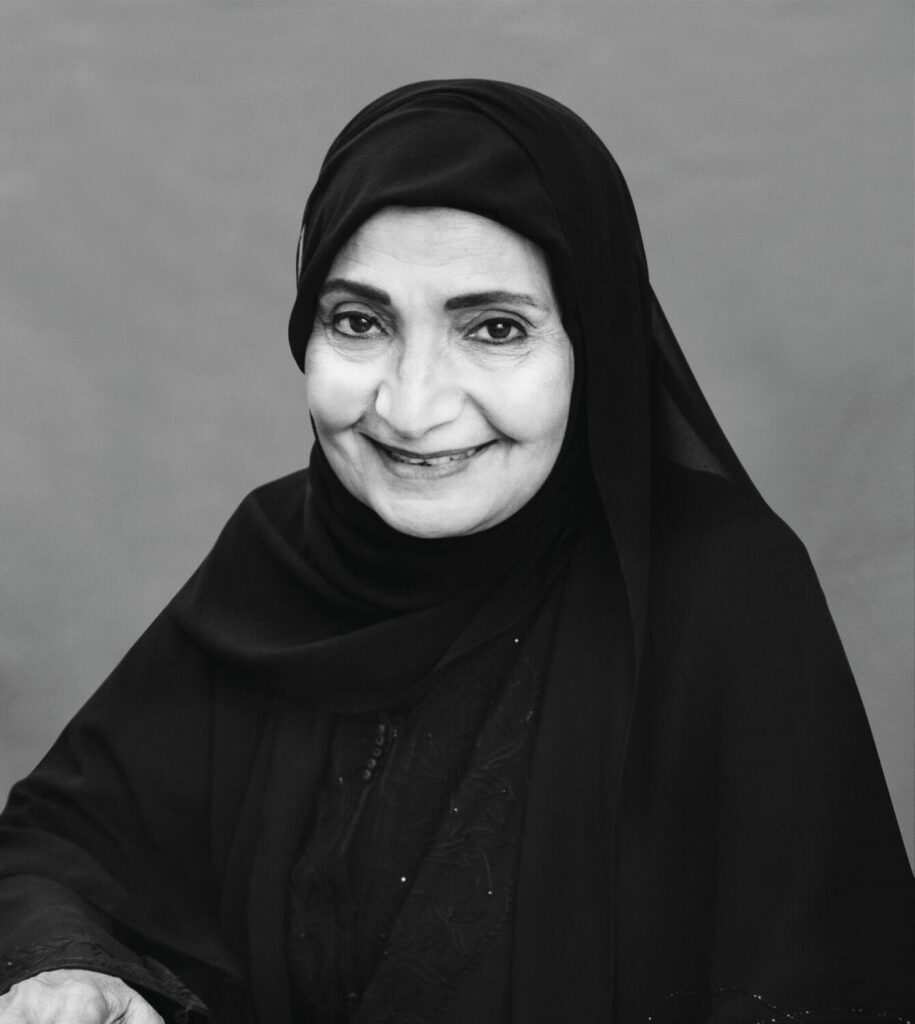
Dr Shaikha Al Maskari was the first woman petroleum engineer in the GCC and first to work in the UAE oil fields.
1983
Dr Hessa Abdullah Lootah became the first female TV director.
pix02
2004
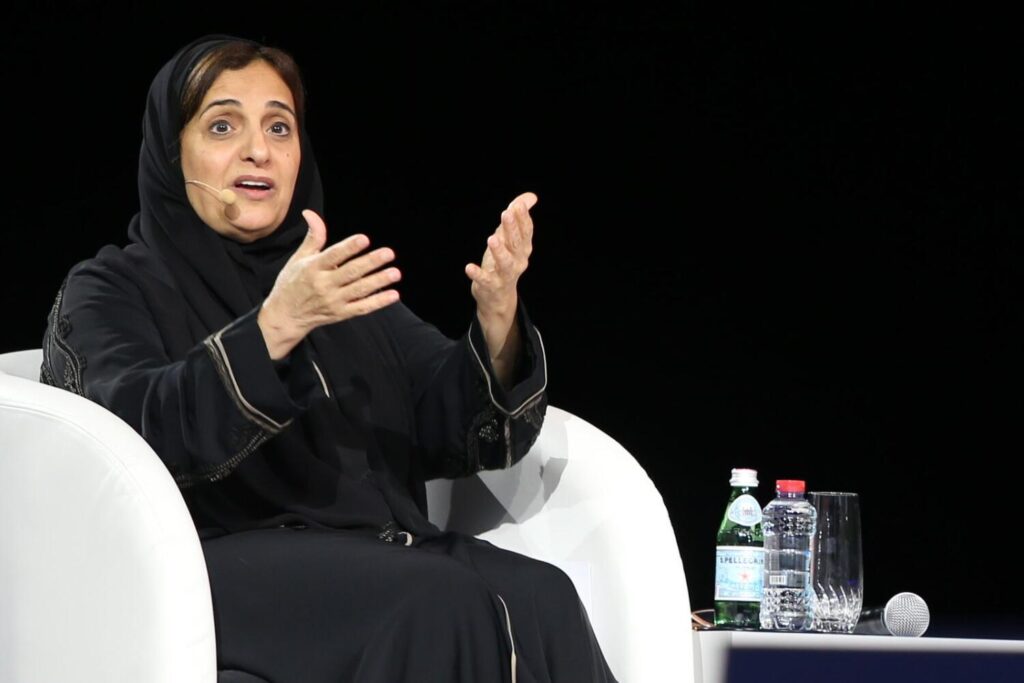
Sheikha Lubna Al Qasimi becomes the first female minister.
2006
Dr Amal Al Qubaisi was the first female FNC member.
2008
Khulood Al Dhaheri becomes the first female judge.
pix05
2008
Fatima Saeed Obeidi Al Awani was appointed (only second in Arab World) as marriage contract officer ‘Mazoun’.
2008
Dr Hissa Al Otaiba and Sheikha Najla Al Qasimi became the UAE’s first women ambassadors.
pix06
2013
Lana Nusseibeh becomes the first Emirati female ambassador to the UN.
pix07
2014
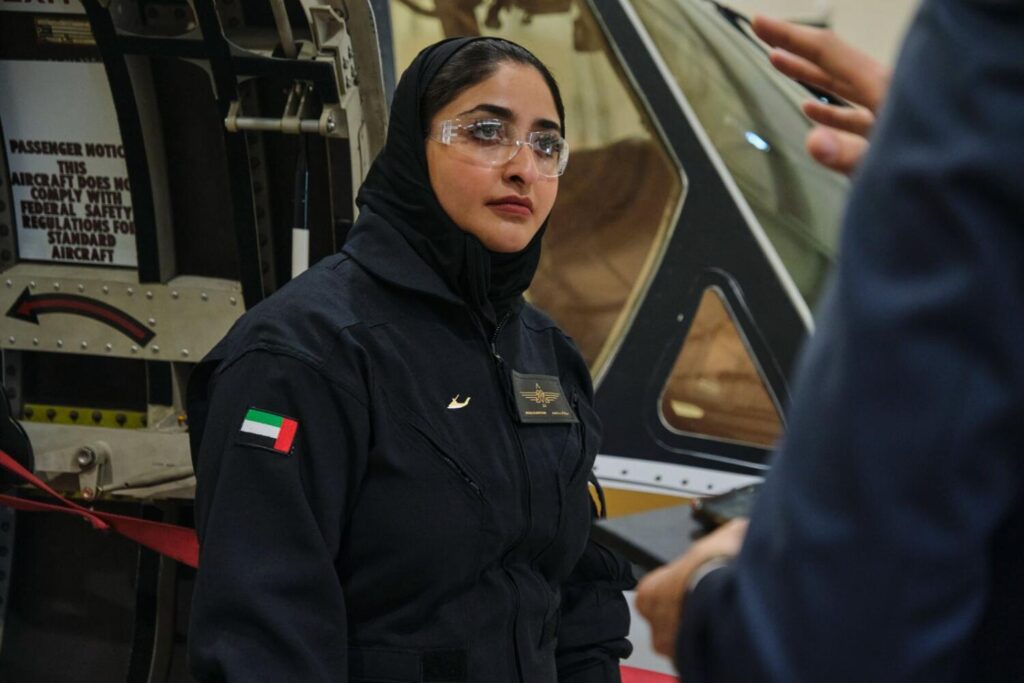
Major Mariam Al Mansouri becomes the first female Emirati fighter pilot
pix08
2014
Hana Kazim becomes the first Emirati to graduate from the prestigious American Film Institute (AFI).
2015
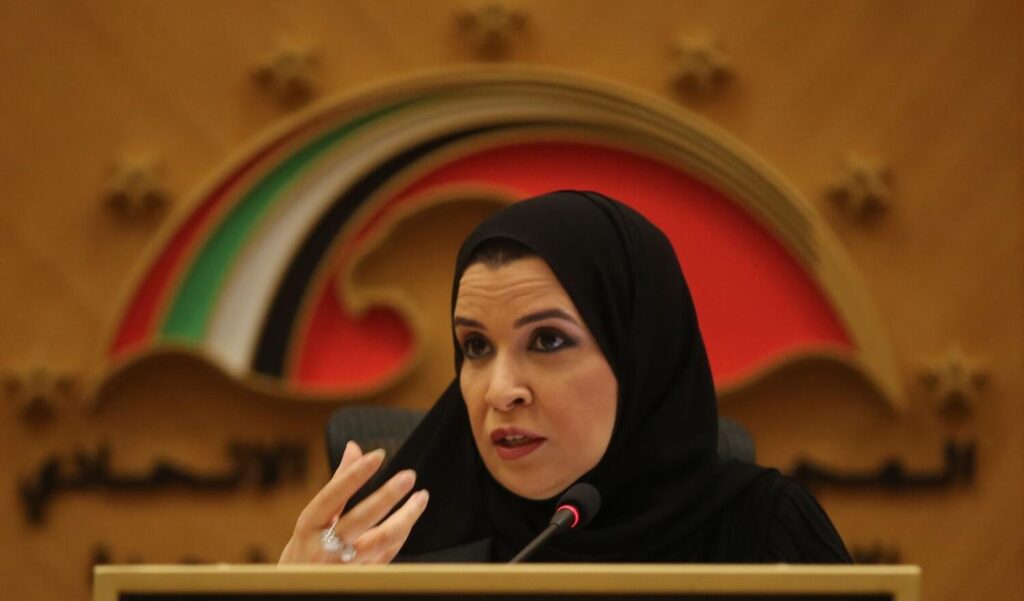
Dr Amal Al Qubaisi was elected as the first female Speaker of Federal National Council (FNC).
2015
Reem Al Marzouqi becomes first Emirati to be granted a patent in US for designing a car that can be driven without using hands.
pix09
2015
Hind Abdulaziz Alowais became the first Emirati woman to be posted at the UN Headquarters in New York.
pix10
2016
Ohood bint Khalfan Al Roumi becomes first Happiness Minister in the world.
pix11
2016
Ohood bint Khalfan Al Roumi becomes first Happiness Minister in the world.
pix12
2016
Horiya Al Dhahiri becomes the first woman from the Gulf to get a professional coaching licence from the Asian Football Confederation.
pix13
2016
Ghada Mohamed Al Rousi becomes the first officer with Air Arabia and the first woman to get a Multi-crew Pilots Licence (MPL).
pix14
2017
Maitha Qambar is the first Emirati woman to be conferred a Master’s Degree in Terrorism and Homeland Security Policy in the US.
pix15
2017
Lamia Tariq, six, becomes the youngest Emirati to compete in rhythmic gymnastics and brand influencer Emirati ambassador for Dubai Women’s Run.
pix16
2018
Zahra Lari first woman skater to represent UAE in 2018 Winter Olympics.
pix17
May 26, 2022
Nayla Albaloushi becomes first Emirati woman to scale Mount Everest.
pix18
May 29, 2022
Emirati businesswoman, Dr Majida Alazazi, the chairwoman of M Glory Holding Group, behind first UAE-made electric car.
May 30, 2022
Sheikha Mozah bint Marwan Al Maktoum becomes the first woman to pilot the AW609 tiltrotor .
An experienced pilot has risen through the ranks over 15 years with Etihad.
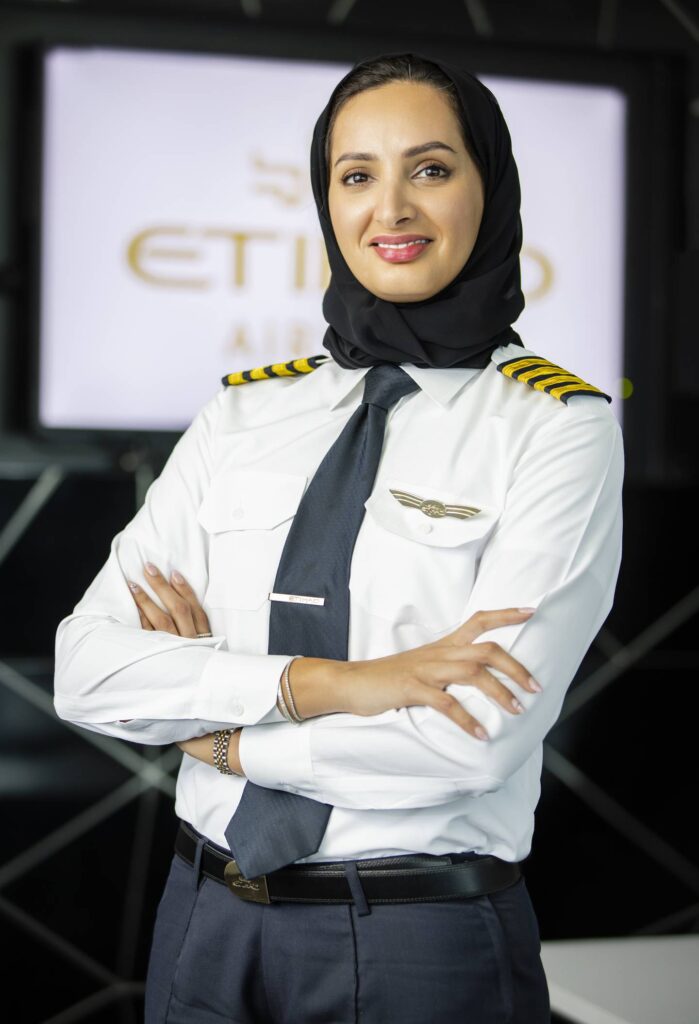
There is no limit for Emirati women, says Aisha Al Mansoori who has risen through the ranks from a cadet pilot at Etihad Airways to become captain. She is the first Emirati woman to achieve the feat.
At the airline’s crew briefing centre , Al Mansoori received four stripes on her uniform, confirming her new rank.
“I feel very happy and proud,” said the pilot aged 33, who has almost 6,000 flight hours under her wings since joining the UAE’s national airline more than 15 years ago.
“It is an achievement that I’ve been looking forward to and working hard for since I was a cadet pilot,” she told The National.
She took inspiration from her sister, Major Mariam Al Mansouri, the UAE’s first female fighter pilot.
“Growing up, becoming a pilot was not really an option for Emirati women. But I was lucky that my sister started flying when I was still in high school. I went with her to the air show,” she tells The National.
“When I saw the aircraft and pilots, I just fell in love. I knew that is what I want to do for the rest of my life.”
She joined Etihad’s cadet programme in 2007 where she trained with a Cessna 172, a four-seat, single-engine aircraft, and Diamond DA42, a four-seat, twin-engine aircraft.
After graduating, Al Mansoori joined Etihad Airways as a cadet pilot on Airbus A320. She progressed to flying Airbus A330s and became the first female UAE national to fly an A380 superjumbo, the world’s largest passenger jet.
Now she is back to flying Airbus A320s as a captain. Over the years, she was promoted to the ranks of second officer, first officer and senior first officer, and has now taken on the rank of captain, marking a first for her country. It has been a long and rewarding journey, and she still remembers the first time she took to the skies.
“The first time I flew an aircraft, it felt very isolated in the cockpit because we have to keep the doors closed. I had come after training in a simulator which is also a closed box environment. So, I was very focused on my mission,” she says.
“That’s when a training captain told me I should step outside and say goodbye to the passengers. And only then it hit me that those are the people who trust me with their lives. I realised what a great responsibility and a great honour it is to be a pilot.”
The job is also full of challenges, says Al Mansoori.
“If you’re not passionate, it’s hard to survive because of [the] long and irregular working hours. Sometimes you have to work through the night. You need to maintain a healthy lifestyle and control your rest to be able to function. But at the same time, the joy and fulfilment of the job are definitely worth it.”
The sky seems to be the limit for this high-flying Emirati who would one day like to train and inspire future pilots. “I think we have a lot of promising talents in the company that will do great in the future,” she said.
But for now, she’s excited that her milestone shatters another glass ceiling for Emirati women.
“We are both privileged and lucky to be born in the UAE as opportunities are open. All you need to do is seek it and take it.”
“Etihad is extremely proud of Captain Aisha’s achievement and the trailblazing role she is playing for women in aviation in the UAE. She will no doubt be the first of many, and Etihad looks forward to welcoming more female pilots to the rank of Captain in the future,” said Mohammad Al Bulooki, chief operating officer at Etihad Aviation Group.
Al Mansoori will commence regular flying duties as a captain at Etihad on August 28, a day that also marks Emirati Women’s Day.
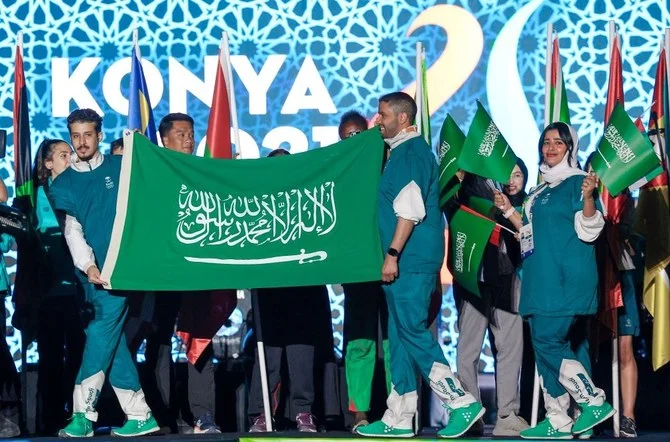
Team Saudi returned home to the Kingdom after collecting a record 24 medals at the 5th Islamic Solidarity Games held in Konya, Turkey, from Aug. 9-18.
They won two gold, 12 silver, and 10 bronze medals. The previous record was 11 medals at the 2017 Islamic Solidarity Games in Baku.
The competition saw the participation of 54 countries and 4,000 athletes.
The Saudi team placed 15th in the overall country standings, and its weightlifting athletes scooped 11 medals between them (one gold, six silver, and four bronze).
Athletics came second with five medals (four silver and one bronze), Karate with three medals (gold and two bronze), table tennis with two medals (one silver and one bronze), Paralympic swimming with one bronze medal, and finally a silver medal in the U23 football competition.
The Saudi weightlifting team won their first medals when Abdullah Al-Biladi delivered three bronzes on the opening day.
Siraj Al-Saleem delivered three silver medals in the 61kg event. On Thursday, Mansour Al-Saleem won gold in the 55kg event. Additional weightlifting medals came from Ali Al-Othman, who delivered a silver and a bronze.
Saudi track and field athlete Yousef Masrahi came second in the 400m race. His teammate Mazin Al-Yasin came third to secure the bronze in the same event.
Karate silver medalist at the Tokyo Olympics, Tarek Hamdi, secured first place on the podium after defeating his Azerbaijani opponent Ismayilov Gurban to win gold.
Hamdi said: “I’m thankful for all the support we get from SOPC (Saudi Olympic and Paralympic Committee) president Prince Abdulaziz and his VP Prince Fahad and all the Saudi karate fans and people who believed in me. I dedicate this success to them, and hopefully, our next goal is (the) Riyadh Asian Games 2034, where we hope to meet you all.”
Saud Al-Bashir and Sultan Al-Zahrani brought the other two bronze medals in Karate.
At the closing ceremony, SOPC vice president Prince Fahd bin Jalawi and the head of the Saudi delegation congratulated all the medal winners.
He also extended his appreciation and thanks to Turkish President Recep Tayyip Erdogan and Minister of Youth and Sports Dr. Muhammad Muharram Kasaboglu for successfully hosting the games.
source/contents: arabnews.com (headline edited)
__________
Saudi’s delegation claimed a total of 24 medals at the 5th Islamic Solidarity Games in Turkey. (SOPC)
Project shines a light on the cultural exchange between Algeria, France and Italy during the 1960s.
Zineb Sedira has outlined plans for her presentation at the French pavilion at this year’s Venice Biennale (23 April-27 November), revealing that the project will focus on Algerian cinema of the 1960s and 1970s and its links to the Italian and French film industries. The subject matter is timely as 2022 is the 60th anniversary of Algeria achieving independence from France. On 5 July 1962, Algeria became a sovereign state after an eight-year war which resulted in the deaths of at least 400,000 Algerians.
Sedira is the first artist of Algerian descent to be selected as the country’s representative. Sedira, who was born in Paris to Algerian parents, attended college in London, completing her undergraduate studies at Central Saint Martins school of art. She is now based in South London.
Sedira revealed her ideas for the cinematographic installation Dreams have no titles in an online press briefing held 18 February, outlining how she initially researched the history of Algerian film for an exhibition at the Jeu de Paume in Paris in 2019. Her passion for cinema was sparked by childhood trips to the local cinema in the 1960s in her home town of Gennevilliers outside Paris (these film outings were made with her father every Thursday when school was closed).
This interest developed further during her time as a student in London. “As part of postcolonial studies, I came across [the philosopher] Frantz Fanon and [the 1966 film] The Battle of Algiers. In France, I never came across those people because The Battle of Algiers was still censored in France [in the late 1970s and early 1980s],” she said. “There were no intellectual role models to me of Algerian origin; in England, I discovered there was a wealth of [Algerian] men, women and filmmakers.”
For the pavilion piece, Sedira carried out research at the Cinémathèque in Algiers, discovering that many films financed by the state of Algeria at the time were also co-produced with Italian and French filmmakers. “So when I was asked to propose an idea for the French pavilion, I thought of the Mostra [Venice Film Festival]. I thought it was interesting to do something around the three countries,” she said. Sedira wants to focus on the cooperation between France, Italy and Algeria— and the solidarity between the trio of nations—though her Venice “project goes beyond that”, the artist stresses.
Sedira visited numerous film archives in Algeria, France and Italy as part of the research process. “In Italy, [we visited] Venice, Turin and Bologna. We discovered a film that had disappeared,” says Yasmina Reggad, the co-curator of the French pavilion, referring to Les Mains Libres made by the Italian director Ennio Lorenzini in 1964.
“It was the first international film collaboration between Algeria and another country [Italy],” said Sedira, but after 1966 Les Mains Libres was lost. She eventually found the forgotten work in a small archive in Rome. “It is an important film for anyone interested in post-1962 Algerian history,” she adds.
The French pavilion project aims to be a starting point for discussions on other topics such as colonialism, collective and individual histories, national identity and the fight against racism. “The notion of a nation begs to be critiqued and challenged. What is a nation at the end of the day? It is a big fiction to believe that when you draw a certain line, everyone who happens to be behind this line is of the same mentality and culture,” said Sam Bardaouil, the co-director of the Hamburger Bahnhof in Berlin along with Till Fellrath (the duo have also co-curated the French pavilion).
“In a sense, a pavilion is an attempt to give a physical form to a fiction, so to use fiction in the language of cinema as a way to critique nation and belonging is such an intelligent and timely way to discuss these issues,” Bardaouil said.
The three pavilion curators will participate in a film to be shown in the pavilion. “We’ll be turned into actors and actresses,” said Reggad. Bringing together an artistic community was paramount, added Sedira, who relished the opportunity “to work with friends, to be surrounded by friends”. The film production will also include members of the crew and her son. “I was playing on the aesthetic and structure in cinema in the 1960s in low-budget films when one would play many roles,” she said
The pavilion project will also include a “conversation” with the UK pavilion artist, Sonia Boyce, and the Swiss representative, Latifa Echakhch. “Sonia was my neighbour for many years and she taught me at one point when I was studying art in London,” said Sedira.
At the briefing, the curators also discussed the three accompanying journals linked to the pavilion project. Each issue refers to a city—Algiers, Venice, and Paris—that has played an integral part in Sedira’s practice. “The journal is an extension of what the project entails inside the pavilion. The cities mark the phases of Zineb’s life, they become entry points to questions that are related to the themes that will be discovered in the film and installation in the pavilion,” said Bardaouil. Contributors include the French artist Laure Prouvost and the actor Nabil Djedouani.“The journal has allowed for a diversity and plurality of voices,” Bardaouil added.
The journal design is based on film magazines of the 1960s and 1970s, added Reggad, and also borrows from militant leaflets of the era. The journals are “doors to an intellectual horizon [with] texts, images and playlists”, said Eva Nguyen Binh, the president of L’Institut Français which is supporting the pavilion. Other sponsors include Arts Council England and the dealer Kamel Mennour who represents Sedira