Arabs & Arabian Records Aggregator. Chronicler. Milestones of the 25 Countries of the Arabic Speaking World (official / co-official). AGCC. MENA. Global. Ist's to Top 10's. Records. Read & Enjoy./ www.arabianrecords.org
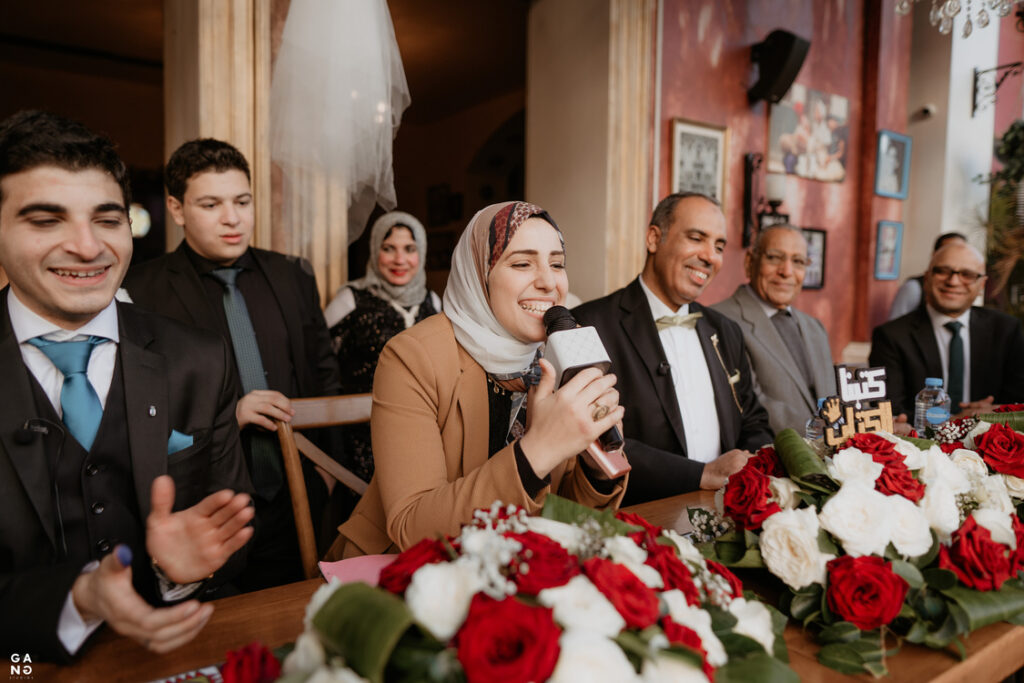
In December 2020, Zeinab el Kawashti married a couple, Sondos and Karim, in front of their family and friends. In a different time and place, this would have been a normal occurrence, yet it was the first time any of the guests had seen a woman as a marriage officiant.
This is not odd, given that female Ma’azin (Muslim marriage officiants) are extremely rare.
The first-ever female marriage officiant in Egypt was Amal Soliman; she was hired in 2018 by the Egyptian family court and has since then married more than 300 couples. Many were inspired by Soliman, among them El Kawashti.
El Kawashti is a female M’azoun, a mother of three, and an Azhar Law and Religious Studies graduate.
To become a Ma’zoun in Egypt, one must have at least a Bachelor’s degree. Ma’azin are restricted to their jobs as officiants, with no further commitments. There are around 45 requirements to become a Ma’zoun in Egypt, including age. As of 2014, a Ma’zoun can only be between the ages of thirty and forty. The requirements also include maintaining optimal physical wellbeing.
source/content : egyptianstreets.com
___________
Zeinab El Kawashti officiating at a katb ketab. Photo Credit: Sondos Moussa
Latifa Ibn Ziaten . French-Moroccan Activist. President, Association for Youth and Peace (IMAD).
Zayed Award for Human Fraternity has empowered me to continue fighting: Latifa Ibn Ziaten.
Anti-extremist French-Moroccan activist Latifa Ibn Ziaten, President of the Association for Youth and Peace (IMAD), called on countries participating in Expo 2020 Dubai to support the efforts aimed at supporting peaceful coexistence and combatting extremism.
She also lauded the UAE’s efforts to encourage social peace and promote the principles of tolerance and human fraternity.
In an exclusive interview with the Emirates News Agency (WAM), Latifa Ibn Ziaten, winner of the award in 2021, expressed her appreciation for the award.
“I am proud to be here in the UAE, the country that gave me the opportunity to win the Zayed Award for Human Fraternity, which empowered and motivated me to continue my journey and fight to help marginalised youths,” she said.
“We need to help each other, most notably the youth who engage in terrorism. I will explore the reasons that led them to choose extremism, as people are not born terrorists, but factors, such as misery, ignorance, desperation and specific lifestyles, have led them to become prey for terrorism,” she added.
Ibn Ziaten said that she delivered several lectures in Abu Dhabi on terrorism and participated in seminars on how to save the youth from terrorism, in addition to delivering lectures in Morocco, the US, India and Mali. In France, she has worked with the Ministry of Education and conducts weekly lectures to raise the awareness of the youth.
After her son was killed in a terrorist attack in 2021, Latifa Ibn Ziaten has dedicated herself to promoting tolerance and countering terrorism.
Top winners of the 17th edition of Algeria’s international Quran competition were awarded in a ceremony on Sunday, February 28th
Zeinab Bin Yousuf won claimed the title of the event. Yahya Bilal Yousuf from Bahrain and Syrian Abd al-Rahman Mohammad Hardan ranked third.
The ceremony was attended by a host of Algerian Quran activists and officials.
Representatives from 48 countries took part in this edition, which was held virtually due to the coronavirus pandemic.
The contestants went to Algeria’s embassies and consulates in their country to take part in the competition via video links.
Members of the panel of judges were from Algeria, Egypt, and Guinea.
According to Algeria’s Awqaf ministry, Wa Rattil al-Quran Tartila (referring to verse 4 of Surah a-Muzmmil that orders reciting the Quran in Tarteel) was the motto of this year’s competition.
Unlike previous editions that were held in the holy month of Ramadan, this edition was organized in the lunar Hijri month of Rajab on the occasion of Lailat-Al-Miraj, the day when Prophet Muhammad (PBUH) ascended to all the seven stages of heaven.
Launched in 2004, Algeria’s international Quran contest is held annually on memorization of the Holy Quran with the participation of young people under the age of 25.
Saudi Arabia has officially unveiled a special Riyadh Season stamp that set a new Guinness World Record.
Measuring an incredible 64 square feet 7 square inches, it broke the record for the biggest special stamp in the world on Feb. 14. The public finally got a glimpse of it when Saudi Post displayed it at Boulevard Riyadh City, one of the special Riyadh Season zones.
“By revealing this stamp, the world’s largest special stamp, we broke Walt Disney’s record, set in 2019,” Bandar Al-Toaimi, Saudi Post’s general manager of corporate communications, told Arab News.
“We are so delighted it has been achieved by Saudi capabilities; from concept to design and implementation, it was all done by Saudi talents devoted to Riyadh season.”
The special stamp celebrates Riyadh Season, which was introduced in 2019 and has become one of the biggest events in the Saudi entertainment calendar. The design includes a winter wonderland scene, the Riyadh Season logo, a hot air balloon, a fountain, a racing car and fireworks.
source/content: arabnews.com
___________
The special stamp is modeled around Riyadh Season, Saudi Arabia’s major event, and features winter wonderland, the Riyadh Season emblem, an airship, a fountain, a race vehicle, and fireworks. (Basheer Saleh)
Ahmed bin Saleh al Maskari. Athlete. Body Building.
Oman’s Ahmed bin Saleh al Maskari won silver medal in the 90kg weight category at the Arnold Classic Europe 2021 bodybuilding championship held in Spain from September 16 to 18.
Badr al Amri, head of the Technical Committee of the Oman Committee for Weightlifting and Bodybuilding, supervising the player’s training, said that Maskari was able to make his presence felt among the world’s most experienced bodybuilders.
“The Arnold Classic is one of the biggest bodybuilding tournaments in the world, and Maskari proved his mettle as he prepared well for it,” Amri said.
“Maskari is an important member of the national bodybuilding team. He has achieved great success and brought laurels for the sultanate in many international and local events.”
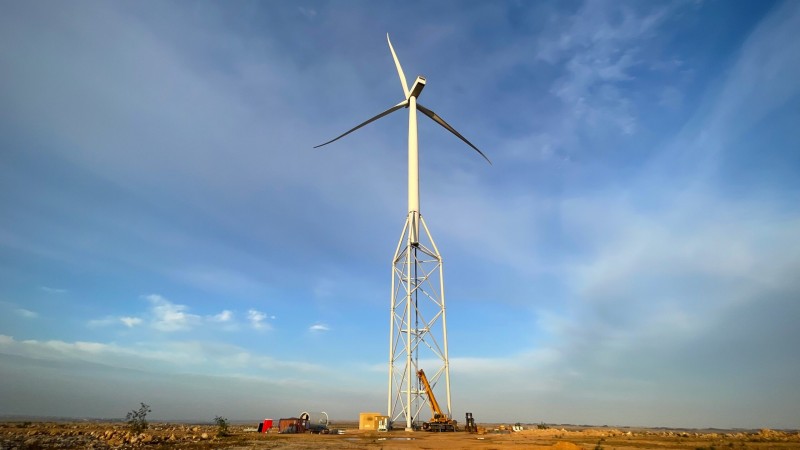
The state-of-the-art wind turbine in Morocco’s Oualidia is expected to generate an annual average of 2.500 MW/h, reducing CO2 emissions by 2.500 tonnes every year.
The 144-meter tall structure, part of the InnoVent’s Oualidia wind farm, provides a milestone thanks to high production capacity and cost-efficiency.
Construction work for the turbine began in 2019 following a deal between Morocco’s government and Spanish renewable energy company Nabrawind Technologies.
The installation is the first “self-erecting turbine” for Nabrawind Technologies.
Aside from breaking the continental height record for turbines, the Nabralift tower is special on grounds of the innovative construction method. The company used an innovative self-erecting system to construct the tower, without the need for conventional large-size cranes.
Built in collaboration with French developer InnoVent, the turbine additionally breaks the record for the tallest turbine constructed with a self-erecting system.
The innovative construction model was also cost-optimal as the tower only needed 80 square-cubic meters of concrete for its foundation, down from 500 square-cubic meters necessary for structures of such height, lowering cost by 60%.
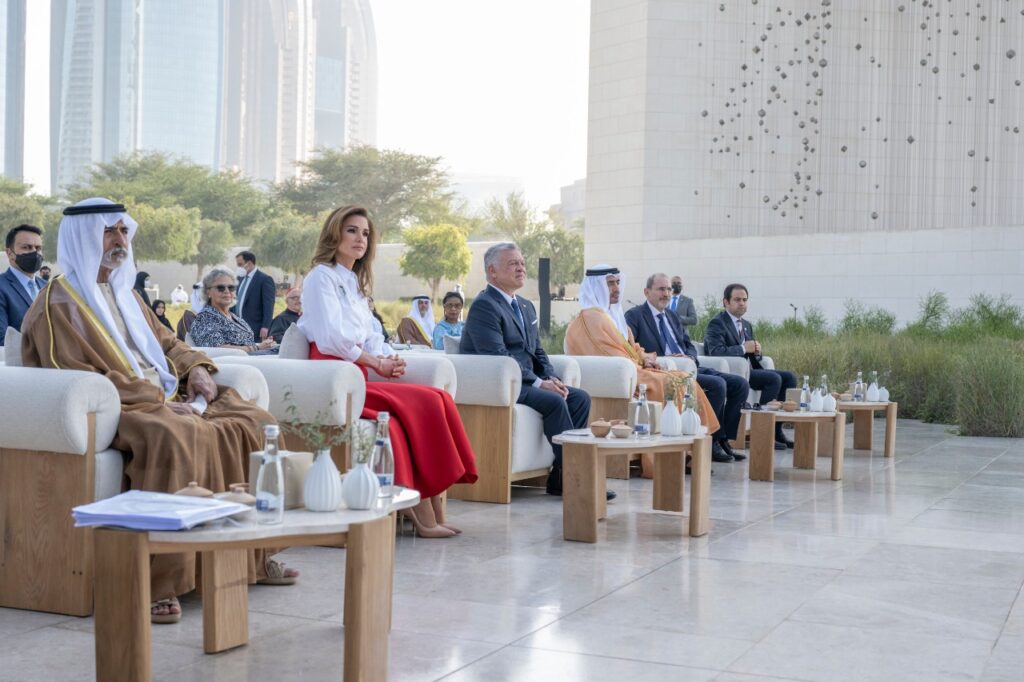
Their Majesties King Abdullah II and Queen Rania Al Abdullah of Jordan on Saturday, February 26th, received the 2022 Zayed Award for Human Fraternity.
In the presence of H.H. Sheikh Abdullah bin Zayed Al Nahyan, Minister of Foreign Affairs and International Cooperation, and Jordanian Foreign Minister Ayman Al Safadi, the award, presented during a ceremony hosted by the Higher Committee of Human Fraternity at the Founders Memorial in Abu Dhabi, was granted in appreciation of Their Majesties’ efforts to promote human fraternity, mutual respect, and peaceful coexistence. The award was also presented to Haitian humanitarian organisation FOKAL.
Attending the ceremony virtually, Grand Imam of Al Azhar Sheikh Ahmad Al Tayyib and His Holiness Pope Francis congratulated Their Majesties, describing them as role models for fraternity and coexistence.
Mohammed Abdulsalam, Secretary-General of the Higher Committee of Human Fraternity, also delivered a speech during the ceremony.
The award is organised by the Higher Committee of Human Fraternity, an independent international committee instituted to promote human fraternity values in communities around the world and to fulfil the aspirations of the Document on Human Fraternity, signed by Grand Imam of Al Azhar Sheikh Ahmad Al Tayyib and Pope Francis in Abu Dhabi in 2019.
Kuwait National Day is always celebrated on 25th February. This holiday marks the day when Sheikh Abdullah Al-Salem Al-Sabah ascended to the throne in 1950.
To commemorate the day , Kuwait’s Ministry of Defense held a show of military vehicles and equipment
NATIONAL DAY KUWAIT – Timeline
1613
Kuwait City is Founded
Kuwait City is founded as a fishing village.
1792
The East India Company Arrives
The East India Company secures the sea routes between Kuwait, India, and the east coasts of Africa.
1946 — 1982
Golden Era of Kuwait
Kuwait experiences a period of prosperity driven by oil and its liberal atmosphere.
2006 — 2009
The Peak of Prosperity
Kuwait has the highest Human Development Index ranking in the Arab world
______________________________
KUWAIT LIBERATION DAY
Kuwait Liberation Day is observed annually on February 26.
This holiday remembers the day Kuwait was liberated from Iraqi occupation in 1991.
The Liberation was the U.S. marshaled military operation — Operation Iraqi Freedom, to recoup Kuwait from Iraq after the 1991 bombing of Iraq. U.S. troops arrived to find the Iraqis surrendering as a whole, although pockets of resistance prevailed, especially at Kuwait International Airport where Iraqi troops, supposedly clueless that a retreat order had already been given, proceeded with fighting, which only resulted in an intense battle over the airport itself. Most of the fight happened in Iraq instead of Kuwait. The military operation is also commonly referred to as the Gulf War.
source/content : nationaltoday.com
_________
On February 25, Kuwait celebrates 61 years since it gained its independence from the British mandate. While the treaty was signed in June, Kuwait’s National Day was changed to February 25 in 1963 to coincide with the date that Abdullah Al Salem became ruler of Kuwait back in 1950. / Image Credit: Supplied / www.gulfnews.com
The Kingdom’s new Founding Day celebrates the true birthday of the First Saudi State in 1727
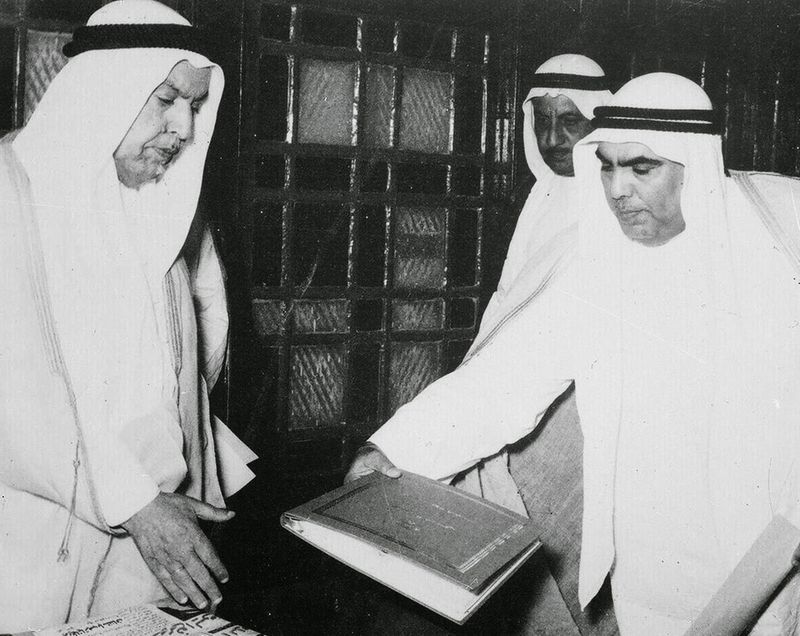
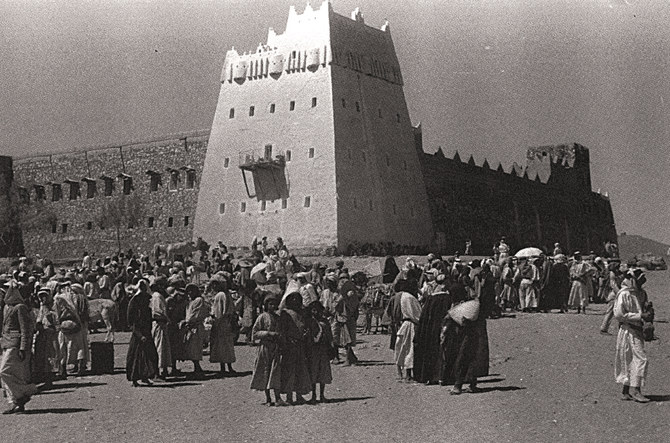
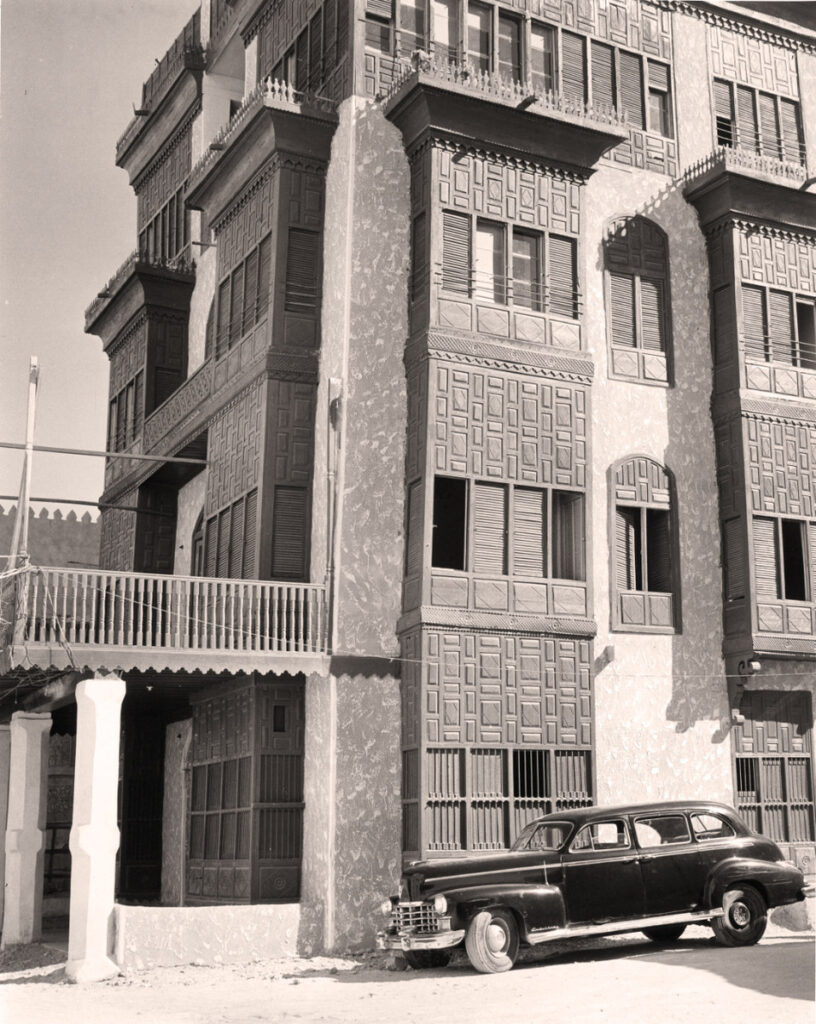
A 1946 photograph of Shada Palace in Abha, built in 1820.
For generations, historians and writers have unwittingly perpetuated the myth that the First Saudi State, forerunner of the modern-day Kingdom of Saudi Arabia, was founded in the year 1744.
In fact, as a new reappraisal of the origins of the Kingdom reveals, they were 17 years out.
There is no doubt that the events of 1744, the year in which Imam Mohammed ibn Saud of Diriyah offered sanctuary to the religious reformer Sheikh Mohammed ibn Abdulwahhab, were hugely significant.
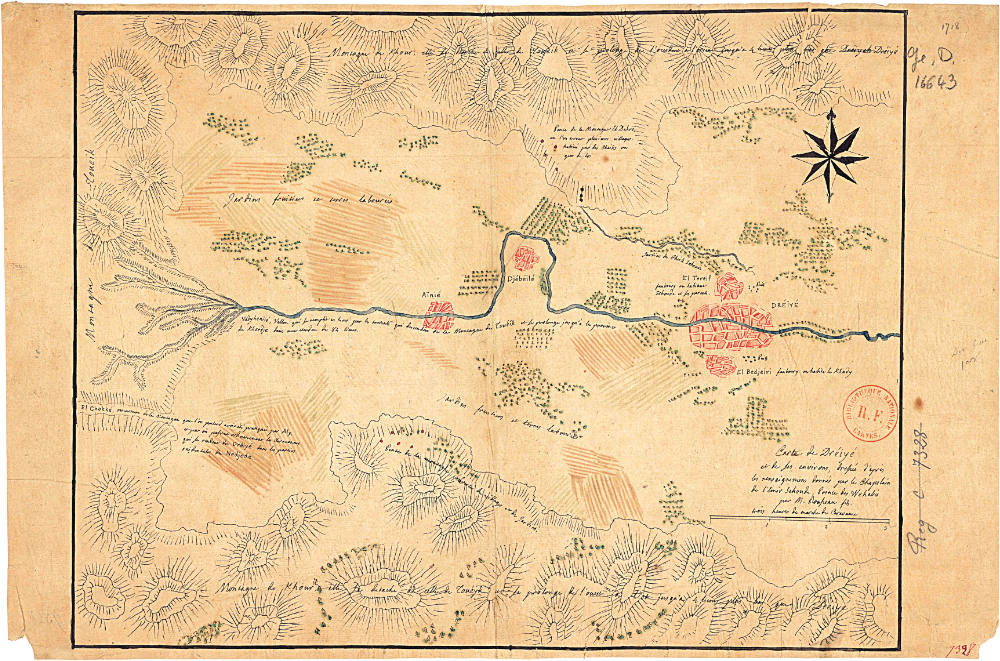
In this ‘Carte de Dreiye,’ the oldest-known map of Diriyah, drawn by a French diplomat in 1808, the historic UNESCO-listed district of At-Turaif on the Wadi Hanifah is recorded as ‘El Tereif.’
But over time the importance of that admittedly historic moment of common cause between state and faith came to obscure the far more complex and deeper-rooted origins of the First Saudi State.
It is to correct this neglect of the Kingdom’s crucial embryonic years that Founding Day has been created, to celebrate 1727 as the true moment of birth and to give Saudis a deeper appreciation of a past far richer than many realize.
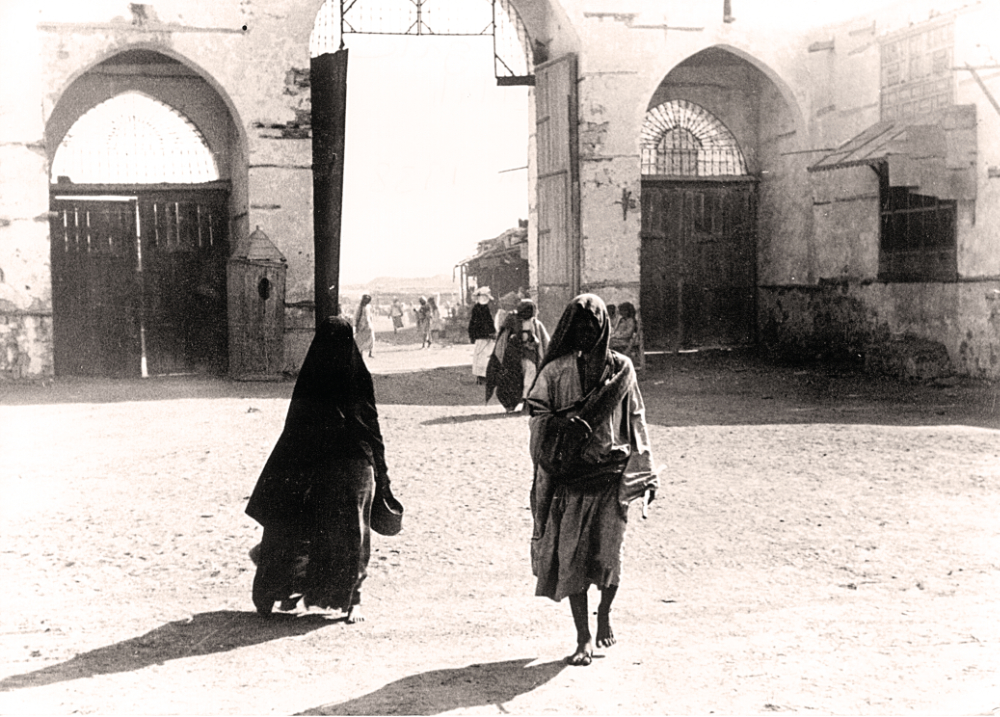
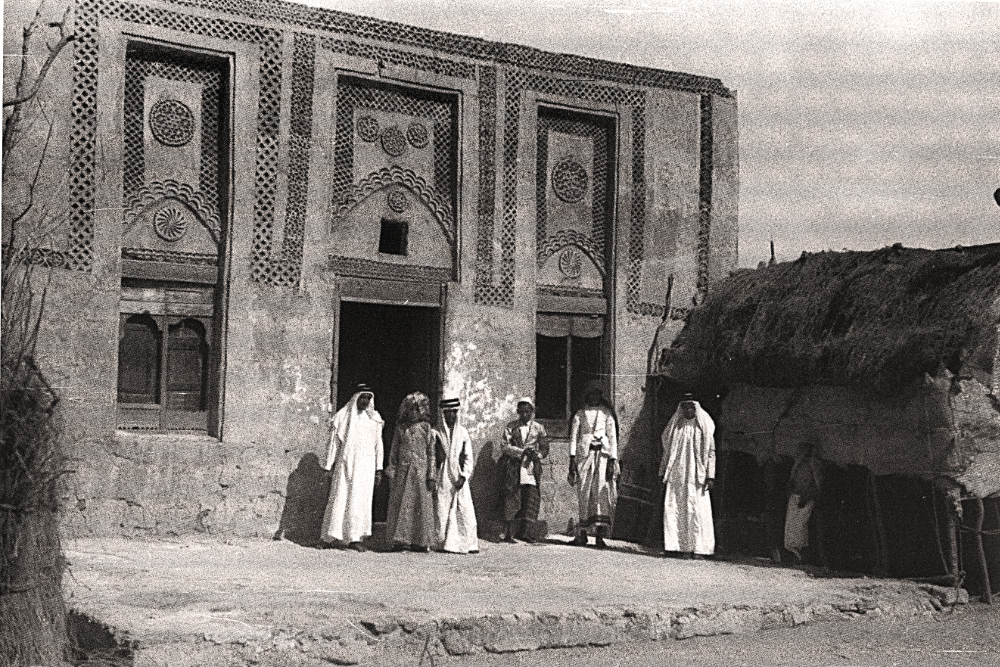
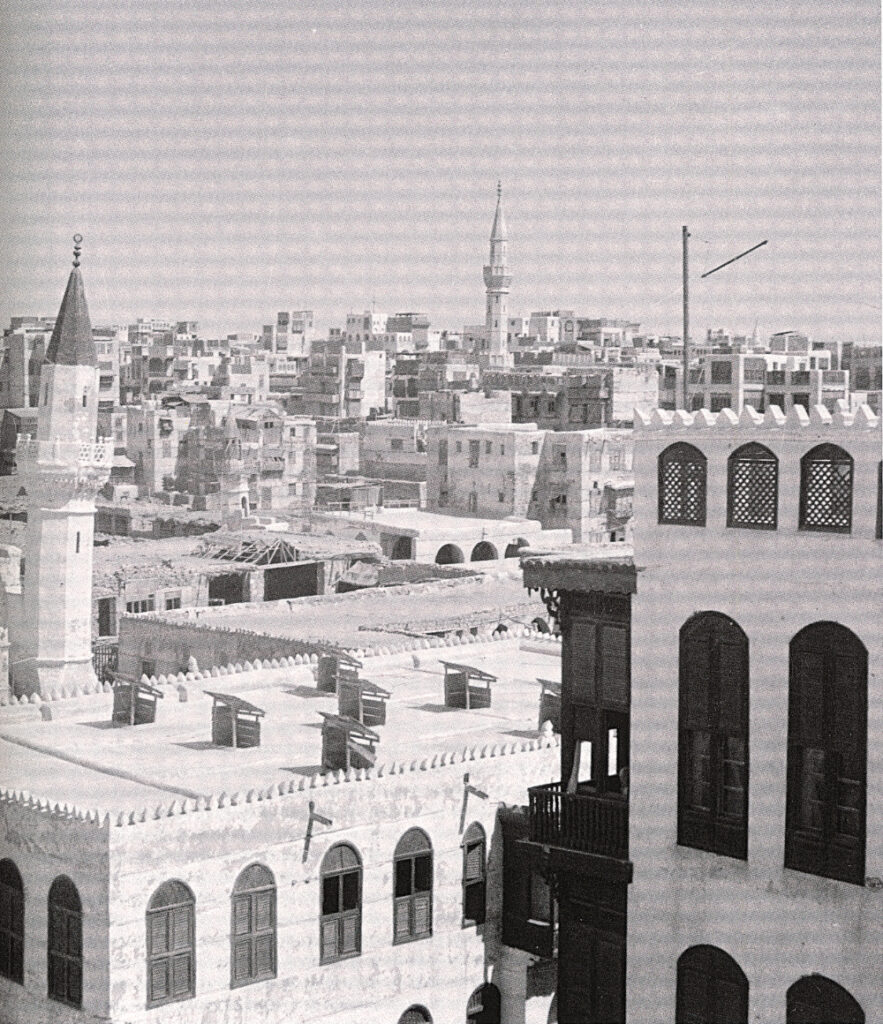
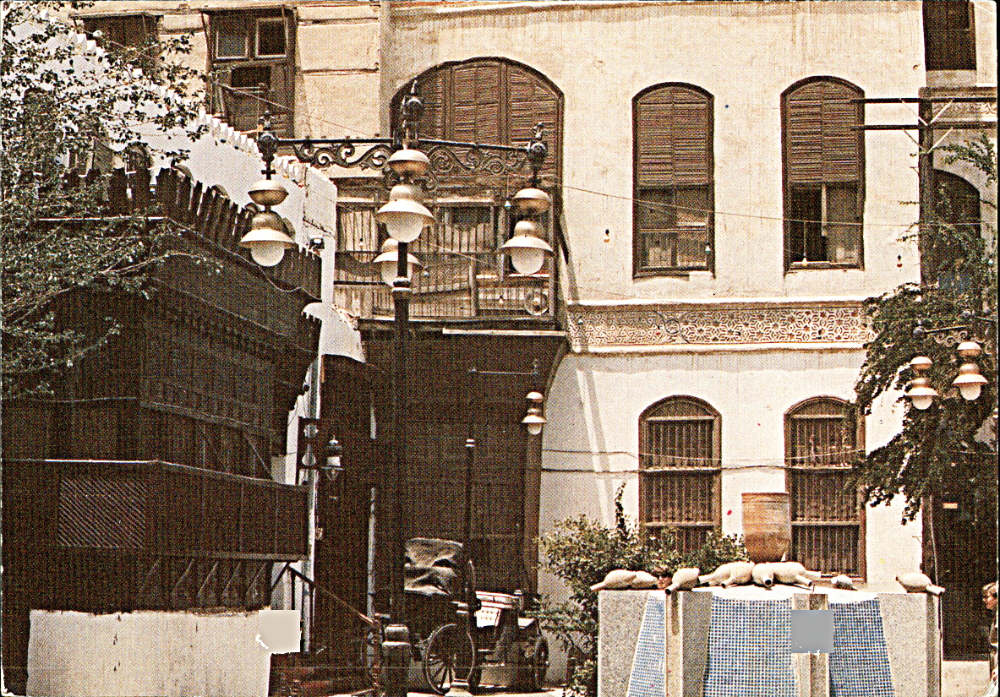
The original Makkah Gate in Jeddah.
It was in 1727 that Imam Mohammed ibn Saud came to the throne, carrying with him the dream of transforming the city state founded by his forebears three centuries earlier into the capital of a nation which, at its height, would bring peace and stability to most of the Arabian Peninsula.
This resetting of the clock from 1744 to 1727 is the outcome of extensive historical research that has been carried out studying the historical resources held by the new Saudi Historical School.
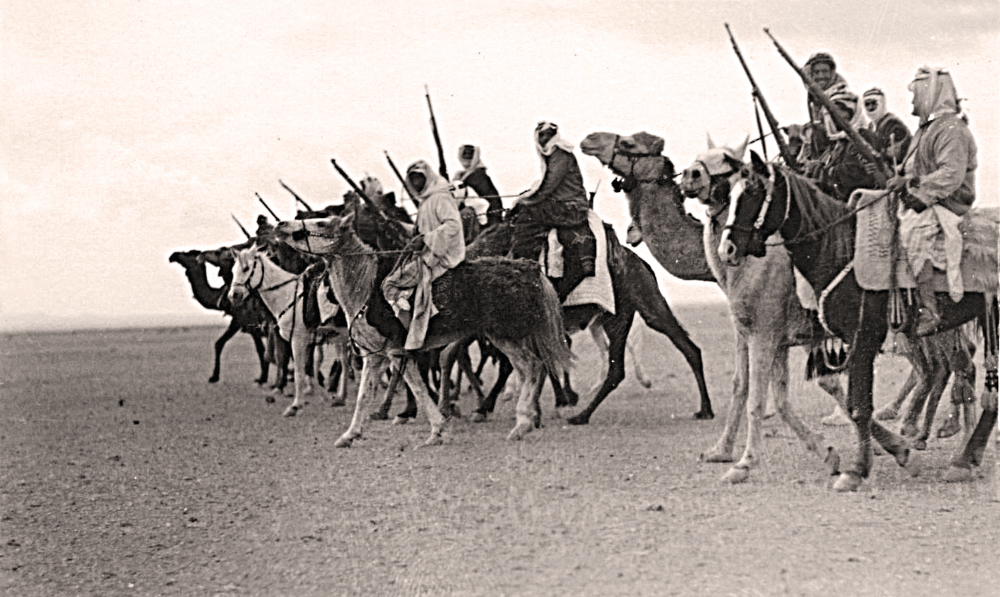
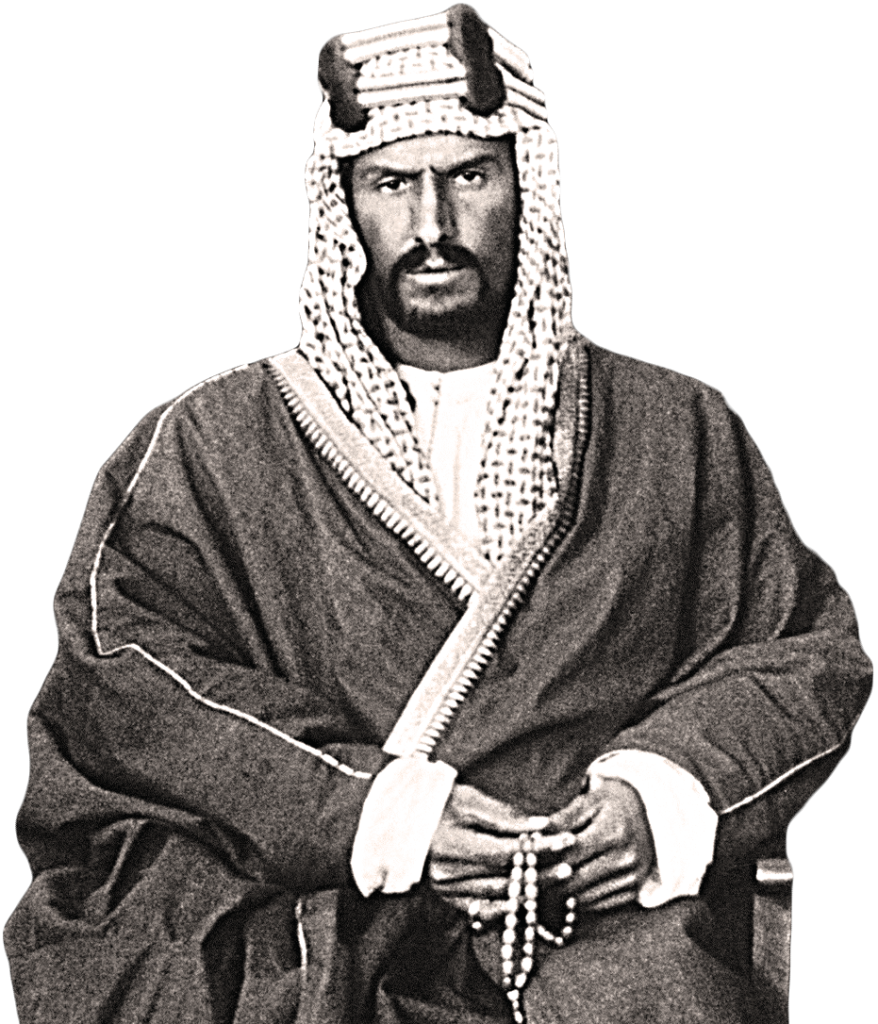
Ibn Saud’s warriors on the move in the early 20th century as the future founder of Saudi Arabia fought to bring the Najd and the Hejaz together.
“Many historians have linked the rise of the state to the arrival of Sheikh Mohammed ibn Abdul Wahab, and have neglected the initial period of Imam Mohammed ibn Saud’s rule and the preceding era, even though this was the foundational period of the state,” said Dr. Badran Al Honaihen, associate director of historical research and studies at Diriyah Gate Development Authority.
“The revision and reinterpretation of historical events is an intellectual phenomenon found in every part of the world. Previous writings can be considered judgments and opinions that do not prevent revisions or the reaching of new conclusions.”
It was in 1727 that Imam Mohammed ibn Saud came to the throne, carrying with him the dream of transforming the city state founded by his forebears three centuries earlier into the capital of a nation which, at its height, would bring peace and stability to most of the Arabian Peninsula. (Supplied)
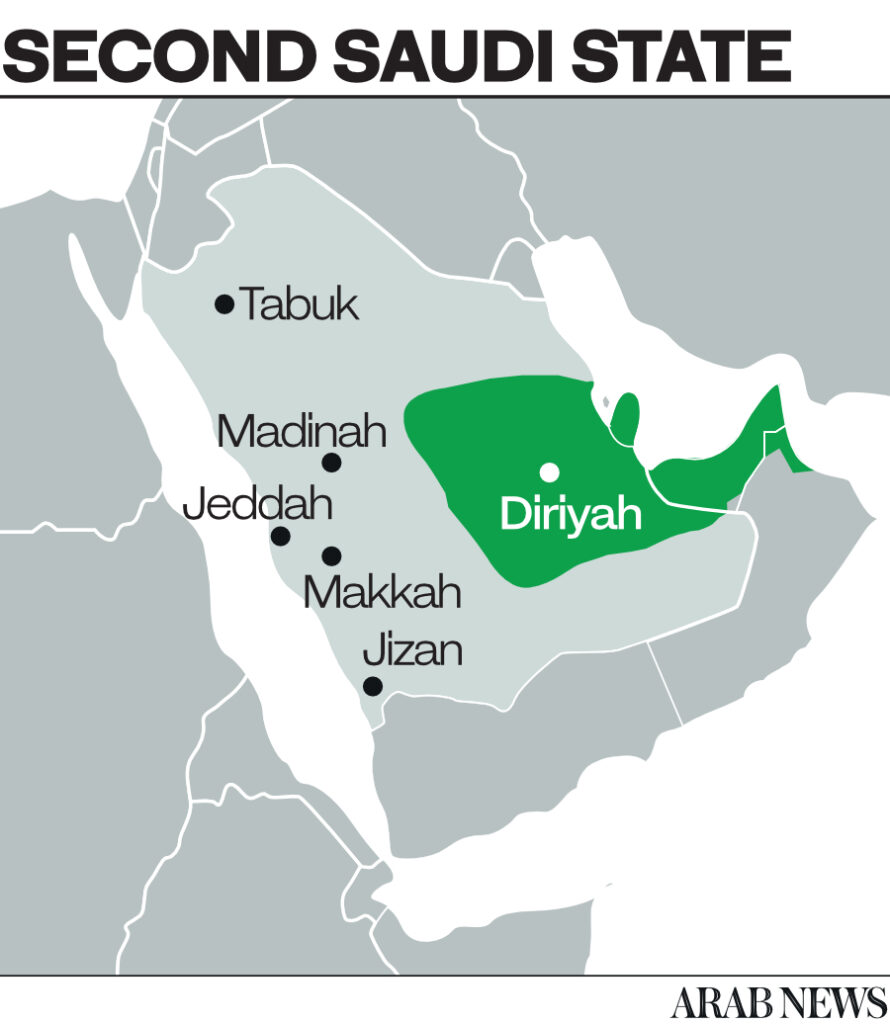
Today, no one can pinpoint exactly when the long journey toward statehood began. The first certain waypoint on the path is the year 430 when the Banu Hanifah tribe migrated to Al-Yamamah in the lower Najd from their home in the Hejaz on the Red Sea coast.
Here, at the junction of several important caravan routes, the tribe to which the ruling house of Al-Saud belongs settled and thrived, founding Hajr — modern-day Riyadh — trading, and growing crops in the fertile valley that in time would take their name — Wadi Hanifah.
With the coming of Islam the Banu Hanifah stepped on to the stage of world history for the first time.
It was in 1727 that Imam Mohammed ibn Saud came to the throne, carrying with him the dream of transforming the city state founded by his forebears three centuries earlier into the capital of a nation which, at its height, would bring peace and stability to most of the Arabian Peninsula. (Supplied)
In 628, six years after the hijra, the flight of Mohammed and his persecuted followers from Makkah to Madinah, the Prophet sent letters to various Arabian rulers, inviting them to embrace “Islam,” submission to the will of God.
The ruler of the Banu Hanifah at this time was Thumamah ibn Uthal, whose spiritual journey from initial rejection to heartfelt acceptance of Islam is celebrated in the Hadiths.
_____________________________________
IMAM MOHAMMED IBN SAUD’S MOST SIGNIFICANT ACHIEVEMENTS
• Unified Diriyah under his rule and contributed to its stability.
___________________________
• Managed internal affairs and strengthened Diriyah’s community.
__________________________
• Ensured regional stability.
_________________________
• Built the Diriyah wall to counter external attacks.
_______________________
• Began unification campaigns.
_______________________
• Political independence from any external influence.
______________________
• Organized the country’s resources.
_____________________
• Unified the majority of Najd.
_____________________
• Secured Hajj and trade routes.
________________________________________
In Hadith number 189, he is recorded as telling Mohammed: “There was no face on the face of the Earth that was more hateful to me than your face, but now your face has become the most beloved of all faces to me.”
In historical terms, Al-Yamamah would lay dormant for much of the next 800 years. This was a dark age of neglect and widespread emigration to escape the economic hardship endured under the oppressive Ukhaidhir dynasty, which rose to temporary prominence in the Najd in the ninth century.
Destiny, however, is a patient force, and by the 15th century the stage was finally set for the return to influence of the Banu Hanifah.
Generations earlier, part of the tribe had migrated eastwards to settle on the shores of the Arabian Gulf. But in 1446, Manaa’ Al-Muraide, leader of the Marada clan of the Al-Duru tribe of the Banu Hanifah, led his people back to the heart of Arabia, at the invitation of his cousin, Ibn Dira’, the ruler of Hajr.
The settlement they had founded on the coast they had named Diriyah after their tribal name, Al-Duru. Now they established a new Diriyah on the fertile banks of the Wadi Hanifah.
In the words of historian Dr. Badran Al-Honaihen, Al-Muraide’s arrival “laid the building blocks for the establishment of the greatest state in the history of the Arabian Peninsula, after the Prophetic State and the Rashidun Caliphate.”
It was in 1727 that Imam Mohammed ibn Saud came to the throne, carrying with him the dream of transforming the city state founded by his forebears three centuries earlier into the capital of a nation which, at its height, would bring peace and stability to most of the Arabian Peninsula. (Supplied)
Another 300 years would pass before the next momentous steps were taken. In 1720, Saud ibn Mohammed assumed the leadership of Diriyah, who the Saudi Royal Family named after him.
Today, historians date the origin of the First Saudi State to 1727, when Saud’s son, Mohammed, became the ruler of the city state.
He had, said Al-Honaihen, “assumed power in exceptional circumstances.” Diriyah had been rent by internal divisions, and a plague that had spread throughout the Arabian Peninsula had claimed many lives in the Najd. Nevertheless, “Imam Mohammed was able to unite Diriyah under his rule, and to contribute to the spread of security and peace at the regional level and on the level of the Arabian Peninsula.
“The project of the first Saudi state began in 1727, and then his sons took it on after him. What we need to remember from this story is unity, security and peace after centuries of lack of unity.”
It was in 1727 that Imam Mohammed ibn Saud came to the throne, carrying with him the dream of transforming the city state founded by his forebears three centuries earlier into the capital of a nation which, at its height, would bring peace and stability to most of the Arabian Peninsula. (Supplied)
At last, here was a leader with a vision that extended beyond his immediate horizon, and who was determined to found a new state, based on education, culture and security and allegiance to the true faith of Islam.
It was to this dynamic and politically and economically increasingly powerful new state that the religious reformer Sheikh Mohammed ibn Abdul Wahab was drawn.
The sheikh, a religious scholar from the nearby village of Al-Uyayna, had become increasingly concerned that many in the Arab world were forsaking the teachings of the Prophet and returning to heretical pre-Islamic ways. His attempts to introduce reforms were met with hostility in Al-Uyayna, but he would find sanctuary in Diriyah.
“The migration to Diriyah of Sheikh Mohammed ibn Abdul Wahab came as a natural result of Imam Mohammed ibn Saud’s policies,” said Al-Honaihen. “The Imam was known to be religious, and his two brothers, Thunayan and Mishari, and his son Abdulaziz were among those in contact with Sheikh Mohammed ibn Abdulwahhab in Al-Uyayna.
“Sheikh Mohammed did not leave al-Uyayna until after Imam Mohammed invited him to come to Diriyah, and there was a state capable of protecting the Sheikh’s religious mission.”
For his part, “in supporting this reformist mission, Imam Mohammed saw that it was in agreement with the principles of the state he was working to establish, especially its religious aspect.”
In short, it was not the alliance of Sheikh and Imam that made possible the foundation of the First Saudi State, but rather it was the existence of that state, already politically and economically strong, that made possible the spread of the message of reform.
It was in 1727 that Imam Mohammed ibn Saud came to the throne, carrying with him the dream of transforming the city state founded by his forebears three centuries earlier into the capital of a nation which, at its height, would bring peace and stability to most of the Arabian Peninsula. (Supplied)
Al-Honaihen stressed that the decision to officially recognize 1727 as the year of founding should in no way be interpreted as undermining religion as the cornerstone of the Kingdom of Saudi Arabia.
“That’s not correct,” he said. “The objective is merely to put a precise political date to the founding of the state, namely Imam Mohammed ibn Saud’s accession to power in Diriyah, since a number of erroneous policies and opinions had arisen concerning the rise and establishment of the state.
“Moreover, the state in its constitution stipulates that the Kingdom of Saudi Arabia is an Arab Islamic state whose religion is Islam and whose constitution is the Book of God and the Sunna of His Prophet.”
It was in 1727 that Imam Mohammed ibn Saud came to the throne, carrying with him the dream of transforming the city state founded by his forebears three centuries earlier into the capital of a nation which, at its height, would bring peace and stability to most of the Arabian Peninsula. (Supplied)
He is also clear that Founding Day is not an alternative to National Day, celebrated on Sept. 23, but complementary to it.
“Founding Day is not intended to replace Saudi National Day, which celebrates the unification of the Kingdom of Saudi Arabia in 1932, but rather to recognize the beginning of the Saudi state’s history with a new event that celebrates the deep historical roots of the Kingdom.”
Although there is no doubt about the year, 1727, the precise date of the start of Imam Mohammed’s reign is lost to history, according to Al-Honaihen.
Feb. 22 was selected as Founding Day simply because a number of important events are known to have taken place in the first months of Imam Mohammed’s reign, at the start of 1727.
Sammy Clark (aka) Sami Clark (aka) Sammy Hobeika. .
Clark is most recognised for singing the opening credits for the children’s cartoon Grendizer which was popular in late ’70s to ’90s.
In 2018, Clark performed a rearranged version of the song with Emirati composer Ihab Darwish alongside the Beethoven Academy Orchestra.
“To celebrate 40 years since Grendizer aired in the Arab World, I dedicate this special rearranged medley to all who enjoyed this iconic animation. Together with Sammy Clark with his heroic voice and timeless performance, with his words cheering for our Space Robot Grendizer defending Earth from attacks by intergalactic invaders, I give you this masterpiece to enjoy your childhood memories,” Darwish wrote at the time of sharing the new musical arrangement of the track.
Sammy Clark passed away in Lebanon, on Sunday, February 20th, 2022.
source/content: thenationalnews.com (edited for space)
_____________
Photo: Department of Culture and Tourism Abu Dhabi / thenationalnews.com