Arabs & Arabian Records Aggregator. Chronicler. Milestones of the 25 Countries of the Arabic Speaking World (official / co-official). AGCC. MENA. Global. Ist's to Top 10's. Records. Read & Enjoy./ www.arabianrecords.org
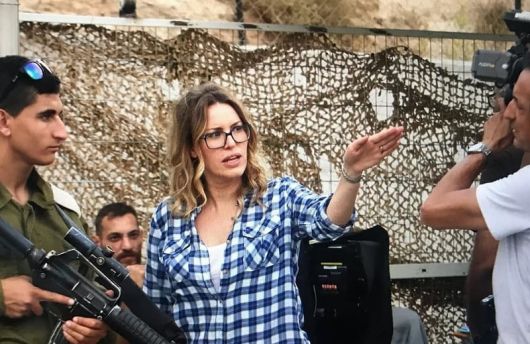
Oscar-nominated and BAFTA award-winning Palestinian-British filmmaker Farah Nabulsi is calling for global empathy towards Palestinians through her debut feature film, The Teacher.
In an interview, Nabulsi emphasized that her film aims to challenge audiences to reflect on the harsh realities Palestinians face under occupation. “I want people to ask themselves: Is this a reality they would accept for themselves? And if it isn’t, why have Palestinians been expected to?” she stated.
Nabulsi, whose film premiered at the Toronto Film Festival in September 2023, expressed that The Teacher offers a deeper human context to the ongoing situation in Palestine, especially as “Israel”’s actions in Gaza intensify.
Born and raised in the UK, Nabulsi’s first visit to Palestine a decade ago profoundly impacted her perspective, as she witnessed firsthand the injustice and discrimination faced by Palestinians. This experience spurred her to use storytelling as a way to process and respond to the issues she encountered.
Filming in the occupied West Bank proved emotionally and logistically challenging. Nabulsi shared that the realities of filming in such a context, alongside a cast and crew deeply affected by these experiences, created an emotional toll.
The film addresses issues such as settler violence, home demolitions, and the mistreatment of children in military courts, with Nabulsi drawing inspiration from real-life conversations and her observations. Through The Teacher, Nabulsi hopes to inspire global empathy for Palestinians and garner support for their struggle for freedom.
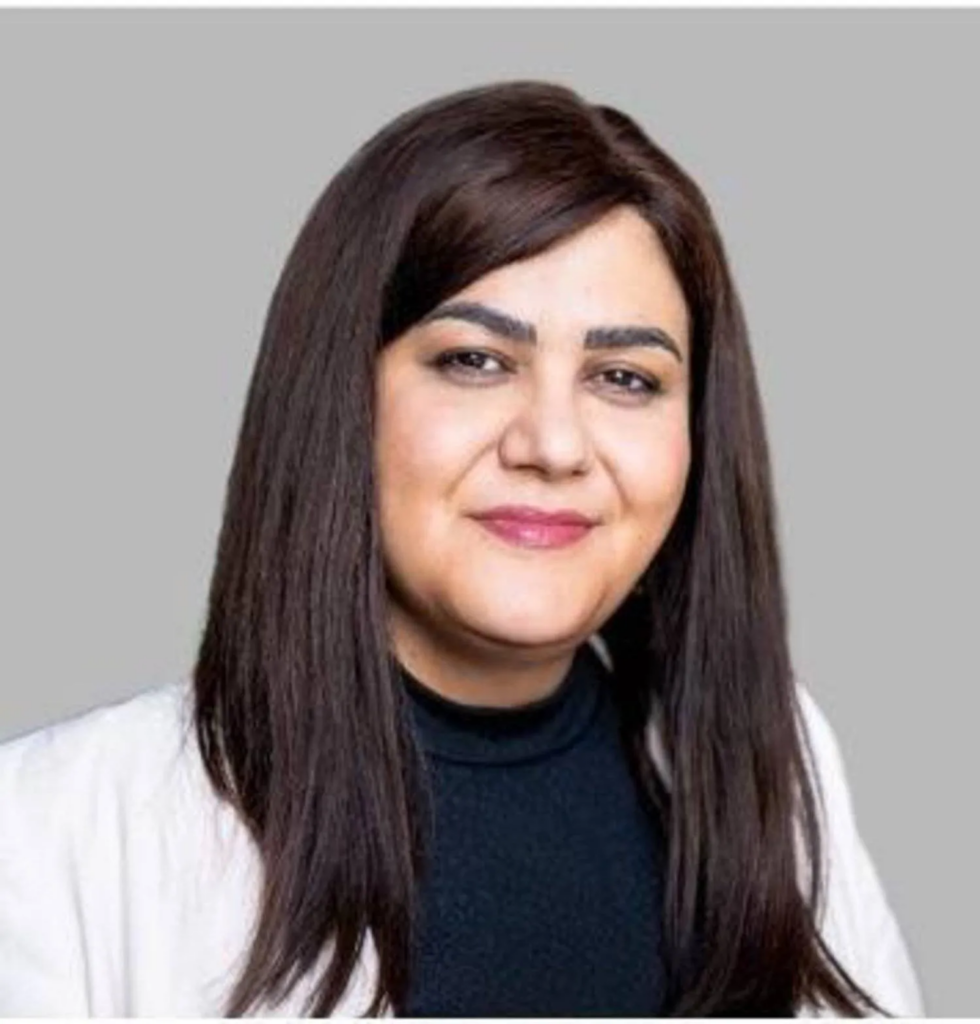
Lebanese Professor Niveen Mohammad Ali Khashab won the Great Arab Minds Award-2023 in Natural Sciences, for her contributions in chemistry, bioengineering and biology.
Her research interests focus on applications of programmable, intelligent, engineered nanomaterials and their uses for medical, pharmaceutical, industrial and environmental purposes. Sheikh Mohammed bin Rashid Al Maktoum, vice president, prime minister and ruler of Dubai, said that scientific and cognitive curiosity has been the base of nations’ cultural development throughout history.
The winning announcement was made by Sheikh Mohammed bin Rashid Al Maktoum. Prof. Niveen Khashab is associate dean of Physical Sciences and Engineering Division and Professor of Chemistry at KAUST – Kingdom of Saudi Arabia, given her pioneering contributions in the field of natural sciences and her research in Arab universities.
“Today we announce the winner of the Arab Minds Award in natural sciences, Professor Nevin Khashab, a researcher and academic who inspires a new generation of young scientists in the Arab world and transforms research into advanced innovations in medicine, advanced industries, nanotechnology and sustainable agriculture,” said the Ruler of Dubai.
“Scientific achievement is the basis of civilizational development. We want to preserve scientists, empower them, honor them, celebrate their achievements and provide them with the space they need to transform their ideas and research into reality. Resuming the region’s contribution to human civilization is a comprehensive project and a strategic commitment that focuses on the Arab citizen capable of achievement, creativity and excellence in science and knowledge,” he added.
Khashab is exploring the new opportunities that nano capsules and devices can provide in drugs, gene therapies, medical diagnosis and industries, given their sturdiness, durability and superior thermal resistance.
Khashab is currently experimenting with carbon nanotubes characterized with their exceptional rigidity and strength, as well as electronic properties. She is also testing applications of carbon tubes in smart membranes. Khashab also collaborated on designing smart materials used in biomedical systems based on molecule assemblies at the nanoscale using non-covalent interactions.
The applications of the scientific innovations and smart materials developed by Khashab are diverse, including medical in the fields of sensing and drug, therapeutic and surgical delivery; industrial as in nanocomposites and others; and environmental in sustainable agriculture solutions and platforms.
Mohammad Al Gergawi, chairman of the Committee leading Great Arab Minds, congratulated Khashab on the phone, hailing her contributions in natural sciences and its pioneering research that opened new horizons in the uses of ultra-fine nanomaterials for medical and pharmaceutical purposes and advanced technology applications.
The initiative aims to promote the reverse migration of Arab minds and keep them in the Arab world by celebrating, honoring and highlighting their achievements.
The competition received thousands of nominations in its six categories: engineering and technology, medicine, economics, literature and natural sciences, arts, architecture, and design.
The Great Arab Minds Awards’ winners announced so far are: Dr. Hani Negm from Saudi Arabia in Medicine, Professor Fadel Adib from Lebanon in Engineering and Technology, Dr. Muhammad el-Erian in economics, and Professor Niveen Khashab in natural sciences. The winners in the two remaining categories will be announced later.
Scopely, a US-based firm backed by Saudi Arabia’s Public Investment Fund, has signed a deal worth $3.5 billion to acquire the video game division of Niantic Labs.
In a press statement, Scopely said that the team employed to make games such as Pokemon GO, Monster Hunter Now and Pikmin Bloom are included in the acquisition.
This takeover aligns with the Kingdom’s ambitions to establish itself as a global gaming destination, with a national strategy aiming to ensure that the sector will contribute $13 billion to gross domestic product by 2030.
In April 2023, Savvy Games Group, wholly owned by PIF, acquired Scopely for $4.9 billion.
“Few games in the world have delivered the scale and longevity of ‘Pokemon GO,’ which reached over 100 million players just last year. The experience also stands apart for its unique ability to foster in-person connections, with Pokemon GO live events attracting millions of attendees,” said Tim O’Brien, chief revenue officer and board member of Scopely.
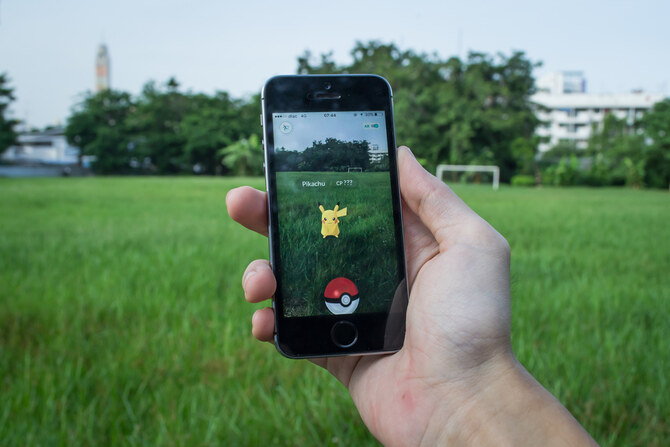
Despite being launched nearly a decade ago, Pokemon GO is still one of the most popular games in the world, with over 20 million weekly active players.
O’Brien added: “After spending time with the Niantic team, it quickly became clear that this organization shares our inclination to create industry-leading outcomes and exceptional player experiences. We look forward to a bright future ahead.”
The games business of Niantic Labs generated over $1 billion in revenue in 2024, according to the statement.
In a separate release, the US-based firm said it would distribute an extra $350 million to its equity holders under the deal, yielding a total value of approximately $3.85 billion for the company’s shareholders.
Niantic added that it will also spin off its geospatial AI business into a new firm named Niantic Spatial, under the leadership of its founder and CEO, John Hanke.
The company will be funded with $250 million of capital, including $200 million from Niantic’s balance sheet and a $50 million investment from Scopely.
“I’m confident our games will thrive with Scopely. I’ve often talked about building ‘forever games,’ and I believe they will continue to be just that,” Hanke wrote on his LinkedIn page.
Since the launch of Vision 2030, Saudi Arabia has been actively promoting the gaming industry, with PIF already holding stakes in major companies such as Nintendo, Electronic Arts, and Take-Two Interactive.
In 2024, the Kingdom also hosted the eSports World Cup, which carried a prize pool of over $60 million.
source/content: arabnews.com (headline edited)
_____________
Pokemon GO is one of the most popular games in the world, with over 20 million weekly active players. Shutterstock
Participants from more than 90 countries discuss development of comprehensive Islamic identity
1,800-page ‘Encyclopedia of Islamic Intellectual Harmony’ prepared by 60 scholars
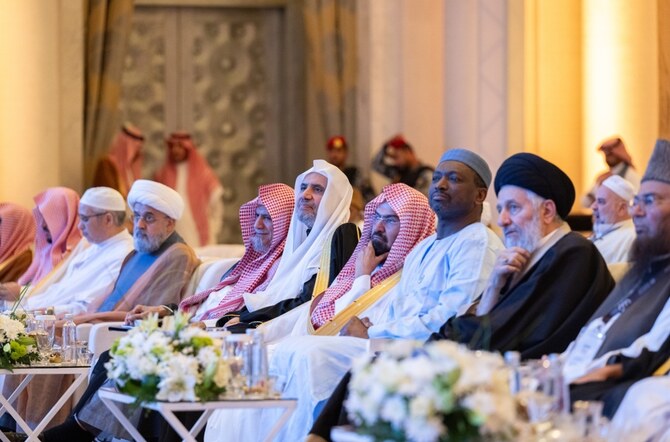
The second “Building Bridges Between Islamic Schools of Thought” international conference concluded in Makkah early on Saturday, with participants from more than 90 countries adopting the “Encyclopedia of Islamic Intellectual Harmony.”
Held under the patronage of King Salman bin Abdulaziz, the two-day conference gathered senior muftis, scholars, and thinkers who also approved the strategic and executive plan for the document “Building Bridges between Islamic Sects,” a media statement said on Saturday.
The conference was organized by the Muslim World League and held under the theme “Towards an Effective Islamic Alliance.”
The high-level session dedicated to the recitation of the conference’s final statement, which was issued at dawn on Saturday, was attended by the Secretary-General of the Muslim World League, and Chairman of the Muslim Scholars Association, Sheikh Dr. Mohamed bin Abdul Karim Al-Issa; Member of the Council of Experts for Leadership in Iran, Sheikh Ahmed Mobalghi; Adviser at the Royal Court in Saudi Arabia, Imam and Preacher of the Grand Mosque, Sheikh Dr. Saleh bin Abdullah bin Hamid; Head of Religious Affairs at the Grand Mosque and the Prophet’s Mosque, Imam and Preacher of the Grand Mosque, Sheikh Dr. Abdulrahman Al-Sudais; Secretary-General of the International Islamic Fiqh Academy of the Organization of Islamic Cooperation, Dr. Mustafa Qutb Sano; Member of the Council of Senior Scholars in Saudi Arabia, Dr. Youssef bin Mohamed bin Saeed; and the Mufti of Sidon in Lebanon, Sheikh Mohamed Osseiran.
The attendees witnessed the launch of the “Encyclopedia of Islamic Intellectual Harmony,” which was supervised by the Intellectual Protection Center at the Saudi Ministry of Defense, and was prepared by 60 scholars over about 1,800 pages.
The encyclopedia was refereed by the General Secretariat of the Council of Senior Scholars in Saudi Arabia, the Islamic Fiqh Academy, and the Supreme Council of the Muslim World League to be a roadmap for relations between Muslim sects.
Participants also decided in the final statement to consider the “Document on Building Bridges between Islamic Schools of Thought” with its 28 articles as the basis and starting point for the path of joint Islamic action “scientifically” and “intellectually,” with a view to strengthening brotherhood and solidarity among the peoples of Muslim nations.
The attendees further extended their sincere thanks to the leadership of the Kingdom for the great services they are providing to Islam and Muslims.
They also affirmed their pride in the comprehensive Islamic identity, and their supportive stance toward the steadfastness of the Palestinian people on their land, and their rejection of displacement and destruction projects.
The conference witnessed several sessions addressing developments in Palestine, Sudan, and Syria, as well as issues concerning Muslim minorities around the world.
Data issued by the Statistical Centre for the Cooperation Council for the Arab Countries of the Gulf (GCC-Stat) revealed that the total labour force in GCC countries reached 31.8 million, representing 54.2 percent of the total population.
Male workers accounted for 78.7 percent, while females made up 17.6 percent.
The number of working citizens in the GCC stood at 5.6 million, constituting 23.4 percent of the total labour force, with 60 percent males and 40 percent females.
GCC-Stat’s data also showed a 600,000 increase in the number of working women in the region since 2011.
The data indicated that the government sector is still the largest employer of Gulf workers, with a wide scope for localisation in the private sector. The percentage of employed citizens working in the public sector reached 83.5 percent compared to 14.2 percent in the private sector.
Statistics also revealed that GCC countries’ citizens work mainly in the services sector, particularly in public administration activities.
GCC countries have introduced policies to localise the workforce, such as the GCC Common Market and the Comprehensive Development Strategy, which aim to address imbalances in population structure, workforce distribution, and industrial development. These policies aim to increase the national workforce’s contribution to the industrial sector.
Additionally, the population strategy seeks to enhance the role of women in development, balance population and workforce structures, and improve national workforce training programmes.
All GCC countries give priority to young workers, promote economic diversification efforts and move towards creating green and environmentally friendly jobs.
Hira project provides immersive experience of Islamic history, Qur’anic heritage
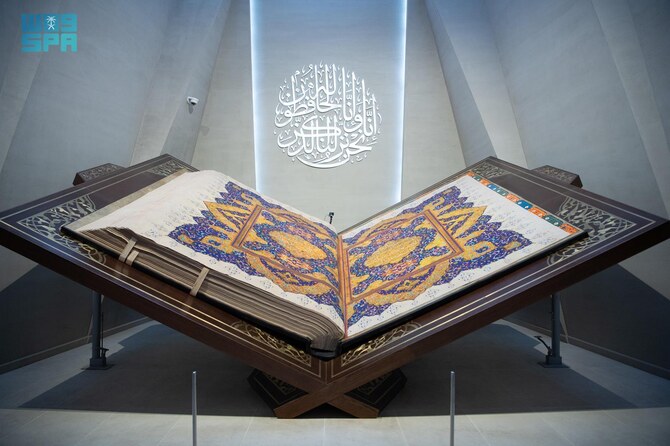
Makkah Deputy Gov. Prince Saud bin Mishaal bin Abdulaziz recently inaugurated the Holy Qur’an Museum in Makkah’s Hira Cultural District.
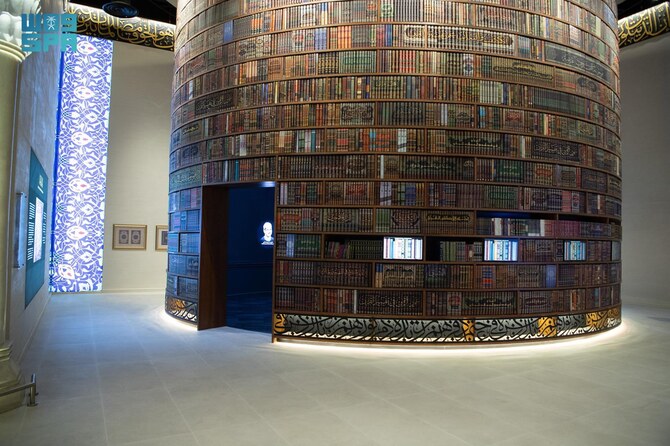
Developed under the supervision of and with support from the Royal Commission for Makkah City and the Holy Sites, the museum highlights the Qur’an as the primary source of guidance for Muslims and is designed to enrich the religious and cultural experience for both locals and visitors.
It is home to rare manuscripts, historical copies of the Qur’an and interactive displays that allow visitors to explore the journey of Qur’anic transcription and its preservation through history, the Saudi Press Agency reported.
Spanning about 67,000 sq. meters, the Hira Cultural District is a focal point for those keen to experience the spirit and history of Makkah. Centered on Mount Hira, where the first revelation descended, it includes various facilities designed to enhance the religious and educational experience.
Among them is the Revelation Exhibition, which offers an interactive portrayal of the descent of revelation, and another that allows visitors to ascend to Hira Cave which was the scene of the revelation.
Among the artifacts on display are a photographed copy of the Qur’an manuscript of Uthman bin Affan and several ancient stone inscriptions of Qur’anic verses.
The project also incorporates the Saudi Coffee Museum, the Cultural Library and Hira Park.
The Holy Qur’an Museum will remain open throughout Ramadan.
source/content: arabnews.com (headline edited)
______________
The museum highlights the Qur’an as the primary source of guidance for Muslims and is designed to enrich the religious and cultural experience for both locals and visitors. (SPA)
The Kuwaiti athlete set a new person best time at the games in the women’s single sculls final rowing competition on Friday
Regional female athletes are giving us plenty to cheer about at the Paris 2024 Olympics.
Team Bahrain’s Amani Al-Obaidly set a new national and personal best record in the women’s 100m backstroke heats earlier this week, while Team Saudi proudly celebrated its first female Olympic swimmer, 17-year-old Mashael Al Ayed. Emirati sprinter Maryam Al Farsi beat out her best time, setting a new personal record during the women’s 100-metre sprint today.
Now Kuwait’s Soaad Al-Faqaan is celebrating her own great accomplishment: setting a new national record in the the women’s single sculls final rowing competition. Soaad is Kuwait’s first female Olympic rower. Today, at Vaires-sur-Marne Nautical Stadium, she beat out her best time by 11 seconds in the women’s single sculls final E race, finishing with a time of 8:05.18 in fifth place.
Earlier this week she came fourth in the qualifying rounds, clocking a time of 8:28.89.
While she won’t be moving forward, Soaad has done a huge service to her country and the sport of rowing — and is clearly an inspiration for aspiring athletes from the region.
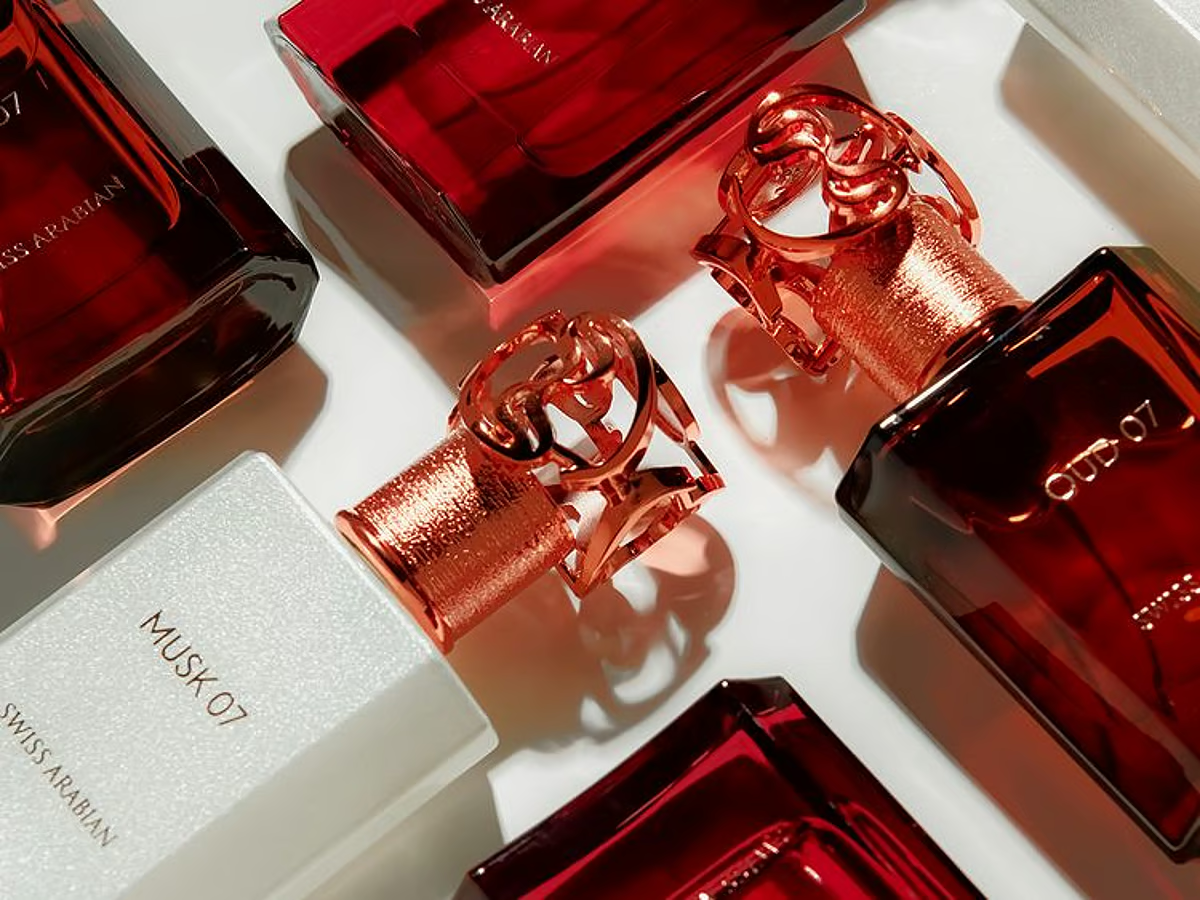
In the world of fragrances, few names evoke as much resonance and admiration as Swiss Arabian Perfumes Group. Established as the first perfume manufacturer in the UAE, this year marks a significant milestone for the renowned UAE-born perfume house as it celebrates its golden jubilee – 50 years of crafting perfumes with luxury and elegance.
The beginning was in 1974 when Swiss Arabian seamlessly blended Arabian perfumery techniques with modern innovation. Hussein Adam Ali, Founder and Chairman of SAPG, came from Yemen to the UAE in 1974 with a dream. A man driven by an insatiable passion for perfumery and a deep appreciation for the art of scent, he laid the foundation for what would become a global fragrance empire.
Over the past five decades, Swiss Arabian has gained global recognition and taken pride in representing the art of perfumery to the rest of the world. As we reflect on five decades of fragrance mastery, it’s a story worth exploring about how this fragrance empire was built. Hussein Adam Ali’s keen understanding of the nuances of fragrance, coupled with an unwavering commitment to excellence, drove the brand to new heights.
“When I first moved to the UAE, I walked in the sun to save on taxis. This country became my home and turned my dreams into reality.”
“I was 30 years old when I came to UAE to set up my business here. This country became my home and turned my dreams into reality. With an investment of half a million dirhams, 5,000 square feet perfume factory had been set up in Sharjah and became fully operational in six months. I was my own boss and drew a minimum stipend to cover my expenses. Today, SAPG has over 1000 employees and global business operations,” says Hussein Adam Ali, Founder and Chairman, SAPG.
His sons, Nabeel Adam Ali and Nader Adam Ali joined the company at a young age as well, and through their leadership, shaped Swiss Arabian Perfumes Group into a multinational award winning perfume house.
Swiss Arabian’s growth strategy is their product. Constantly innovating, creating and ensuring customer satisfaction is the core of their business. The brand’s continuous efforts at striving for perfection is evident in every aspect of its operations, from sourcing the finest raw materials to the meticulous craftsmanship that goes into creating each bottle of perfume.
Despite the evolving trends and preferences in the perfume market, the brand has stayed true to its roots while embracing modern techniques and ingredients. This dedication to both tradition and innovation has earned Swiss Arabian a loyal following and global expansion. The Group also expanded to more brands such as Sapil Perfumes, Shirley May, Shirley May Deluxe and Alta Moda.
As Swiss Arabian Perfumes Group commemorates its 50th year, it is a celebration of longevity and a testament to hard work. Looking ahead, the company remains committed to pushing boundaries and creating fragrances that resonate with the diverse tastes and preferences of its clientele.
His Highness Sheikh Mohammed Bin Rashid Al Maktoum, Vice President, Prime Minister and Ruler of Dubai, congratulated architectural engineer Sahel Al Hayari, winner of the Great Arab Minds Award 2024 in the field of architecture and design.
Sheikh Mohammed said on X platform, “Today, we congratulate the winner of the Great Arab Minds Award 2024, Architectural Engineer Sahel Al Hayari from Jordan.”
Sheikh Mohammed said that Architect Al Hayari presents designs which combine heritage and modernity, identity and nature and has excelled in many distinctive architectural projects and participated in teaching architecture and presenting his research and works in the most prominent universities around the world.
Sheikh Mohammed emphasised that Arab architecture has influenced human civilisation through its unique styles and designs throughout history, and that there are many exceptional Arab talents among architects and designers who deserve support, empowerment, and appreciation.
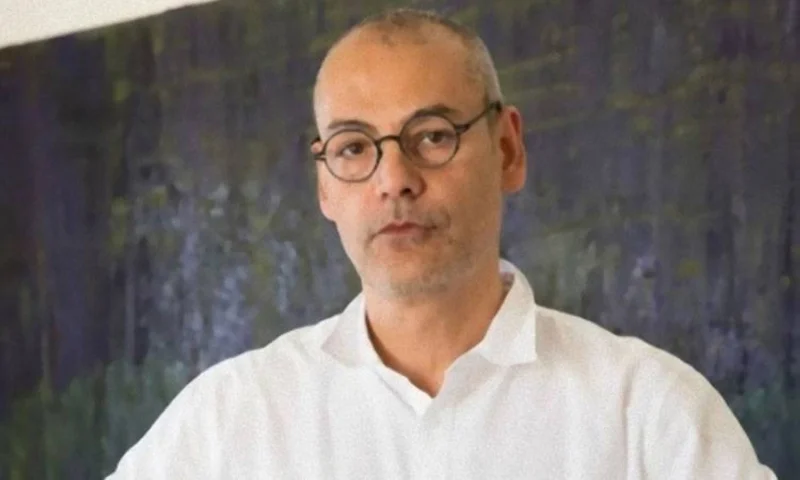
Al Hayari is known for integrating innovative modern design with traditional Arab stonework, and for blending contemporary architectural elements with historical context. He has promoted the presence of Arab stone architecture from Jordan in international circles, and his unique style has created an interactive dialogue between topography and architecture.
Al Hayari holds a Bachelor of Architecture and Fine Arts from the Rhode Island School of Design, and a Master of Architecture in Urban Design from the Harvard Graduate School of Design.
He also conducted postgraduate studies at the School of Architecture at the University of Venice and has lectured at prestigious colleges and universities in the fields of architecture and design around the world, including Columbia University and Harvard University in the United States, the University of Venice in Italy, the Swiss Federal Institute of Technology in Zurich, the American University of Beirut, and the University of Science and Technology in Jordan. His works cover a wide range of design-related disciplines, including urban design, architectural structures, interior design, and exhibition design.
Mohammed Bin Abdullah Al Gergawi, Minister of Cabinet Affairs and Chairman of the Higher Committee for the “Great Arab Minds” Initiative, informed Sahel Al Hayari of his win of the award.
In a video call with him, he praised the unique artistic formula he created by combining architecture, fine arts, and urban design.
It is worth mentioning that the ‘Great Arab Minds’ award is the largest award of its kind in the Arab world, and it celebrates, for the second consecutive year, the achievements of Arab innovators for humanity in these fields.
source/content: gulftoday.ae (headline edited)
______________
Sahel Al Hayari is known for integrating innovative modern design with traditional Arab stonework
His Highness Sheikh Mohammed bin Rashid Al Maktoum, Vice President, Prime Minister and Ruler of Dubai, in the presence of H.H. Sheikh Maktoum bin Mohammed bin Rashid Al Maktoum, First Deputy Ruler of Dubai, Deputy Prime Minister and Minister of Finance, crowned Ahmed Zainoun from Morocco as the top Arab Hope Maker.
Zainoun received a prize of AED1 million.
H.H. Sheikh Mohammed also directed that the two other finalists, Samar Nadeem from Egypt and Khadija Al-Qorti from Morocco, also be honoured with equivalent cash prizes of AED1 million, thus raising the total value of prizes presented with the Hope Makers awards to AED3 million.
Zainoun earned the top honours after receiving the highest number of votes during the closing ceremony of the 5th edition of the Hope Makers initiative, the largest of its kind in the Arab region dedicated to honouring people who make a difference to the lives of others.
Zainoun was recognised for his initiative to treat children with the disorder called Xeroderma Pigmentosum. Young patients suffering from the condition are also referred to as ‘Children of the Moon.’ The closing ceremony of the initiative was held at the Coca Cola Arena today and its broadcasts watched by tens of millions across the Arab world.
H.H. Sheikh Mohammed bin Rashid Al Maktoum said, “Hope Makers embody the true meaning of selfless giving, working tirelessly behind the scenes. They are inspiring role models, transforming lives without seeking recognition, leaving an enduring legacy of humanitarianism. The Arab world is rich in such examples of kindness and service. Recognising these initiatives is an acknowledgment of the values of generosity and compassion.”
Congratulating the winners and all participants, H.H. Sheikh Mohammed added, “Thousands of inspiring individuals across the Arab world joined this fifth edition of Arab Hope Makers. These philanthropists embody generosity and a commitment to positive change, serving as beacons of hope for a brighter future. The UAE remains dedicated to supporting hope and inspiring initiatives, serving as a champion of optimism in the Arab world.”
The closing ceremony was attended by H.H. Sheikh Ahmed bin Saeed Al Maktoum, President of the Dubai Civil Aviation Authority, Chairman of Dubai Airports, and Chairman and Chief Executive of Emirates Airline and Group; H.H. Sheikh Mansoor bin Mohammed bin Rashid Al Maktoum, Chairman of the Dubai Sports Council; and H.H. Sheikha Latifa bint Mohammed bin Rashid Al Maktoum, Chairperson of the Dubai Culture and Arts Authority (Dubai Culture).
The fifth edition of the Hope Makers initiative received over 26,000 nominations within a span of just one month. Each nomination was carefully reviewed according to the initiative’s criteria. Over the past five editions, the initiative has engaged more than 320,000 participants.
Mohammad bin Abdullah Al Gergawi, Minister of Cabinet Affairs, and Secretary-General of the Mohammed bin Rashid Al Maktoum Global Initiatives (MBRGI), stated that the Hope Makers initiative reflects the vision of H.H. Sheikh Mohammed bin Rashid Al Maktoum of fostering a culture of giving and encouraging humanitarians and volunteers to develop impactful projects that drive positive change and counter negativity across Arab communities.
Al Gergawi added, “Since its inception in 2017, Hope Makers has become a landmark initiative in the Arab world’s humanitarian landscape. It inspires positive competition, motivating individuals to serve their communities and develop innovative projects that address the needs of thousands, empowering them to rebuild their lives with hope and confidence in the future.”
Al Gergawi noted that receiving over 26,000 nominations in a single month for the fifth edition, with the vast majority of participants presenting innovative charitable projects, demonstrates the Arab world’s rich humanitarian spirit and its people’s capacity to create a brighter future.
Hosted by Neshan Der Haroutiounian and Asmahan Al Naqbi, the fifth edition’s closing ceremony featured several performances, including a musical operetta by Hammoud Al-Khader, Walid Al-Shami, Balqees, and Omar Al-Abdallat, which preceded the announcement of the Arab world’s top Hope Maker. Internationally renowned singer and music producer RedOne also performed at the ceremony.
At Dubai’s Coca-Cola Arena, attendees watched videos showcasing the journeys of the three finalists, highlighting their humanitarian work and the impact they made in the lives of those in need, including orphans, the sick, the elderly, and the homeless. The audience also heard inspiring stories from two Hope Makers from Tunisia and Mauritania.
Samar Nadeem, founder of the ‘Zahrat Masr’ shelter, dedicated her life to helping others. Raised with a strong sense of compassion, she began her journey in 2016 by assisting an elderly woman living in her building, helping facilitate for her basic necessities that she lacked.
After sharing the woman’s plight on Facebook and receiving an outpouring of support, Samar began receiving numerous requests for help from the public. She responded by aiding the homeless and placing them in shelters. In 2017, Samar founded ‘Zahrat Masr’ to provide safe housing for elderly homeless individuals, and today, the shelter houses dozens of people from across Egypt.
Ahmed Zainoun leads the ‘Moon Voice’ association, which supports children with Xeroderma Pigmentosum (XP). Also known as ‘Children of the Moon,’ young people with this rare genetic disorder are extremely sensitive to ultraviolet light, raising their risk of skin cancer.
Since there is no cure, protection through special creams and UV-protective clothing is crucial. Zainoun cares for 144 children with XP, raising funds to provide them with necessary medications and protective gear. Despite his efforts, some children have succumbed to the disease, motivating him to seek further support for Moon Voice to enable these children to live fulfilling lives and continue their education. Zainoun remains dedicated to his mission, hoping for greater community support to instill hope in young patients and to help them adapt to their condition and lead enriching lives.
Khadija al-Qorti has become a symbol of hope for cancer patients in Morocco, particularly women. Known affectionately as the ‘Mother of Morocco’s Patients,’ her journey began after losing both her husband and sister to cancer.
Turning personal tragedy into a mission for compassionate action, she opened the doors to her home in Rabat, providing free shelter, food, medicine, and emotional support to women battling the disease. With the help of donors, she later expanded her efforts by establishing the Jannat Association, a larger facility to continue her charitable work. Despite limited resources, Khadija has welcomed over 10,000 women from across Morocco since 2009, offering them a place to stay and daily meals for up to three weeks while they seek treatment.
Tunisian Hope Maker Karim Arfa builds and repairs bridges in his area using recycled materials. Inspired by the tragic drowning of a schoolgirl in 2019, he has proudly constructed over ten bridges around the town of El Mourouj to ensure safe passage over rivers and streams for locals. He also runs a small public works company and recycles old furniture to donate to those in need.
Mauritanian rapper Racine Dia, abandoned as a baby and raised by a loving family, now dedicates his life to rescuing orphaned and abandoned children. Inspired by his personal experience, he provides care, shelter, and a sense of belonging to dozens of children. To further his work, he founded the ‘Association for the Fight Against Child Abandonment,’ which, with the help of volunteers, provides a supportive environment for these children to thrive and integrate into society.
The Hope Makers initiative, operating under the Mohammed Bin Rashid Al Maktoum Global Initiatives, aims to highlight these unsung heroes – the men and women dedicating their time, effort, and resources to serving others, aiding those in need, and improving lives. It seeks to amplify their stories and projects through traditional and digital media, increasing their recognition within their communities and across the Arab world.
By showcasing these positive role models, particularly among youth, the initiative aims to inspire others towards constructive change and community development, celebrating them as true stars deserving of praise and recognition.