Arabs & Arabian Records Aggregator. Chronicler. Milestones of the 25 Countries of the Arabic Speaking World (official / co-official). AGCC. MENA. Global. Ist's to Top 10's. Records. Read & Enjoy./ www.arabianrecords.org
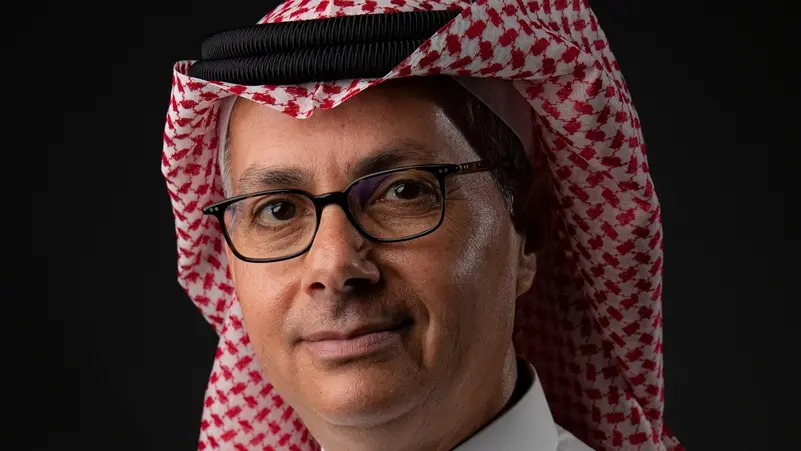
Saudi-American citizen Omar Yaghi, along with scientists Susumu Kitagawa and Richard Robson, has won the 2025 Nobel Prize in Chemistry “for the development of metal–organic frameworks”, the award-giving body said on Wednesday.
Born in Jordan to Palestinian parents, Yaghi was granted Saudi citizenship in 2021 through a royal approval that had been issued to grant Saudi citizenship to several prominent specialists from different fields.
The move was in line with the objectives of Saudi Vision 2030, including encouraging talented individuals to relocate to the Kingdom, localizing foreign investment, and “creating an appropriate social and investment environment,” according to a statement carried by the Saudi Press Agency at the time.
The more than a century-old prize is awarded by the Royal Swedish Academy of Sciences and the winners share 11 million Swedish crowns ($1.2 million), as well as the fame of winning arguably the world’s most prestigious science award.
“Through the development of metal-organic frameworks, the laureates have provided chemists with new opportunities for solving some of the challenges we face,” the award-giving body said in a statement.
The Chemistry Nobel was the third prize announced in this year’s crop of awards, in keeping with tradition, following those for medicine and physics announced earlier this week.
Established in the will of Swedish inventor and businessman Alfred Nobel, the prizes for achievements in science, literature and peace have been awarded since 1901, with a few interruptions mostly due to the world wars.
Nobel was himself a chemist and his developments in that field helped underpin the wealth he amassed from his invention of dynamite in the 19th century. The economics prize is a later addition funded by the Swedish central bank.
Sometimes overshadowed by more famous laureates in the fields of physics, literature and peace, the chemistry awards have still recognized many influential discoveries such as nuclear fission, DNA sequencing techniques, and yeast.
Last year’s chemistry award went to US scientists David Baker and John Jumper and Briton Demis Hassabis for work on decoding the structure of proteins and creating new ones, yielding advances in areas such as drug development.
Saudi-American citizen Omar Yaghi, along with scientists Susumu Kitagawa and Richard Robson, has won the 2025 Nobel Prize in Chemistry “for the development of metal–organic frameworks”, the award-giving body said on Wednesday. (X @SPAregions)
The power plant is a major step in the country’s ambitions to achieve the Net Zero 2060 target.
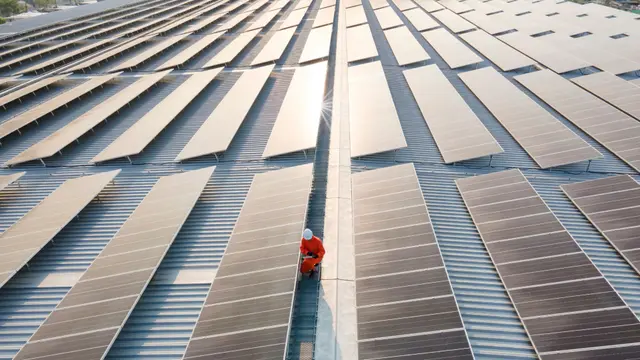
Bahrain-based industrial giant Foulath Holding has partnered with Yellow Door Energy, a leading sustainable energy developer in the Middle East and Africa, to launch a record-breaking 123 megawatt-peak (MWp) solar project.
The project marks the construction of the world’s largest single-site rooftop solar power plant, signaling a crucial step in Bahrain’s pursuit to achieve its Net Zero 2060 target.
Developed under a Power Purchase Agreement (PPA), 77,000 solar panels will be installed across a newly built 262,000-square-meter stockyard shed, capable of generating a total rooftop capacity of 50 MWp.
The announcement was made at the Four Seasons Hotel in Bahrain Bay on November 2, during the third edition of the premium investment forum Gateway Gulf.
It was hosted by the Bahrain Economic Development Board, with global investors, business leaders, policymakers, and government officials from multiple regions in attendance.
A transformative step towards clean energy vision
As a small island nation, Bahrain faces unique constraints in developing large-scale solar farms on the ground. Rooftop installations provide a space-efficient and scalable solution to harness clean energy without compromising valuable land resources.
In total, the site will consist of ten rooftop and four on-ground photovoltaic systems, producing an estimated 200 million kilowatt-hours (kWh) of clean electricity in its first year.
The overall initiative of the project is to reduce carbon emissions by 90,000 metric tons annually.
“Today, the island nation of Bahrain stands at the forefront of sustainable global innovation. We are incredibly proud of this transformative project – marking the largest rooftop solar plant in the world,” said Noor bint Ali Alkhulaif, Minister of Sustainable Development.
“This milestone not only strengthens our position as a regional leader in clean energy, but embodies our dedication to build a resilience, sustainable future in line with our national vision of elevating Bahrain’s international competitiveness,” she continued.
A $250M commitment to sustainability
For Foulath Holding, the project represents the continuation of a long-term environmental strategy.
Meshary Al-Judaimi, Chairman of Foulath Holding, revealed that the company has already invested approximately $250 million in sustainability projects over recent years.
“Over the past several years, Foulath has invested approximately $250 million in various sustainability projects,” he said.
“These investments are a testament to our commitment to responsible operations, environmental stewardship, and protecting the health and well-being of our community, thereby ensuring industrial development goes hand-in-hand with environmental care. The solar project serves as a continuation of that commitment,” Al-Judaimi added further.
Powering a sustainable industrial future
The solar plant project will be developed in partnership with Yellow Door Energy, known for its large-scale renewable infrastructure in the region.
“I think this project proves how cost-competitive, clean energy can drive forward industry and set a new global benchmark for decarbonizing steel production,” said Sherif ElKholy , Managing Director at Actis and Chairman of Yellow Door Energy.
“As a leading investor in sustainable infrastructure and majority shareholder of Yellow Door Energy, we are proud to witness this signing and look forward to seeing this transformative project come to life,” he continued, emphasizing the significance of the partnership.
With over 189,900 high-efficiency solar panels spanning 707,000 square meters, this initiative will power a new chapter in Bahrain’s energy transition.
Mascot pays tribute to legendary coach Velibor “Bora” Milutinović for his role in advancing football in Qatar and beyond
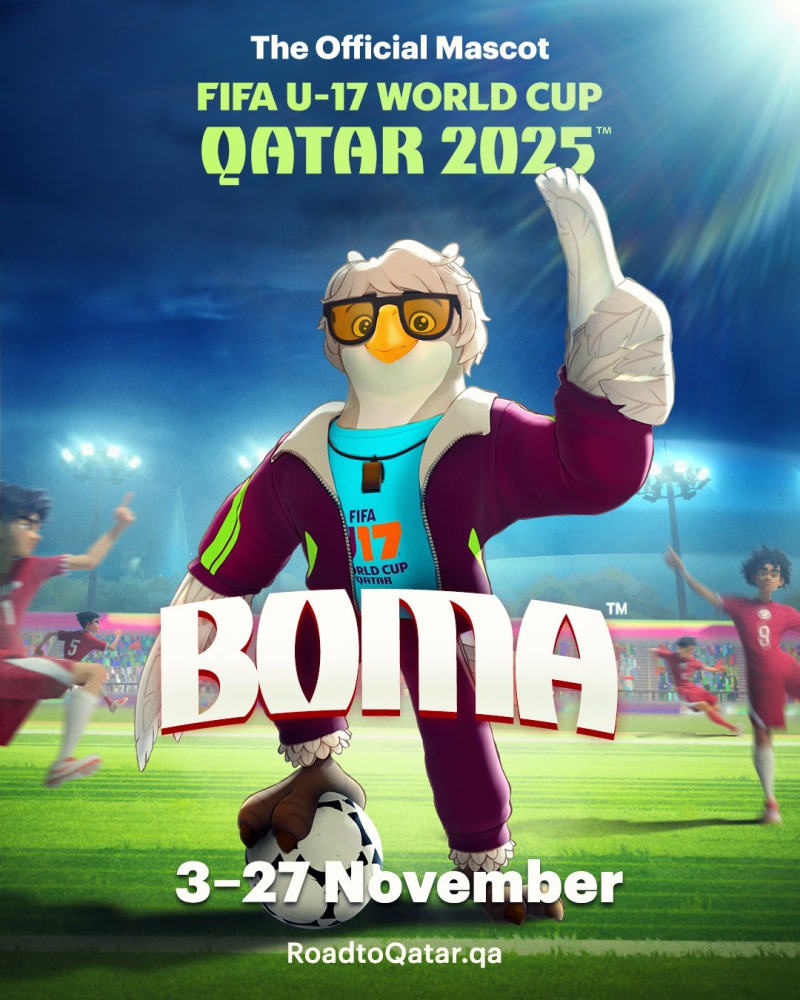
Doha, Qatar: The Local Organising Committee (LOC) for the FIFA U-17 World Cup Qatar 2025 and FIFA today unveiled BOMA – the Desert Owl as the official tournament mascot – a character inspired by the legendary Serbian coach Velibor “Bora” Milutinović, the only manager in football history to lead five different national teams in five consecutive FIFA World Cup™ tournaments.
The name “Boma,” is derived from the Arabic word for owl – regarded as a symbol of wisdom, vision, and mentorship, and is a playful nod to Bora, whose career as both coach and talent scout has profoundly influenced football development in Qatar and across the world.
For a tournament that celebrates the emergence of new talent, BOMA embodies the pivotal role of a football scout – one who sees potential where others may not and helps young players spread their wings on the global stage.
Known affectionately as Coach Bora, Milutinović guided Mexico, Costa Rica, the United States, Nigeria, and China at five successive World Cups between 1986 and 2002 – a unique achievement unmatched in football history. He went on to coach Al Sadd SC of the Qatar Stars League in 2004,leading them to win the Amir Cup in the same year, and contributed to the country’s football development programmes, making him a fitting inspiration for this tournament’smascot.
Speaking to the LOC, Bora highlights the passion he holds for nurturing future footballers and the importance of the upcoming FIFA U-17 World Cup Qatar 2025 in celebrating tomorrow’s stars.
“When it comes to discovering young talent, my greatest satisfaction as a coach has always been to promote emerging players – to show them that they must have the right attitude, believe in their dreams, and aim for the national team,” said Coach Bora. “I really like the idea behind the mascot and want to thank everyone who came up with it.” he added.
The FIFA U-17 World Cup Qatar 2025 marks a historic milestone as the first edition to feature 48 national teams, underscoring the tournament’s growing global reach.
“The World Cup is something truly special. When you’re young, you dream of playing at the highest level – and the U-17 team is the first step on that journey. It’s very important for young players to face the best in the world and see where they stand,” said Coach Bora.
“The team that scores more goals will win – it is as simple as that. But with young players, the outcome of matches often depends on inspiration, talent, and spirit. Most importantly, I hope everyone enjoys this World Cup. Enjoying the game is what truly matters, especially at the U-17 level, because that experience helps you grow both as a person and as an athlete,” he added.
The FIFA U-17 World Cup Qatar 2025, taking place at the state-of-the-art Competition Complex at Aspire Zone, will see as many as eight matches a day, for a total of 104 matches. The final will take place on November 27, 7pm local time, at Khalifa International Stadium.
“Aspire Zone is incredible – it has some of the best facilities in the world. The U-17 World Cup will be played on perfect pitches, in perfect conditions. Qatar has a distinguished track record in hosting major events, and I’m sure we’ll see high-quality football once again. I still remember the 2022 World Cup in Qatar – it was unforgettable,” said Coach Bora.
Fans can purchase tickets at: www.roadtoqatar.qa. Tickets are available as a Day Pass, which will enable fans to attend multiple matches a day as well as cultural and entertainment activities taking place around matches, in what will be an electrifying football festival-like atmosphere.
Fans can also purchase a Prime Pass, which will enable them to reserve seats for high demand matches. Supporters of the Qatar national team can avail the Follow My Team ticket, which will enable them to attend all matches of the Qatari U-17 team during the group stage.
All tickets will be digital and will include wheelchair accessible seating options for disabled fans.
The FIFA U-17 World Cup Qatar 2025 is the first of five consecutive editions that Qatar will be hosting. As the first FIFA World Cup to feature 48 teams, this will be the biggest-ever edition of the youth tournament that saw the likes of Gianluigi Buffon, Luis Figo, Xavi Hernandez, Eden Hazard, Andres Iniesta, Neymar, Ronaldinho, Son Heung-min and Francesco Totti appear on the world stage for the first time.
Qatar’s spectacular line-up of mega-sporting events will kick off with the FIFA U-17 World Cup Qatar 2025 from November 3-27, followed by the FIFA Arab Cup Qatar 2025 from December 1-18. In addition, the country is also set to host the second edition of the FIFA Intercontinental Cup 2025, which will take place on December 10, 13 and 17.
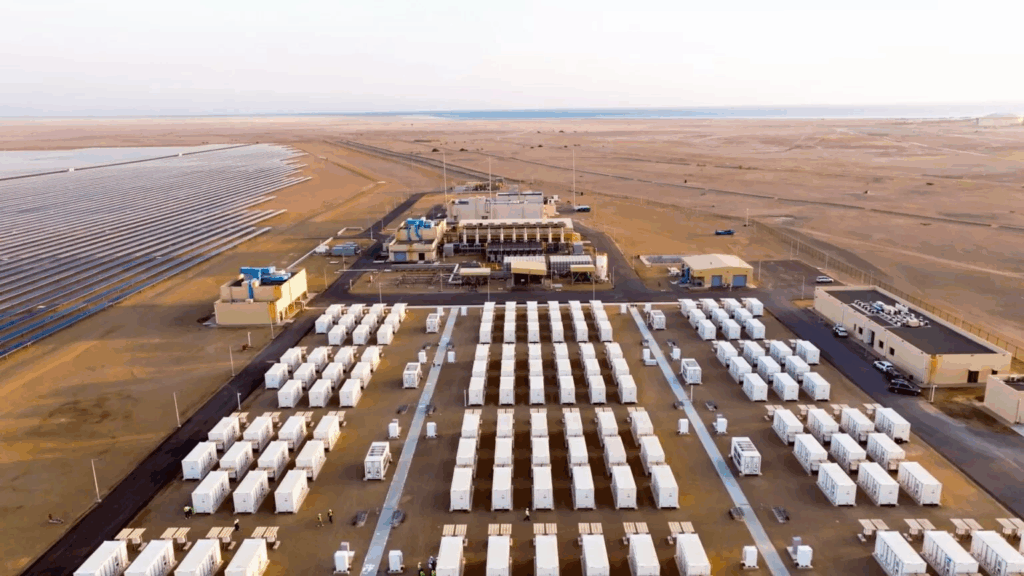
Saudi Arabia is making advances in its BESS projects as it launches one of Middle East’s largest BESS deployments, a 4GWh BESS project. The nation’s battery storage drive comes as HiTHIUM is commissioned with a 4 GWh BESS project in a joint venture between the Saudi Electricity Company and Alfanar.
The systems, to be installed in Tabuk and Hail, will deploy HiTHIUM’s 1175 Ah long-duration technology in climate-resilient containerized units, being commissioned in 2026. This follows on the back of the earlier commissioning of the 500 MW / 2 GWh Bisha BESS, the globe’s largest single-phase grid-tied project, and a record 12.5 GWh transaction with BYD, which puts Saudi Arabia at the center of the world’s biggest in-development grid-scale storage pipeline.
By the year’s end, the Kingdom should surpass 11 GWh of operational storage and place itself among the top five utility-scale BESS leaders as it targets Vision 2030 renewable ambitions. The impact and influence of BESS projects around the world cannot be overstated, with Saudi Arabia taking the lead. Other countries such as Finland are determined to catch up as they launched the world’s largest sand battery , a monumental achievement.
The Middle East is making effort in various energy projects other than the world’s largest BESS project in Saudi Arabia. The UAE has broken ground on the world’s largest solar and BESS project, first of its kind. Moreover, it will be capable of delivering round-the-clock baseload renewable energy. Masdar in collaboration with EWEC (Emirates Water and Electricity Company) is developing the $6 billion project. Moreover, it will deliver up to 1 gigawatt (GW) of baseload power 24 hours a day, seven days a week. The ceremony was witnessed by Sheikh Theyab bin Mohamed bin Zayed Al Nahyan, Deputy Chairman of the Presidential Court for Development and Fallen Heroes’ Affairs.
August 11, 2024: The implementation of the world’s largest battery energy system (BESS) project progresses as Saudi Arabia begins qualification tenders. A Saudi Arabian entity that has been tasked with procuring electricity generation projects has commenced the process. Saudi Power Procurement Company (SPPC) is licensed as the sole buyer of electrical energy. The government is soliciting bids to develop four battery energy storage system (BESS) projects. Furthermore, it is expected that each will have a 500MW output and 2,000MWh in storage capacity. The contract, which entails 15-year terms, will be awarded on a build-own-operate (BOO) model. It also entails the aspect of bidders holding 100% equity in special purpose vehicle (SPV) companies set up for the development and operation of projects. The SPPC, administered by the Saudi Ministry of Energy, aligns with the National Renewable Energy Program (NREP). Once completed, the BESS project is expected to be the world’s largest.
Project Factsheet
Location: Saudi Arabia
Capacity: 8GWh of storage capacity
Significance: World’s largest BESS Project
Main Company Involved: Saudi Power Procurement Company
Project duration: 15 years
Prequalified Bidders
The Saudi Power Procurement Company (SPPC) has released a list of 33 prequalified bidders for its 8GWh BESS project. The tender, structured as a build-own-operate model, attracted significant energy companies, both local and international. These include Masdar, ACWA Power, EDF, TotalEnergies, and Jinko Power, among others. The list also included prominent companies from nations such as South Korea, Japan, and China. Leading the pack were Samsung, the China Energy Overseas Investment Company, China Power Engineering, and China Southern Power Grid International. Of the 33 prequalified bidders, 21 applied, aiming to provide management and technological services. The remaining 12 applied solely for asset management roles for the BESS project.
The projects mark the first phase of Saudi Arabia’s ambitious battery storage program. It is designed to support its 50% renewable energy goal by 2030. Each 500 MW facility will operate for four hours, providing 2,000 MWh of total power capacity, said the SPPC. In early November, the state-owned limited liability company called for qualification for battery storage procurement. The company has so far contracted several gigawatts of solar PV and wind in competitive solicitation over the past years. Other technologies, such as Combined Cycle Gas Turbine (CCGT) and Water Infrastructure, have also had deals inked. Successful candidates will be granted 15-year Storage Service contracts with SPPC for respective projects they develop, featuring an output and storage capacity of 500 MW/2,000 MWh at various locations in the country. In addition, the bidders will have 100% equity in projects developed by SPV companies.
The State of Affairs Regarding the World’s Largest BESS Project in Saudi Arabia
The world’s largest BESS project in Saudi Arabia is one that has received accolades from the state government. Under Saudi Arabia’s Vision 2030 policy roadmap, the country aims to have a 50% share of renewable energy in its grid. According to energy minister, Prince Abulaziz bin Abdullah Al Saud, the government is prepared to incur the needed costs. Speaking in 2021, the Saudi government expects to spend $293 billion on power and energy projects by then. The biggest share of this revenue is expected to be spent on transmission upgrades and renewable energy.
Furthermore, investment is expected to be placed in the distribution network. SPPC noted earlier this week that the newly launched BESS procurement project will help the nation reach its 50% goal. The company also noted that the current tenders represent the first batches of solicitations. The locations of the four BESS facilities have already been decided. Two will be in Makkah province, one in Qassim province, and the other in Hail province. They have also been termed as independent storage projects (ISPs) by SPPC. Qualified bidders have been issued until midday, 25 November 2024, to submit their proposals for the BESS project.
“All of my friends who have met him still love him. He has made a huge impact on them just from that one day they saw him.”
Ahmed Ismail Hussein was known as the “King of Oud” because he was the master of the 11- or 13-stringed instrument.
Born in the late 1920s in Somalia, Hussein began playing the oud professionally in the ’40s after falling in love with it in his teens. He was instrumental in making qaraami — singing or speaking while playing the oud or drums — one of the most popular genres of music in Somalia.
In February this year, after a career spanning more than seven decades, Hussein retired. He was considered a founder of modern Somali music. A concert was held in his honor in London. — Hussein moved to the UK in 1974 — with artists whom he handpicked.
Despite his retirement, Hussein, who also went by the name “Hudeydi,” had no intention of slowing down entirely; he had plans to travel to Turkey and Djibouti.
But then he fell ill. Earlier this month, he was taken to Charing Cross Hospital in London. His condition deteriorated, and on April 8 he died from the coronavirus, a week before what would have been his 92nd birthday.
Nadifa Mohamed, a British author, said she spoke to Hussein a few days before his death, when he didn’t even seem to have symptoms. “I think the decline was quite quick from him developing symptoms to him being quite ill in hospital. It was quite shocking,” she told BuzzFeed News.
Despite his age, Hussein was otherwise a fit and healthy person, Mohamed said. “Everyone was like, ‘He was 92 he had a good life’ — but nothing. There was no warning,” she said. “It wasn’t as if he was sick.”
Mohamed said she had been friends with Hussein since 2012, when they met at the annual Hargeisa International Book Fair in Somaliland, a disputed territory that neighbors Somalia. More so than his musical genius, his sense of humor is what really stood out for Mohamed. “He was funny,” she said. “I think that’s the first thing I noticed.” (His nickname was Hudeydi, but he told the BBC in 2003 that he was also known as “‘the King’ because of my hot rhythms. I was always into rock ‘n’ roll and Elvis Presley”)
“Having a friend who is 50 years older than you is unusual, but I think his sense of humor was so young and easy to engage with,” Mohamed said. “And he was very warm. You could turn up to his door. You could bring whoever you wanted. He would feed you. He would make tea or coffee for you, tell you stories. He was very accepting of people, which was very unusual.”
Hussein, she said, had a charm that would make everyone love him from the moment they met him. “It’s the way that I could turn up with a friend to play an instrument or something else, and he’d give me a big hug as he opened the door and he would go to my friend — whoever it may be — and do the same.
Usually when grieving, Somalis tend to visit the home of the deceased’s next of kin for days to offer their condolences and pray. But this is currently impossible during the lockdowns in place across the world.
After Hussein’s death, tributes poured in from Somalis around the world. On the day of his burial, people held absentee funeral prayers .
Inaalilaahi waa Inaa Ileyhi Raajicuun. Deeply saddened by the passing of Ahmed I Hussein ‘Hudeydi’ – one of the greatest Somali musicians of all time; AKA The King of Oud. My deepest condolences to Hudeydi’s family, fans, Somalis across the world,& his fellow Somali artists. pic.twitter.com/WPiRg75Avv
In a statement, the Kayd Somali Arts and Culture organization said Hussein’s “iconic legacy lives on through his music and in the memories of all of those of us who adored him and continue to do so.”
source/content: buzzfeed.com (headline edited)
_______________
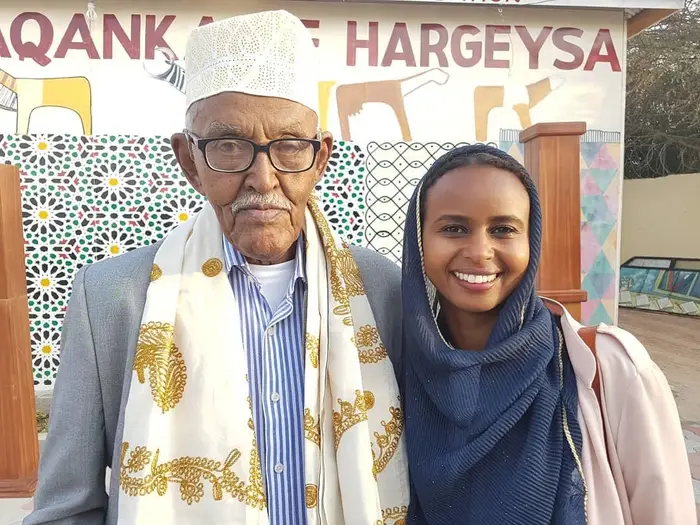
Ahmed Ismail Hussein (left) and Nadifa Mohamed (right), a friend. / Courtesy of Nadifa Mohamed
Achievement reflects ‘our growing role in shaping the future of global medicine,’ CEO Dr. Majid Al-Fayyad says
Procedure involved removing a 4.5-centimeter brain tumor with robotic arms from a 68-year-old man who had been experiencing severe headaches
In a historic leap for robotic medicine, the King Faisal Specialist Hospital and Research Centre in Riyadh has performed the world’s first robotic intracranial tumor resection.
This groundbreaking achievement sets a new global standard in neurosurgical precision and recovery.
The procedure involved removing a 4.5-centimeter brain tumor with robotic arms from a 68-year-old man who had been experiencing severe headaches and loss of concentration.
Remarkably, the patient was discharged fully conscious within 24 hours — a recovery time nearly four times faster than that of traditional brain surgeries.
Dr. Homoud Al-Dahash, KFSHRC consultant for skull base tumors and lead surgeon, stated that the robotic system provided exceptional precision and control, which enabled surgeons to navigate critical neurovascular structures with a high level of safety.
“The patient’s same-day discharge, fully conscious and without complications, represents a new benchmark for neurosurgical innovation,” he added.
Guided by a 3D optical system, the one-hour surgery enabled surgeons to operate with a clear, magnified view of the brain.
Advanced image-guided navigation technology ensured precise tumor removal while protecting vital areas of the brain.
KFSHRC CEO Dr. Majid Al-Fayyadh linked the milestone to the hospital’s ongoing transformation journey.
“This achievement reflects KFSHRC’s growing role in shaping the future of global medicine,” he said.
“It aligns perfectly with our vision, where innovation and patient-centered care define the future of healthcare.”
Before the advent of robotic neurosurgery, similar procedures required manual removal under a surgical microscope, where precision depended heavily on human steadiness and visual clarity.
Robotic systems now provide enhanced instrument stability, tremor elimination, and superior visualization — redefining global standards of safety and precision in neurosurgical care.
This landmark procedure adds to KFSHRC’s expanding portfolio of robotic surgical breakthroughs.
The institution previously performed the world’s first robotic heart transplant and robotic liver transplant, earning international acclaim and solidifying its standing among the world’s leading centers for robotic and minimally invasive surgery.
KFSHRC has been ranked first in the Middle East and North Africa and 15th globally among the world’s top 250 academic medical centers for 2025.
It was also recognized as the most valuable healthcare brand in the Middle East by Brand Finance 2024 and listed among Newsweek’s World’s Best Hospitals 2025, Best Smart Hospitals 2025, and Best Specialized Hospitals 2026.
These accolades reaffirm its position as a global leader in innovation-driven patient care.
source/content: arabnews.com (headline edited)
___________
King Faisal Specialist Hospital and Research Centre in Riyadh has performed the world’s first robotic intracranial tumor resection. (SPA
Amid the global race to find effective COVID-19 treatments, an Egyptian research team has achieved a breakthrough that could reshape how middle- and low-income countries combat the virus.
The study, titled EVERST, was published on 20 October in Scientific Reports, a leading international journal under the Nature group.
According to the study, Egyptian scientists reported promising results in treating moderate COVID-19 pneumonia with safe, locally available, and affordable drugs.
The research, led by Professor Dr Mohamed Abdelsalam El-Gohary, brought together a multidisciplinary team of doctors and scientists from Egyptian and international institutions.
Over two years, the team evaluated the safety and effectiveness of four treatment regimens combining repurposed antiviral drugs — Sofosbuvir/Daclatasvir, Sofosbuvir/Ledipasvir, Ivermectin, and Hydroxychloroquine — in 310 Egyptian patients with moderate COVID-19 infections.
“Our goal was to find a practical, homegrown solution that saves lives without overburdening healthcare systems,” Professor El-Gohary told Ahram Online. “Egypt produces these medications locally, which means they are accessible and affordable for millions.”
The findings showed that two specific combinations —Sofosbuvir/Daclatasvir with Ivermectin and Sofosbuvir/Ledipasvir with Hydroxychloroquine —helped patients recover faster, shortened hospital stays, and provided remarkable protection of lung tissues on CT scans.
Patients treated with these regimens returned home significantly earlier than those who received standard care.
“This reduction in hospitalization time has major implications,” El-Gohary explained. “It not only improves patient recovery but also reduces pressure on hospitals and public health budgets, a critical factor during pandemics.”
The new combination regimen also showed improved CT scan results for pneumonia, a crucial step in preventing post-COVID complications, a growing concern worldwide.
Equally important, the study confirmed that the new treatment combinations were safe and well tolerated, with no major side effects compared with existing protocols. The only factor linked to higher mortality was advanced age.
The EVERST study, which underwent extensive international peer review before publication, reinforces Egypt’s growing role in global medical research and innovation. It also highlights the potential of repurposing affordable antiviral drugs to address emerging diseases.
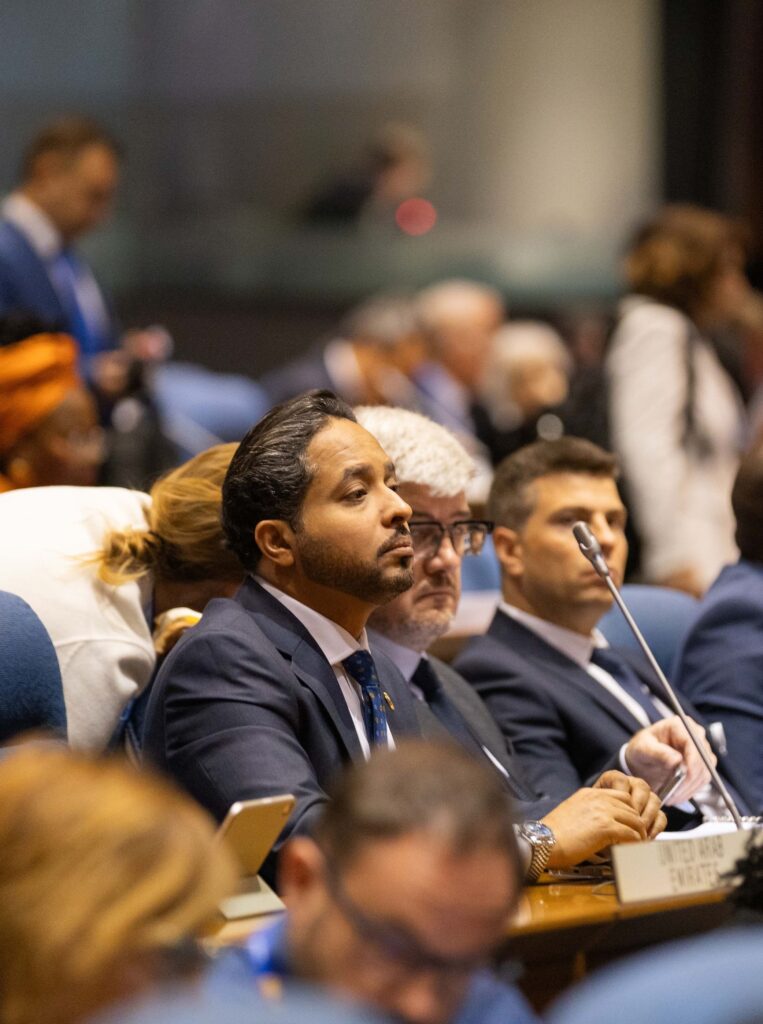
The Council of the International Civil Aviation Organization (ICAO) elected Engineer Saeed Mohammed Al Suwaidi, the UAE’s Permanent Representative to the ICAO, as Vice-President of the Council.
A press release issued today by the General Civil Aviation Authority (GCAA) stated that the election of the UAE’s representative confirms the UAE’s leading position in the international civil aviation sector and reflects the great confidence it enjoys from member states on the ICAO Council, as well as the appreciation for its prominent role in supporting ICAO’s efforts aimed at enhancing the safety, security, and sustainability of the global aviation sector.
His Excellency Saif Mohammed Al Suwaidi, Director General of the GCAA, said that the election of the UAE’s representative to this high-profile position reflects the international appreciation of the country’s contributions to the development of civil aviation policies. It also underscores the UAE’s commitment to enhancing its active participation within the ICAO Council and contributing more strongly to the formulation of decisions affecting the global aviation sector, reflecting its ambitious vision for international cooperation and leadership in this field.
For his part, Engineer Saeed Mohammed Al Suwaidi, the UAE’s representative to ICAO, expressed his pride in this international assignment, stressing that his election represents a significant responsibility and an opportunity to continue strengthening the UAE’s presence within the organization and support international efforts aimed at developing the civil aviation sector according to the highest standards of efficiency and sustainability.
Arabs are known for having had numerous contributions to civilizations—notably in the fields of Mathematics (Arabs invented Algebra), Astronomy (Al-Biruni discussed the earth’s rotation centuries before it was confirmed by Galileo), and Medicine (Al Razi was one of the first to diagnose diseases like smallpox and measles).
But Arab achievements didn’t end in the Golden Age and have continuously evolved to modern fields, so we’re here to round up some of the lesser-known greatest modern achievements by Arabs..
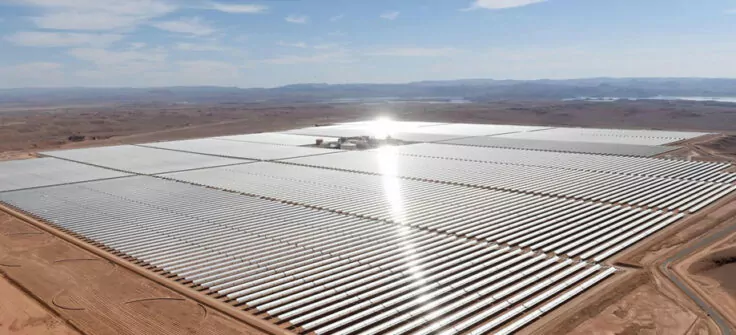
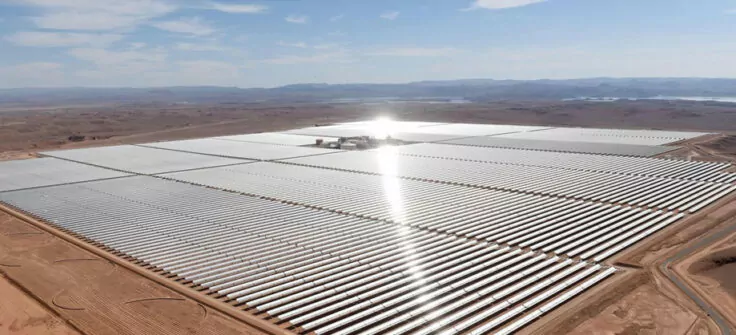
Noor Ouarzazte
Morocco is turning the Sahara Desert into the largest concentrated power complex in the world. The project is currently in progress, due to be complete before the end of 2018.
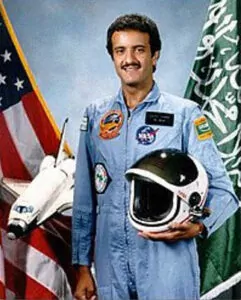
Arabs in Space
Sultan bin Salman Al Saud became the first Arab in space in 1985 – he was also the first royal astronaut ever. Syrian-born Mohammed Ahmed Faris followed in Al Saud’s footsteps in 1987.
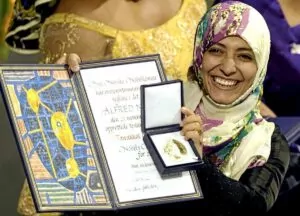
Nobel Peace Prize Winners
Photo credit ODD ANDERSEN/AFP/Getty Images
The Tunisian national dialogue quartet was awarded the Nobel Peace Prize in 2015 for their role in building a democratic state in Tunisia following the Arab Spring.
Yemeni journalist and activist Tawakkol Abdel-Salam Karman preceded the Tunisian National Dialogue Quartet in 2011 as Nobel laureate—she became the first ever Yemini and Arab Woman to win the Peace Prize, as well as the second youngest ever.
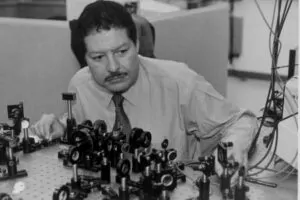
The ‘Father of Femtochemistry”
Femtochemistry is probably something too difficult for most of us to understand—but according to Wikipedia it’s “an area of chemistry that studies chemical reactions on extremely short timescales”. Ahmed Hassan Zewail, and Egyptian-American scientist, is known for pioneering a laser technique that allowed for easier analysis of chemical reactions. He even won a Nobel prize for his work in 1999.
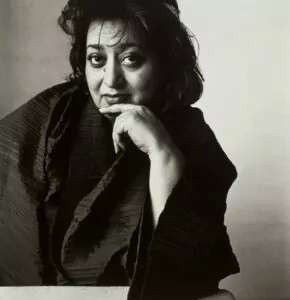
Pritzker Architecture Prize Winners
The late Iraqi-British architect Zaha Hadid was an internationally-acclaimed architect, renowned for her sci-fi creations. Having built some of the world’s most innovative spaces. In 2004, she became the first ever woman to win the prestigious Pritzker Architecture Prize—the most prestigious award in architecture.
Inside the first show dedicated to NYC’s Public Library’s Middle Eastern collections .
Outside The New York Public Library’s Stephen A. Schwarzman Building, the unmistakable scent of a halal food cart mingles with the sounds of various Arabic dialects, while two marble lions stand guard over Fifth Avenue. Inside, entire worlds are waiting to be discovered — including the often-overlooked stories of New York’s Middle Eastern and North African communities.
“Niyū Yūrk: Middle Eastern and North African Lives in the City,” the first exhibition dedicated to the Library’s Middle Eastern collections, opened Oct. 4. It will remain on view in the Ispahani-Bartos Gallery until March 8.
Curated by Hiba Abid, the exhibition contains around 60 objects — photos, books, periodicals and audio — dating from the 1850s to 2024. It centers specifically on the library’s own holdings, rather than attempting to tell a comprehensive history of MENA life in New York, Abid tells Arab News.
Drawing from over a century of rare materials the exhibition uses tangible objects to express the intangible: memory, identity and immigrant culture.
“It’s not a love letter. It’s a realistic letter,” Abid says, adding that these communities have long navigated complex questions of belonging, language, and preservation.
“The communities, from the very beginning, were wondering, ‘Where should our kids go to school? If they go to the public New York schools, they would probably lose their language, but we want them to still know Arabic and be aware of our traditions and values,’” she said.
The exhibition is divided into four chronological sections, designed to help guide visitors of all ages, from young children to seasoned scholars.
The first section, “Roads to New York,” focuses on the earliest waves of immigration. One of the first featured figures is Hatchik Oscanyan — later known as Christopher Oscanyan — an Armenian man born in what is now Türkiye. He came to New York in the mid-19th century and sought to educate Americans about the complexity of the Ottoman Empire. He wrote plays and newspaper articles, as well as “The Sultan and His People,” a book that offers insight into the region’s diverse ethnic and religious makeup.
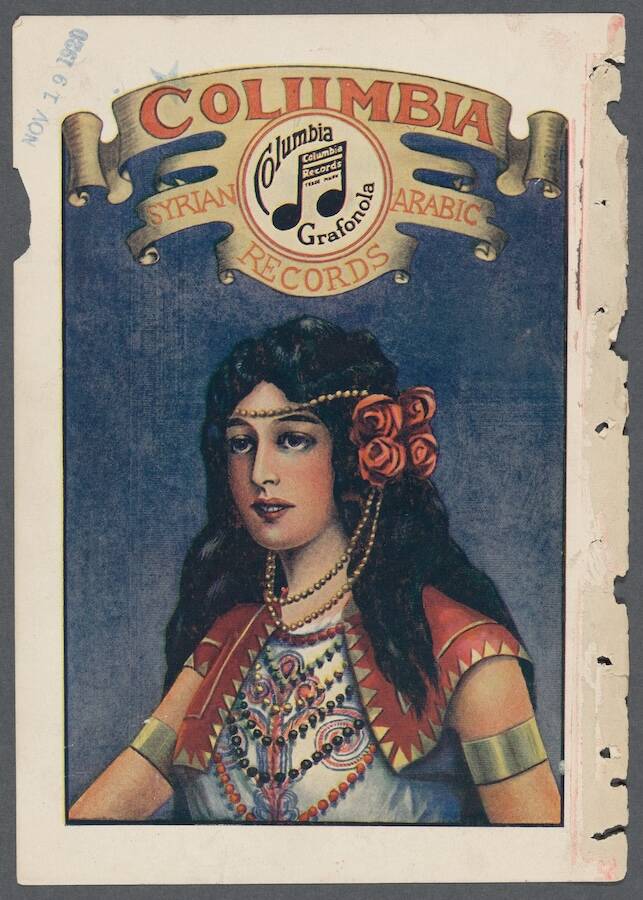
The second section, “A Life in the City,” explores how immigrant communities began to form and thrive in New York, including in what was once known as Little Syria on Manhattan’s Lower West Side — an area that still exists today. They were entrepreneurs who opened restaurants, shops, and began publishing Arabic newspapers.
One of the most groundbreaking was Al-Hoda, founded by Naoum Antoun Mokarzel and his brother Salloum. “In the basement of Al-Hoda Press, they adapted the linotype machine from Latin characters to Arabic characters, which is very hard (because Arabic is) a cursive language,” Abid says. “By this technological innovation, he actually allowed other presses to form and to publish newspapers, periodicals, and books,” which then circulated throughout North and Latin America — and back to the Middle East.
In other words, New York was instrumental in literally building the Arabic press and exporting news to the Middle East.
Abid emphasizes how vital the library’s historical collections are to telling these stories.
“The library has been collecting these materials since the late 19th century,” she says, adding that many of them have been digitized, enabling audiences to interact with them in a new way.
The third section, “Impressions,” flips the gaze, revealing how Middle Eastern immigrants perceived New York and the US.
“Many immigrant groups embraced American values… but many (Arabs) actually didn’t like New York and didn’t like American values and left after a few years here or after a few months.” The exhibit highlights these ambivalences and the tensions of assimilation.
The final section, “In Our Own Skin,” is the most contemporary and, for Abid, the most personal. It includes raw, vulnerable stories that reflect racial identity, Islamophobia, and resistance. Among the most powerful pieces is the short documentary “In My Own Skin,” directed by Jennifer Jajeh and Nikki Byrd, which features interviews with five Arab women in New York, and was filmed just one month after the events of Sept. 11, 2001.
“The interviews are absolutely amazing. Every time I talk about it, I have goosebumps,” Abid says. “The way they talk about it — it is still very relevant today, as if nothing changed much, except that we’re probably more powerful because we are aware of this and we know how to organize and to fight back. We have the vocabulary now, and the community.”
That spirit of organization is embodied by Malikah, a grassroots collective founded by Rana Abdelhamid in 2010 as a self-defense class for Muslim women on Steinway Street in Queens. The movement has since expanded into a larger project of empowerment, healing, and solidarity — and is featured in the exhibit’s final section. The powerful sound of the athan, or call to prayer, has been important to this cultural shift.
While images of the Statue of Liberty — based on an Egyptian woman — didn’t make the cut, but Abid stresses its significance on each guided tour. On this occasion, though, she wanted to focus the visitors on lesser-known gems.
Having lived in New York for the past four years as a Tunisian immigrant who spent much of her life in France, Abid says she finds New York to be more diverse than anywhere else she has ever lived.
“I live on Atlantic Avenue in the Syrian corner. The things I witnessed here and in Middle Eastern parts of New York, like Astoria, I could never see anywhere else — even Paris,” she says. “When you go to the exhibition, you actually think, ‘Damn! We actually did a lot. And we’re here, you know—we’re here.
“It shows how New York was central to all of these struggles and how New York — thanks to its MENA community — was actually connected and aware. It puts New York on a global map, you know? I think New York is incredible terrain for this. It’s the space for it. That’s what this show is about, ultimately.”
source/content: arabnews.com (headline edited)
______________
A poster from 1920 promoting Columbia Syrian Arabic Records — Columbia was one of the major American record labels to recognize the commercial potential of ethnic music markets in the US. (Courtesy of The New York Public Library)