Arabs & Arabian Records Aggregator. Chronicler. Milestones of the 25 Countries of the Arabic Speaking World (official / co-official). AGCC. MENA. Global. Ist's to Top 10's. Records. Read & Enjoy./ www.arabianrecords.org
Egypt received on Wednesday a Guinness World Records’ certificate on Rod al-Farag Axis Bridge (Tahya Misr Bridge) passing over the Nile, for being the widest suspension bridge in the world at a width of 67.36 meters.
Guinness World Records website has not yet published news about the new Egyptian record-holder.
Regional Director for the Guinness World Records in the Middle East and North Africa region Talal Omar handed over the certificate to Mohamed Mohsen Salah, President and CEO of Arab Contractors company.
President Abdel Fatah El Sisi attended Wednesday the opening of Rod el Farag Axis Bridge, int the presence of Prime Minister Moustafa Madbouli, Presidential Adviser for National and Strategic Projects Sherif Ismail, Transport Minister Kamel el Wazir and a number of high-ranking state officials.
The Arab Contractors, a leading construction company in the Middle East and Africa, officially requested that Rod El-Farag Axis sets a record in the Guinness Book of World Records, said Ahmed Makled, chief executive manager of B Premium, the official partner of Guinness Records in Egypt.
Rod El-Farag Axis (TahyaMisr Bridge) links areas in northern and eastern Cairo with west Cairo. The Egyptian government said that the bridge, which aims to ease traffic and reduce commuting time, is the widest over a waterway.
Makled said that the relevant minimum limit set by Guinness is 65.235 meters, hoping that the bridge will meet other requirements and conditions set by Guinnessto become the world’s widest bridge, replacing Canada’s Port Mann Bridge, which was considered the world’s widest.
Port Mann, which has a width of 65 meters, was opened to traffic in 2012. California’s Bay Bridge was then opened in 2013, to replace Port Mann as the world’s widest. The aforementioned San Francisco-Oakland Bay Bridge has a width of over 78 meters.
Makled said that the TahyaMisr Bridge will seek to enter the Guinness World Records in the coming few days after it is officially inaugurated.
The construction of the flyover bridge is 100 percentcompleted, said Salah, the CEO of the Arab Contractors, adding that the bridge has been paved.
As many as 4,000 engineers, technicians and other workers have contributed to the construction of the bridge with a cost of LE 5 billion ($292.7 million), Salah said, adding that the second phase of the project costs LE 4 billion.
source/content: egypttoday.com (headline edited)
___________
The Arab Contractors officially requested that the Rod El-Farag Axis sets a record in the Guinness Book of World Records – Press photo
This January, Sara Chraibi, founder of Maison Sara Chraibi presented for the first time at Paris Haute Couture Week. The Moroccan designer greatly impressed critics with her collection which combines traditional Moroccan craftsmanship with modern elements and materials for a unique style that celebrates her heritage but also appeals to the contemporary woman.
After living in Paris and working as an architect for several years, Chraibi returned to her home country to establish her fashion brand. It was a major shift in cultures but she wanted to be in her homeland in order to find ways to embrace the traditional craftsmanship techniques and find new ways to express this as a form of contemporary luxury. Her designs are deeply rooted in traditions but also appeal to the wider world. This season Chraibi presented her Spring/Summer 2023 collection at Paris Fashion Week after being invited by the Fédération de la Haute Couture et de la Mode to showcase her designs to the world. Here we find out more about the experience and what we can expect to see from her brand moving forward.
Tell us a little about how your brand came to life.
I grew up in an environment of art and culture. As a child, I was introduced to sewing and embroidery by my mother. After my architectural studies in Rabat, I moved to Paris where I wrote a diploma (DEA) in “Philosophy and Theory of Architecture”. In Paris, my passion for fashion and couture is nourished by the vitality and creativity of the city. Alongside my job as an architect, I then began to draw, sew and embroider a multitude of couture pieces.
In 2012, I presented my first collection “Anatomic Architecture” during the final of a Competition organized by “Ateliers de Paris”. In the same year, I participated in Festimode Casablanca Fashion Week where the models paraded in front of the Casablanca cathedral. Greeted unanimously by the public and the press, these first appearances were the beginning of my professional retraining.
Congratulations on the Spring/Summer 2023 collection – tell us about this collection and how it came to life.
When I started working on this collection, I wanted to share several elements of my personal story, my influences and my sensitivity to the world. I had this idea of weaving a collection where each thread would represent part of the story: beginning with the architecture, the relationship to the structure of the garment, then there is the know-how, coming from a Moroccan textile tradition and the memory of the elegance of Moroccan women, there is this double culture that makes the originality of my point of view on fashion. I wanted to weave all this together and make it into a framework to tell a new reality.
This was your first time showing at such a level tell us about your experience being a guest member of the FMHC.
For me, Haute couture is a dream, a celebration of uniqueness and being part of it as a guest member is a milestone for my brand.
Can you tell us about some of the traditional techniques that you used in your designs and how you have evolved the techniques and craftsmanship to give them a modern twist?
With my work, I take patterns, shapes and ancient techniques from Morocco but I add a certain twist or reinvent them in a new way. For example, I used the “sfifa” weaving technique to create a fabric rather than using it as an ornament, as is done traditionally. I mixed raw materials from Morocco, and I used golden thread and silk fringe to build garments as a link between two cultures and realities. I see traditional craftsmanship both as an inspiration and a call to innovation.
How do your heritage and upbringing influence your work today?
My brand is built around the Moroccan art of living, my architectural background and my interest in couture know-how inspire it. My brand aesthetic evolves around the idea of subdued femininity. With a timeless approach to eveningwear, I merge the East and West through one-of-a-kind couture garments.
Tell us about your first memory of fashion.
I remember times before my mother had an important party, we would stroll from stall to stall in the markets in search of fabric and she would make dresses from scratch. I would sit next to her and watch her assemble the pieces of fabric one by one and sculpt the garment. At that time I started to collect fabric scraps to in turn sew something for my barbie doll. There was something magical about those moments. As I grew up, I remember my impatience to get dressed for these events; to put on a beautiful dress, to finally be part of the adult world, with all those sophisticated ladies, perfumed, richly adorned in silk and lace, with an appearance that made everyone’s heads turn. The women of Morocco are beautiful and sensual and wearing a caftan is an ancestral tradition, a ritual that is passed down from mother to daughter.
How do you think your background in architecture has influenced your designs and the way you put looks together?
I quickly realised that fashion and architecture could share the same vision. As an architect, I liked the modern period. In my clothing designs, I am influenced by modern architecture. All my attention goes to the purity of the lines, to the elegance and the lightness of the structure, it is a sort of quest for the essential.
What is the vision for your brand moving forward?
For me, succeeding in the world of fashion comprises several essential elements: commercial success, of course, but also and above all, success together as a team to share values and wealth, to ensure that each person in the company grows through their work. There is also a cultural success, where in addition to offering products, a brand manages to permanently establish its universe in the collective imagination. That’s all I want to achieve for my brand.
Who are some of the designers or brands that you admire?
Madeleine Vionnet, Jeanne Lanvin, and Elsa Schiaparelli, all made contemporary fashion history with a feminine point of view. I also admired Lee McQueen’s vision and Azzedine Alaia’s sharpness.
There are few brands from the Arab region that have managed to reach success on a global level – what is your opinion on this and what advice would you give to aspiring designers in the Middle East?
I wish that there are more and more brands with an Arab or oriental DNA on the international scene. Fashion is a great tool of soft power. Each new designer who launches in the region is responsible for spreading our culture to the rest of the world.
In this issue we are celebrating the month of Ramadan, what does this time mean to you and how will you be spending it this year?
Ramadan is one of my favourite times of the year. It’s time to reconnect with our faith. I like to spend it with my family and friends, to celebrate with pride and joy and I also like to share iftar with my non-Muslim friends.
What is next for you this year and for the rest of the year?
I’m working on the Maison Sara Chraibi Fall/Winter 2023 couture collection. I will also launch an e-commerce site later in the year.
What can you tell us about your brand in the Middle East and can we expect to see you here soon?
I plan to do some trunk shows in the Middle East over the coming months. The Middle East is an important market for my brand and It’s very important to establish long-term commercial partnerships there.
The UAE Ministry of Climate Change and Environment, in collaboration with the professional services organisation EY, French climate education NGO Climate Fresk, and over 1100 students from Aldar Education set two Guinness World Records.
These records were established for hosting the largest climate change awareness lesson and for having the highest number of nationalities attending a climate awareness lesson.
In association with Aldar Education, a leading education group in the UAE, and with the support of ADNEC, and the Department of Energy in Abu Dhabi, the record-creating attempt aligns with the focus of youth participation in climate negotiations at COP28, which will have the first Youth Climate Champion with a Ministerial role.
The enormous cohort of Aldar Education climate conscious students gathered at Abu Dhabi’s ADNEC Exhibition and Conference Centre to break the record, while discovering more about climate change, and what part they can play in mitigating its effects.
The group included students from 57 different nationalities, setting the record for most nationalities attending a climate change awareness lesson.
The attempt was launched by Mariam Bint Mohammed Almheiri, Minister of Climate Change & Environment, who said: “COP28 is set to be the most inclusive COP to date, and today we have made record-breaking history, while ensuring so many of our youth have a better understanding of the challenges, we all face.”
“Our aspiration is to transform the UAE into one of the most climate conscious nations on earth. To do that we need to ensure our youth not only understand the challenges and issues we collectively face, but how they can become more involved in our journey to climate neutrality.”
“After all, these students are not only affected by climate change, but they hold the power to shape the way our future society evolves to mitigate its impact and adapt to its effects.”
Sahar Cooper, Chief Executive Officer of Aldar Education, said: “We take immense pride in our students’ active participation in establishing a new world record in climate change awareness. We believe that education plays a pivotal role in nurturing environmentally conscious citizens and empowering them to drive positive change. Today’s youth are not just the leaders of the future; they are the changemakers of today. Their proactive engagement in addressing climate change underscores the critical role they play in accelerating global sustainability efforts. This milestone inspires us to push the boundaries of sustainability further and reinforces our mission to empower the next generation with the knowledge, passion, and responsibility to make a lasting impact on our planet.”
Anthony O’Sullivan, UAE Managing Partner, EY, added: “EY is incredibly proud to be a part of building climate change awareness focused on the very real challenges of climate change. In empowering this diverse group of youth with knowledge, they will play a crucial role in being environmental stewards for a sustainable world future.”
“The advocacy of youth inclusion at COP28 UAE will set the stage for today’s youth to be heard and take action to effect climate change policies as the global leaders of tomorrow.”
Climate Fresk founder, Cédric Ringenbach, said: “Climate change is a complex problem that affects us all, but it is still very badly understood by the general population.
“We don’t have much time, but by understanding the challenge we can take our response to the next level.
“Our ambition is to create a growing network of people who can pass on this quality climate education to reach a social tipping point that will help guide us to a low carbon world.”
Climate Fresk prompts participants to take constructive action to help tackle climate change.
The event concluded with the Department of Energy in Abu Dhabi providing all participants in the record-breaking attempt with an ‘Energy Kit’, which includes tips, advice and behaviour-nudging interventions to enable the students to take more sustainable actions.
Sheikh Nahyan bin Mubarak Al Nahyan, Minister of Tolerance and Coexistence and Chairman of the Board of Trustees of the Khalifa International Award for Date Palm and Agricultural Innovation, expressed his appreciation for the patronage and the support the Award continues to receive from His Highness Sheikh Mansour bin Zayed Al Nahyan, Vice President, Deputy Prime Minister, and Chairman of the Presidential Court. He also praised Sheikh Mansour’s contribution to the development of the date palm cultivation and production sector at the national, regional and international levels.
This is in addition to strengthening the UAE’s leading position through cooperation with date-producing countries and concerned regional and international organisations, where Sheikh Nahyan expressed his confidence in the efforts of the Award’s General Secretariat, which played an important role in building global partnerships to develop this sector.
Dr. Abdelouahhab Zaid, Secretary-General of the Khalifa International Award for Date Palm and Agricultural Innovation, announced the winners of the Award in its 16th session during his speech at the press conference held on Monday at the Emirates Palace Hotel, Abu Dhabi, in the presence of Dr. Helal Humaid Saed Al Kaabi, Member of the Award’s Board of Trustees, and Secretary-General of the Abu Dhabi Council for Quality and Conformity.
International Award Winners:
The award in the Distinguished Innovative Studies and Modern Technology category was won by Dr. Khaled Masmoudi – College of Agriculture and Veterinary Medicine (UAEU) for “Enzyme stabilization and thermotolerance function of the intrinsically disordered LEA2 proteins from date palm” and Dr. Ezzeldin Gadallah Hussein Ahmed – Agricultural Research Centre, Ministry of Agriculture and Land Reclamation (Egypt), for “Phoenix dactylifera in vitro culture and transformation of Thio-60 antifungal gene via chitosan nanoparticle”.
The award in the Pioneering Development and Productive Projects category was won by Dr. Lim Swee Hua Erin – HCT (Abu Dhabi), for “Sustainable Seeds: A Tale of Two Innovations” and AFRICA ORGANICS (Morocco), for the world’s largest organic date palm plantation (1200 ha) of farmland.
The award in the Pioneering and Sophisticated Innovations Serving the Agricultural Sector category was won by Dr. Yarub Kahtan Abdul Rahman Al Doruri – University of Sharjah for “Production of powder-activated carbon from natural resources” and VALORIZEN LLC, Research and Innovation Centre (Egypt) for “Scalable, Market Driven and Climate Positive Solutions of Date Palm Waste”.
The award in the Influential Figure in the Field of Date Palm and Agricultural Innovation category was won by Dr. Ramzy Abdelrahim Dessoky Aboaiana (Kingdom of Saudi Arabia) and Prof. Ibraheem Jaddoa Olelwi Al Juboori, PhD (Iraq) for “A qualitative leap and big steps”.
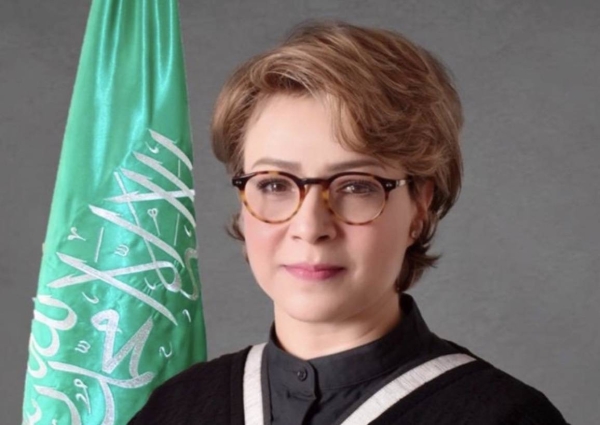
Patricia Scotland, Secretary-General of the Commonwealth of Nations, has appointed Saudi Professor Manahel Thabet as her special envoy for science and technology. This decision highlights Thabet’s notable expertise and her significant contributions to the scientific and technological realms.
The Commonwealth, comprising 56 countries and representing over 2.5 billion people globally, focuses on fostering sustainable development, advanced technologies, coexistence, and peace, marking its status as a prominent entity in both political and scientific spheres.
Professor Thabet’s role will be pivotal in connecting member states to achieve sustainable development goals. Her responsibilities include facilitating communication, exchanging knowledge and expertise, directing scientific and technical research efforts, adopting best practices, and utilizing technology to tackle environmental issues.
Additionally, she will play a key role in enhancing economic cooperation, developing policies, formulating legal frameworks to foster innovation, and capacity building of scientists and professionals within the member states.
Professor Thabet’s illustrious career includes several high-profile roles. She serves as an advisor to the president of King Abdul Aziz City for Science and Technology (KACST), president of the Economic Forum for Sustainable Development, and founder president of Consortium Consultants. She is also the deputy director of the Institute for Brain Chemistry and Human Nutrition at Imperial College, vice president of the World Intelligence Network (WIN), and vice-chancellor of the UK Gifted Academy.
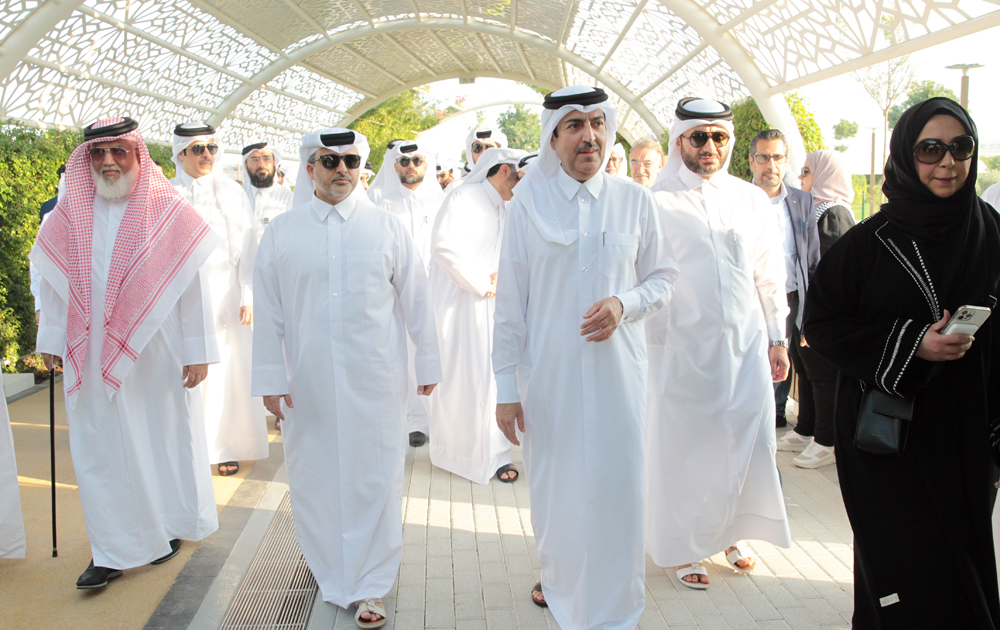
Minister of Municipality H E Dr. Abdullah bin Abdulaziz bin Turki Al Subaie yesterday inaugurated Umm Al Seneem Park, with the largest air-conditioned jogging tracks in the world, in Umm Al Seneem, Al Rayan Municipality, breaking Guinness World Records.
The 1,143-metre-long air-conditioned jogging tracks received the title of Guinness World Records for the ‘longest air-conditioned outdoor path’ on October 17, 2022.
The jogging tracks, ensuring temperatures about 26 degree Celsius aim at encouraging visitors for exercise in a bid to make them fit and healthy.
Speaking to the media, Minister of Municipality said that Umm Al Seneem Park spreads over an area over 130,000sqm is part of an initiative of the Ministry to improve the quality of life by increasing green spaces in Qatar.
“We have increased the green spaces in the country over 10 times, compared to those in 2010 by building parks, landscaping and green areas,” said the Minister. He said that public parks are equipped with fitness machines, children play areas and joggers trackers, including some of them air-conditioned for the comport of visitors.
“The parks have been built following sustainability goals to cut the carbon footprint and provide fresh air to visitors,” said the Minister, adding that the efforts will continue to open more new parks in near future.
Speaking to The Peninsula, Director of Public Parks Department, Muhammad Ali Al Khouri said that the jogging tracks of Umm Al Seneem Park has been registered in the Guinness World Records and an official certificate for the title of the record was issued by the officials about a week ago.
The Umm Al Seneem Park was developed by the Public Works Authority (Ahghal) in coordination with the Ministry of Municipality.
The park, stretching over an area of 130,105sqm, can accommodate about 6,000 visitors per day. The green spaces of the park covers 68 percent of total areas, 88,400sqm dotted with 912 trees of 18 types, including 75 local trees and 820sqm long green walls. The park includes many important facilities, including the outdoor air-conditioned jogging-track for running and walking with a length of 1,143 metres, which is in a circular shape around the park.
The cycling track is 1,135 meters long. There are three areas for exercises, a fitness box that allows visitors to exercise through a screen that displays a trainer teaching exercises. The park also has two children’s play areas, one for the age group 2 to 5, and the other for 6 to 12 years, with games dedicated to children with special needs.
There are seven service kiosks, including six for food and beverages, one kiosk for renting bicycles and bicycle parking, besides providing garden furniture, locally manufactured benches from Fiber Concrete (GRC) and Glass Reinforced Plastic (GRP).
Energy-saving lighting poles haven installed. There are parking spaces for people with special needs, in addition to seven water fountains, prayer rooms, and bathrooms.
The eco-friendly air-conditioning system of jogging tracks relies on generating 60% of the electricity required to operate the air conditioners with solar panels, reducing electricity consumption while maintaining temperatures up to 26 degrees Celsius.
Director of Public Parks Department Muhammad Ali Al Khouri said that the number of public parks in Qatar increased from 56 in 2010 to 143 in 2022, recording 164% growth.
He said that green spaces jumped from 2,614,994sqm in 2010 to 43,861,133sqm in 2022, taking per capita share of green space from 1sqm in 2010 to 16.2sqm in 2022, recording 16-fold growth. “The total number of trees that have been planted across the country under ‘Plant Million Tree’ initiative has reached 1,193,665, surpassing the target, which is equivalent to 15,517,645sqm green areas,” said Al Khouri.
Eng Mohammad Arqoub Al Khaldi, Chairman of the Supervisory Committee of Beautification of Roads and Public Places in Qatar said Umm Al Seneem is an added value for achieving the environmental sustainability strategy, and enabling citizens and residents to adopt a healthy lifestyle.
Director of Building Affairs Department at Ashghal, Eng Jarallah Al Marri said that the park is eco-friendly as its air-conditioning system is powered by solar energy.
The Minister of Municipality of Municipality H E Abdullah bin Abdulaziz bin Turki Al Subaie, with other officials at the Longest AC Outdoor Path Guinness Record park at Umm Al Saneem. Picture by Salim Matramkot/The Peninsula
Tunisian film Four Daughters (Les filles d’Olfa) was nominated for an Oscar for Best Documentary Feature, becoming the director’s second nomination for the Academy Awards.
Ben Hania’s 2020 feature film The Man Who Sold His Skin was nominated for Best International Feature Film at the Oscars in 2021.
Written and directed by Ben Hania, the film Four Daughters, nominated for Best Documentary Feature, focuses on a woman’s search for truth as she gets tangled in a web of lies in her family history. As a daughter and filmmaker, Ben Hania fuses personal and national history as she reflects on the 1981 Bread Riots, drawing connections to modern Morocco.
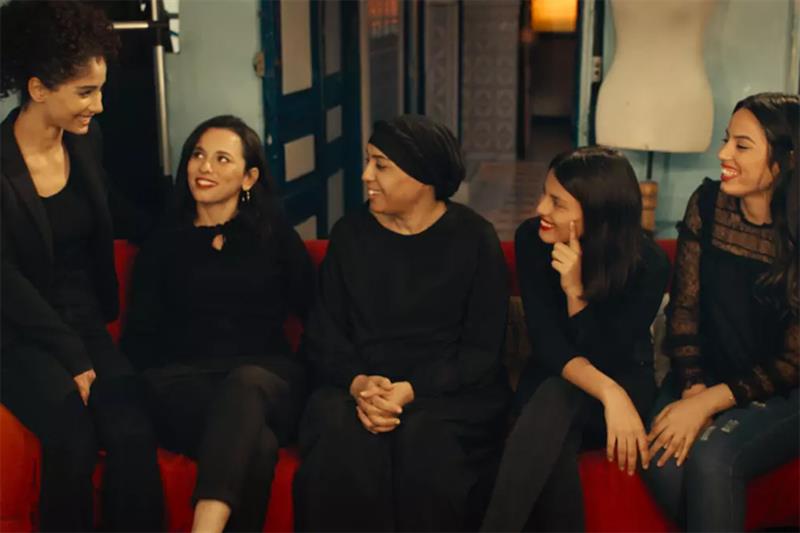
The film follows Olfa, a Tunisian woman and the mother of four daughters. One day, her two older daughters disappear. To replace them, the filmmaker Ben Hania invites professional actresses and invents a unique cinema experience which would lift the veil on Olfa and her daughters’ life stories.
The film blurs the boundaries between documentary and fiction and between being on-screen and off-screen.
The film has received critical acclaim, winning the Golden Eye award at the Cannes Film Festival, the Best International Film at the Munich Film Festival, and the Jury Award at the International Competition of the Brussels Film Festival. Most recently, it won the Asharq Award for Best Documentary at the Red Sea International Film Festival.
The index measures the levels of trust and credibility between governments and citizens.
Saudi Arabia has claimed the top spot in the “Edelman Trust Barometer 2024” index, which measures the levels of trust and credibility between governments and citizens. The kingdom achieved a remarkable 86 per cent in the Index for Trust in Government, marking a significant 5 per cent increase compared to the previous year.
According to Edelman, a global public relations consultancy firm, China followed closely in second place with 85 per cent, the UAE secured third place with 84 per cent, and Singapore ranked fourth with a trust level of 77 per cent.
Edelman report unveiled that Saudi Arabia stands at the fourth position globally in the business confidence index. Additionally, the Kingdom earned the seventh spot in the media trust index among the 28 countries included in the report.
Saudi Arabia’s Ministry of Information has recently implemented major changes, covering both organizational and administrative aspects. These reforms are complemented by dynamic movements in various media fields, including the launch of several media initiatives, projects, and programs.
Trust in Saudi Arabia’s government increased to 86 per cent, followed by the business sector at 78 per cent. Non-Governmental Organizations (NGOs) and media have trust levels of 64 per cent and 61 per cent, respectively.
The survey gathered responses from nearly 32,000 individuals across 28 countries. China, the UAE, and Singapore also ranked high in government trust.
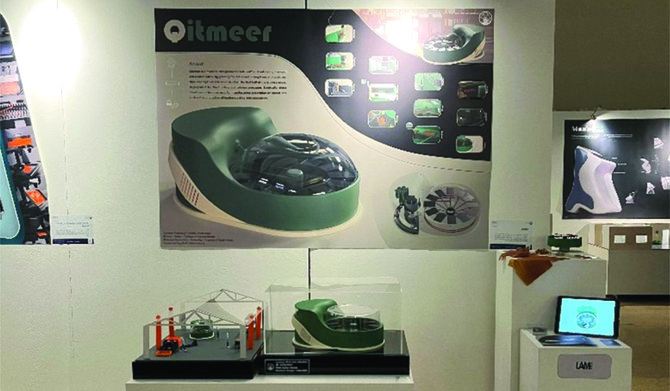
The vegan leather-making machine Qitmeer works by grinding the dates, mixing them with additives, then pouring them into molds to start the first half of the drying process before preparing them for the finishing and coloring processes.
Curiosity was her guide, creatively unveiling the hidden wonders in the ordinary, and product designer Lamees Alfadhel designed Qitmeer, a machine that produces vegan leather sheets using damaged and wasted dates.
Qitmeer was the young designer’s graduation project. Fascinated by science, creativity, and the ability to shape human interaction with the world, Alfadhel explored several academic paths before discovering her passion and purpose in product design.
“While I may not have realized it immediately after high school, I soon discovered that product design brings together a captivating mix of different disciplines, allowing me to combine my interests and create innovative solutions,” said Alfadhel, a first-class honors product design graduate from Princess Nourah bint Abdulrahman University.
Alfadhel’s interest in culture, sustainability, and building a greener future through design sparked the young designer to base her graduation research in the natural leather industry in the Kingdom.
“I find inspiration in cultural designs that incorporate elements of my country, such as the iconic date palm trees,” she said.
She found two main challenges facing the natural leather industry in the Kingdom: the chemical damage resulting from the leather processes and the massive amount of wasted dates.
I’m looking forward to producing the most unique leather sheets in the industry. Sustainabilityisacore value guiding my work, dedicated to building a greener future through design.
Lamees Alfadhel, Product designer
“These challenges inspired me to design a machine that combines a solution for both issues,” said Alfadhel.
The vegan leather-making machine Qitmeer works by grinding the dates, mixing them with additives, then pouring them into molds to start the first half of the drying process before preparing them for the finishing and coloring processes.
The vegan leather sheets then become ready for the manufacturing and production operation, which includes the making of leather clothing and accessories.
Fibers are an essential part of the vegan synthetic leather-making process, and dates are the optimal choice for this industry, considering that they have a high fiber content.
“I’m looking forward to producing the most unique leather sheets in the industry. Sustainability is a core value guiding my work, dedicated to building a greener future through design,” said Alfadhel.
Qitmeer has been positively received by people. It encourages others to use elements and sources available in the Kingdom, explained Alfadhel.
Today, young creatives, including Alfadhel, have the opportunity to make their mark on the national and global art and design scene, with the Kingdom’s cultural renaissance supporting and inspiring a new generation, a key part of Saudi Arabia’s visionary economic and social plan to build a creative economy.
“The design community in the Kingdom has witnessed significant growth and recognition in recent years,” said Alfadhel.
“There are numerous initiatives, organizations, and government-backed programs that actively promote and support designers across various disciplines.”
Alfadhel has worked on several projects and her first was an interactive game with topic-based cards, designed to encourage teamwork.
She added: “Among the projects I’ve worked on, I take great pride in highlighting Qitmeer as my most significant achievement so far.”
Qitmeer was selected and featured in Tanween’s “Graduation Exhibition” at Ithra last November. The exhibition highlights the most outstanding work by graduates of design and architecture colleges and universities in the Arab world.
Alfadhel mostly uses Adobe Creative Cloud, Illustrator, and Photoshop for her designs. When sketching the initial idea, and 3D modeling, she uses the Fusion 360 platform.
“Fusion 360 is a fundamental part of my creative process, allowing me to bring ideas to life and refine them with attention to detail,” she said.
“Lately I’ve realized that the most used color in my designs is green, but that relies on the purpose of the product I design. Searching to understand the meaning of colors is an important step of my design process.”
The world has witnessed influential product designers who have set new standards in place, leaving a mark behind, and Alfadhel’s passion for design and unwavering commitment and determination to contribute to the design industry mark her out as a possible addition to the growing list.
She is currently working as a graphic designer and a marketing specialist in Riyadh and aspires to collaborate with local talents to foster the growth and development of young Saudi creatives in the Kingdom.
source/content: arabnews.com (headline edited)
____________
Lamees Alfadhel designed Qitmeer, a machine that produces vegan leather sheets using damaged and wasted dates.
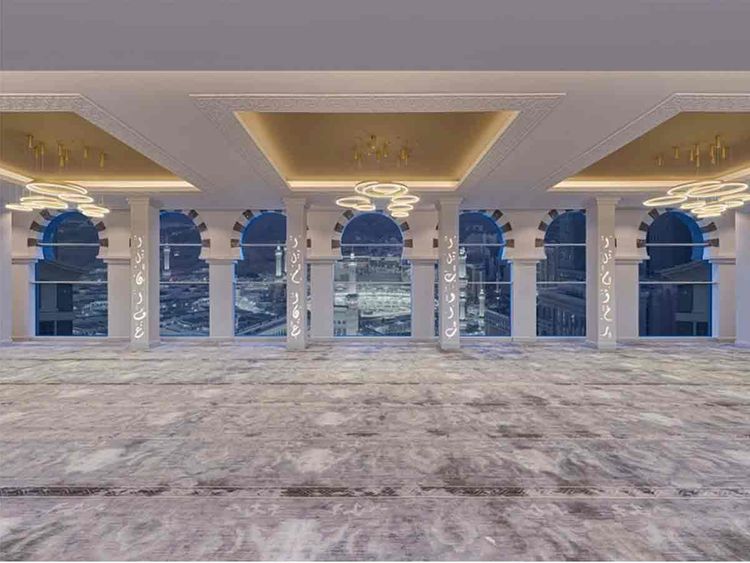
Saudi Arabia’s record-breaking hanging prayer room offers spectacular Kaaba views.’
Saudi Arabia has set a new world record with the opening of the highest hanging prayer room, as recognised by Guinness World Records.
Situated at a breathtaking 483 meters above sea level, this architectural marvel offers unparalleled views of the Kaaba and other significant religious landmarks in Mecca.
Nestled within the bridge connecting the two towers of the Address Jabal Omar Mecca Hotel, the prayer room is not just a feat of engineering but also a testament to architectural ingenuity and creative prowess.
Using the latest technology and specially designed equipment, the 650-tonne steel bridge was initially assembled at 312 meters above ground before being elevated to its final position, linking the hotel’s twin towers across floors 36, 37, and 38.
The hall, which can accommodate up to 520 worshippers in a spacious 550 square meter area, blends traditional Arabic designs with modern luxury. Arabic calligraphy adorns its interiors, enhancing the room’s sanctity with the names of Allah and reflecting the rich Islamic heritage.
Worshippers in this prayer hall are treated to a spiritual experience filled with peace and tranquility. During Fajr prayers, they can witness the sunrise over Mecca, while the sunset bathes the chapel in warm.
source/content: gulfnews.com (headline edited)
_________
It was initially assembled at 312 meters above ground before being elevated to its final position, linking the hotel’s twin towers across floors 36, 37, and 38. / Image Credit: Courtesy of X/@ThamerAlbugami