Arabs & Arabian Records Aggregator. Chronicler. Milestones of the 25 Countries of the Arabic Speaking World (official / co-official). AGCC. MENA. Global. Ist's to Top 10's. Records. Read & Enjoy./ www.arabianrecords.org
The Academy will nurture the development of the language in Mauritania and beyond, bringing together an elite group of scholars dedicated to the cause.
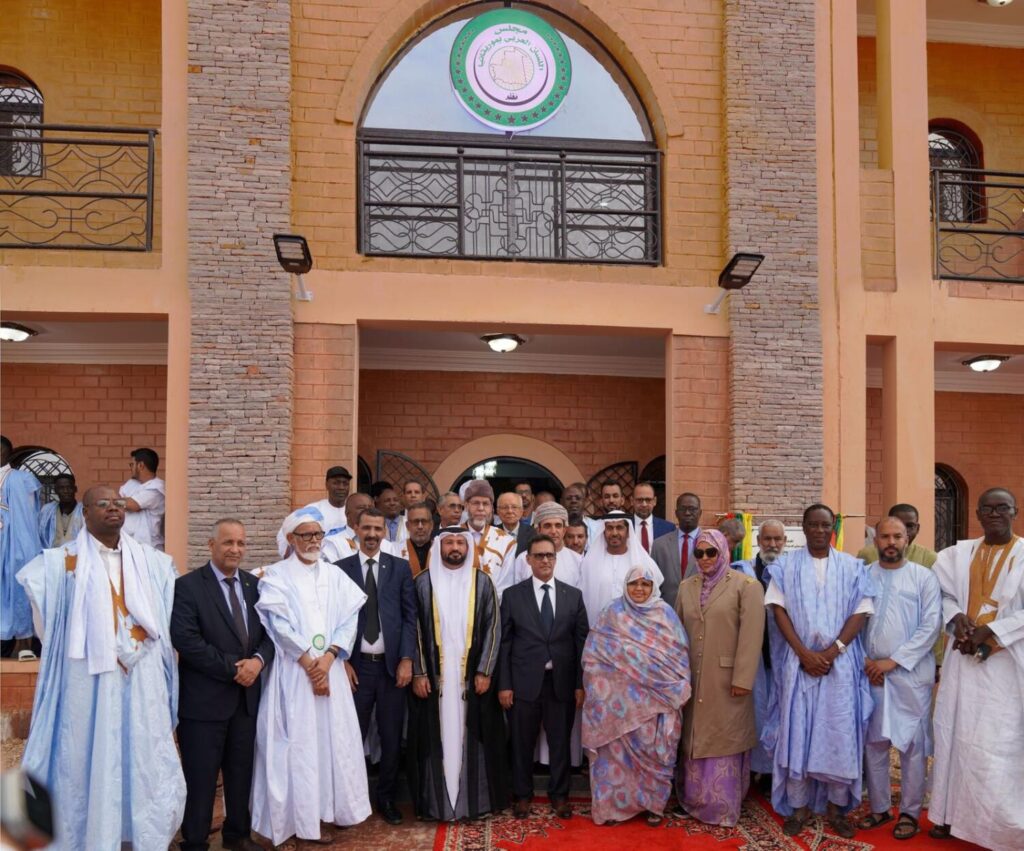
The new headquarters of the Arabic Language Council in Nouakchott, Mauritania, was inaugurated on Monday under the patronage of Mauritania President Mohamed Ould Cheikh El Ghazouani, and through the contribution of His Highness Sheikh Dr. Sultan bin Mohammed Al Qasimi, Member of the Supreme Council and Ruler of Sharjah, and Supreme President of the Arabic Language Academy (ALA) in Sharjah.
Development of the Arabic language
Ahmed Sid Ahmed Dié, Mauritanian Minister of Culture, Youth, Sports and Relations with Parliament, presided over the ceremony, expressing gratitude for the generous contribution from Sheikh Dr. Sultan. The Academy in Mauritania will nurture the development of the Arabic language in Mauritania and beyond, bringing together an elite group of scholars dedicated to this noble cause.
The ceremony was also attended by several senior diplomatic and media figures, as well as heads of Arab language academies.
During the event, Mohamed Hassan Khalaf, an ALA Board of Trustees member and Director-General of the Sharjah Broadcasting Authority, conveyed a message to the community of linguists and researchers in Mauritania from the Ruler of Sharjah. He also spoke about the importance of supporting major scientific projects and continuous efforts to empower the Arabic language in various countries worldwide, highlighting the strong relationship between the UAE and the Mauritania.
Championing Islamic and Arabic culture
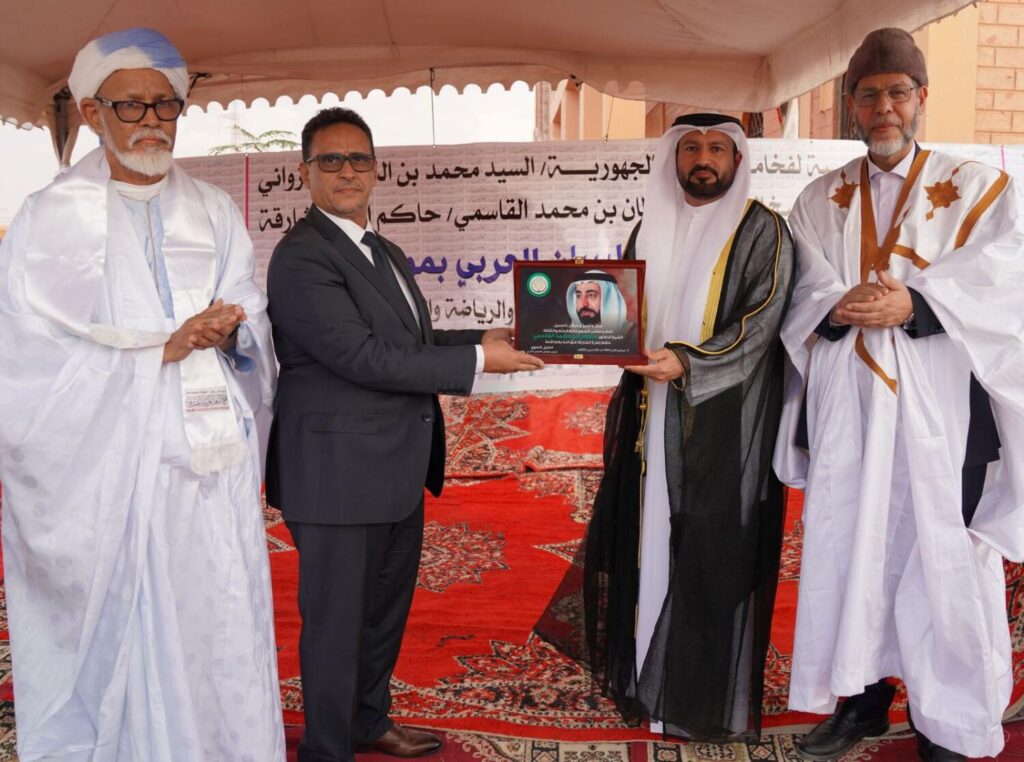
Ahmed Sid Ahmed Dié presented a commemorative shield to the Ruler of Sharjah, and was received by Mohamed Hassan Khalaf in appreciation of Sheikh Dr. Sultan’s efforts in championing Islamic and Arabic culture and language, in various countries around the world.
Dr. Khalil Al Nahwi, Chairman of the Arabic Language Council in Mauritania, delivered a speech congratulating the attendees, the entire Mauritanian population and all guardians of the Arabic language. He also reviewed the council’’s achievements over the past five years, praising the support it receives directly from the Ruler of Sharjah and the Arabic Language Academy in Sharjah.
Ahmed Sid Ahmed Dié, along with Mohamed Hassan Khalaf and Dr. Mohamed Safi Al Mosteghanemi, Secretary-General of ALA, unveiled a commemorative plaque marking the opening of the building before the ceremonial cutting of the ribbon, and was followed by a tour of the impressive building, designed in the Mauritanian architectural style.
Built with eco-friendly materials, the new headquarters consists of two floors and includes several administrative offices, study halls, meeting rooms, and an expansive library. The main building is accompanied by a hall named Al Qasimiya Hall to be used for seminars and events. The headquarters also houses a mosque that can accommodate more than 300 worshippers.
Situated in the University district on land provided by the Mauritanian government, the entire construction and furnishing of this significant establishment were funded by the Ruler of Sharjah.
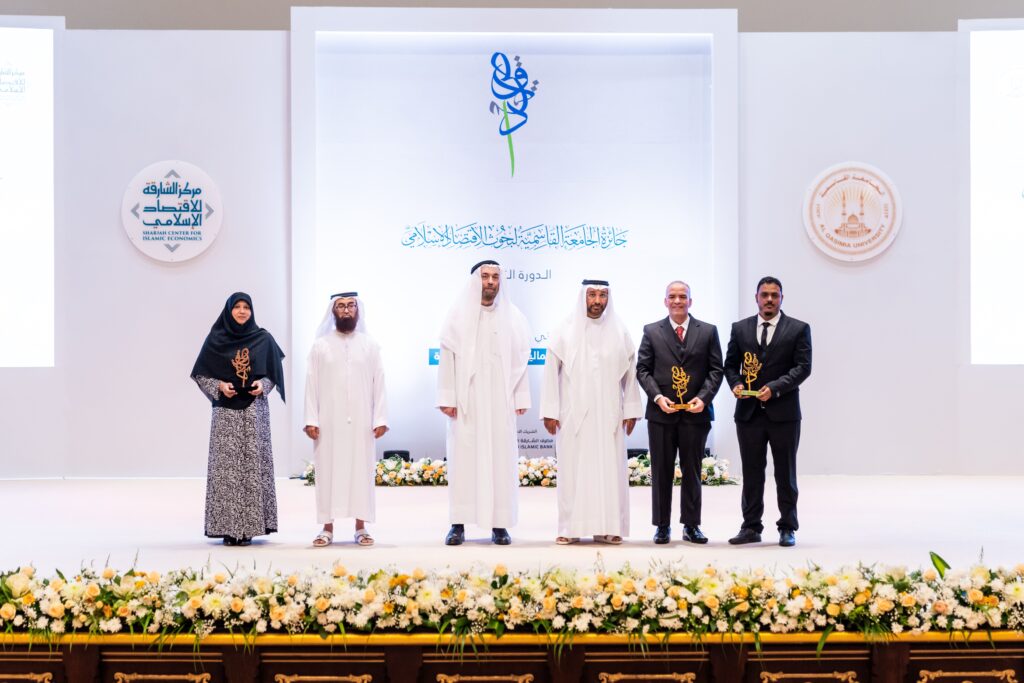
Under the patronage of H.H. Dr. Sheikh Sultan bin Muhammad Al Qasimi, Supreme Council Member and Ruler of Sharjah, Sharjah Centre for Islamic Economics (SCIE) at the university organised a ceremony to honour the winners of the Al Qasimia University Award for Islamic Economics Research, held in the university theatre, in the presence of the President of the University, members of the Board of Trustees, the University Rector, deans of colleges, and members of the Academic, and administrative bodies and students.
Professor Jamal Salem Al Tarifi, President of Al Qasimia University, honoured the award winners and congratulated them on the quality of research presented in Islamic economics studies.
Professor Dr. Awad Al Khalaf, Acting Chancellor of the University, expressed his highest thanks and gratitude to the Ruler of Sharjah, and founder of the University, for His Highness’s generous patronage of the award, as this sponsorship adds value to one of the most important scientific activities that contribute to the renaissance of the economic sector, and the dissemination of the principles and values of Islamic economics, according to scientific foundations, and qualitative scientific research taking into consideration the real need of building a solid economy that achieves UAE development.
The list of researchers included honouring Dr. Badr Al Zaman Khamqani, from the Republic of Algeria, winner in the field of economics, in his research entitled: “A proposed strategy to accelerate the pace of digital transformation in Islamic banks.” Dr. Ahmed Abdel Rahman Ahmed Al Majali, from the Hashemite Kingdom of Jordan, won in the field of law, in his research entitled: “blockchain technology compatibility with Islamic financial transactions.” Professor Dr. Aisha Muniza, from the Maldives, won in the field of economics, in her research entitled: “Development of a digital Islamic social stock exchange”.
Dr. Yasser Al Hosani, SCIE Director, announced the launch of the fourth edition of the award under the title “Smart Islamic Financial Engineering”.
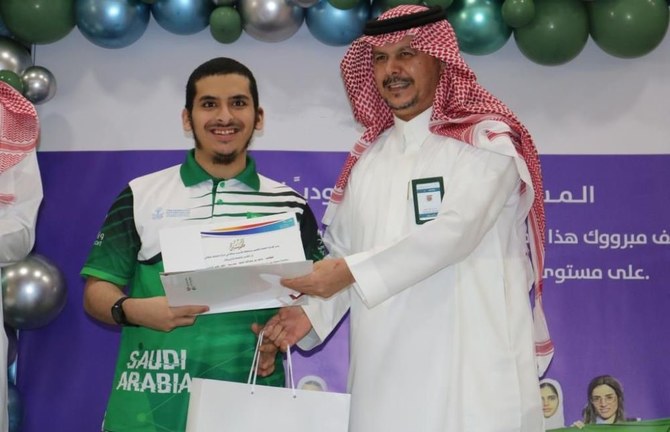
Mujtaba Hussein Salem and Majed Abdullah Al-Majed claimed first place in a World Robot Olympiad final
General director of Al-Ahsa Education Hamad bin Muhammed Al-Issa: This is certainly a win for the Kingdom and its people
Two Saudi secondary school students have claimed first place in a World Robot Olympiad final in Panama.
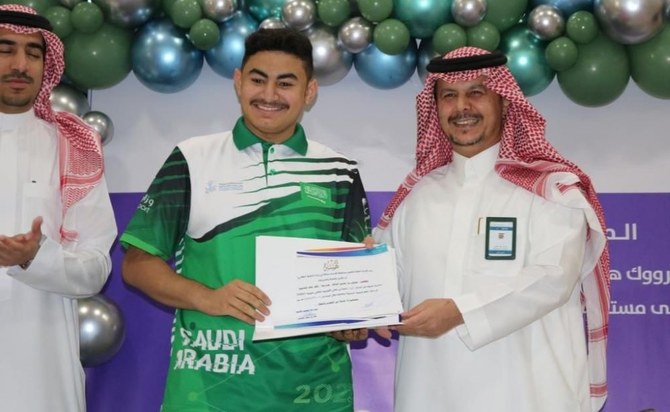
Mujtaba Hussein Salem and Majed Abdullah Al-Majed, both from Al-Ahsa, triumphed against student competitors from around the world in the Virtual Robot Challenges category.
Elementary students Fatima Ali Al-Rashid and Fatima Akil Salem finished fifth in the Future Innovators category.
Scores of students in different age groups competed in a variety of categories at the international olympiad, held from Nov. 7-9.
Hamad bin Muhammed Al-Issa, general director of Al-Ahsa Education, described the Saudi students’ performance as a “significant accomplishment.”
Many teams of Al-Ahsa students have performed well while representing the Kingdom in global competitions, he added.
“Not only are our students drawn to the world of artificial intelligence, but they also lead in this field worldwide. This is certainly a win for the Kingdom and its people,” he said.
“To every loyal teacher who has provided support, and to every school principal who has worked hard to unleash the students’ potential in all fields, I hope your efforts will be blessed and I wish you all the best, as such achievements do not happen out of nowhere or by chance, but are the results of dedicated work and innovative students who don’t know the meaning of impossible and can face any challenge.”
Student instructor Khaled Al-Massoud told Arab News that the students’ performance is an “accomplishment for the country.”
The two winners told Arab News that support provided by the Kingdom played a key role in their victory.
Intensive training under the supervision of Al-Massoud “helped us reach the highest levels in the Olympiad,” they added.
source/content: arabnews.com (headline edited)
____________
Mujtaba Hussein Salem and Majed Abdullah Al-Majed, both from Al-Ahsa, triumphed in the Virtual Robot Challenges category. (Supplied)
Over the past few years, Moroccan Quran reciters have achieved outstanding results in international Quran competitions.
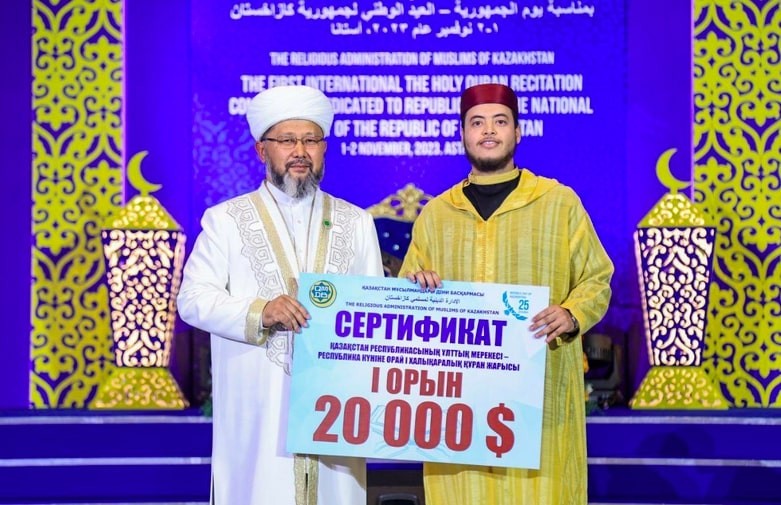
Moroccan Quran reciter Iyass Hajri won on Thursday first place in the International Quran memorization competition in Astana, Kazakhstan.
Hajiri, 39, stood out among 29 contestants from around the world for his remarkable skills during the first edition of the competition, which was held in the pious atmosphere of Astana’s Grand Mosque.
The competition was organized by Kazakhstan’s Religious Administration of Muslims in celebration of the country’s National Day on November 1-2.
It was a major event in Central Asia, drawing the presence of diplomatic representatives of Muslim nations based in Astana. Religious authorities and Muslim dignitaries from Kazakhstan also participated.
The competition was broadcast live through various media platforms, including Munara TV, a television channel affiliated with the religious administration.
It also received significant attention and acclaim on the official social media networks of Kazakhstan’s Religious Council, resonating positively with the Kazakh audience.
Moroccan reciters have shown outstanding performances in international Quran competitions in recent years.
In June of last year, Ilias El Mehyaoui of Morocco won first place in the International Quran Recitation Competition in Addis Ababa, Ethiopia.
In April of the same year, three Moroccans also took the top three places in the UAE’s “Inking for the Noble Qur’an and its Sciences 2022” competition.
Notably, the triumph of the Moroccan contestants in the UAE came after they had achieved leading positions in the Bahrain International Competition for Reciting the Holy Qur’an via the Internet (Global Reciter).
Dr Mohamed Ramy El Maarry hopes his example will lead next generation of Arab scientists into planetary studies.
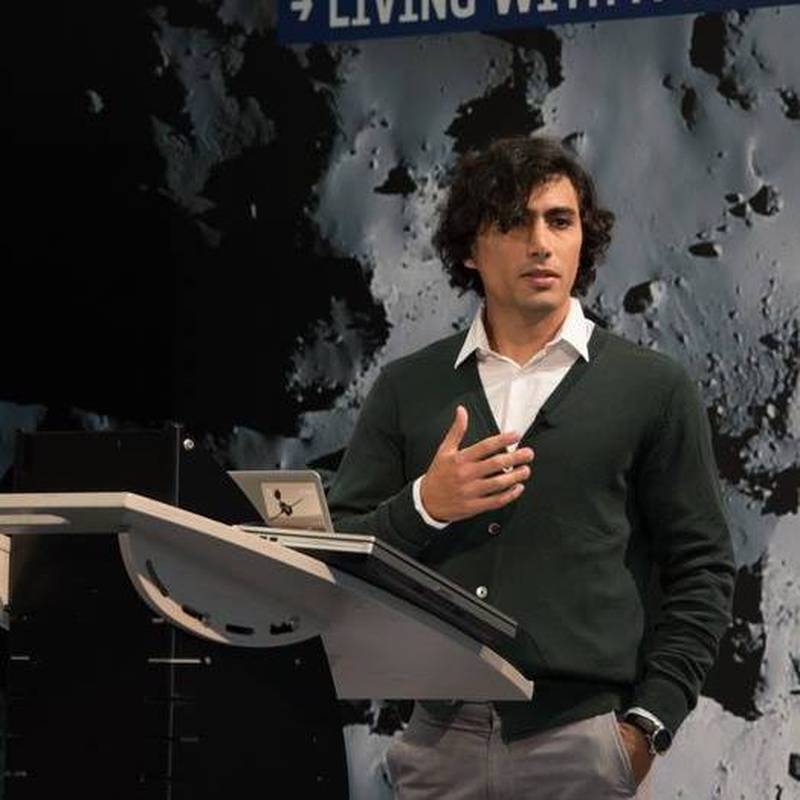
A professor at Khalifa University of Science and Technology has had an asteroid named after him in recognition of his achievements in astronomy.
Dr Mohamed Ramy El Maarry, an Egyptian associate professor of planetary science and director of the Space and Planetary Science Centre at Khalifa University of Science and Technology, received the accolade from the International Astronomical Union.
Asteroid 2002 CZ will now be known as (357148) El Maarry, in recognition of his contribution to the study of comets and planetary science.
“I feel humbled and privileged to get such an honour. In a sense, I look at it as a lifetime achievement award, something that’s going to remain as a legacy,” he said.
“I look at it as a form of extra motivation to do more work to impart the love of science and exploration to the next generation.
“I hope this award can be an inspiration to the next generation of Arab scientists.”
Dr El Maarry’s work in the field of cometary geology is what led to his nomination.
“These sorts of nominations and awards highlight the fact that there are Arabs and people outside of the US and Europe who do significant work in planetary science and they are acknowledged by the international community overall,” said Dr El Maarry.
“I hope it will give them [his students] that extra motivation to remove the stigma that this is the sort of science that is only done by Nasa and people in the West.
“We already know that the UAE is making leaps and bounds in their long-term plans, particularly with regards to space and exploration.”
Belting up for next mission
Dr El Maarry will also be representing Khalifa University as part of the UAE’s recently announced mission to explore the asteroid belt between Mars and Jupiter.
He said the mission was aiming to uncover more details about icy asteroids, which could lead to important clues about the formation of the solar system.
The mission would look to explore seven bodies in the asteroid belt, some of them unexplored, to try to better understand more about icy asteroids which could give important clues on how the solar system formed, he added.
“Our Earth Sciences department offers the only bachelor’s degree in Earth and planetary science in the region,” said Dr El Maarry.
“Our ambition is to prepare the next generation of Emiratis to take part in the upcoming UAE space missions, especially the UAE mission to the asteroid belt, which is due to launch in 2028.”
The mission will involve a five-billion-kilometre journey to perform fly-bys of six asteroids and then send a lander that will touch down on the seventh.
“The naming of the asteroid by the International Astronomical Union after our faculty marks a significant milestone for Khalifa University and the UAE,” said Dr Arif Al Hammadi, executive vice president of the university.
“The recognition also emphasises the globally relevant research that our world-class faculty takes up at Space and Planetary Science Centre in scientific exploration.”
Dr El Maarry’s research covers planetary surfaces and the physical processes that affect them, by using data analysis of remote sensing data, modelling, lab work and comparative planetology mainly through fieldwork.
He has played key roles in numerous international space missions over the past 16 years. His body of work includes Nasa’s New Horizons mission exploring Kuiper Belt Objects at the edge of our solar system, the emirates’ lunar missions , the upcoming ESA ExoMars Rover, Comet Interceptor, the planetary defence mission Hera, and the UAE’s mission to the asteroid belt.
His asteroid can be viewed in the Nasa Small Bodies Database. It is located in the inner asteroid belt, more than 300 million kilometres from the Sun. It orbits the Sun approximately once every three-and-a-half years, and should get closest to the Sun on August 11, 2024.
What is now the (357148) El Maarry asteroid was discovered in February 2002, through the efforts of a joint venture between the Department of Astronomy and Astronomical Observatory of Padova University and the German Aerospace Centre, Berlin.
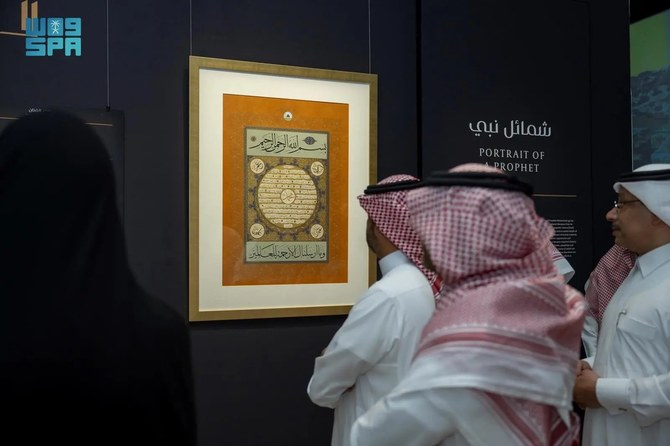
The National Museum of Saudi Arabia in Riyadh is now hosting the “Hijrah: In the Footsteps of the Prophet” exhibition.
Saudi Arabia’s deputy minister of culture inaugurated on Sunday a global Hijrah exhibition on the second stop of its tour at the National Museum of Saudi Arabia.
“Hijrah: In the Footsteps of the Prophet” is an exhibition that sheds light on Prophet Muhammad’s journey from Makkah to Madinah in order to escape persecution. It is being held in partnership with the King Abdulaziz Center for World Culture (Ithra).
Deputy culture minister Hamed bin Mohammed Fayez said the exhibition, with its rich knowledge content, draws attention to the unique value of the Kingdom’s geography and history, and confirms the great importance of museums in the lives of people.
He also highlighted the role of the Ministry of Culture in supporting the cultural system and forging qualitative partnerships that will advance culture and arts in the region, and concerted efforts from all sides to provide a platform for local initiatives and projects.
Ithra’s director Abdullah Al-Rashid said the exhibition deals with the migration of Prophet Muhammad in proportion to its importance in the history of the world.
He said it is a result of years of preparation and deep study and is considered one of the largest studies on the history of the migration. The exhibition also includes a book and a documentary film.
The National Museum of Saudi Arabia is now hosting the exhibition after it was displayed at Ithra in Dhahran, where more than 100,000 people visited the display.
source/content: arabnews.com (headline edited)
_____________
The National Museum of Saudi Arabia in Riyadh is now hosting the “Hijrah: In the Footsteps of the Prophet” exhibition. (SPA)
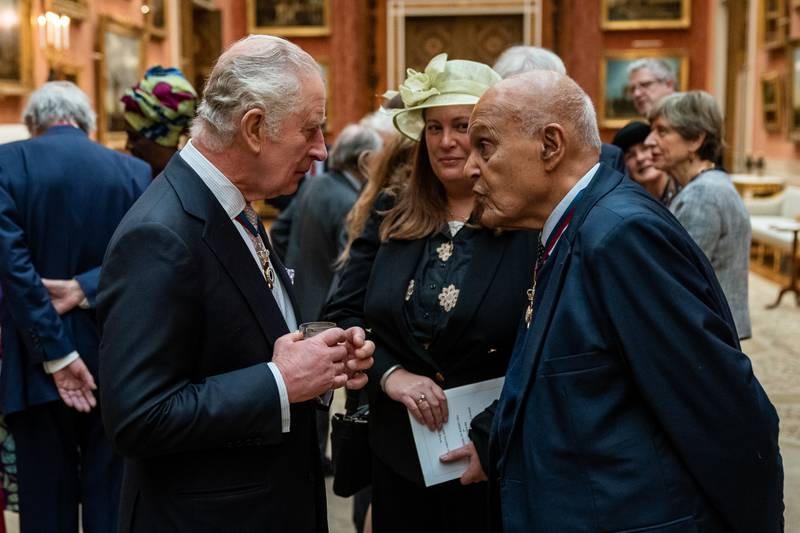
The 87-year-old was recently appointed honorary chancellor of the British University in Egypt and his foundation will soon open heart centres in Cairo and Kigali, Rwanda.
Renowned Egyptian-British heart surgeon Sir Magdi Yacoub, 87, made his mark a long time ago.
In 1980, he established what was to become one of the world’s largest and most successful heart transplant units, at Harefield Hospital in west London; in 1983, he performed the UK’s first combined heart and lung transplant; in 1992, he was knighted; and in 2014, he was awarded the Order of Merit by Queen Elizabeth II.
But that is just the shortlist and most recently he became honorary chancellor of the British University in Egypt (BUE).
As a professor of cardiothoracic surgery at Imperial College London for 20 years, Prof Yacoub was also lecturing, researching, publishing and mentoring.
He has founded several charities, starting with Chain of Hope in 1995, which treats children in developing countries who have life-threatening heart conditions. The Magdi Yacoub Heart Foundation’s Aswan centre has earned him an affectionate nickname, Egypt’s King of Hearts.
“Now … I’m like a butterfly, who flies in between all of these things”, Prof Yacoub tells The National.
“I almost work harder, although obviously, my energy is not the same. I used to not sleep for two or three nights and read all the journals and come back in the morning. But I still sleep four hours or so and wake up in the night,” he says.
He says he still wants to address healthcare inequality, chase a cure for heart failure and pass on the baton to the next generation in every way he can.
The BUE is a private institution that was formally inaugurated in 2006 by King Charles, who was Prince of Wales at the time, and Egypt’s former first lady, Suzanne Mubarak.
“I was there at its birth,” says Prof Yacoub, who is also a member of the university’s board of trustees. “I accepted [the role] because I identify with what they’re doing for young people, for the country, for the world … but also university life and its values are very important to me.”
The enthusiasm with which Prof Yacoub mentors young people stems from an appreciation of the influence of his own mentors, starting with his surgeon father, Habib Yacoub.
Prof Yacoub was born in 1935 in Bilbeis, a town in the Nile Delta about 60km north-east of Cairo, to a Coptic Christian family. He spent his childhood moving around Egypt due to his father’s profession.
Both his father and the death of his aunt from uncorrected mitral stenosis (a narrowing of the heart valve) inspired him to study medicine and cardiology.
After graduating in medicine from Cairo University in 1957, in the early 1960s he moved to the UK for further training.
He worked under the late British chest and heart surgeon Lord Russell Brock, one of the pioneers of modern open-heart surgery.
“I knew of him before I ever came to the UK and I targeted him as a young boy,” Prof Yacoub says. “I learnt so much from him on how to think, how to be a better cardiologist than anybody, how to make decisions for yourself.”
Prof Yacoub’s early work includes repairing heart valves with the late South African-born British cardiothoracic surgeon Donald Ross. He adapted the Ross Procedure, where the diseased aortic valve is replaced with the person’s own pulmonary valve.
A job rejection from the Royal Brompton Hospital prompted him to move to the US in 1968, where he became an assistant professor at the University of Chicago for a year. He was “extremely disappointed and upset” at the time, but “in the long run, it was the best thing that happened to me”, Prof Yacoub says.
“Although I was bent on having the job at the Royal Brompton, which was a huge hospital, it was actually so much better for me to come back to a peripheral hospital because I was allowed to do what I wanted and I was more creative,” he says.
He became a consultant cardiothoracic surgeon at Harefield Hospital in Uxbridge in 1969 and immediately shook up the place.
“When I was appointed as the only heart surgeon there and they were doing one case every week, sometimes one open-heart every two weeks, I said, ‘no, no, we’re going to do nine to 13 every week’,” Prof Yacoub says. “They said, ‘you’re not serious.’ I said ‘I am serious’.”
He went on to become the founder and director at Harefield’s Heart Science Centre, and was also a consultant cardiothoracic surgeon at Royal Brompton from 1986 until his retirement from National Health Services practice in 2001 at the age of 65.
Over the course of his career, Prof Yacoub has performed more than 40,000 open heart surgeries and conducted more than 2,000 heart transplants.
From 1986 to 2006, he held the position of British Heart Foundation professor of cardiothoracic surgery at Imperial College, where he supervised more than 20 higher-degree students.
He credits other mentors along his journey as well, such as the late Sir Peter Medawar, the half-British, half-Lebanese, Brazilian-born immunologist who won the Nobel Prize in 1960.
“He is regarded as the father of transplantation and he has saved so many people around the world,” Prof Yacoub says. “I was very lucky to meet him in Chicago first when I was there and then when he came back to the UK at Oxford.”
The next two centres on the horizon are the Magdi Yacoub Global Heart Centre in Cairo, which is scheduled to be completed in 2024, and the Rwanda Heart Care and Research Foundation in Kigali.
Funded by Dubai-based charity foundation Mohammed bin Rashid Global Initiatives, the 22,000-square-metre, 300-bed Cairo centre will be the largest specialised facility for cardiovascular treatment and research in the Mena region.
Once completed, it will conduct 12,000 heart surgeries a year, of which 60 per cent will target children.
All of Prof Yacoub’s centres focus on three pillars of medical care, research and training: to serve, learn and teach.
“I’m very proud to see that [the new generation is] surging ahead and carrying the message, which I care about most, which is serving humanity, serving science, in the best way and advancing medicine,” he says.
There is one thing, however, that has so far eluded Prof Yacoub: finding a cure for heart failure.
“There are now tools, which are just becoming available to reverse heart failure at the genetic level, biochemical level and metabolic level,” he says. “So we do have tools, but are we going to achieve it within my lifetime? I don’t think so. But we have to keep trying.”
LONDON, UNITED KINGDOM – NOVEMBER 24: King Charles III talks with Professor Magdi Yacoub during a luncheon for Members of the Order of Merit at Buckingham Palace on November 24, 2022 in London, England. (Photo by Aaron Chown – WPA Pool / Getty Images)
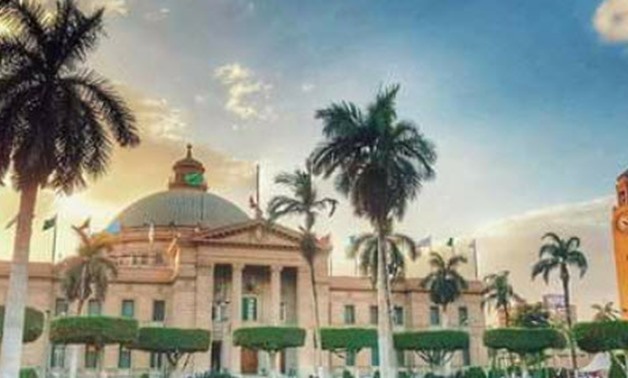
A total of 79 scientists from Cairo University are among a list of 160,000 scientists whose practical opinions are cited in various specializations with a (2 percent).
President of Cairo University Dr. Mohamed Othman Elkhosht received a report on Stanford University’s announcement of a list of scientists whose practical opinions are cited in various specializations with a (2 percent), featuring about 160,000 scientists from 149 countries, based on the Scopus database, in 22 scientific specializations, and 176 sub-specialization for distinguished researchers.
Dr. Elkhosht announced that the Stanford list included a large number of Cairo University scientists, with a total of 79 scientists on the two lists, whether the total from 2011 to 2022, or the latest version 2023, as this year’s list included scientists from 11 colleges (an increase of 8% over the previous year).
Number of scholars featured from Cairo University in the report’s 2022 edition was 73 scholars, representing 9 of the university’s faculties, and compared to the number of 74 and 55 scholars during the previous years (2021 and 2020, respectively), Cairo University thus leads all Egyptian universities and research centers in all years from 2020 until now.
Dr. ElKhosht explained that the annual Stanford University report is an objective, external indicator of the progress of scientific research at Cairo University.
It is also a quantitative indicator for the university to identify the number of distinguished faculty members in research and a reflection of the university’s methodology, plan, applied practices, and the support that the university provides to its employees from the various colleges and institutes affiliated with it.
Dr. Mahmoud Al-Saeed, Vice President of the University for Postgraduate Studies and Research, pointed out that the report reflects the strengthening of the confidence of the international scientific and research community in our scientists in all fields and specializations, and that the results of the classification this year included two lists, the first of which is specific to the list of the total practical years 2011 – 2022 (with a total of 417 scientists), While the second included the list of last year, 2022, with a total of 817 scientists, adding that this year’s list (2023 edition) contained 926 Egyptian scientists, while last year’s list (2022 edition) included 680 Egyptian scientists from various universities and research centers, compared to 605 and 396 during the years 2021 and 2020, respectively.
Stanford University used the Scopus database of the international publisher Elsevier to extract various indicators in this list, including global scientific publishing, the number of citations, the H index, and co-authorship, all the way to the composite citation index.
source/content: egypttoday.com (headline edited)
_________
Image processed by CodeCarvings Piczard ### FREE Community Edition ### on 2019-05-12 11:20:32Z | http://piczard.com | http://codecarvings.com
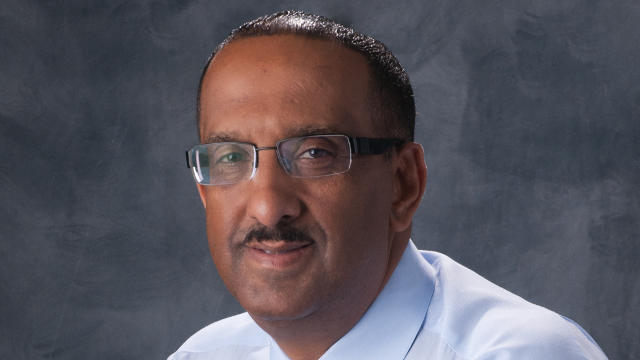
The University of Rhode Island neurotoxicologist and dean came to the U.S. for college in the 1980s.
Nasser Zawia hails from Al Bayda, a town in the south of Yemen, a country that has long been affected by war and is currently experiencing widespread famine. Zawia traveled to the U.S. in the 1980s to earn an undergraduate degree from the University of Massachusetts Amherst. He stayed in America, obtaining a PhD in pharmacology and toxicology from the University of California, Irvine. But Zawia never planned to stay on in the U.S. permanently. “Like many students who came here in the 80s, the objective was to come to go to school and go back to your home country and serve there,” he told The Scientist. “However, I married an American citizen.”
In 1990, Zawia and his wife moved to Yemen, where he planned to take a job at Sana’a University’s medical school. But the first Gulf War broke out in 1991. “The war was between Kuwait and Iraq,” he said. “But at that time, the position of the Yemeni government was supportive of Iraq. The connections with the U.S. were being threatened. I left during a climate where there was a lot of uncertainty and fear and insecurity as to what might happen.”
Returning to the U.S. in 1991, Zawia used connections he had made in US universities to secure postdoctoral positions at the University of South Florida and then at the National Institutes of Health’s National Institute for Environmental Health Sciences (NIEHS) in Research Triangle Park, North Carolina. After studying environmental toxicology at NIEHS, Zawia landed a faculty position at Meharry Medical College, a historically black college in Nashville, Tennessee, where he studied the developmental effects of lead exposure in minority populations. “I found that to be something where I could serve the underserved,” he said. “I stayed there for five years and then moved to the University of Rhode Island.”
Although he was successfully navigating the halls of academia and earning his citizenship in the early ’90s, life in the U.S. was not easy for Zawia. “The U.S. was not very receptive to people from the Middle East at that time because of the first Gulf War,” he recalled. “Those of us from that region of the world, our life is always punctuated by all kinds of events involving war. Every 10 years it seems like something big happens, which impacts us in many ways.”
The next big event that would have an effect on Zawia and countless other Americans happened on September 11, 2001. “Those of us who are Arab Americans/Muslim Americans in this country have always been dealing with wars and difficulties in our ancestral homes. But we didn’t ever think or expect that someone would come to the U.S. and cause such a catastrophe. And it changed our lives a lot. And everybody else’s,” he said. “But still we were Muslims in the U.S., and we had to deal with the Patriot Act and then the NSEERS [National Security Entry-Exit Registration System] registration for citizens coming from Muslim countries.”
Despite anti-Muslim sentiment spawned by the terrorist attacks of 9/11, Zawia chose to stay. Since setting up his University of Rhode Island (URI) lab in 2000, he’s made seminal discoveries, including research that pointed to a developmental basis for Alzheimer’s disease. He and his colleagues found that early exposure to lead increased the risk of developing Alzheimer’s disease–related pathologies later in life. Zawia is now working on the epigenetics involved in this phenomenon, and said that his team is pursuing clinical trials of a repurposed drug to treat rare types of neurodegenerative disorders in Europe.
Although the Trump administration’s executive orders on immigration have restricted some travel for people from several countries in the Middle East, including Yemen, the policy has not directly affected Zawia, a naturalized US citizen. But both as a scientist who attends international conferences and as an administrator who seeks to entice talented students from all corners of the world to come to URI, he said he is seeing the damage the restrictions are having. “It is a concern for faculty here that were born in one of those seven countries,” he said. “Even though the law might be clear, how it’s applied may have an impact on our mobility.”
Zawia noted that the effects of the new immigration policies appear to be restricting the flow of students to URI and other US academic institutions. “In graduate education—especially in the STEM disciplines . . . we’re very heavily dependent on international students—it looks like huge drops in applications, a lot of concerns among our students on campus,” he said. “It just sends the wrong message. Graduate education is a strategic asset for the United States. Having the best minds come for an education here, staying, and interacting with our faculty and researchers is the secret to us always maintaining our leadership position.”
On top of the uncertainty surrounding his life as an immigrant researcher and administrator in the U.S., Zawia is grappling with an increasingly unstable situation in his home country, where some of his family still live: 19 million Yemenis are on the brink of a catastrophic famine in a country besieged by civil war. “My personal life and my connections to the country and my family have been upside down, to say the least,” he said.
With all that Zawia has witnessed in the U.S. as a Muslim Arab-American, he views the current political and social climate as the most damaging he’s seen. “I feel the impact of what’s going on now is much greater than what we experienced in the ’90s, with first war in Iraq or 9/11,” he says. “What’s going on right now is really very unsettling and very worrisome. Past events and past wars had more of a selective impact on us as Middle Eastern people and Muslim Americans. But the changes this administration is bringing about in many different facets of life is really . . . disrupting a lot.”
source/content: the-scientist.com / bob grant (headline edited)
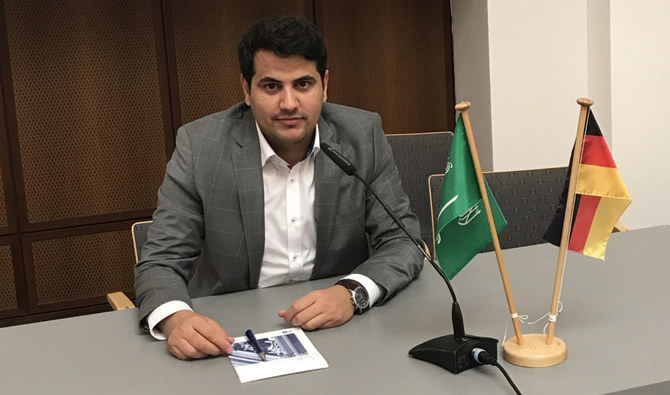
Saudi engineer Rakan Al-Shammari has left an indelible mark on the railway industry in Germany.
His journey began with the pursuit of electrical engineering studies and he later taught at several German universities.
Al-Shammari’s path to success began while working as a project manager at Rail Power System GmbH. His dedication and passion for trains led him to excel in the field. The journey was not without its difficulties, as it required him to learn German, pursue bachelor’s and master’s degrees, and eventually take on teaching responsibilities.
Al-Shammari said: “In 2006, after graduating from high school, I applied for the Custodian of the Two Holy Mosques Foreign Scholarship Program. I spent a year studying the German language, followed by preparatory studies, and then I joined the University of Kassel to major in electrical and communications engineering. During my final year at university, I undertook practical training at the German Railways Company.”
He noted that after completing the practical experience, he pursued further education as a graduate student. “While studying for my master’s, I was offered a position as a lecturer at the university under a contractual arrangement, where I taught electricity to first and second-year students.”
He received a job offer in 2017 and joined a company specializing in railway project management in Germany. “This company managed new construction projects, particularly in infrastructure, as the German Railway Company itself does not execute such projects,” he noted.
Al-Shammari told Arab News that his educational journey began in the desert, where he studied until the third grade of primary school, living in tents and drinking well water. He later attended Al-Yarmouk Primary School in the city of Rafha for grades four to six and completed his secondary education in the city of Al-Uwaiqliyah.
Al-Shammari firmly believes that Saudi Arabia is on the cusp of a transportation revolution and is already reaping the rewards. He emphasized that the Kingdom will emerge as a developed country in the coming years, not solely reliant on oil and energy, but also due to the strength of its people and leadership, and their commitment to continual development and competition.
He expressed pride in having visionary leaders who invest in the talents of their citizens. He also noted Germany’s openness to creative minds and its support for them, attracting skilled individuals from around the world. He believes that effective resource management enhances the economy and strengthens Germany’s global position.
Al-Shammari acknowledged the initial difficulties he faced in studying in Germany, as it was his first experience living outside his familiar surroundings.
His advice to everyone is to embrace their sense of responsibility, seize opportunities, and pursue continuous learning in order to contribute to their country. He also emphasizes the importance of diversifying educational sources and collaborating with experts and scholars to develop a unique persona capable of competing on a global scale.
Finally, Al-Shammari expressed gratitude to the Saudi leadership, his family and friends, and the Saudi Cultural Mission in Germany. He acknowledged the mission’s continuous support, including increased stipends for Saudi students who excelled academically, enabling them to perform to the best of their abilities during their scholarships.
source/content: arabnews.com (headline edited)
___________
Al-Shammari said his educational journey began in the desert, where he studied until the third grade of primary school, living in tents and drinking well water. (Al-Shammari’s Instagram)