Arabs & Arabian Records Aggregator. Chronicler. Milestones of the 25 Countries of the Arabic Speaking World (official / co-official). AGCC. MENA. Global. Ist's to Top 10's. Records. Read & Enjoy./ www.arabianrecords.org
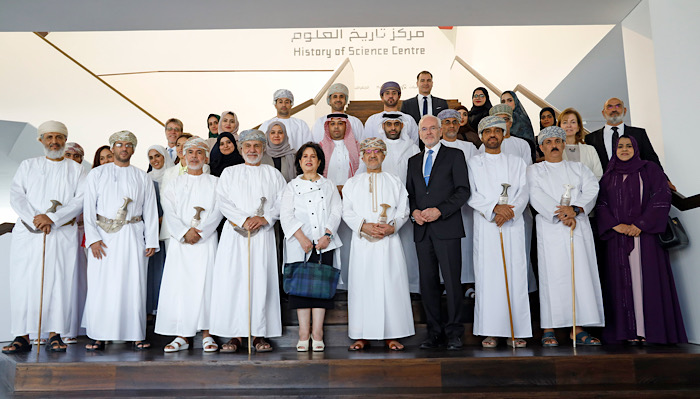
The UNESCO Chair for World Heritage Management and Sustainable Tourism at the German University of Technology in Oman was inaugurated Under the patronage of H.E. Salim bin Mohammed Al Mahrouqi; Minister of Heritage and tourism and with the participation of H.E. Shaikha Mai Bint Mohamed Al Khalifa; Chairperson of the Board of directors of the Arab the Regional Center for World Heritage.
Prof. Dr. Michael Braun, Rector of the University, introduced the university and its commitment to research and innovation; and commented that the chair comes as a great accomplishment on the university’s 15th anniversary.
Chairholder Professor Dr. Heba Aziz of the UNESCO chair at GUtech stated: “The establishment of the UNESCO chair at GUtech offers new research, teaching and learning opportunities at GUtech and is a further recognition of GUtech’s academic focus on the field of cultural heritage and sustainable tourism management”
The Chairholder Professor Aziz added “Oman’s vision 2040 remains at the core of the chair’s activity. National priorities focusing on Citizenship, Identity, National Heritage and Culture, sustainable cities and governorates and employment and labour markets are the compass that directs the chairs activity. The chair will work closely with the Ministry of Heritage and Tourism to make sure that it provides the necessary scientific research and labour force to achieve its vision.”
World Heritage Sites draws international attention to heritage sites of outstanding universal value and is expected to increase the number of visitors to these sites. The chair aims to support the role of world heritage in contributing to the Sustainable Development Goals by employing tourism in its comprehensive and sustainable manifestation to drive socio-economic development and to maximize benefits to the communities surrounding these sites.
The Chair is established in partnership with the Arab Regional Centre for World Heritage, a UNESCO Category II Centre based in the Kingdom of Bahrain. The center serves 19 Arab States in the promotion and management of cultural and natural sites by providing technical support and reinforcing the implementation of the 1972 World Heritage Convention in the region.
The chair complements the role that of the center and will introduce several academic programs in the field of tourism management in World Heritage sites, digitization of heritage, heritage narrative and interpretation and heritage economics. GUtech will also introduce Master’s degree in World Heritage and Sustainable Tourism management in collaboration with the Arab Regional Center for World Heritage.
The chair team consists of Jokha Al Saqri, researcher in Heritage studies, Prof. Dr. Osman Barghouth co-chair holder and Prof. Dr. Heba Aziz, UNESCO chair holder
This is the first chair specialized in this field and the first UNESCO chair concerned with the field of World Heritage for the Arab region as a whole.
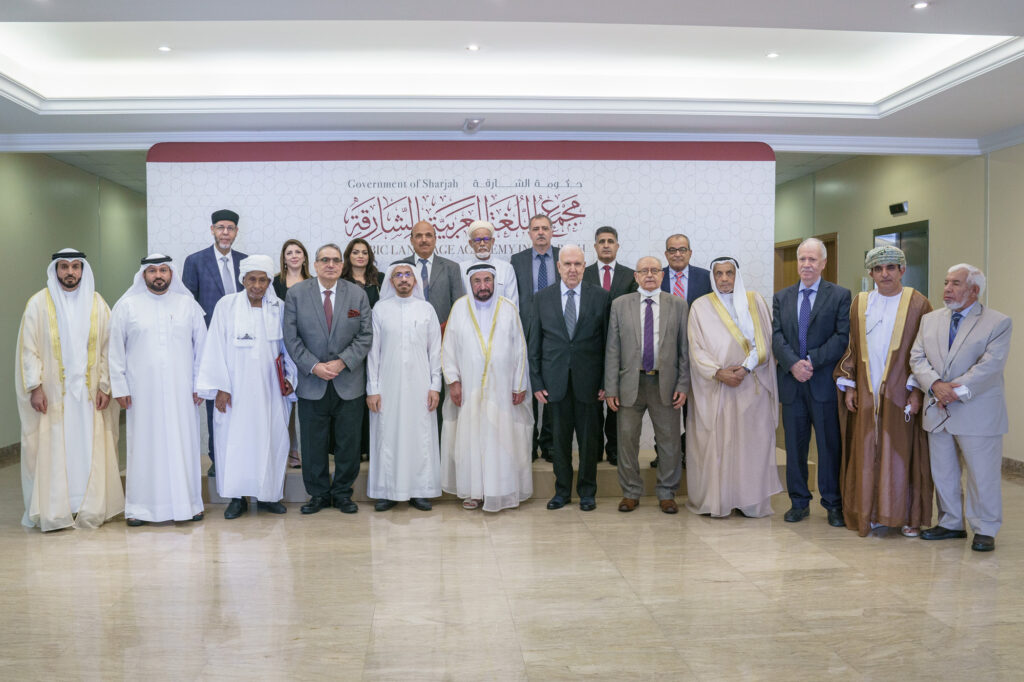
H.H. Dr. Sheikh Sultan bin Muhammad Al Qasimi, Supreme Council Member and Ruler of Sharjah, launched on Tuesday, 19 new volumes of the Historical Dictionary of the Arabic Language at the headquarters of the Arabic Language Academy in Sharjah.
The 19 new volumes of the Historical Dictionary of the Arabic Language cover four letters, bringing the total number of letters edited so far to 9, thus increasing the number of completed volumes of the project to 36.
The volumes of the Historical Dictionary of the Arabic Language were issued, directed and printed in Al Qasimi Publications in Sharjah.
Sharjah Ruler welcomed the attendance of members of the Academy from different countries, praising their great efforts in working on the historical dictionary, which is one of the valuable achievements that must be worked and built in order to spread, learn and teach the Arabic language.
His Highness announced an endowment to support these Academies in fulfilling their mission to the fullest, pointing to the importance of establishing private centres owned by the Academy.
Sheikh Sultan addressed the great efforts in supporting the learning of the Arabic language in Sharjah, pointing out to the vision and idea of establishing Al Qasimia University, which came as a culmination of His Highness’ efforts to support the Arabic language and Islam. “Here in Sharjah, we established Al Qasimia University, and this university is mine, and it graduates many students from Japan to the Americas,” he said.
The Ruler of Sharjah stressed the importance of preserving Arab traditions in any place and time of all members of society, because this is a part that integrates with speaking the Arabic language and shows belonging.
His Highness said, “We have worked to establish special institutions for the Arabic language, and we have established them with decrees and laws in order to preserve them, so as not to make them blown by the wind, and make the lovers of this language responsible for them.”
The Ruler of Sharjah concluded his speech by talking about the ancient history of Sharjah, as it was mentioned in the report of the leader sent by Alexander the Great when he came to Persia in the year 331 BC. M, pointing out that Sharjah and its people preserve the language, literature and poetry, highlighting their roles in supporting and spreading science and knowledge.
For their part, a number of attendees from the Academy expressed their appreciation to His Highness the Ruler of Sharjah for providing great support for the Arabic language.
The Sharjah Ruler launched the first 17 parts of the “Historical Dictionary of the Arabic Language” at the opening of the 40th edition of the Sharjah International Book Fair 2021. With the official launch of the dictionary’s website, people can search and read all the completed volumes.
Students from different UAE schools are being mentored in the space camp by celebrated names in space exploration and science, including Nasa astronauts and scientists.
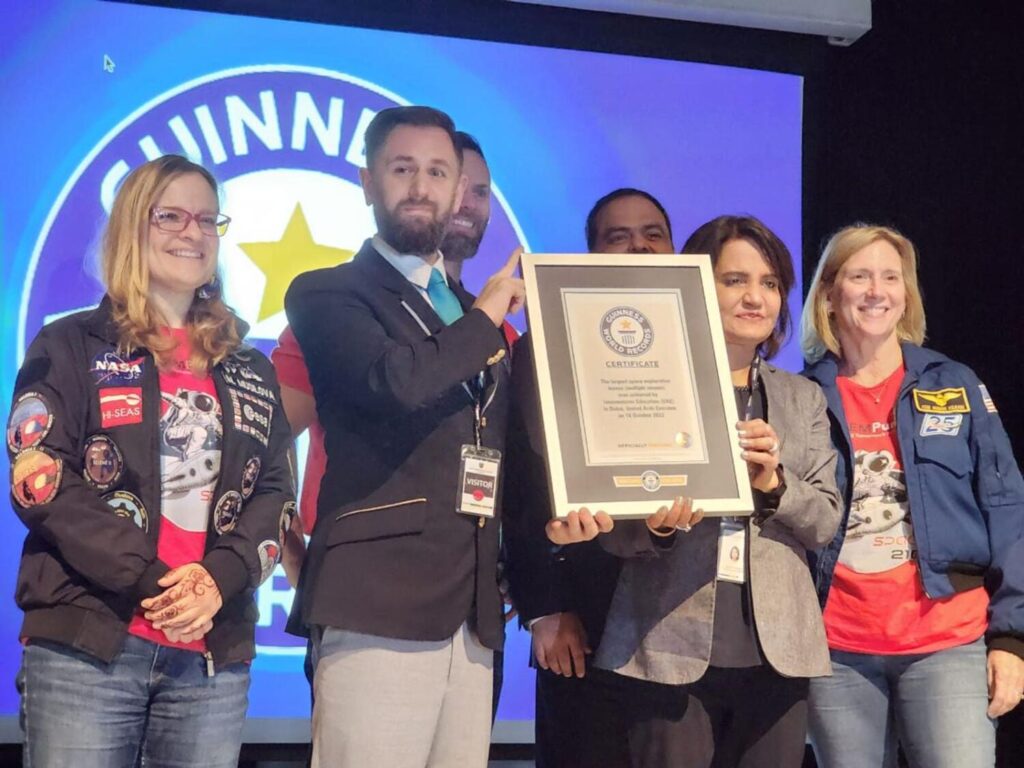
Loud cheers echoed across the auditorium of a Dubai school campus on Tuesday as it made to the Guinness World Records .
The Innoventures Education group of schools set a record for conducting the world’s largest space exploration lesson (multiple venues) with 2,000 students from its five schools during the ‘Space 2101’ space camp where pupils from UAE schools have convened.
Poonam Bhojani, CEO, Innoventures Education, said: “We are delighted with the record for the maximum number of attendees in a Stem lesson across multiple venues. There were 108 nationalities of students who attended this course.”
The space camp, being held from October 17-21 at Dubai International Academy (DIA), Al Barsha, is seeing students from different UAE schools being mentored by celebrated names in space exploration and science, including Nasa astronauts and scientists.
At the camp, students can design experiments which stand a chance of being conducted in space. They can also have the schematic of their design printed and signed by the visiting astronauts and scientists as a keepsake.
Innoventures Education has partnered with Starlight Education, to offer students between 12 to 18 years at the camp a unique opportunity to design a sustainable habitat together with real astronauts and high-achieving scientists from around the world. The five-day programme will help students build critical thinking, leadership and teamwork, presentation techniques, and help build Stem skills as well as in-depth knowledge of designing space habitats that are fit for human wellbeing.
Hitesh Bhagat, principal, DIA, EH said: “The Space 2101 initiative, which has been going on around the world, has a strong good connection with the UAE’s space programme. The initiative is all about giving a different learning environment to our students where they can interact with experts.”
Students delighted to enter the records book
Students at the camp are getting to learn about real-world Stem skills like 3D design, coding, robotics and other industry-linked content. Ayesha Aldaboos, Grade 9 Emirati student at the Collegiate International School (CIS) said: “The programme taught me about other options in the science field. When I was younger (in junior classes), I always wanted to do something in the field of space. I don’t think I have the guts to become an astronaut, but maybe working at Nasa would be really nice.”
Raffles International School Year 8 student Mohammed said: “We are delighted that we’ve managed to enter the Guinness World Records. This camp has been fun, I made new friends and interacted with a lot of people from other schools. I also learnt about a new app that is being used for coding.
Ellen from DIA, said: “I used to hear about the Guinness World Records all the time, so it was exciting to be a part of this record-breaking achievement. While interacting with astronauts I got a chance to ask questions that have always intrigued me. I also learnt about computer aided design (CAD) and 3D modelling. I want to learn coding, and when I grow up I want to work for myself not for others.”
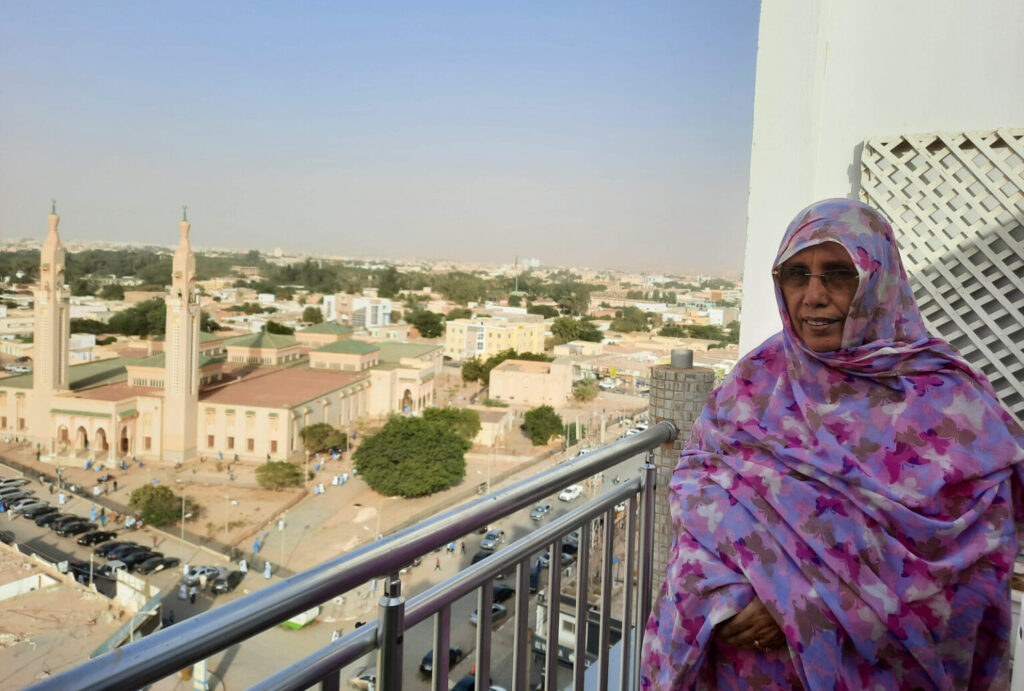
A longtime supporter of women’s rights in Mauritania, Aminetou Mint El-Moctar is currently focusing her efforts on confronting the barriers that deprive young women and members of vulnerable communities of university education.
The 65-year-old human-rights activist works through the Association of Women Heads of Households, which she founded in 1999, to support women’s issues in Mauritania and to renounce the various forms of discrimination against them.
In an interview with Al-Fanar Media, she recounted how her personal experience of being deprived of university education and forced into early marriage motivated her activism.
The right to education is inseparable from women’s aspirations to play a greater role in socio-economic and political life, she said.
The basic right to education opens the door to all other rights, she added. “Our homeland will not be able to achieve economic growth or political development without promoting the right of both sexes to education and raising education quality in all levels.”
Early Marriage and Activism
Aminetou Mint El-Moctar grew up in a middle-class family in the capital, Nouakchott. Her father was a merchant and her mother passed away early after her birth, so she lived with her grandmother. She started her education at a young age. At secondary school, she was forced to drop out to get married at the age of 13.
At that time, El-Moctar was becoming active in political demonstrations, but her father prevented her from taking part in them by “tying her with chains,” she said.
She told Al-Fanar Media: “I rebelled against early marriage and the traditions that exclude women and make them a mere tool for the traditional and patriarchal iron fist that sets them a binding path, without regard to their personal choices.”
She added: “Human-rights activism helped me rediscover myself, refined my skills, and made me more aware of the conditions of marginalised women who are forced to drop out under the pressure of outdated social traditions.”
In her struggle, El-Moctar has won several awards and medals. In 2006, she was awarded the Human Rights Prize of the French Republic. Academics at Georgetown University, in the United States, nominated her as one of the 500 most influential people in the Islamic world. In 2015, she was shortlisted for the Nobel Peace Prize.
Education of Girls in Mauritania
According to statistics, girls’ education in Mauritania faces many problems, including a high dropout rate. Some 47 percent of girls do not make the transition from primary to secondary school. Moreover, only 17 to 20 percent of university students are female.
Mauritania has made efforts to increase girls’ participation in education, but El-Moctar thinks these efforts are deficient in light of traditions that hinder many young women from joining the university. Economic deprivation is also a factor for many Mauritanians. In addition, El-Moctar says, some government policies “place restrictions on women’s access to leadership positions in all sectors.”
The women who do enrol in higher education run into additional problems, El-Moctar said. These include discriminatory educational curricula and practices, gender-based violence, government interventions in curricula and teaching methods, and a decrease in the number of teaching staff.
Other challenges that make it difficult for many girls to continue their education include high rates of child marriage and teenage pregnancy. Additional factors affect boys and girls alike, including poverty and living at a distance from schools. El-Moctar explained that children of rural families who depend on agriculture for their livelihood are unable to travel to urban areas where schools are located.
Empowering People with Disabilities
With about 18,000 volunteers, the Coalition of Mauritanian Organisations for Education is working in partnership with international organisations on several programmes to increase access to education. Its projects include efforts aimed at improving the integration of graduates into the labour market, supporting vulnerable girls’ enrolment in universities, and enabling people with disabilities to continue their education, along with designing educational programs commensurate with their capabilities and needs.
El-Moctar also criticised what she sees as discrimination against young women in government scholarships to study abroad. She said scholarships were awarded primarily to children from officials’ families.
She called on international donors to increase the number of scholarships they offer to those who wish to complete their studies abroad. Mauritania has only one public university and it is unable to accommodate all students, she said.
A Long Activism Journey
Since 1999, El-Moctar has been supervising the activities of the Association of Women Heads of Households, to support Mauritanian women in the face of discrimination and physical violence, and to encourage them to play a greater role in society and the economy.
Women in her country are “victims of traditions reflected in government policies or university admission policies,” El-Moctar said.
However, she asserted: “I will continue my path until women get the highest levels of education as a natural right, not as an exception, and enjoy full legal equality without reservations.”
Forced into early marriage and deprived of a university education herself, Aminetou Mint El-Moctar embarked on a lifelong struggle to improve women’s lives in her country.
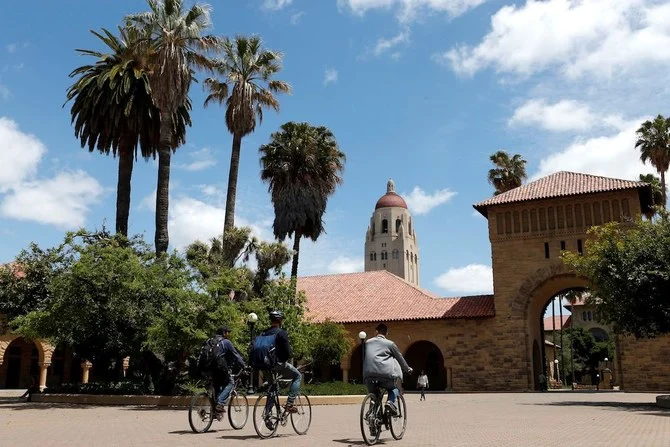
Stanford University, one of the world’s leading research and teaching institutions, published its annual “World’s Top 2% Scientists” list — featuring the most widely cited scientists in different disciplines — this week.
It included five faculty members from Riyadh’s Imam Mohammad bin Saud Islamic University: Dr. Rafiq Muhammad Choudhry and the late Dr. Hisham El-Dessouky from the department of engineering; Dr. Kamal Abdul Jawad Buradah and Dr. Ahmed Al-Khayyat from the department of science; and Dr. Qaisar Abbas from the department of computer science.
_________________
Highlight:
The ‘World’s Top 2% Scientists’ list includes Dr. Rafiq Muhammad Choudhry and the late Dr. Hisham El-Dessouky from the department of engineering; Dr. Kamal Abdul Jawad Buradah and Dr. Ahmed Al-Khayyat from the department of science; and Dr. Qaisar Abbas from the department of computer science.
______________
The university’s president, Dr. Ahmed bin Salem Al-Amri, said that the university’s recognition is a sign of the support that education and research receives from the Kingdom’s leaders.
“The leadership gives special attention to scientific research as a key pillar of the university’s success and a developmental and community-based necessity to transform universities into (places) that serve the development of the knowledge economy, by improving scientific research and its quality and outcomes in order to positively impact the economy and society,” he said.
In recent years, the university has dedicated “specialized programs and quality initiatives as part of its strategic plan to achieve the goals of scientific research and innovation,” and to improve the Kingdom’s ranking in the Global Competitiveness Index, thus achieving the goals of Saudi Vision 2030, Al-Amri explained.
source/content: arabnews.com (headline edited)
___________
Stanford University, one of the world’s leading research and teaching institutions, published its annual “World’s Top 2% Scientists” list. (Reuters/File Photo)
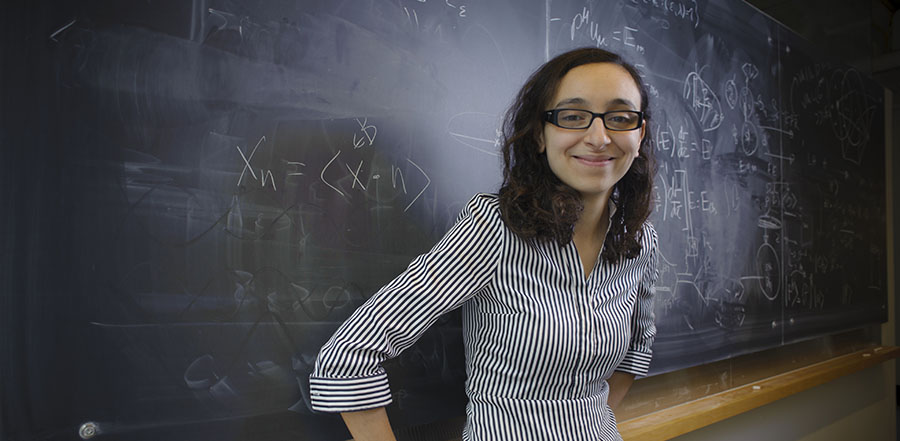
As a child in Tunisia, Lina Necib watched the 1997 film “Contact” and decided to become an astrophysicist. Now at MIT, she studies dark matter’s shadowy clues.
Lina Necib is on the hunt for something invisible.
“It’s a little bit like detective work,” she says. “We have a lot of observational types of evidence, and we’re trying to put all of it together into one picture.”
Necib, an assistant professor of physics at the Massachusetts Institute of Technology, studies dark matter, the elusive stuff that makes up most of the universe’s mass but doesn’t reflect, emit, or absorb light. For her work, Necib has won the 2023 APS Valley Prize, which recognizes early-career physicists for research expected to have a dramatic impact in the field.
In 2020, Necib and her colleagues reported their discovery of a massive stellar stream, a ribbon of stars left over when a galaxy is torn and stretched, orbiting on the outskirts of the Milky Way. Dark matter tugs at these streams, leaving behind fingerprints — evidence of its existence.
Necib believes the stream, dubbed “Nyx” after the Greek goddess of night, might be the remnant of a dwarf galaxy that collided with the much larger Milky Way billions of years ago. To study the stream, her team merged particle physics with cosmological simulations, data from star catalogs, and machine learning — a groundbreaking combination of tools. They published their results in Nature Astronomy.
Necib credits a few other physicists for her successes — “in particular, several women,” including Anna Frebel and Tracy Slatyer at MIT and Mariangela Lisanti at Princeton University.
Mentors as much as colleagues, these women helped Necib adjust to her new faculty role at MIT, which she started during the pandemic and with a newborn baby, she says.
Necib grew up in Tunisia, a small country on Africa’s northern coast, where she says she regularly faced sexist expectations for girls’ behavior and ambitions. One night, when Necib was 8 years old, her family settled in for a movie. The selection? “Contact,” starring Jodie Foster, who plays a scientist searching for aliens. The film opened Necib’s eyes not only to the field of astrophysics, but to a world in which a woman could do astrophysics.
By the end of the movie, Necib had made up her mind: “I’m going to do that!”
She set her sights on college in the U.S. As an undergraduate at Boston University, she leapt into diverse research opportunities, conducting resonance testing of graphene and even joining the search for the Higgs boson at CERN. Her interest in dark matter grew.
During her senior year, at an open house hosted by MIT’s physics doctoral program, Necib struck up a conversation with Jesse Thaler, a theoretical particle physicist. By the end of the chat, Necib knew she wanted to be at MIT.
Necib ultimately asked Thaler to be her dissertation advisor. “He was so enthusiastic about the work that he did. He loved it so much — it was kind of contagious,” she says. “Having an advisor who really put in the time and effort to help me become the physicist that I am changed my life.” Necib earned her doctorate in 2017.
Now in her second year as an assistant professor at MIT, Necib hopes to change cultural attitudes about science careers in Tunisia, where certain professions are given more weight. She wryly summarizes this ranking, starting with the best: “Doctor, engineer, lawyer, failure.”
To topple these perceptions, Necib recently teamed up with Rostom Mbarek, another Tunisian physicist and the Neil Gehrels Prize Postdoctoral Fellow at the Joint Space-Science Institute. The duo just launched an astrophysics podcast entirely in Tunisian Arabic.
In her MIT classroom, Necib strives to debunk outdated perspectives on who does physics.
“I did this experiment last year in one of my first-year physics classes where I asked my students to name physicists,” she recalls. “And all the names they came up with were Nobel Prize winners, but they were also all the same old, Albert Einstein-like examples.”
After that session, Necib had her class learn about more recent work, including the contributions of women and scientists of color to the field.
One of Necib’s “students” is particularly young. Her 17-month-old son can’t yet say “dark matter,” but he has the children’s book “Astrophysics for Babies,” and they go on excursions to Boston’s Museum of Science. He’s a bit young for the exhibits — “he’s just impressed with the escalator,” she says — but she hopes that early exposure will instill in him a love for science.
Meanwhile, her search for dark matter continues. She says that, if someone else solves the mystery of dark matter before she does, it won’t phase her. For her, being a physicist is “really about the people,” like her colleagues, mentors, and students.
“I know amazing people that are doing incredible work,” she says. “Feeling that my work is recognized fills me with so much joy. I hope to pay it forward.”
Mohammad Abdullah Al Gergawi, Minister of Cabinet Affairs, Chairman of the Committee leading Great Arab Minds, and Secretary-General of the Mohammed Bin Rashid Al Maktoum Global Initiatives (MBRGI), highlighted the details of “The Great Arab Minds” initiative.
Launched by His Highness Sheikh Mohammed bin Rashid Al Maktoum, Vice President, Prime Minister and Ruler of Dubai, in January 2022, the initiative is the Arab world’s largest movement designed to search for exceptional talents among Arab scientists, thinkers, and innovators across key fields.
The Great Arab Minds initiative, under the MBRGI, aims to identify, support and acknowledge leading thinkers in the region, amplify their impact and inspire future generations. One of its main purposes is to reduce the emigration of Arab scientists, specialists, intellectuals, doctors, and engineers.
He affirmed that “The Great Arab Minds” initiative reflect His Highness’ vision in reigniting the Arab World’s Civilisation Drive, support great Arab minds and acknowledge their work and achievements, in service of humanity.
Mohammad Al Gergawi pointed out the importance of the Arab Reading Challenge initiative launched by His Highness Sheikh Mohammed bin Rashid Al Maktoum, among many other development projects, serving more than 91 million beneficiaries.
A study conducted by KPMG, showed that ignorance costs the Arab world more than US$2 trillion. The Great Arab Minds initiative aims to change this reality and contribute to shaping a brighter future for Arab generations.
During an event organised in the Museum of the Future to announce the details of the initiative, Mohammad Al Gergawi witnessed the signing of four partnerships between “The Great Arab Minds” initiative and KPMG, LinkedIn, Meta, and Majarra.
The initiative’s mission is to search for exceptional talents among Arab scientists, thinkers, and innovators across key fields, aiming to identify, support and acknowledge leading thinkers in the region, amplify their impact and inspire future generations.
Over a 5-year period, “The Great Arab Minds” will reward scientists, thought leaders, scholars, and innovators across 6 categories: Natural Sciences (Physics and Chemistry), Medicine, Literature and Arts, Economics, Technology and Engineering, and Architecture & Design.
The initiative includes the “Mohammed bin Rashid Medal for Great Arab Minds”, which will be awarded to 6 winners of six categories each year.
The Great Arab Minds initiative aims to facilitate the recognition of Arab thought leaders, scholars, scientists, geniuses, and transforming their ideas to real-life breakthroughs and solutions. It also aims at empowering cluster of Arab scientists and thinkers and building a network of Arab thinkers, scientists, and exceptional talents in various fields to work as one team to drive the Arab world’s intellectual renaissance.
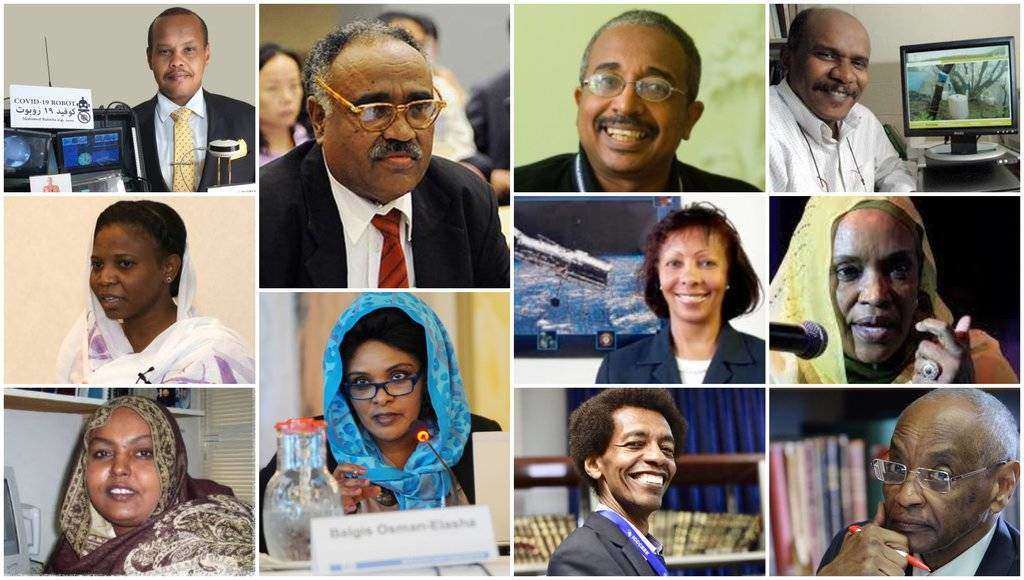
Scientists play one of the most significant roles in our world, most importantly today as we deal with a pandemic that has taken the lives of more than 300,000 people. Throughout history, there have been many accomplished and inspiring Sudanese scientists who have changed our understanding of the world around us with their research, discoveries and tangible impact.
Here are some internationally acclaimed Sudanese scientists in Sudan and across the world that you should know about:
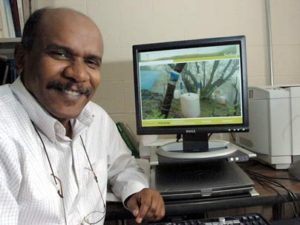
Ismail Abdel Rahim El Gizouli
Image source: Ismail El Gizouli
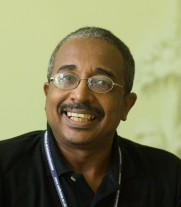
Ismail Abdel Rahim El Gizouli is an energy and environment specialist. He was member of the bureau of the Intergovernmental Panel on Climate Change (IPCC) from 2002 to 2008 and was re-elected for another term from 2008 to 2015. He then acted as interim chairman of the IPCC in 2015. In addition, he was the vice-chair of the Facilitative Branch of the Compliance Committee of the UNFCCC from 2005 to 2007 and was the Chair of the Facilitative Branch and Co-Chair of the Compliance Committee of UNFCCC from 2007 to 2009.
He received a Bachelor of Science in Mathematic and Physics from the University of Khartoum in 1971 and a Master of Science in Operation Research & Statistics from the University of Aston in Birmingham, UK in 1980.
El Gizouli worked as a freelancer and conducted many consultancies for the African Development Bank, World Bank, UNEP, FAO and African Energy Policy Research Network (AFREPRN). In 1998, he joined The Higher Council for Environment and Natural Resources in Sudan as a consultant on all UNDP-Government joint climate change projects.
He has participated in many international, regional and national conferences, meetings and symposiums in industry planning, sustainable development, energy, environment and climate change. In addition, he published many papers and is one of four authors of two energy-related books published by ZED Books England. He also contributed as Review Editor to many IPCC Reports including Safeguarding the Ozone Layer and the Global Climate System, Carbon Dioxide Capture and Storage (Main Report and Technical Summary), Working Group III contribution to the Fourth Assessment Report (Mitigation of Climate Change) and Fourth Assessment Synthesis Report.
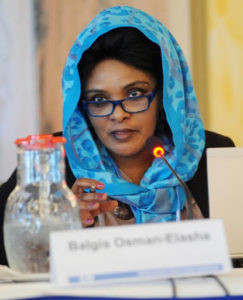
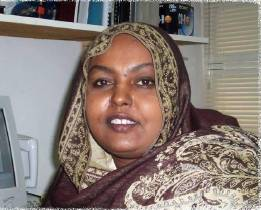
Dr Balgis Osman Elasha
Dr Balgis Osman-Elashais senior scientist at the forefront of global research on climate change. She has been a climate change expert at the Compliance and Safeguards Division at the African Development Bank (AfDB) since 2009. She holds a PhD in Forestry Science, a master’s degree in Environmental Science, and a Bachelor of Science with honour in Forestry and Agricultural Science. She has more than 17 years of experience in the field of climate change with a special focus on vulnerability and adaptation assessment related to African countries and the Middle East, emphasising the human dimension of global environmental changes.
Dr Osman-Elasha has reviewed a number of scientific papers to Elsevier and other highly reputable journals as well as a guest editor to a number of scientific publications. Before joining the African Development Bank, she was a senior researcher at the Higher Council for Environment and Natural Resources (HCENR)-Sudan. Her research focuses on vulnerability and adaptation assessment in drought-prone in Africa.
Dr Osman-Elasha is the winner of the UNEP Champions of the Earth Award for outstanding environmentalists and the winner of Lead Authors-Nobel Peace Prize. She is also a member of the International Panel on Climate Change (IPCC).
Professor Elfatih Eltahir
Professor Elfatih Eltahir is the Breene M Kerr Professor of Hydrology and Climate at Massachusetts Institute of Technology (MIT) with a focus on sustainable development in Africa. Elfatih earned a Bachelor of Science in civil engineering from the University of Khartoum, a Master of Science in hydrology from the National University of Ireland, and a Master of Science in meteorology and a Doctor of Science (Sc.D) in Hydroclimatology from MIT.
Professor Eltahir received the US Presidential Early Career Award in 1997. He is an elected fellow of the American Geophysical Union, and a member of the Sudanese National Academy of Science. He is a member of the Scientific Council of the International Center of Theoretical Physics in Trieste, Italy. In 1999, Professor Eltahir received the Kuwait Prize in Applied Sciences for his work on Climate Change, making him the youngest person to receive this prestigious prize, offered to scientists from Arab countries. In 2017, Professor Eltahir received the Hydrologic Sciences Award from the American Geophysical Union.
Dr Hiba Salah-Eldin Mohamed
Image source: iend.org
Dr Hiba Salah-Eldin Mohamed is a molecular biologist at the University of Khartoum. She studied zoology at the university, earning a bachelor’s degree in 1993, followed by a master’s degree in 1998. She then received her PhD from the University of Cambridge Institute for Medical Research (CIMR) in Cambridge, the UK in 2002. Her doctoral research, “The Role of Host Genetics in Susceptibility to Kala-azar in Sudan”, was under the supervision of Jenefer Blackwell, a well-known Professor of Molecular Parasitology. Mohamed remained at the CIMR as a postdoctoral fellow. She, along with Professor Blackwell, were later awarded the Wellcome Trust Research Development Award (2004-2007). She then moved back to Sudan and joined the University of Khartoum to be a professor in the Department of Molecular Biology.
Mohamed was awarded the 2007 Royal Society Pfizer Award for her research on understanding the genetics of kala-azar, which is also known as Visceral Leishmaniasis (VL). In 2010, Mohamed was appointed a Fellow of the Global Young Academy.
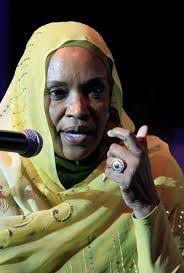
Dr Abdel Rahman’s breakthrough in growing sugar cane method involved taking cells from plant leaves, shoots or roots and growing them in a liquid culture to produce artificial seeds able to germinate. Her results and patented techniques garnered global attention and attracted interest from huge research and production companies across the world. The breakthrough led to cheaper and more productive cultivation in developing countries.
Dr Abdel Rahman passed away in 2015 at the age 59 in the UK after a fight against cancer.
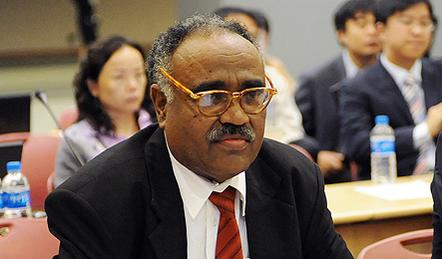
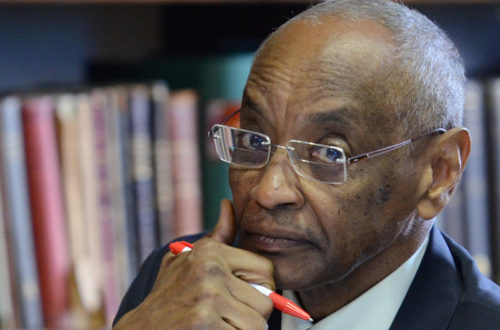
Professor Mohamed H A Hassan
Image source: TWAS
Professor Mohamed H A Hassan is co-chair of the InterAcademy Partnership (IAP), a global network of science academies, and Chairman of the Council of the United Nations University (UNU).
He received his higher education in the UK from Newcastle University and University of Oxford. After obtaining his Doctor of Philosophy in Mathematics from the University of Oxford, he returned to Sudan to lecture at the University of Khartoum. He later became the Dean of the School of Mathematical Sciences at the university.
Professor Hassan has published several articles in Theoretical Plasma Physics and Fusion Energy; Wind Erosion, Dust and Sand Transport in Dry Lands; and Science and Technology in the Developing World.
He was the founding Executive Director of The World Academy of Sciences (TWAS), President of the African Academy of Sciences, and Chairman of the Honorary Presidential Advisory Council for Science and Technology in Nigeria.
He also serves on a number of boards of international organisations worldwide, including Global Change System for Analysis, Research and Training (START) in the USA; Bibliotheca in Alexandrina in Egypt; the Council of Science and Technology in Society (STS) Forum in Japan; the International Science Programme in Sweden; the Science Initiative Group (SIG) in the USA; and the Centre for International Development (ZEF) in Germany. He is a member of several merit-based academies of science, including TWAS; the African Academy of Sciences; Islamic World Academy of Sciences; Academia Colombiana deCiencias Exactas, ísicas y Naturales; AcadémieRoyale des Sciences d’Outre-Mer, Belgium; Pakistan Academy of Sciences; Academy of Sciences of Lebanon; Cuban Academy of Sciences; and Academy of Sciences of South Africa.
Mohamed Osman Baloola
Image source: Mohamed Osman Baloola’s Facebook page
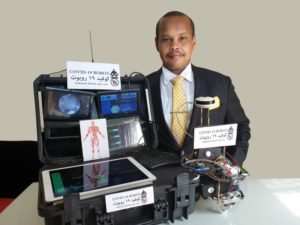
Engineer Mohammed Osman Baloola is a Sudanese scientist and inventor who was named among The World’s 500 Most influential Arabs in 2012 and 2013 for his work on diabetes ‘remote monitoring and control system for diabetes symptoms’. He has been a Teaching Assistant of Biomedical Engineering at the Ajman University of Science and Technology since 2010. Baloola won a science and innovation award at the Arabian Business Awards 2011 in Dubai. In addition, he won AED40,000 (USD11,000) during a Sharjah Television competition for his invention of a remote monitoring and control system for diabetes patients via mobile phone.
Baloola received a Bachelor of Science in Biomedical Engineering from Ajman University of Science and Technology in 2009. He later joined Ajman University as a Teaching Assistant in the faculty of Engineering.
Dr Muntaser Ibrahim
Image source: Research Gate
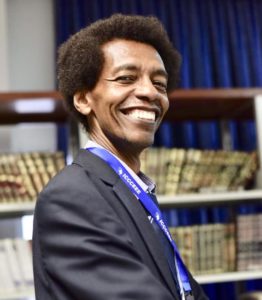
Dr Muntaseer Ibrahim is a Sudanese geneticist and professor of molecular biology at the University of Khartoum, where he leads its Institute of Endemic Diseases, a research and training centre on endemic diseases in the university. His research focuses on human genetic diversity in Africa. Dr Ibrahim is a founding member of the African Society of Human Genetics and co-founded the Sudanese National Academy of Science (SNAS). He is also a member of The World Academy of Sciences. He has co-authored more than 180 original peer-reviewed research publications, including work published in Science, Proceedings of the National Academy of Sciences, Nature, Nature Genetics, and other major journals.
Dr Nashwa Abo Alhassan Eassa
Image source: Picuki
Dr Nashwa Abo Alhassan Eassa is an assistant professor of physics at Al-Neelain University in Khartoum. She received a Bachelor of Science in physics from the University of Khartoum, a Master of Science in nanotechnology and materials physics from Sweden’s Linköping University, followed by a PhD from Nelson Mandela Metropolitan University (NMMU) in South Africa.
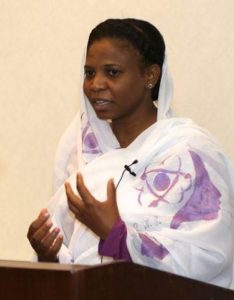
Dr Eassa founded the non-governmental organisation ‘Sudanese Women in Sciences’ and is a member of Organization for Women in Science for the Developing World’s South African Institute of Physics. In 2015, Dr Eassa won the Elsevier Foundation Award for Early Career Women Scientists in the Developing World. She has been a candidate as Arab Countries Vice-President for Organization for Women in Science for the Developing World.
Professor Widad Ibrahim Elmahboub
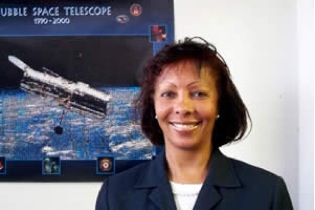
Professor Widad Ibrahim Elmahboub is a great scientist and astrophysicist. She has proved herself as a distinguished and competent scholar and scientist in her field. Having finished her college studies in applied mathematics and astrophysics in Sudan and Egypt, she was received a master’s degree in Engineering Physics by Wisconsin-Madison University, followed by a doctorate degree in astrophysical engineering.
Prof Elmahboub started her scientific career as a professor of astrophysics and remote sensing systems at Hampton University. Then she moved on to the research and analysis of planetary components at NASA with the main focus on enhancing the accuracy of satellite-based remote sensing imaging and data. Prof. Elmahboub has introduced a highly accurate computer-simulated mathematical model followed by the implementation of the algorithm and atmospheric correction method which enabled scientists and astrophysicists to obtain much more accurate and refined satellite images of Mars surface. Additionally, Prof Elmahboub has authored, co-authored and edited many articles in scientific journals and periodicals on remote sensing imaging technology, spectroscopy and simulated mathematical modelling.
Professor Sharief Babiker
Image source: ICCEEE’s Facebook page
Professor Sharief Babiker is a professor in the Electronics Department at the University of Khartoum and a Chairman of the world’s largest professional association dedicated to advancing technological innovation and excellence for the benefit of humanities ‘IEEE_sudan’ Subsection.
Prof Babiker received his bachelor’s degree in electrical and electronic engineering at the University of Khartoum, a master’s degree in telecommunications and information systems obtained in Essex University, the UK, followed by a nanoelectronics PhD degree at Glasgow University, Scotland. By the end of 2000, Prof Babiker was working on submicron semiconductor devices research at the Nanoelectronics Research Centre, University of Glasgow as well as on aerospace projects at Thales Avionics, the UK.
The Jordanian pharmacologist Nancy Hakooz has been chosen as the first recipient of a prestigious new prize for a scientist from a developing country, given by the International Society for the Study of Xenobiotics.
The society, known as ISSX, is the premier scientific organisation for researchers who study how organisms metabolise and dispose of xenobiotics. Xenobiotics are compounds that are foreign to an organism or are not part of its normal nutrition. Examples include drugs, food additives, and environmental pollutants.
The new prize, called the Award for Outstanding Achievement in Xenobiotic Research by a Scientist from an Underrepresented Nation, will honour researchers either for a single major contribution to research in the field of xenobiotics, or for significant sustained contributions over time.
Hakooz, a professor of pharmacogenetics in the University of Jordan’s School of Pharmacy, was chosen to receive the inaugural award “in appreciation of her efforts in studying the effect of genes on drug response, and her studying the genes of genetically isolated peoples such as the Circassians and Chechens in Jordan.”
She will receive the award at the society’s international conference in Seattle in September
In an interview with Al-Fanar Media, Hakooz said it was important for Arab scientists to be represented in international scholarly societies like the ISSX. “We have distinguished research in this field, despite the lack of capabilities,” she said.
A Practical Element in Her Research
During her research career, Hakooz has focused on practical aspects of the topics she studies, such as how genetics affect the appropriateness of certain drugs for specific patients.
“Not all patients benefit from the same drug or the same dose, since there are genetic differences between people,” she said.
“If we can study the effect of these differences on the effectiveness of a drug in patients, then the prescription for each drug will be different from one person to another,” she said. “This is called personalising medicine, meaning that the drug is provided in accordance with each patient’s condition.”
Studying a Subject She Loved
Hakooz says she chose to study pharmacy “out of love and conviction.” She had many choices of what to study at university, she said, because her excellent grades in high school. “However, I was satisfied to study what I really loved.”
After she received her bachelor’s degree in pharmaceutical sciences from the University of Jordan in 1992, Hakooz worked for a year as a teaching assistant in the School of Pharmacy. She then got a scholarship to study for a doctorate at the University of Manchester, in the United Kingdom.
She obtained her Ph.D. four years later, specialising in drug metabolism and pharmacokinetics, the branch of pharmacology concerned with the movement of drugs within the body.
Challenges for Arab Researchers
After returning to the University of Jordan in 1997, Hakooz tried to work on research similar to her studies at the University of Manchester, but she ran into difficulties for lack of funding and support. She needed lab animals, she said, but their cost was very high, and it was not easy to obtain them in Jordan at that time.
The lack of sustained funding is one of the major challenges facing scientific research in Jordan, she said. Others include the lack of a group research culture, in which scientists exchange advice and knowledge.
When she first returned from abroad, Hakooz said, she found researchers working on isolated “islands”. However, things have become better in the last ten years, with much better collaboration among research groups, she said.
To have a group culture, she tells young researchers, it is not a requirement that all of them do the same type of research, but that they support each other through research participation, each in their own discipline.
Medicinal Clinical Trials in Jordan
Despite these challenges, Hakooz believes Jordan has a great opportunity to become a regional centre for clinical studies of new drugs. Jordan has distinguished, globally recognised research centres that could participate in such studies, she said.
Pharmaceutical companies need to conduct clinical trials of new medicines in more than one place to collect data on a drug’s effectiveness and safety, Hakooz said.
An important question, she said, is, “How similar are the genetics of the people who participate in drug trials?”
Being able to answer that question will allow researchers to say whether the drug will be just as effective when it is widely circulated, she said. “The answer may be positive or negative. In order to be sure, we must participate in those experiments.”
Women in Higher Education
In addition to conducting research, Hakooz has held several administrative positions in her academic career.
She served as the founding dean of the Faculty of Pharmacy at Zarqa University, in northern Jordan, between 2010 and 2016. She was also a vice president of the university for three years during the same period.
In 2016, she returned to her alma mater, the University of Jordan’s School of Pharmacy. Four years later, she become the head of the college’s department of biological and clinical pharmacy.
On women’s leadership in Arab higher education institutions, she said: “In our country, administrative positions are granted, not acquired, and are not open to competition.”
“At the University of Jordan, for example, we have one female vice president compared to four male vice presidents, and three female deans compared to 21 college deans,” she said.
“Academic leadership positions in public universities are governed by a permanent factor, which is personal acquaintances because they are governed by appointment.”
“Administrative positions in academia come and go,” she added. “My genuine passion is teaching and seeing my students’ eyes shine when they catch a new idea.”
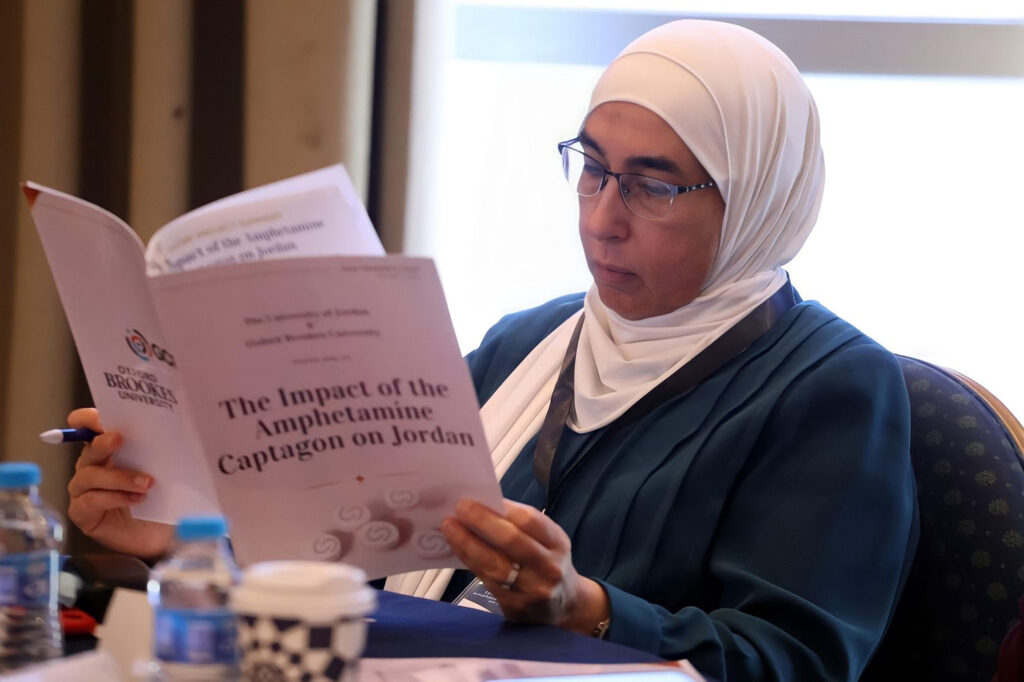
After being chosen for a prestigious international award, the Jordanian scientist talked to Al-Fanar Media about her work and the challenges for researchers in the Arab region. (Photo: Nancy Hakooz).
The new cloud datacenter region launches with Microsoft Azure and Microsoft 365, giving organizations access to hundreds of scalable, highly available and resilient cloud services.
Today, Microsoft announced the launch of its new datacenter region in Qatar, marking a major milestone for Microsoft as the first hyperscale cloud provider to deliver enterprise-grade services in the country. The new world-class datacenters are open for business with Microsoft Azure and Microsoft 365 available today.
The continued investment is in response to Qatar’s growing demand for high performance computing, and fast and reliable access to Microsoft services. The new datacenter region will play a pivotal role in providing access to scalable, highly available, and resilient cloud services to accelerate the digital transformation and advance intelligent cloud adoption of businesses, customers, and partners across Qatar.
Speaking at the opening ceremony, H.E. Mr. Mohammed bin Ali Al Mannai, Minister of Communications and Information Technology, said: The launch of the Data Centre today is considered an important milestone in the process of transforming the State of Qatar into an advanced and pioneering digital center in the Middle East and the world. This journey was inspired by the Qatar National Vision 2030, which aims to establish a diversified and competitive national economy.”
His Excellency continued: “These pioneering projects in the field of digital transformation, communications and information technology would not have been achieved without the ambitions of the country’s wise leadership and its vision to this vital sector, believing in its crucial role in the development of other economic sectors. Legislative and legal regulation of the sector and enhance its attractiveness.
“Microsoft has more datacenter regions than any other cloud provider and today we are proud to deliver the first hyperscale cloud datacenter region to Qatar. This development will increase opportunities for organizations of all sizes and across all sectors to leverage our trusted cloud to innovate, better serve their customers and achieve their business goals – ultimately supporting continued economic growth that benefits all residents.” said Ralph Haupter, President of Microsoft EMEA.
Providing new opportunities for customers and partners
The Qatar cloud data center region will drive growth and scale for Microsoft customers and partners in the country. Microsoft customers across multiple industries, including the Ministry of Communication and Information technology, TASMU PLATFORM, the Supreme Committee for Delivery & Legacy, and many others, have already embraced the Microsoft Cloud to develop digital capabilities and innovate in their industries. Microsoft partners such as EY, Ooredoo, Vodafone, QDS, PWC, ICT, Malomatia, Intel, Mannai, Meeza, Starlink, and Veeam are delivering transformative solutions across the Microsoft Cloud to drive customer success.
Building future-ready skills for employability
Earlier this year, Microsoft, in partnership with the Ministry of Communications and Information Technology (MCIT), launched the National Skilling Program, with the goal to upskill over 50,000 people in Qatar through providing digital skills acquisition programs over the next four years. To date, the program had benefited over 14,000 people.
Microsoft has also established a first-of-its kind Digital Center of Excellence to help bridge the skills gap amongst the IT community and help accelerate digital transformation, in collaboration with leading universities such as MIT xPro, the European Institute of Business Administration (INSEAD) and HEC Paris.
Delivering reliable, trusted, and resilient cloud, securely
Businesses of all sizes and industries can now host their cloud workloads in Microsoft’s Qatar datacenter, taking advantage of enterprise-grade reliability and performance. Customers can begin leveraging Microsoft Azure to develop advanced applications using AI, data and analytics, IoT and hybrid capabilities with advanced digital security and more, as well as Microsoft 365, the world’s productivity cloud that delivers best-of-breed productivity apps delivered seamlessly through cloud services.
With over 100 compliance offerings – the broadest set of compliance offerings and programs of any public cloud provider – the Microsoft cloud significantly empowers customers to meet local compliance and policy requirements. This includes the National Information Assurance Certification issued by the National Cyber Security Agency, which Microsoft received earlier this year.
“With its longstanding history as an early adopter of technology, Qatar has completely embraced cloud solutions and revolutionized entire industries to develop a new, advanced digital economy. Today’s announcement will enable the country to take these groundbreaking innovations to the world, showcase its standing as a leader in digital transformation and cement Qatar’s place as a global hub for innovation,” said Lana Khalaf, Microsoft Country Manager.
To learn more about the Microsoft cloud datacenter region in Qatar, please visit the website.