Arabs & Arabian Records Aggregator. Chronicler. Milestones of the 25 Countries of the Arabic Speaking World (official / co-official). AGCC. MENA. Global. Ist's to Top 10's. Records. Read & Enjoy./ www.arabianrecords.org
Category: Inventions, Innovations (wef. Feb 01sy, 2022
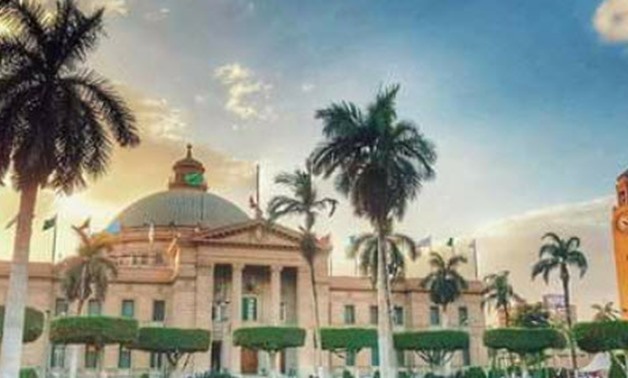
A total of 79 scientists from Cairo University are among a list of 160,000 scientists whose practical opinions are cited in various specializations with a (2 percent).
President of Cairo University Dr. Mohamed Othman Elkhosht received a report on Stanford University’s announcement of a list of scientists whose practical opinions are cited in various specializations with a (2 percent), featuring about 160,000 scientists from 149 countries, based on the Scopus database, in 22 scientific specializations, and 176 sub-specialization for distinguished researchers.
Dr. Elkhosht announced that the Stanford list included a large number of Cairo University scientists, with a total of 79 scientists on the two lists, whether the total from 2011 to 2022, or the latest version 2023, as this year’s list included scientists from 11 colleges (an increase of 8% over the previous year).
Number of scholars featured from Cairo University in the report’s 2022 edition was 73 scholars, representing 9 of the university’s faculties, and compared to the number of 74 and 55 scholars during the previous years (2021 and 2020, respectively), Cairo University thus leads all Egyptian universities and research centers in all years from 2020 until now.
Dr. ElKhosht explained that the annual Stanford University report is an objective, external indicator of the progress of scientific research at Cairo University.
It is also a quantitative indicator for the university to identify the number of distinguished faculty members in research and a reflection of the university’s methodology, plan, applied practices, and the support that the university provides to its employees from the various colleges and institutes affiliated with it.
Dr. Mahmoud Al-Saeed, Vice President of the University for Postgraduate Studies and Research, pointed out that the report reflects the strengthening of the confidence of the international scientific and research community in our scientists in all fields and specializations, and that the results of the classification this year included two lists, the first of which is specific to the list of the total practical years 2011 – 2022 (with a total of 417 scientists), While the second included the list of last year, 2022, with a total of 817 scientists, adding that this year’s list (2023 edition) contained 926 Egyptian scientists, while last year’s list (2022 edition) included 680 Egyptian scientists from various universities and research centers, compared to 605 and 396 during the years 2021 and 2020, respectively.
Stanford University used the Scopus database of the international publisher Elsevier to extract various indicators in this list, including global scientific publishing, the number of citations, the H index, and co-authorship, all the way to the composite citation index.
source/content: egypttoday.com (headline edited)
_________
Image processed by CodeCarvings Piczard ### FREE Community Edition ### on 2019-05-12 11:20:32Z | http://piczard.com | http://codecarvings.com
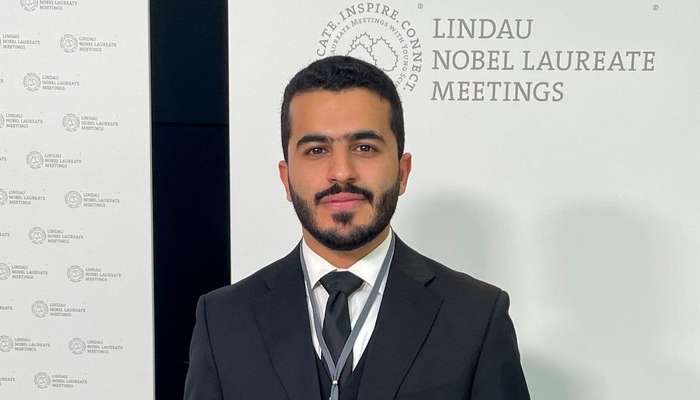
Dr. Fares bin Abdullah Al-Farsi, with his team, won the prize for the best innovative research project in a science marathon, in which more than 27 teams from various countries participated, during the Lindau Nobel Laureate Meeting.
Dr. Al-Farsi explained to Oman News Agency (ONA) that the winning project is concerned with using smart biochips to identify and resist bacteria that cause infections in chronic wounds, indicating that these slides contain microscopic antibodies manufactured in a laboratory, and linked to enzymes and sensors that help identify and eliminate bacteria as they approach the wound site.
He pointed out that the winning project was part of a research team consisting of young scientists from several disciplines, with the support of the “Max Planck” Foundation in the Federal Republic of Germany, adding that the participating research projects were evaluated by a scientific committee consisting of a number Nobel Prize-winning scientists, as well as global investors in the field of developing scientific research.
Dr. Al-Farsi pointed out that his participation in the 72nd Lindau Nobel laureate Meeting, which was held last June in the Federal Republic of Germany, came with the support of the Ministry of Higher Education, Scientific Research and Innovation to represent the Sultanate of Oman among the top 600 young scientists in the medical field, with the participation of more than 40 Nobel Prize-winning scientists.
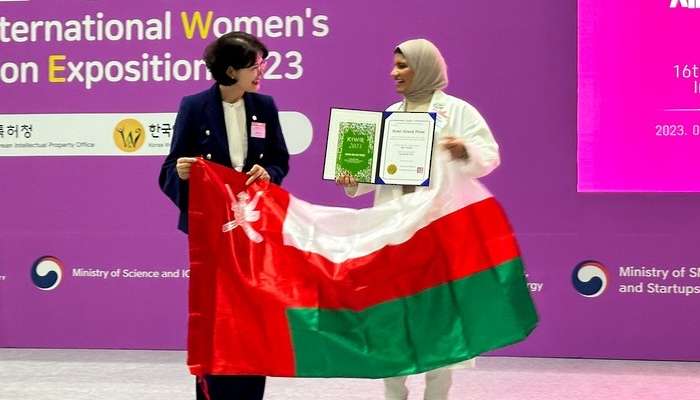
An Omani innovator has won the Grand Prize in an international competition in South Korea among 353 innovations from more than 18 countries around the world, Oman News Agency (ONA) announced.
Omani innovator Razan bint Hamad Al Kalbani won the Grand Prize in the Korea International Women’s Innovations Exhibition and Competition (KIWIE) for her innovation “X-ray absorbing coating from a natural ingredient”, among 353 innovations from more than 18 countries around the world.
Razan Al-Kalbani told Oman News Agency that her scientific innovation is a coating that absorbs X-rays from a natural ingredient (lycopene), which is the red pigment found in tomatoes, watermelons, red fruits and vegetables in general.
She added “After extracting the lycopene, I carried out laboratory tests and mixed it with a coating with unique properties and techniques to ensure that the properties of the lycopene were not affected.”
She pointed out that the scientific innovation is the first of its kind in the world using a natural compound to shield rays, indicating that the paint absorbs rays by 97%, and is characterized by being 100% water and moisture resistant, and 95% heat resistant, and prevents the formation of mold and bacteria, and is non-flammable.
She pointed out that one of the most prominent features of this scientific innovation is the possibility of using tomato mold to extract lycopene, and in terms of mechanical advantage, it is less expensive than the lead currently used.
She stated that her participation in the Korea International Women’s Innovations Competition and Exhibition (KIWIE) came with the support of the Ministry of Culture, Sports and Youth.
She stated that her scientific innovation achieved many achievements at all levels, whether global, regional and local, most notably her winning the first place in the Falling Walls Lab competition in November 2020, the silver medal at the Challenge and Innovation Forum in the State of Qatar, the gold medal at the Second Beirut International Innovation Exhibition.
She also won the silver medal at the level of the Middle East in the Mabaret Fayda Al-Saad competition in the State of Kuwait.
The University of Rhode Island neurotoxicologist and dean came to the U.S. for college in the 1980s.
Nasser Zawia hails from Al Bayda, a town in the south of Yemen, a country that has long been affected by war and is currently experiencing widespread famine. Zawia traveled to the U.S. in the 1980s to earn an undergraduate degree from the University of Massachusetts Amherst. He stayed in America, obtaining a PhD in pharmacology and toxicology from the University of California, Irvine. But Zawia never planned to stay on in the U.S. permanently. “Like many students who came here in the 80s, the objective was to come to go to school and go back to your home country and serve there,” he told The Scientist. “However, I married an American citizen.”
In 1990, Zawia and his wife moved to Yemen, where he planned to take a job at Sana’a University’s medical school. But the first Gulf War broke out in 1991. “The war was between Kuwait and Iraq,” he said. “But at that time, the position of the Yemeni government was supportive of Iraq. The connections with the U.S. were being threatened. I left during a climate where there was a lot of uncertainty and fear and insecurity as to what might happen.”
Returning to the U.S. in 1991, Zawia used connections he had made in US universities to secure postdoctoral positions at the University of South Florida and then at the National Institutes of Health’s National Institute for Environmental Health Sciences (NIEHS) in Research Triangle Park, North Carolina. After studying environmental toxicology at NIEHS, Zawia landed a faculty position at Meharry Medical College, a historically black college in Nashville, Tennessee, where he studied the developmental effects of lead exposure in minority populations. “I found that to be something where I could serve the underserved,” he said. “I stayed there for five years and then moved to the University of Rhode Island.”
Although he was successfully navigating the halls of academia and earning his citizenship in the early ’90s, life in the U.S. was not easy for Zawia. “The U.S. was not very receptive to people from the Middle East at that time because of the first Gulf War,” he recalled. “Those of us from that region of the world, our life is always punctuated by all kinds of events involving war. Every 10 years it seems like something big happens, which impacts us in many ways.”
The next big event that would have an effect on Zawia and countless other Americans happened on September 11, 2001. “Those of us who are Arab Americans/Muslim Americans in this country have always been dealing with wars and difficulties in our ancestral homes. But we didn’t ever think or expect that someone would come to the U.S. and cause such a catastrophe. And it changed our lives a lot. And everybody else’s,” he said. “But still we were Muslims in the U.S., and we had to deal with the Patriot Act and then the NSEERS [National Security Entry-Exit Registration System] registration for citizens coming from Muslim countries.”
Despite anti-Muslim sentiment spawned by the terrorist attacks of 9/11, Zawia chose to stay. Since setting up his University of Rhode Island (URI) lab in 2000, he’s made seminal discoveries, including research that pointed to a developmental basis for Alzheimer’s disease. He and his colleagues found that early exposure to lead increased the risk of developing Alzheimer’s disease–related pathologies later in life. Zawia is now working on the epigenetics involved in this phenomenon, and said that his team is pursuing clinical trials of a repurposed drug to treat rare types of neurodegenerative disorders in Europe.
Although the Trump administration’s executive orders on immigration have restricted some travel for people from several countries in the Middle East, including Yemen, the policy has not directly affected Zawia, a naturalized US citizen. But both as a scientist who attends international conferences and as an administrator who seeks to entice talented students from all corners of the world to come to URI, he said he is seeing the damage the restrictions are having. “It is a concern for faculty here that were born in one of those seven countries,” he said. “Even though the law might be clear, how it’s applied may have an impact on our mobility.”
Zawia noted that the effects of the new immigration policies appear to be restricting the flow of students to URI and other US academic institutions. “In graduate education—especially in the STEM disciplines . . . we’re very heavily dependent on international students—it looks like huge drops in applications, a lot of concerns among our students on campus,” he said. “It just sends the wrong message. Graduate education is a strategic asset for the United States. Having the best minds come for an education here, staying, and interacting with our faculty and researchers is the secret to us always maintaining our leadership position.”
On top of the uncertainty surrounding his life as an immigrant researcher and administrator in the U.S., Zawia is grappling with an increasingly unstable situation in his home country, where some of his family still live: 19 million Yemenis are on the brink of a catastrophic famine in a country besieged by civil war. “My personal life and my connections to the country and my family have been upside down, to say the least,” he said.
With all that Zawia has witnessed in the U.S. as a Muslim Arab-American, he views the current political and social climate as the most damaging he’s seen. “I feel the impact of what’s going on now is much greater than what we experienced in the ’90s, with first war in Iraq or 9/11,” he says. “What’s going on right now is really very unsettling and very worrisome. Past events and past wars had more of a selective impact on us as Middle Eastern people and Muslim Americans. But the changes this administration is bringing about in many different facets of life is really . . . disrupting a lot.”
source/content: the-scientist.com / bob grant (headline edited)
Dubai holds lots of Guinness World Records from being home to the world’s tallest tower, the world’s deepest swimming pool and the world’s tallest landmark sign.
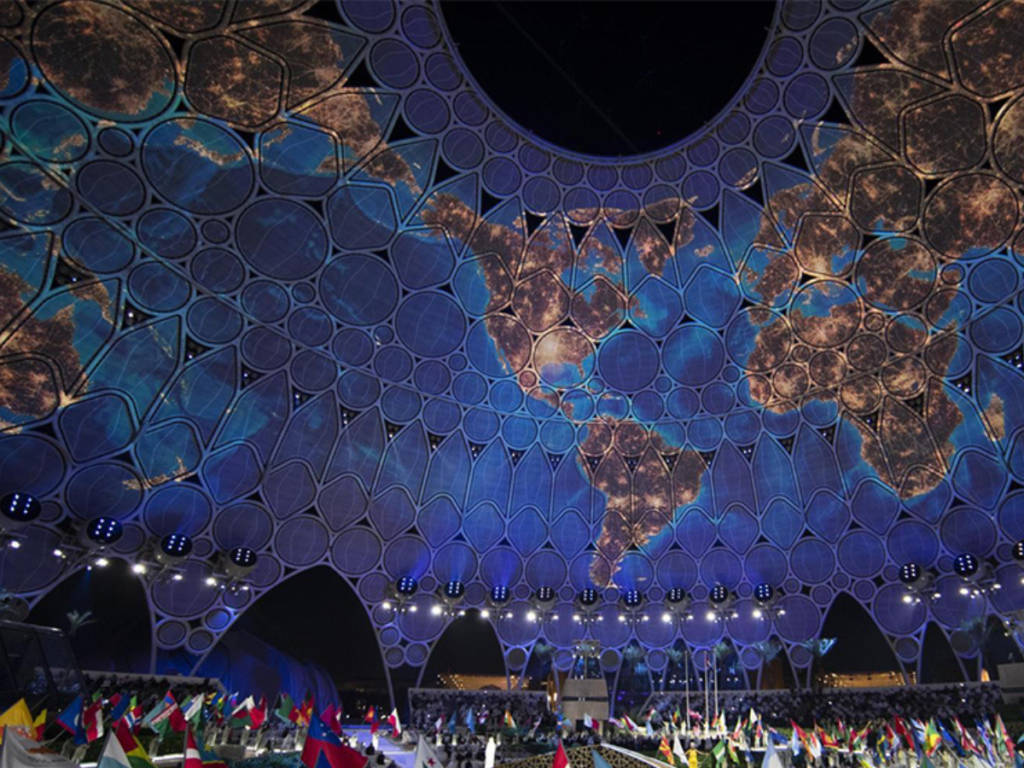
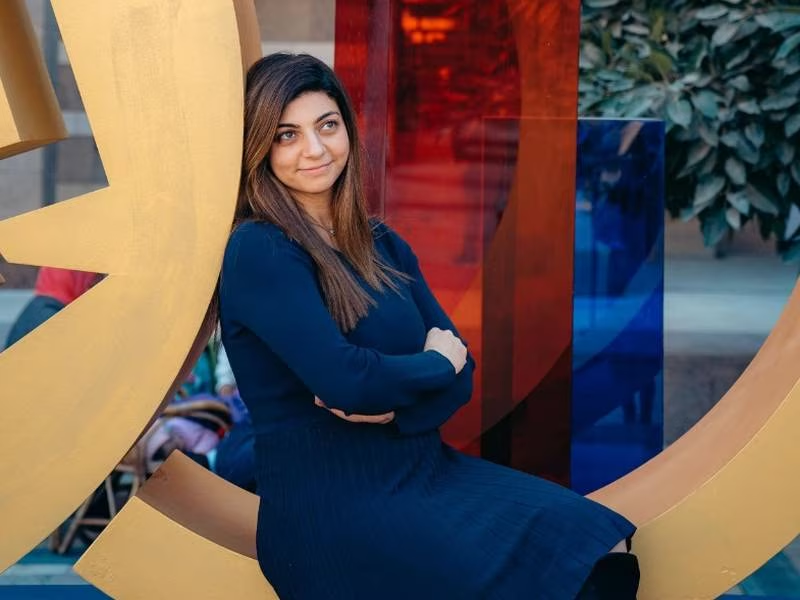
And now, the city can add another accolade to its impressive list of world records as Expo City’s Al Wasl Plaza has secured a Guinness World Record.
Al Wasl Plaza – Expo City’s dome – has won the Guinness World Record title for the largest interactive immersive dome.
Alwaleed Osman, Official Adjudicator at Guinness World Records, said on the unveiling of the award: “Al Wasl Plaza stands as a testament to architectural excellence and a distinguished structure that resonates with those who have had the privilege of experiencing it.
“Its recognition in Guinness World Records underscores the commitment of Expo 2020, and the subsequent Expo City Dubai, to innovation and excellence.”
The beating heart of Expo City, it’s 130 metres in diameter and over 67 metres tall (that’s big enough to fit the Leaning Tower of Pisa beneath it) and visitors can see immersive 360° videos projected onto the surface of the dome.
Up to 252 laser projectors are used to put images on the architecture that can be viewed from inside or outside of the dome.
Designed by Adrian Smith + Gordon Gill Architecture, Al Wasl Plaza has been built using unique materials that ensure it can be used year-round.
The semi-outdoor space has a trellis framework made out of steel and the pattern is inspired by the logo of the Expo 2020 exhibition. Fun fact: The logo is fully visible at the apex of the dome.
During Expo 2020 Dubai, Al Wasl Plaza was a hub for events from concerts to performances and, next year, it will host the UNTOLD music festival.
Al Wasl Plaza hosts daily projection shows and, upon news of its latest award, has opened the new Al Wasl Plaza Café – a homegrown brand that offers Arabic fusion cuisine.
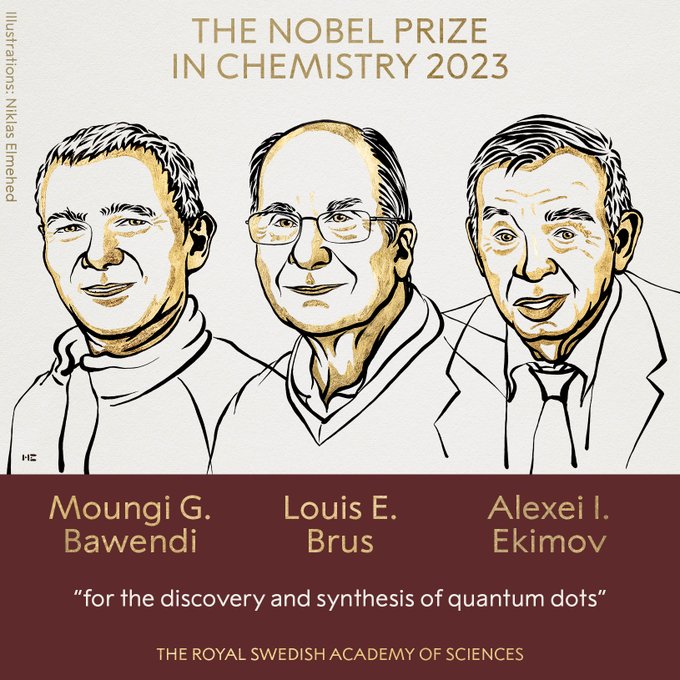
Dr. Moungi Gabriel Bawendi, a Tunisian-American scientist and professor at the Massachusetts Institute of Technology (MIT), has been honored with the prestigious Nobel Prize in Chemistry.
Dr. Bawendi, whose familial roots trace back to Tunisia, has risen as a figure of excellence and innovation within the scientific community. His pioneering work in quantum dots has propelled this field to the forefront of modern technology.
This year’s Nobel Prize in Chemistry is jointly awarded to Dr. Bawendi and two other distinguished laureates, Louis Brus and Alexi Ekimov, who, according to the Royal Swedish Academy of Sciences, “planted an important seed for nanotechnology.”
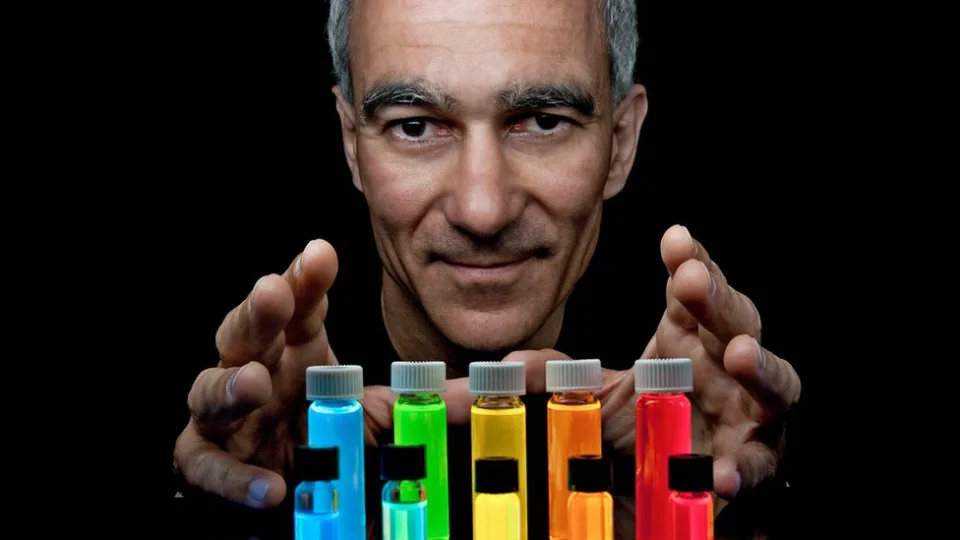
The revolutionary breakthrough that led to this prestigious accolade occurred in 1993 when Dr. Bawendi transformed the chemical production of quantum dots, creating nearly flawless particles. The exceptional quality of these quantum dots became a fundamental requirement for their application across a wide range of domains, from electronics to medicine.
Quantum dots have rapidly evolved to become integral components of cutting-edge technologies. They are currently illuminating computer monitors and TVs through Quantum Dot Light Emitting Diode (QLED) technology, delivering enhanced color and clarity. Furthermore, biochemists and medical professionals utilise quantum dots for precise biological tissue mapping, offering invaluable insights into the human body’s intricacies.
Scientists and engineers envision an exciting future where quantum dots will play pivotal roles in flexible electronics, minuscule sensors, compact solar cells, and secure quantum communication. These tiny, luminous particles hold the potential to revolutionize industries, offering new possibilities for technological advancement.
“The Nobel Laureates … have succeeded in producing particles so small that their properties are determined by quantum phenomena. The particles, which are called quantum dots, are now of great importance in nanotechnology,” the Nobel Committee for Chemistry said in a statement.
“For a long time, nobody thought you could ever actually make such small particles,” Johan Aqvist, the chair of the Academy’s Nobel committee for chemistry, said at a news conference announcing the 2023 laureates. He introduced five colorful flasks, claiming they held liquid solutions of quantum dots, and proclaimed, “This year’s winners achieved success.”
“I wasn’t sure it was true,” said Dr. Bawendi when he received the call informing him of his Nobel Prize, as he shared in an interview with the Nobel Foundation. “It’s quite an honor and quite a surprise.”
The scientist also expressed his deep appreciation for sharing the prestigious award with his former mentor, Dr. Brus, stating, “He molded me as a scientist.”
Before the announcement, Dr. Bawendi had a 9 a.m. class on introductory quantum mechanics scheduled at M.I.T., but the day took an unexpected turn as the lesson transformed into a discussion of his remarkable career leading up to the Nobel Prize. Reflecting on the whirlwind of events, he calmly remarked, “I’m just going to let it ride.”
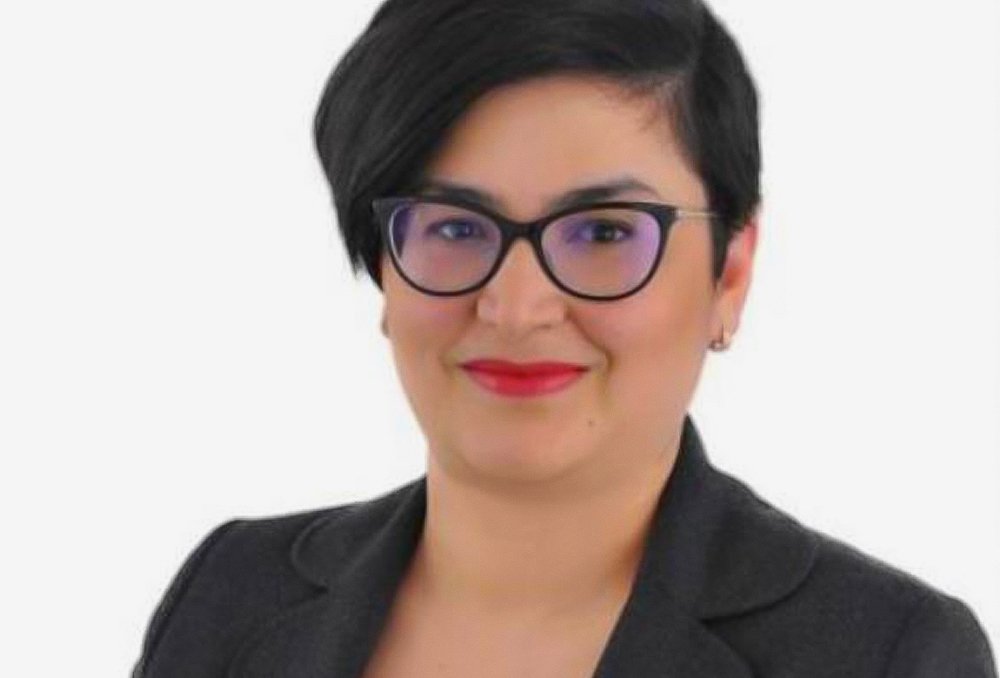
Ines Zaidi, Professor of Immunology at the Higher Institute of Medical Technologies at the University of Tunis El Manar, received the science and technology award of the Francophone University Agency during her participation in the ninth edition of the Francophone Award for Young Researchers.
Dr. Inas, a specialist in blood cell biology, excelled in the competition which included 113 candidates from different continents, such as America, Asia and Africa.
Thanks to her immensely advanced research, which demonstrates intelligence, scientific and cognitive abilities. The scholar’s work has also been published in more than 40 international medical articles, which have provided many additions to humanity, health and medicine in general. Zaidi has been awarded the Sadiq Bessour scientific prize for research excellence in 2017, supported by the Sadiq Foundation in collaboration with the University of Montreal and the Ministry of Higher Education and Research in Tunisia.
Regarding the nature and importance of Ines Zaidi’s research, the piece of work highlights the inclusion and regulation of HASH-1 molecules in public health diseases, as an added value in the follow-up of pathological conditions, as well as in proposing new therapeutic strategies.
Only three other researchers in the world received the Francophone award from universities in Canada and Morocco, making them 4 international researchers with scientific recognition and utterly significant achievements.
Egyptian-American founder of Affectiva is on a mission to revolutionise the way we connect with our digital devices, and each other, by building in emotional intelligence.
The earliest memory that Rana El Kaliouby can conjure is of standing on a tiny blue plastic chair in a romper suit confidently declaring whatever was on her toddler mind at the time.
She is about three years old, revelling in her father’s attention as he dispenses tips – “look at the audience, enunciate your words” – and records the ramblings for posterity with the first commercially available home video camera.
These regular living room sessions led to El Kaliouby going on to give many accomplished public-speaking performances around the world as an artificial intelligence scientist and entrepreneur, most recently this month at the CogX Festival Deep Tech Summit in London.
Her big message after decades working in technology is that the final frontier lies at the point where AI can be immersed in emotional intelligence , or EI, to revolutionise the human-to-computer experience.
But it’s obvious that the first seeds of that life-fulfilling mission were sown more than 40 years ago in her childhood home in Kuwait where she was first encouraged to get to grips with ideas and machines.
“Our family is really big on education, the thing my parents invested in me and my sisters,” El Kaliouby, 45, tells The National.
“And because they were both in tech, we were always exposed to the latest and greatest gadgets. I was a big Atari game player,” she adds, laughing.
El Kaliouby looks back fondly on those clunky old VHS cassettes and hours the family spent playing Pac-Man as examples of the positive way in which electronic devices can bring loved ones together.
Less happy interactions with latter-day technology, however, brought about the realisation that something was missing – all the rich communication signals provided by non-verbal cues were being lost.
An enterprising mission
Her focus ever since has been on developing artificial intelligence that recognises facial expressions so that people can have better connections with their laptops, and, crucially, with each other.
Born in Egypt after her tech guru father, Ayman, met his future wife, Randa Sabry, on a university campus, it seems almost inevitable that El Kaliouby grew up to be a proud geek pursuing a career in computer science.
“It’s a cute story,” she says. “My dad was teaching COBOL programming, this obsolete language that nobody uses any more but was the programming language in the 70s.
“My mum, who was a business major, decided to explore this thing called computer science, and he was kind of interested in going out with her. She said, ‘I don’t do that. No dating allowed.’ And he was like: ‘Ok, then I’ll propose.’”
Soon after, the newlyweds moved to Kuwait, and her mother became one of the first female computer programmers in the Middle East, until having to flee when Saddam Hussein invaded.
Aiming for the stars
Next stop was Abu Dhabi, where El Kaliouby’s Muslim-Arab upbringing was conventional in many ways, bounded by “lots and lots” of rules that included not making any boy friends while at school.
“I always imagined walking around with a gold star on my forehead. I was a very nice, rule-abiding daughter. I stuck to the strict curfews. I never dated through high school or college and I think, by and large, I was always an A student.
“But, at the same time, it was very empowering. I have two younger sisters and the message was always: ‘You can do anything you want in the world.’”
She continued to meet these expectations into her early 20s, earning undergraduate and master’s degrees in Computer Science at the American University in Cairo, and marrying the founder of a start-up, Wael Amin.
Within a year, though, El Kaliouby was undertaking a PhD 5,000km away at Cambridge University despite both sets of parents saying: “Wait a second, you’re married now and you can’t leave.”
Amin, she says, deserves the credit for supporting her daring dream and agreeing to a long-distance relationship.
“It was really unheard of. I did break rules more as an adult as I explored my passions and my quest for being a researcher and an entrepreneur.
“That’s how I think I pushed the boundaries and definitely made my parents uncomfortable.”
And then? “I like the wording that my life went off the rails. I think that kind of encapsulates it.
“Cambridge opened my horizons. It’s like I discovered the world and it was hard to unlearn that.”
The enthusiasm for her life’s work comes across even through the medium of our Zoom interview, but it’s also clear that this was not an easy time.
El Kaliouby arrived in England a few days after the September 11, 2001 attack in America, a young Arab woman then wearing a hijab.
“I was visibly Muslim. My parents were very concerned about my safety.”
The perpetual smile she adopted by way of a peace offering was also something of a mask, hiding the loneliness and separation from those she loved.
Back then, the technological means for staying in contact across the distance was largely restricted to the kind of messaging that proved a barrier to expressing true feelings, making El Kaliouby all the more determined to humanise technology.
“My PhD was centred around building a machine with emotional artificial intelligence, and I recognised at the time that a lot of the ways I was communicating with my family back home, and especially my husband, was through chat.
“We didn’t have video communication and it was certainly very expensive to make phone calls so we would use texting.
“I often felt I could hide my emotions behind the machine. There were many days where I would be homesick or even in tears, but I’d never communicate that. The best I could do was send a sad face emoji.”
The personal hardships became a driving force for her work. In a career paved with “what if” moments, El Kaliouby began to ask: “What if we could teach technology to understand us in the same way that we understand each other?”
“It’s not even in the choice of words we use. It’s our vocal intonations, our facial expressions, our body posture – and all of that was just getting lost via digitally mediated communications.”
Life was about to take another decisive twist as she received an email that the scientist, inventor and entrepreneur Professor Rosalind Picard was coming to give a talk on campus.
El Kaliouby had long been an admirer of this trailblazing woman in an almost overwhelmingly male-led field, whose book on designing computers to recognise human emotions she read while still in Cairo.
Life-changing encounter
“I often say this is the moment that changed the trajectory of my life,” she says of Picard’s request to meet some of the students.
So impressed was Picard by this intense young woman that she offered El Kaliouby a post-doctorate place on the Affective Computing Research Group at the Massachusetts Institute of Technology Media Lab before their first 20-minute conversation had ended.
“I remember thinking, ‘But I need to go back to Egypt. I have this husband waiting for me.’ And she basically said, ‘Just commute from Cairo. Show up whenever you want to.’’’
By then, El Kaliouby had a daughter, Jana, born in the UK, and a son, Adam, arrived in that other Cambridge in the US, but the constant round trips were becoming unsustainable.
“I was just doing that crazy back and forth. I would say it was OK until it went insanely chaotic when I started the company.”
The company was Affectiva, founded with Picard in 2009 with the goal of creating a commercial applications of emotion-sensing AI.
Growth was fast and it was an exciting time but there was another, darker side. “I was travelling so much, there was very little presence in anything I did,” El Kaliouby says.
Big lesson learnt
“I feel like I was out of balance. I didn’t make any time to sleep well. I would wake up at three in the morning almost every day and fire all these emails to my team. And so these poor people would wake up at six or seven in the morning with a whole slew of notes from me.
“I would go on vacation with my husband and my two young kids, and I’d just be on call all the time. There were zero boundaries, zero balance, and that was a big lesson learnt. There’s always time for self-care. There should always be time to spend with family and loved ones and friends. And, I didn’t do that, you know?”
By 2016, she was a divorced mother of two young children living full-time in America, and decided to bare that vulnerability in her role as chief executive of Affectiva.
Staff could see on El Kaliouby’s calendar that 3.30pm was demarcated to collect her son from school, and she explained to them that a Zumba class each Friday ensured a happier, healthier leader.
“I think it made for a much more authentic environment,” she says.
The family now lives in what El Kaliouby describes as a charming New England home filled with distinctive Middle Eastern touches and often by the aroma of molokhia soup made to her mother’s recipe.
Love for Egypt
“It’s very modern but with a lot of Egyptian things, Arab and Islamic inscriptions. I think of myself as Egyptian American, and very Egyptian in a lot of ways. I love Egypt. A lot of qualities – the Arab warmth, generosity and even intimacy – that’s very much who I am and I would say it’s the same for my kids.
“But I also have embraced what people would call American values. I’m very ambitious, very driven, very globally minded.”
That ambition and drive has taken her far. Affectiva is employed by brands in about 90 countries for market research, but also helps children with developmental difficulties, such as autism , to better interact with those around them.
More recently, the company has developed technology to make driving safer by enabling cars to detect if a motorist is becoming drowsy or distracted.
It was acquired in 2021 by the Swedish AI giant SmartEye for what was said to be about $73 million, with El Kaliouby becoming deputy chief executive.
She has long predicted that the day will come when all devices have an emotion chip and we won’t remember what it was like before screens could comprehend the meaning of us frowning at them.
“When we first started doing this work, we always said this will become ubiquitous and ingrained in every technology. Now, I think it’s more true than ever because AI is becoming a lot more conversational and perceptual.
“You can imagine that the final frontier is this emotional and social intelligence. Initially, my work was very much around human-to-computer interaction, making machines more intelligent, and how they communicate with humans.
“Now it’s back to the human connection. How are AI assistants and AI technologies going to make us better humans, especially better at connecting with each other?”
Along the way, she has learnt that daily affirmations are as integral to life as algorithms, and celebrating the small achievements, such as growing her own tulips, is as important as publishing a best-selling memoir, Girl Decoded.
Among the accolades amassed, El Kaliouby can cite becoming a World Economic Forum Young Global Leader, being listed on the Forbes Top 50 Women in Tech, and receiving the Smithsonian Magazine’s American Ingenuity Award in Technology. Earlier this year, she was invited to ring the opening bell on New York’s Nasdaq exchange as a female pioneer in AI, and was recently made a 2023 Eisenhower Fellow.
None of this seems to have gone to her head, however, perhaps because her family does a good job of keeping her grounded.
When El Kaliouby gave a TED Talk some years ago, she explained that in emotion science all facial muscle movements are measured as action units with specific numbers for each.
Words from the wise
In a throwback to those early guided sessions in the family living room in Kuwait, the night before she walked on stage, her daughter Jana, 12 at the time, helpfully texted: “Good luck mummy!! I’m sure your gonna do awesome. Remember: don’t play with your hair, connect with audience, give them a present, gesture on words, gesture to emphasise.”
The response sent in live time was the old-school 🙂 emoticon but the algorithm that is El Kaliouby’s labour of love would have strongly detected action unit 12, the main component of, in this particular case, a very indulgent smile.
From her parting message to readers of The National, it is clear that she won’t rest until the technology responds just as accurately across the whole gamut of social and emotional states irrespective of people’s age, gender or ethnicity. Going forward, El Kaliouby insists, the watchword has to be inclusivity.
“I’m on this mission to diversify the face of AI. So it’s a call to action to get involved. It’s super exciting and we need a lot of diverse people being part of it.”
Moatasem Jibril, a young man from Sudan, is realising his dream of conducting technological experiments to manufacture robots by using recycled electronic waste.
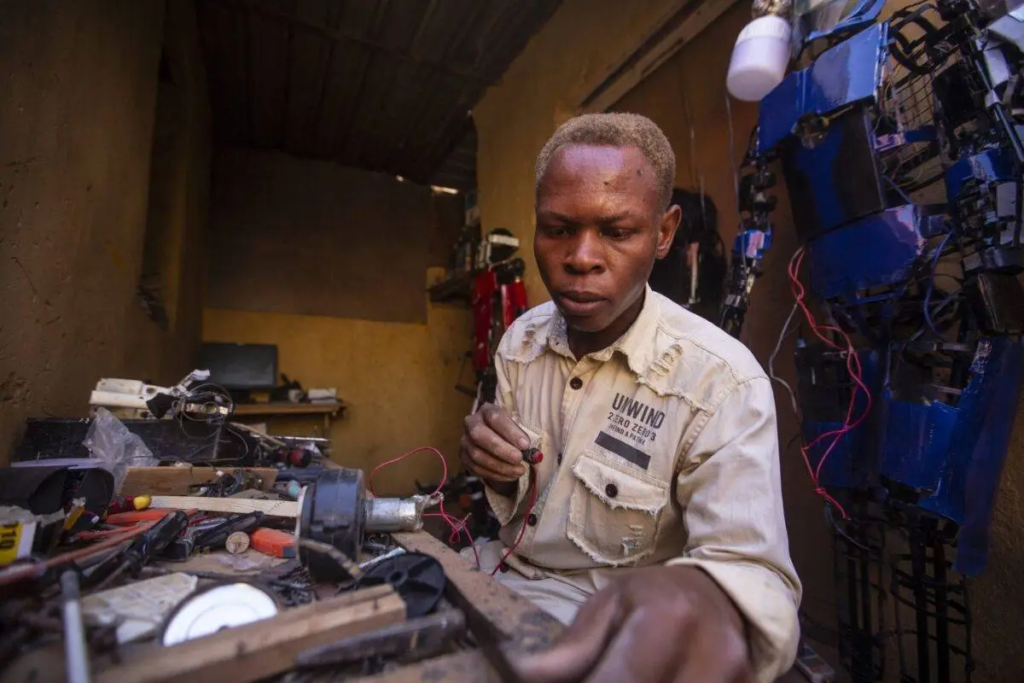
Despite modest capabilities and living in a mud house in the city of Omdurman, west of the capital, Khartoum, Jibril did not give up on his dream of making a robot, even after having to quit university due to the deteriorating economic conditions of his family.
For about ten years, Jibril has been trying to create robots in a narrow space inside his family house, and he challenges poverty by working daily in the market to earn money to purchase the materials he needs for his project. He hopes that his dream will be funded by any businessman or institution.
Sudan is suffering from many crises, starting with a shortage of basic and imported commodities, as well as the depreciation of the local currency, in addition to the government’s measures to lift fuel subsidies at the request of the International Monetary Fund in 2021.
Childhood dream
Jibril’s dream of making robots arose from his childhood, inspired by cartoons.
“Making robots is a dream that has been in my mind since childhood, and I try hard to turn my dream into reality,” he said.
He started making robots nine years ago, after watching many movies that talk about inventors.
The young man mainly relies on the electronic waste that he obtains at a low price from local markets to build his robots, since the basic components exceed his financial ability.
He is searching continuously and painstakingly in electronic markets on the internet for any electronic parts offered for sale that are suitable for his industry, to buy them at reasonable prices.
Sudan is witnessing fluctuations in the abundance of foreign exchange, which raises the cost of imports and bears the final consumer the exchange rate differences, in addition to the rise in global prices, especially fuel and food.
Economic conditions
“In the initial stages, I moved more freely after studying and saving some money from my daily allowances,” Jibril said.
He was studying electronics engineering at the International University of Sudan. He often worked while studying, to save money to pay tuition fees and sit for exams. However, due to financial weakness of his parents, he missed many exams and eventually found himself dismissed from the University.
Jibril did not pay attention to the ridicule of his school and neighbourhood friends, and continued to implement his idea day and night.
“I still suffer from the mockery of colleagues and friends at the University when I begin to explain my project related to the manufacture of robots,” he said. “They consider it mere triviality, despite my continuous explanation of the idea of the project using engineering methods and three-dimensional designs.”
Jibril hopes that his economic conditions will improve, so he can return to the University to complete his academic studies in engineering and software fields.
He aspires to complete a project in building robots on a scientific basis and then start selling them.
As for his big dream, it is to go beyond the robotics industry and reach the stage of manufacturing micro-precision missiles and apply his motto that says: “Everything is possible with determination and persistence.”
He is looking forward to the future by completing his academic studies and hopes to find sponsorship from local or international institutions that will adopt his project to crown his success story and reach the world.
Sudanese Moatasem Jibril, who dropped out of his electronics engineering course for economic reasons, works on a robot in his house using waste products in Khartoum, Sudan on 2 March 2023 [Mahmoud Hjaj/ Anadolu Agency]
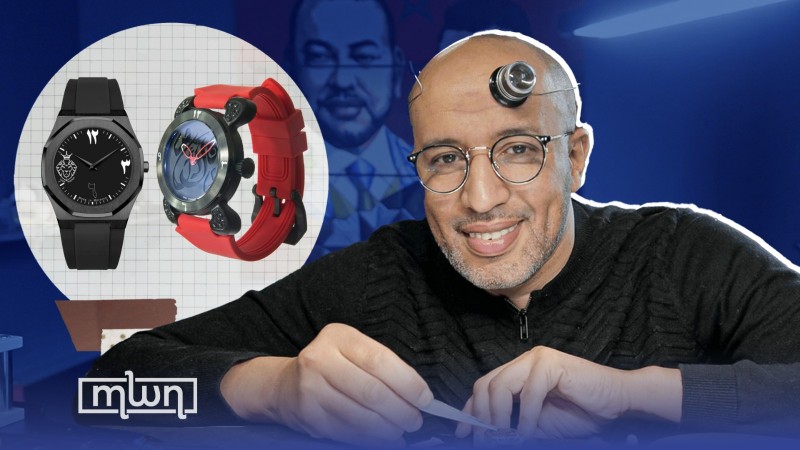
Besides his Elaqsa Watches and the newly launched Lion Watch, Fouad Zrhari unveiled plans to launch a third brand in 2024 that is entirely Moroccan.
In the world of horology, where time is measured with precision and elegance is crafted into every tick of the clock, Moroccan watchmaker Fouad Zrhari managed to fuse passion and craftsmanship and create meticulously designed pieces.
In an interview with Morocco World News, Zrhari shared his journey, one that transformed his love for watchmaking into a brand that blends the artistry of Arabic calligraphy and Morocco’s rich heritage.
A Passion ignited by chance
Zrhari’s love for watchmaking began by chance, as he describes it as “just a coup de foudre,” love at first sight.
It was the charm of timepieces that captured his heart and the idea of creating an instrument capable of measuring time, with its intricate mechanical diversity, was simply fascinating.
“The idea of creating an instrument that measures time fascinates me,” he said, adding that “the precision of tiny pieces fitting together one by one until they tell the time is just incredible.”
Like many young individuals searching for their path in life, Zrhari initially found himself at a crossroads. He stumbled upon an opportunity to attend a school for micro-mechanics, a choice that would become instrumental in shaping his destiny.
Little did he know that this decision would later lay the foundation for his future world of watchmaking. “The effort I exerted during that time serves me well today in the world of watchmaking,” he underlined.
“The school of micro-mechanics brought me immense value because it shares many similarities with instruments of measurement and calculation” which are used in watchmaking, he explained.
With his newfound skills, Zrhari went on to work with prestigious names in the industry, including Franck Muller, Roger Dubuis, and Jaeger-LeCoultre, which became his training ground. He reminisced about those days when celebrities graced the workshops.
Within these workshops, Zrhari undertook various roles, each offering a unique perspective on the art of watchmaking.
Through various roles and tasks, he learned the intricacies of the watchmaking process and emphasized the importance of the diverse trades within the industry. “This experience taught me about the entire process of watchmaking,” he said.
Turning a Dream into Reality
Yet, the defining moment of Zrhari’s journey came when he decided to take a leap of faith. Despite the challenges and strict regulations of designing watches while employed in Switzerland, he chose to work discreetly from his own home.
It was a risk, but it was fueled by a dream. “I saw many Arab personalities visiting the workshops and ordering their own models,” Zrhari recalled. “I turned to my friend and asked, ‘Why don’t Arabs manufacture their own watches?’ I didn’t understand it. Even though it might not be easy, I felt we should at least try.”
The response he received was one of doubt and skepticism. “Impossible,” his friend responded as he laughed. “It’s very difficult to gain recognition, very difficult to sell, and very difficult to invest in, as it demands a significant amount of money and time,” his friend told him.
However, Zrhari embraced this skepticism as a challenge, one he was determined to overcome.
That’s when Zehari decided to craft timepieces that are more than mere instruments that tell time, but a reflection of his heritage and a celebration of Arab culture.
Championing Arab Heritage in Watchmaking
Zrhari has infused his watches with a distinctive signature that pays homage to his Moroccan origins. “Arabic calligraphy, whether subtly concealed or prominently displayed, and Indo-Arabic numerals adorning the dial are the hallmarks of my creations,” Zrhari proudly said.
His watches stand as unique works of art, capturing the essence of his Moroccan roots.
These watches are not just timekeeping instruments; they are an embodiment of his identity, designed to be “recognizable from a distance,” Zrahri said.
What sets them apart further is their exclusivity. Zrhari’s watches are exceptionally limited in number, with the ultra-exclusive Elaqsa Watches, and the newly launched Lion Watch offering affordability to a wider audience.
Zrhari’s promise of a third brand, entirely Moroccan, in 2024 hints at an exciting future, where Zrhari’s artistry and Moroccan heritage will shine brightly in the world of horology.
Today, Zrhari’s journey has evolved into a mission. His passion for watchmaking has become more than just a hobby, as it is now a driving force with a clear purpose.
“There is a huge market and enthusiasm in this business,” Zrhari emphasized as he spoke of his ambition to establish a watchmaking training center in Morocco. This endeavor is not just about creating timepieces; it’s about creating added value for the African continent, he noted.
In addition, Zrahri conveyed an important message of perseverance and ambition to the youth.
“Don’t give up, even when faced with difficulties,” Zrhari advised. “Failure is not a setback; it’s an opportunity to become even stronger.”
He encouraged young individuals to transform their passion into a profession, regardless of the field they choose. With faith and determination, success will eventually come their way, he concluded.