EGYPT: Construction of the Egypt’s First Reactor at El-Dabaa Nuclear Power Plant, Marsa Matrouh Governorate Begins

The plant is located in the northwestern governorate of Marsa Matrouh. 

Minister of Electricity and Renewable Energy Mohamed Shaker and General Director of Russia’s State Atomic Energy Corporation (ROSATOM) Alexei Likhachev attended the ceremony at the plant, giving the green light to start the construction works.

Shaker said that El-Dabaa’s reactors comply with the International Atomic Energy Agency’s (IAEA) safety measurements. They can endure earthquakes and airplane crashes, he noted, adding that the reactor’s operating span may extend to 60 years.

“Building El-Dabaa NPP allows Egypt the chance to achieve a new level of industry and technology. This will be the biggest project between Russia and Egypt since establishing the High Dam project in Aswan. It has been a dream of Egyptians to acquire nuclear energy for more than half a century. ROSATOM is honoured to fulfil it,” the Twitter account of the Russian Embassy in Egypt quoted Likhachev as saying at the ceremony.

The event was attended by Osama Asran, the deputy minister of electricity and renewable energy, CEO of the Egyptian Electricity Holding Company (EEHC) Gaber Desouky, Advisor to the Minister of Electricity Amgad Said, a delegation of senior officials from Russian companies implementing the project, as well as Amgad El-Wakil, the chairman of the NPPA, which organised the event.

El-Wakil told Al-Ahram Arabic news website on Wednesday that El-Dabaa is located on the Mediterranean, 140 kilometres west of Alexandria.

He noted that funding for the project is based on a governmental financial agreement. Loans will be acquired after operating the plant and collecting revenues from electricity generation. 

El-Wakil said the project is expected to generate net revenues of $264 billion for the state treasury over 60 years.

In December 2017, President Abdel-Fattah El-Sisi and Russian President Vladimir Putin  signed an agreement in Cairo to initiate work on the plant at a construction cost of $28.75 billion.

Russia will finance 85 percent of the cost with a loan of $25 billion, while Egypt will provide the remaining 15 percent in the form of installments. The Russian loan is repaid over 22 years, with an annual interest of three percent.

On 30 June 2022, the Egyptian Nuclear and Radiological Regulatory Authority (ENRRA) permitted ROSATOM to start the construction work on El-Dabaa project, which Egypt and Russia signed an agreement to build in November 2015 to generate a total of 4,800 megawatts via four reactors.

Earlier in June, ROSATOM announced that it started the manufacture in Saint Petersburg of electrical components for the plant’s reactor vessel, according to Sputnik news agency.

ROSATOM had submitted a request to establish the first two reactors out of four reactors in January 2019, and received the permission in June 2021, after safety measures were checked and qualified workers and means of conducting safety tests were available.

El-Dabaa NPP is designed according to the latest 3+ Generation which is fully compliant with all post-Fukushima requirements of the International Atomic Energy Agency.

ROSATOM had previously announced that 40% of the cost of Dabaa nuclear power plant is allocated for safety measures.

The four units of the plant are expected to operate at full capacity of 4,800 megawatts by 2030, with the first reactor operating at a capacity of 1,200 Megawatts at the first phase, said El-Wakil.

According to the project’s design, the nuclear plant will have four VVER-1,200 reactor units, with the first unit scheduled for operation in 2026.

In November 2021, Egypt signed a long-term $1 million agreement with the Czech ÚJV Rež Research and Development company to consult on El-Dabaa Nuclear Plant, according to ENRRA Chairperson Sami Shaaban.

According to the contract, ÚJV Rež will provide technical assistance to the ENRRA in licensing the nuclear plant.

source/content: english.ahram.org.eg (headline edited)

__________
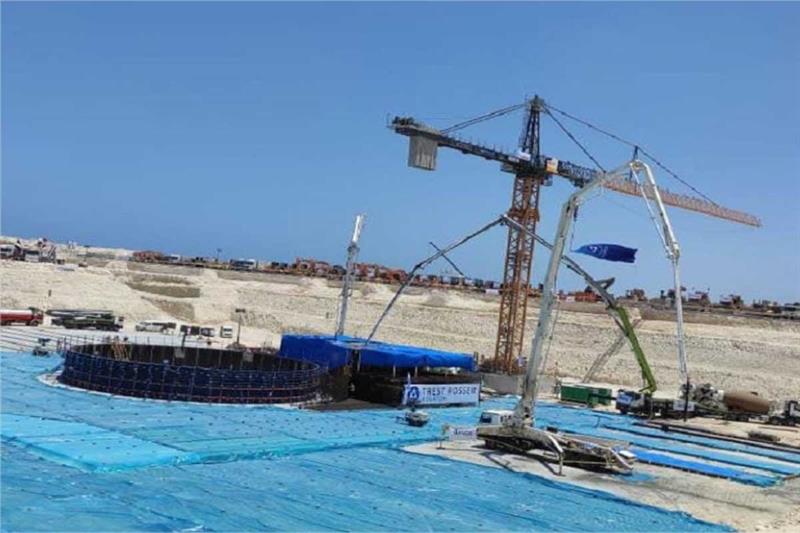
A scene of pouring concrete of the building the 1st reactor of El-Dabaa Nuclear Power Plant on July 20. (Photo courtesy of the official Twitter account of the Russian Embassy in Egypt)

_________

EGYPT

MOROCCO: Engineering Students Create “S-ILK” Innovative Fabric From Expired Milk

With the newly emerging social entrepreneurship movement, Moroccan youth are keen to develop entrepreneurial solutions to respond to local challenges.

Driven by innovation and the spirit of entrepreneurship, a student-led team from Enactus Club at Morocco’s Mohammadia School of Engineering (EMI) has developed a fabric made from milk to reduce dairy waste.

A team of 10 engineering students took the lead to make a positive impact within Moroccan society after observing the alarming amount of milk waste discharged in rivers and lakes. The dumping of milk waste has severe consequences for the balance of marine ecosystems as well as on the quality of drinking water. 

The “S-ILK” project is a promising alternative to classic fabrics, by focusing on creating a tissue based on casein, a protein extracted from milk. 

So far, the team has been able to develop the first prototype of its biodegradable fabric in the form of textile yarns and now seeks to begin mass production.

Speaking to Morocco World News, S-ILK Project Manager Omar Dirane stressed that synthetic fabrics, made from nonrenewable fossil fuels, are often bad for health and the environment. This became the reason why the team decided to use milk as a fabric to make clothes while reducing the pollution of dairy products.

Research quoted by The Guardian has found that 16% of dairy products, approximately 128 million tonnes, is lost or discarded globally each year; an efficient solution is therefore needed to reduce the environmental impacts of this large-scale food waste.

Ghita Dahhou, a project associate, told MWN that their long-term goal consists of making “S-ILK” a startup in which they seek to develop and sell eco-friendly clothes, while also raising awareness about food waste and making people eco-responsible through what they wear.

“The idea of creating a brand of ecological fibers is present and could be a big step for the textile industry in Morocco,” Dahhou said. As eco-responsible alternatives to fast fashion keep growing worldwide, the industry is significantly becoming more competitive. 

Project associate Taoufiq Saaad spoke on the difficulties they could potentially face in implementing their startup in the future, especially as young students without years of experience in the field.

S-ILK team members, however, are keen to keep their optimism and ambitions to achieve their professional aspirations, noting that “our young age will not stop us from being invested in the engineering field and giving everything we have to improve it.”

Social entrepreneurship: challenges and opportunities

Eager to position their product in the Moroccan market, the team has conducted a market study to identify their niche while focusing on customers that support environmental advocacy and are eco-responsible.

Similar customers that follow the ecological trend are harder to find in Morocco due the “traditional mindset” some people still have, Ghita argued. Such a mindset, in addition to societal pressures, hinder young project holders from “taking risks and exploring what is beyond our comfort zone.”

As part of their market research, they also conducted interviews with people in the streets of Rabat. Taoufiq Saaad highlighted that people were “intrigued by the product especially when we told them that the piece will be cheaper than actual silk.”

“As we have been showing a potential to grow, we have been able to find clients who are interested in purchasing our product,” he added.

Supported by Moroccan hypermarket chain Marjane Holdings and Orange Maroc, one of three major licensed telecommunications operators in the country, the project manager expressed the team’s interest in securing more funds to be able to expand their project.

He explained that “Orange digital center” provides them with the tools needed to elaborate their research while “Orange Fab Lab” is where they experiment on their product and work on improving it.

When asked how they manage to finance projects within Enactus EMI, especially those starting from scratch, Dirane underlined that when a project within the EMI network wins a prize, they split it so that all projects can be able to expand.

Meanwhile, Ghita underlined that in recent years, Morocco has been offering several opportunities for young project holders to show their potential, either through financial aid or other facilities that banks provide, in addition to the support and mentoring from several incubators. 

“With over 300 alumni of Enactus EMI, and 66 current members, we have much expertise, and engineers in different industries across Morocco, all coming together to contribute to the growth of innovative projects,” he added.

For Omar, Taoufiq, and Ghita, the project is helping them become the leaders of tomorrow by.being engaged in extracurricular activities to develop soft skills such as teamwork, communication, and problem-solving, among others, while also seeking expertise in the engineering field.

source/content: moroccoworldnews.com (edited)

____________

S-ILK: Moroccan Engineering Students Create Innovative Fabric From Expired Milk

_____________

MOROCCO

WORLD RECORD: EMIRATES (U.A.E) : NYU Abu Dhabi Research Scientist to Publish the World’s First Arabic Mars Atlas

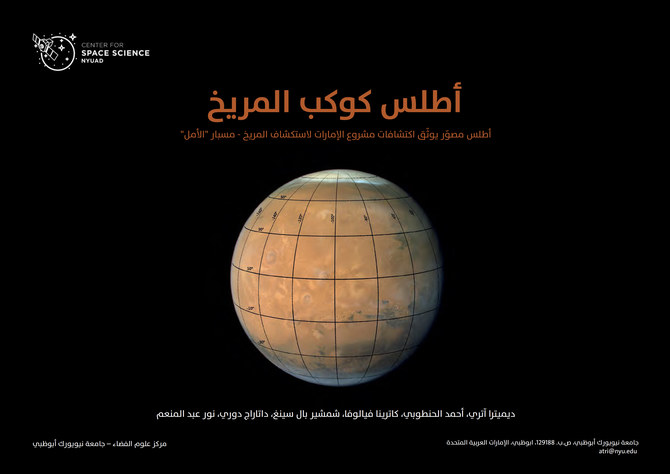
NYU Abu Dhabi research scientist Dr. Dimitra Atri has produced the world’s first ever Mars atlas in Arabic, Emirates News Agency reported.

The atlas uses data from the UAE’s Emirates Mars Mission (EMM) — also known as Hope or Al-Amal — in order to make the findings of the probe more accessible to both the UAE’s Arabic-speaking population and the rest of the world.

The Mars Atlas Project combines various images from the Hope probe to map the planet’s surface.

The end result is a comprehensive view of Mars and stunning images of a planet that once had similar atmospheric conditions to Earth.

Dimitra Atri used data from UAE’s Hope probe to map the red planet.

Atri and his team compiled the atlas by processing observational data from EMM’s Emirates eXploration Imager, one of three instruments onboard the orbiter. The device will also assist the team in showing how the planet changes over the course of one Mars year, which is roughly equivalent to two Earth years.

As more data from the Hope probe becomes available, the atlas will be gradually updated.

The data will help scientists gain a better understanding of the planet’s atmospheric thinning, which has caused it to cool and dry over the last 4 billion years.

Atri predicts that the collected data will be used to answer unsolved scientific questions about the erosion of Mars’ atmosphere.

The findings could help the international scientific community to better understand Earth’s atmospheric processes, he said.

source/content: arabnews.com (headline edited)

____________

______________________________________________

ABU DHABI, UNITED ARAB EMIRATES (U.A.E)

LEBANON: Google Doodle Honours Lebanese Doctor Saniya Habboub

Medical pioneer was one of the first women from the country to study abroad.

The life of doctor Saniya Habboub is being celebrated by Google’s Doodle on Friday, commemorating her graduation from medical school on June 10, 1931.

Born in 1901 to a Lebanese leather merchant and Turkish mother, Habboub was one of the first female doctors from Lebanon to study medicine abroad, in the US.

When she returned to Beirut she opened her own practice, inspiring other Lebanese girls and women to get an education of their own, according to Google’s description.

In 1926, Habboub was one of the first three students to graduate from the American Junior College for Women in Beirut, going on to study at the American University of Beirut.

In 1931, she received her degree in gynaecology and obstetrics from the Women’s Medical College in Pennsylvania and, in gratitude, left future students with a scholarship in her name.

She started her own practice two years later, in Bab Idriss, and went on to co-found the Lebanese Red Cross Association, as well as served as a board member for the Muslim Orphan’s Home, the Young Women’s Muslim Association and Maqassed Hospital.

In 1982, in honour of her devotion to medical services, the Lebanese government awarded her with a Health Medal of Merit, and there’s even a street in Beirut named after her.

Habboub died aged 82 in September 1983.

“Dr Saniya was an inspiring figure who paved the way for future generations of women to come,” Google says.

Dr William Stoltzfus, former president of Beirut University College, described her life as a “get-started signal” for the professional lives of many Arab women, according to AlRaida, the bi-annual journal published by the Arab Institute for Women.

The Doodle can be seen on devices across the Middle East and North Africa.

source/content: thenationalnews.com

___________

Dr Saniya Habboub died in 1983 aged 82. Photo: Public Domain

Google Doodle of Dr Saniya Habboub. Photo: Google

____________

LEBANON

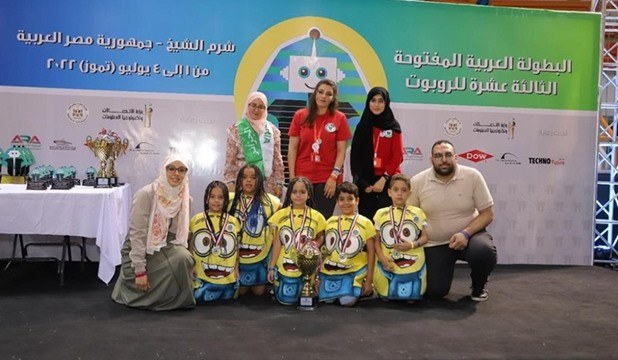
Egypt Wins First Position with 7 Trophies in the ‘2022 Arab Open Robotics Championship’

Egypt has finished in first place at the 2022 Arab Open Robotics Championship held in Sharm El Sheikh on Monday.

Since 2008, the Arab Open Robotics Championship has been the largest regional robotics tournament held in the Arab world.

The tournament was organized by the Ministries of Youth and Sports, Communications and Information Technology, Bibliotheca Alexandrina, and the Egyptian Federation of Electronic Games.

The tournament included over 650 students ranging in age from four years to the end of the university stage.

The participants represented 136 teams from 12 Arab countries: Egypt, Kuwait, the UAE, Oman, Yemen, Qatar, Jordan, Tunisia, Morocco, Algeria, Iraq, and Libya.

The Arab Robotics Association accredited 100 juries to judge the tournament’s nine robot competitions.

Egypt came first, winning seven trophies. Jordan finished second with two trophies, followed by Iraq, Libya and Qatar in third place.

In addition, the tournament hosted a lively forum for Arab youth on the sidelines.

source/content: arabnews.com

_________

Egypt placed first in 2022 Arab Open Robotics Championship, winning seven trophies. (Source: Egypt State Information Service)

_________

EGYPT

Yemeni Engineer Hashem Al-Ghaili Unveils Nuclear-Powered Flying Hotel that can Accommodate 5,000 Guests

The structure could remain airborne for years at a time.

Yemeni engineer Hashem Al-Ghaili has unveiled his vision for the future of travel, and it wouldn’t look out of place in a film about the apocalypse.

Al-Ghaili posted a video on YouTube proposing a giant nuclear-powered sky hotel named Sky Cruise, which could accommodate 5,000 passengers. Like an enormous, winged, futuristic-looking cruise liner, it would be fuelled by 20 electric engines, with a small nuclear reactor using “highly controlled fusion reaction to provide the sky hotel with unlimited energy”.

As such, the hotel would never run out of power and could remain suspended in the air for several years, “without ever touching the ground”. Both supplies and passengers would be delivered to the hotel via traditional commercial jets. All maintenance and repairs would also be conducted mid-air.

Suspended high above the clouds, the sky hotel would feature a large “panoramic hall”, offering 360-degree views of the skies. A lift would connect this space to the main entertainment deck, which would be home to shopping malls, sports centres, swimming pools, restaurants, bars, children’s playgrounds, theatres and cinemas. A separate section of the airborne hotel would be dedicated to events and business meetings, as well as wedding halls.

Incorporated into the design are balconies and viewing domes attached to each side of the structure, where guests could indulge in some high-level stargazing. “Its sleek design combines the features of a commercial plane, while offering the epitome of luxury,” Al-Ghaili’s video explains.

Sky Cruise would also eliminate disturbance from turbulence, with its navigation systems featuring a state-of-the-art command deck that uses artificial intelligence to predict turbulence minutes before it happens. The system would respond by creating anti-vibrations.

The hotel would also be home to an advanced medical facility to keep guests “safe, healthy and fit”.

The concept was originally created by Tony Holmsten and then reimagined and animated by Al-Ghaili. But it has been greeted with scepticism by commentators: “If physics and aerodynamics didn’t exist, then this vessel might actually be able to take off,” wrote one YouTube user.“

Hashem Al-Ghaili is a Yemeni molecular biotechnologist,  science communicator, director and producer. He is best known for his infographics and videos about scientific breakthroughs.

source/content: thenationalnews.com (edited)

___________

YouTube.com

___________

YEMEN

June 22nd – World Camel Day. Inside the Saudi vet hospital the size of Buckingham Palace making it the World’s Largest Hospital for Camels

 Al Salam Veterinary Hospital’s main business will be breeding a new generation of humped superstars.

A version of this article was first published in September 2020

Saudi Arabia is already known as a destination for camel beauty pageants. Now, it wants to be known for camel healthcare, too.

The country opened the world’s largest camel hospital in July 2020 and photographs show what daily life is like inside.

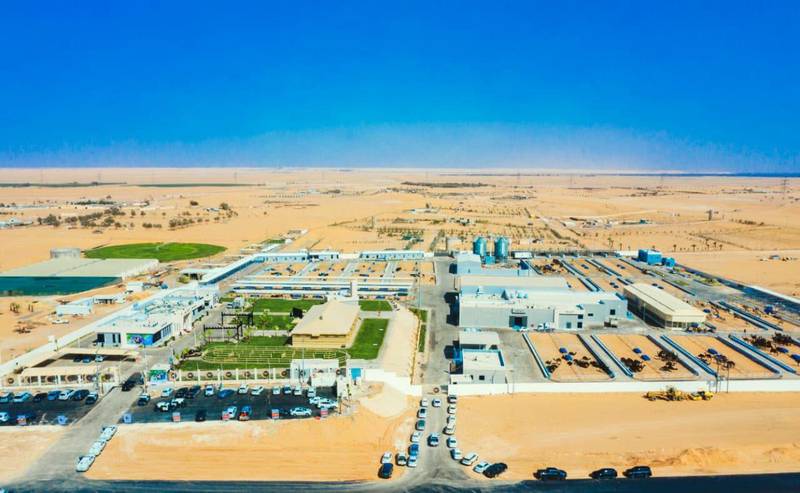
At 70,000 square metres, Al Salam Veterinary Hospital is about the size of Buckingham Palace and a little smaller than the island of Alcatraz.

The centre cost more than Dh134 million but camel racing and pageantry are sports for princes and sheikhs in which a single camel can fetch Dh10 million at the height of pageantry season.

The hospital lies in the interior Qassim region between Madinah and Riyadh, at the site of one of the world’s largest camel markets, and will serve camel owners in Kuwait and northern Saudi Arabia.

video

The nearest comparable clinics are about 1,000 kilometres away in other Gulf states. Travelling hundreds of kilometres and crossing borders is part of the racing and pageantry lifestyle but the coronavirus pandemic has made this impossible, even as local competitions continue.

Al Salam Veterinary Hospital can treat 144 camels, has stables for 400 racing camels and will employ up to 300 staff ready to meet a camel’s every need, from surgery to accommodation and blood testing.

Camels can be treated for infectious disease, injuries and chronic illness at the hospital, but its main business will be fertilisation.

The hospital has already conducted more than 500 embryo transfers, resulting in 350 successful pregnancies.

Vets plan to transfer 2,500 embryos next season, an ambitious amount by camel-breeding standards.

Embryo transfer has led to some of the biggest names in the world of camel racing.

A camel pregnancy lasts two years, which previously meant female racers could produce a few offspring only after retiring from the racetrack.

The advancement of camel surrogacy has meant prized female racers can now pass winning genes on to dozens of calves in one year.

This has transformed the world of racing and made some she-camels as renowned as studs.

Al Samha, from Abu Dhabi, is one such cow known for her prolific progeny.

The best-known breeding centres, such as the Advanced Scientific Group in Abu Dhabi, attract pedigree champs from around the Gulf.

Scientific advances continue to be made in camel fertilisation and breeding programmes.

The camel’s adaptation to the desert has led to a unique set of challenges in artificial insemination .

The animal is so good at conserving water that it produces only 3ml to 8ml of gel-like semen, a fraction compared with that of similarly sized animals such as horses. It freezes poorly.

It was only in 2018 that the first calves were born to females fertilised by frozen semen at Dubai Camel Breeding Centre.

Similar scientific breakthroughs at the Saudi hospital could change the very shape and size of future camels.

source/content: thenationalnews.com (headline edited)

__________

The new hospital has room for 4,000 camels.

_________________

SAUDI ARABIA

US-Iraqi TV Star Alia Shawkat Pushes for New Narratives

If you never realized that Alia Shawkat has Arab heritage, there’s a reason for that: The Iraqi-American actress — who has been stealing pretty much every scene she has appeared in since 1999, when she was 10 years old — rose to fame at a time when Hollywood was much less receptive to non-white identities.

Now, though, the 33-year-old star is entering the next phase of her career, one in which her heritage will be front and center.

“It’s interesting, because when I started acting, I always had to say I was half-whatever the role was. I would say I was half-Spanish, or half-French, just trying to blend in. I was always seen as ‘too ethnic’ when I was young,” Shawkat tells Arab News. “Now my ethnicity is a strength, because the conversation is shifting. It’s funny to watch actors actually talk about where they’re coming from, or playing roles that they’re actually connected to, when I grew up having to basically hide it.”

Not that it ever slowed Shawkat down. While she is perhaps still best-known for playing Maeby Fünke on the acclaimed cult comedy “Arrested Development,” which also reinvigorated or launched the careers of Jason Bateman, Will Arnett, Michael Cera and Tony Hale, she has been an inimitable presence across dozens of acclaimed independent films, before becoming the star and a key creative voice in the series “Search Party” (2016-2022), a pitch-black comedy and noir crime drama hybrid that defines Shawkat’s unique spirit better than anything has thus far.

She didn’t have to search too hard to find inspiration for the show. “My father is Middle Eastern, and he owns a club in Palm Springs. So that’s the show,” she deadpanned to the New Yorker last fall.

While “Desert People” will tackle that by putting Arab characters at its center, Shawkat took “The Old Man” in part because of the way that it, too, dives into righting some of the wrongs that were committed in the post-9/11 landscape.

source / content: arabnews.com (edited)

_________

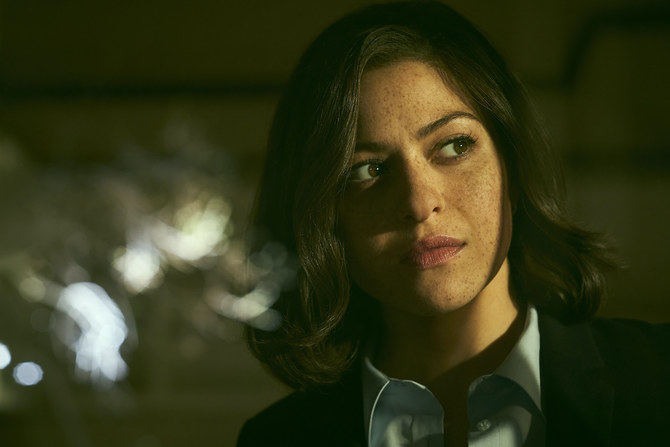
Alia Shawkat in ‘The Old Man.’ (FX)

_____________________

AMERICAN / IRAQI

Tunisian Start-Up ‘Kumulus Water’ Innovates, Creating a Drinking Water-Technology from Air. Collaborates with the NGO ‘WallahWeCan’ to Provide 570 School Students with Drinking Water from Thin Air

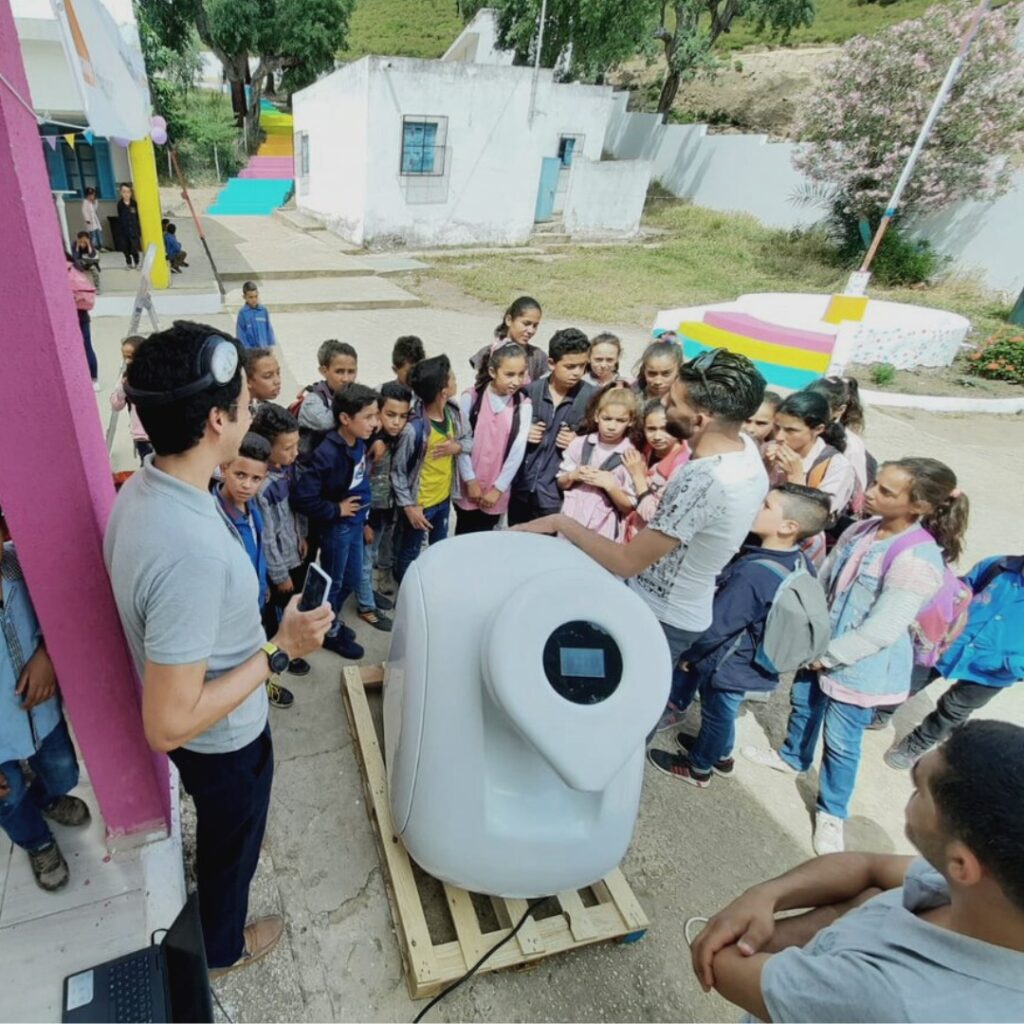
Tunisian start-up “Kumulus Water” has provided assistance to a school deprived of drinking water in Makhtar in the region of Siliana (north-west of Tunisia) through a technical solution “Kumulus 1”, designed to generate water from the ambient air.

It came to support its expertise in water technology, the efforts of the Tunisian NGO “WallahWeCan”, which campaigns for the improvement of living conditions of students in schools and educational environments in Tunisia, especially in disadvantaged areas.

Thanks to atmospheric water generators, each producing 20 to 30 litres of healthy drinking water per day, 570 students of the chosen school will now be able to benefit from a regular supply of drinking water.

Technically, the atmospheric water generator is a device designed to produce water from the ambient air. It sucks in the air and dusts it, then dehumidifies it by lowering its temperature to the dew point to create condensation. The condensed water in the machine then passes through four filters to remove impurities.

The smart machine can fit into a 1m3 cube and can be equipped with a solar pack, making it fully autonomous and independent, the startup says. “It offers mobile control options via a dashboard and an app designed by the six-person team at startup Kumulus Water. It also offers features that ensure water is delivered sustainably and economically,” its creators explain.

According to Kumulus Water, co-founded and led by Iheb Triki, there is 6 times more water in the air than in rivers. This water can be extracted by cooling the air below its dew point and exposing it to moisture absorbers or pressurizing it to make the water drinkable.

Kumulus was also installed at the Bayadha school (Delegation of Ghar Dimaou in the governorate of Jendouba).

According to Regional Commissioner of Education Rim Maaroufi, this is a project developed by a young Tunisian engineer and funded by the Orange Foundation in cooperation with the association “a child, smiles”.

In a statement to TAP, Maaroufi said that Bayadha School, where the Kumulus was installed, suffers from a lack of drinking water due to a lack of connection with the distribution network. Water tanks were installed in advance to provide drinking water to the students and teachers. The machine produces about 20 to 30 litres of drinking water per day.

In Tunisia as in many other countries in the world, access to drinking water is one of the most imminent threats facing humanity. According to the WHO, out of 7 billion people, 2.1 billion do not have satisfactory access to drinking water. The demand for water will increase further with the population growth and the increase in living standards.

In 2021, the co-founder of the Tunisian start-up Iheb Triki was selected by the prestigious Choiseul Institute as one of the 100 Young African Leaders.

Also, the start-up has been selected as the second-best impact investment opportunity in the prestigious competition (MBA Impact Investing Network & Training) “Turner MIINT 2022”.

The young Tunisian company managed to snatch second place among 40 start-ups from the best American business schools, having participated in the global competition Turner MIINT.

TunisianMonitorOnline.com (NejiMed) (edited)

__________

___________

TUNISIA

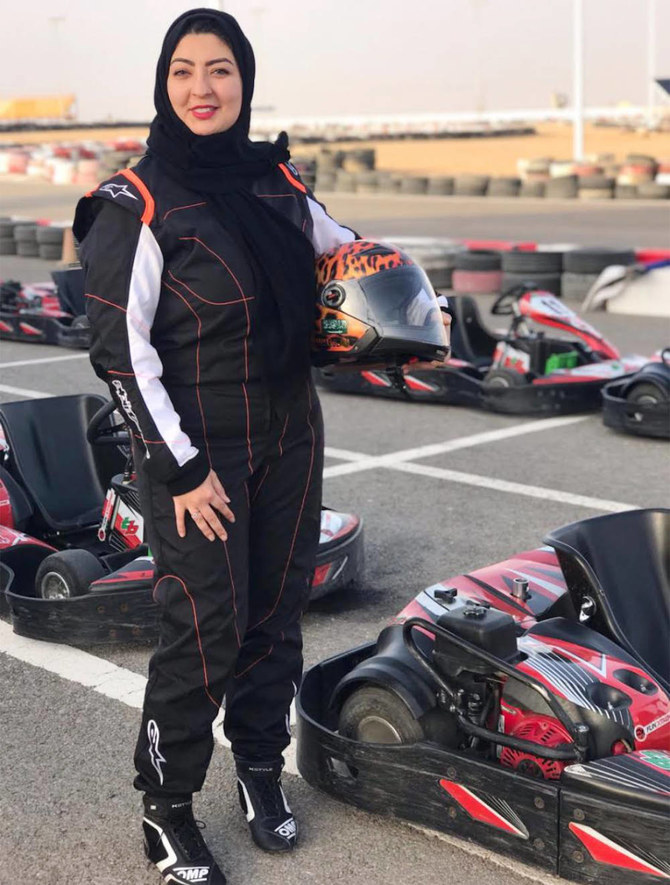
Biomedical Engineer Afnan Almarglani becomes First Saudi Woman to Obtain Autocross Trainer License

After a number of years of competing in various local autocross competitions, Afnan Almarglani recently became the first Saudi woman to hold an autocross and safe driving skills trainer license.

Her journey in the sport began when her motor sports-mad brother brought home a brand new PlayStation when they were growing up. The two competed in video games such as Gran Turismo 3, a racing title.

“From when I was young, I used to see my older brother Fahd interested in sports cars, modifying them and buying car parts from abroad. We used to race with each other in video games. I was so fascinated by cars, by the shape of the cars, the sound of engines and how they were driven incredibly fast. I played the game every day until it got to the point that I couldn’t beat my own fastest lap times,” she said.

Almarglani works in biomedical engineering. She previously took part in the first women’s race in Saudi Arabia during time off from her work at a project management office at the Ministry of Health.

Her blending of roles as a biomedical engineer and racer makes her unique, and her talent in both careers has allowed her to take opportunities that most women do not have.

Almarglani, who holds a master’s degree in biomedical engineering from a US university, told Arab News that her love and passion led her to work with sports cars, and that she chose to enter the field to gain experience.

“Alhamdulillah, we live in a great country with the decision to allow women to drive. So, I participated in the first women’s autocross championship and won second place in the qualifying round,” she added.

After her first foray into the sport, Almarglani took part in various local autocross championships held in Riyadh, Jeddah and Alkhobar. “After gaining experience and skills, I moved to a higher level in the autocross racing, which enabled me to take part in the Toyota Autocross Championship in Alkhobar, and I was able to win the best time in the women’s category.”

She also competed in the Speed ​​Madness (Autocross) Championship in Riyadh’s Dirab Park, placing first.

The other biggest challenge for Almarglani is finding sponsorship opportunities. “Motor sports is an expensive sport and finding a sponsor is very difficult, so to maintain that training and to have a good team, and a good car, requires a lot of investment and you need both if you want to do well. The way to find sponsorship is through exposure and by winning races,” she said.

Almarglani is often asked how her parents feel about the dangers of her sport. She said: “Of course, at first, they were concerned about me, especially that motor sports has risks, so the level of safety in it is high, and it is expensive in terms of preparing the driver and the car. After I explained to my family all the means of protection and safety, and after they observed my passion and happiness after each race, they supported me and told me to continue, and they were always in the first ranks to encourage me.”

Recently, the official account of the Saudi Automobile and Motorcycle Federation, via Twitter, congratulated Almarglani for obtaining a training license.

Almarglani’s goal is to support every woman who wants to enter motor sports and to build a professional women’s motor sports team to represent Saudi Arabia in the world championships. “To achieve this goal, I hope there will be sponsorships offered to me as well as other Saudi female drivers in order to participate locally and regionally, to represent our beloved country.”

source/content: arabnews.com (edited)

__________

_________________

SAUDI ARABIA