Arabs & Arabian Records Aggregator. Chronicler. Milestones of the 25 Countries of the Arabic Speaking World (official / co-official). AGCC. MENA. Global. Ist's to Top 10's. Records. Read & Enjoy./ www.arabianrecords.org
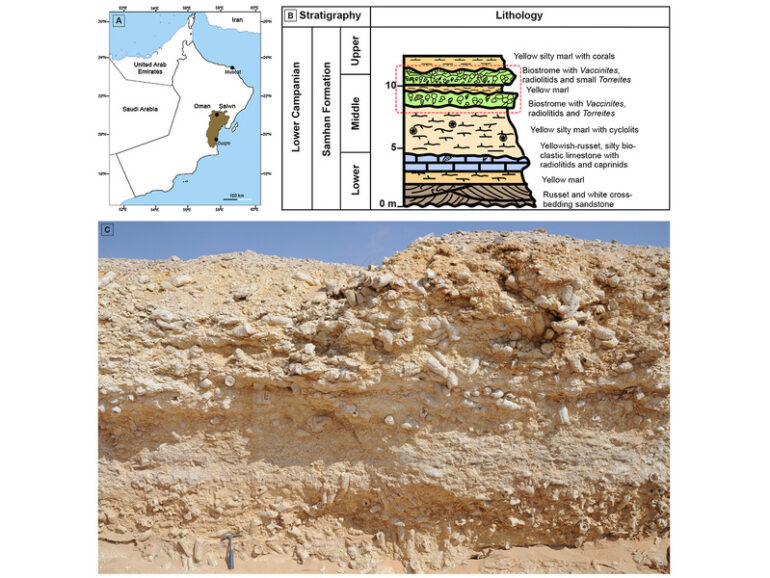
In a significant step for Oman’s research sector, Eng Najat al Fadhili of the Industrial Innovation Academy has contributed to an international peer-reviewed study examining the effects of environmental changes on ancient marine organisms.
The study, published on the European Geosciences Union (EGU) platform, was conducted in collaboration with Vrije Universiteit Brussel, Utrecht University, and Friedrich-Alexander University of Erlangen-Nuremberg.
Researchers analysed marine species dating back more than 60 million years to understand their response to climate shifts over geological time. Fieldwork was carried out at the Saiwan geological site in Al Wusta, internationally recognised for its scientific importance.
The project aligns with national efforts to strengthen the research ecosystem and support the objectives of Oman Vision 2040, particularly in innovation and sustainability.
According to the Industrial Innovation Academy, the study contributes critical insights into the long-term impact of climate change on marine ecosystems. It also demonstrates Oman’s capacity to support advanced research through local expertise in geosciences and climate science.
Such initiatives are seen as strategic to enhancing scientific output, informing sustainable resource management, and reinforcing Oman’s role as a regional player in environmental research.
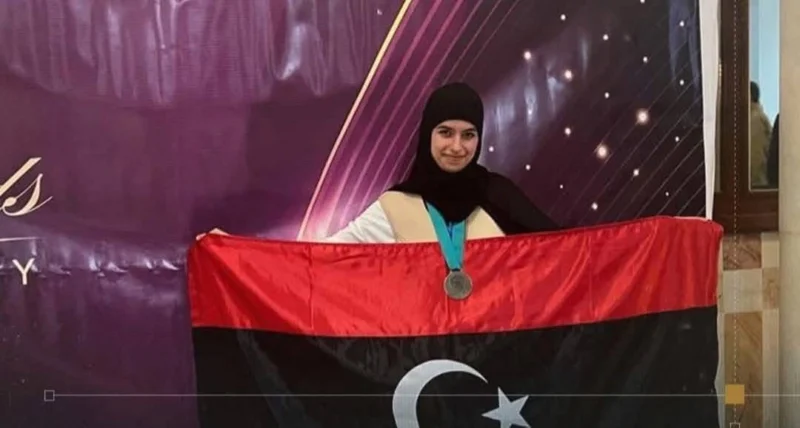
A young Libyan scientist has secured a bronze medal at the International Festival of Science and Technology (I-FEST) 2025 in Tunisia after developing a patented natural antibiotic.
Halima Al-Khazali, 18, from Bayda, claimed third place among 800 international competitors for her invention of an antibiotic derived from wormwood and other herbs. Her achievement adds to Libya’s growing reputation in scientific innovation.
The breakthrough came after five months of rigorous research into a traditional Libyan remedy for dental infections, culminating in Al-Khazali obtaining a patent for her discovery.
This latest success follows her previous gold medal at the Bosnia and Herzegovina Science Olympiad (BOSEPO) 2025, where she finished first among 300 participants.
Al-Khazali’s accomplishments highlight both her exceptional scientific talent and Libya’s potential contributions to global scientific research, making her an inspirational figure for young people across Libya and the broader Arab world.
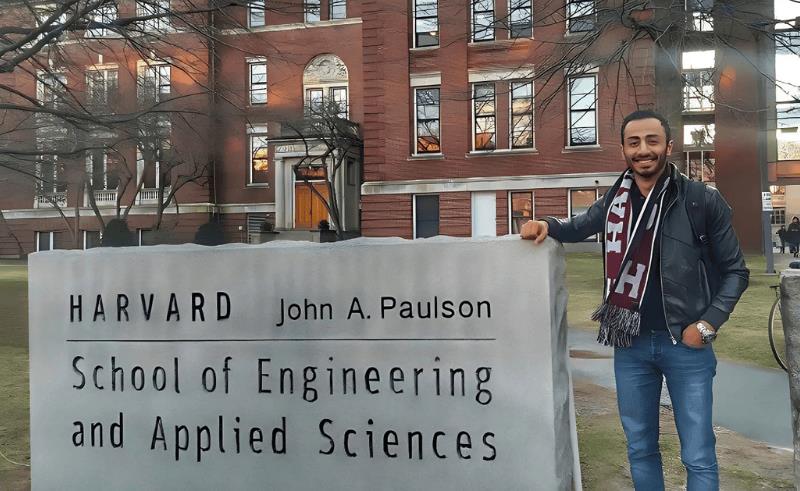
Egyptian physicist Kerolos Mousa played a role in a Harvard breakthrough using metasurfaces to control light at the photon level, which may pave the way for major advances in quantum technologies.
Kerolos Mousa, an Egyptian PhD student who hails from Minya, has contributed to a breakthrough in quantum physics at Harvard University, where a team of physicists developed a device capable of controlling the shape and path of individual photons with unprecedented precision.
The innovation is based on metasurface technology, engineered materials that can manipulate electromagnetic waves, and represents a major advancement in the way light is handled within miniature optical environments. Mousa led efforts to design the nanostructures critical to regulating photon behaviour.
The research, conducted at Harvard’s Applied Physics Lab and supported by leading US scientific institutions, was published in Nature, a top US science journal, and Science, a leading British publications. It was also featured on the university’s official channels.
The advancement is hoped to significantly impact fields such as quantum communication, quantum computing, and the development of next-generation smart optical devices.
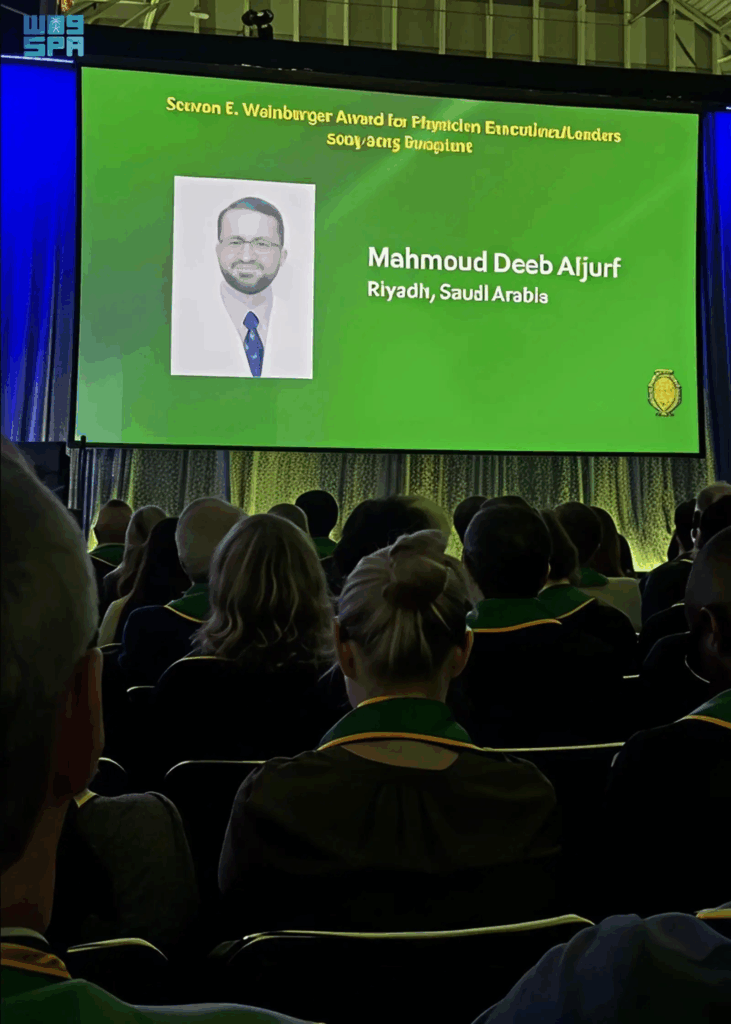
Director of the Adult Stem Cell Transplantation and Cellular Therapy Program at the King Faisal Specialist Hospital & Research Centre (KFSHRC) Dr. Mahmoud Aljurf, M.D., MACP, has been awarded the Steven E. Weinberger Award for Physician Executives/Leaders by the American College of Physicians (ACP), the largest medical specialty organization in the US.
According to a recent KFSHRC press release, Dr. Aljurf is the first recipient from outside the United States, underscoring his global impact on hematopoietic stem cell transplantation and oncology. He was honored at the ACP Convocation Ceremony held at the Ernest N. Morial Convention Center in New Orleans, Louisiana, during ACP’s Internal Medicine Meeting 2025.
At KFSHRC, Dr. Aljurf has played a key role in developing one of the world’s largest and most recognized hematopoietic stem cell transplantation programs, significantly improving treatment options for patients with hematologic malignancies. His leadership has helped expand access to novel transplant therapies and elevate global standards in hematology and oncology.
In addition to his clinical contributions, Dr. Aljurf is widely recognized for his research and editorial leadership. He served as the editor-in-chief of the Annals of Saudi Medicine.
He was the founding editor-in-chief of the Elsevier Journal of Hematology/Oncology and Stem Cell Therapy.
Currently, He serves as an editorial board member of several high-impact field-related scientific journals, including his role on the international advisory board of The Lancet Hematology. He has published nearly 500 scientific contributions in high-impact journals. He has also served as the editor of five books, primarily focused on building units and programs for cancer care and hematopoietic stem cell transplantation.
His contribution to bone marrow, hematopoietic stem cell transplantation, and cellular therapy was recognized by his election as the Worldwide Network for Blood and Marrow Transplantation (WBMT) president in 2023. He is the founding member and scientific director of the Eastern Mediterranean Blood and Marrow Transplantation (EMBMT) Group, affiliated with the World Health Organization’s Eastern Mediterranean Regional Office (WHO/EMRO).
The release also highlighted that Dr. Aljurf was the recipient of several international awards, including the Florence A. Carter Leukemia Research Award of the American Medical Association (AMA) Education and Research Foundation, the Center for International Blood and Marrow Transplant Research (CIBMTR) Annual Distinguished Service Award, the King Hussein Cancer Foundation Lifetime Achievement Award, and the Lifetime Achievement Award from the Research Development and Innovation Authority (RDIA).
His team’s research benefits industries such as automotive, power grids, satellites, military, and healthcare.
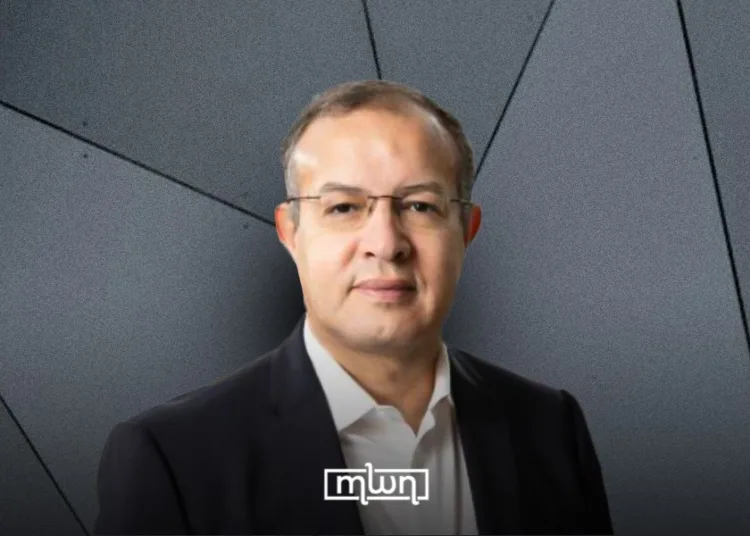
Khalil Amine, a Moroccan materials scientist, has been elected to the National Academy of Engineering of the United States for his contributions to battery and energy storage technologies.
The recognition comes for his leadership in the field of materials science, specifically in the development of batteries and energy storage devices.
Amine, who also serves as a professor at the University of Chicago, is among 128 members and 22 international members inducted into the NAE class of 2025.
“I am very delighted to be selected as a member of the National Academy of Engineering,” said Amine. “This is a recognition not only for me, but also for all my co-workers and collaborators around the world, as well as Argonne, which has provided an unmatched, state-of-the-art capability to do excellent work.”
Amine leads the Advanced Battery Technology team at Argonne, where his research focuses on the development of advanced chemistries, materials, and battery systems. His team’s work spans several industries, including automotive, power grids, satellites, military, and medical applications.
A key focus of Amine’s research is the creation of new cathodes, anodes, solid-state electrolytes, and additives for lithium-ion batteries, as well as exploring “beyond-lithium” batteries that use alternative chemistries for energy storage.
Amine’s significant contributions to the field of battery technology have made him a leading figure in materials science. He holds more than 200 patents or patent applications in the field, and he was for 23 years the most cited scientist in battery technology globally.
His accomplishments have earned him numerous accolades, including the prestigious Global Energy Prize in 2019. Amine is also a member of several prestigious scientific organizations, including the National Academy of Inventors, the European Academy of Sciences, and the Electrochemical Society, among others.
Born in Morocco, Amine earned degrees in chemistry and materials science from the University of Bordeaux. After his academic training, he joined Argonne in 1998, bringing with him experience gained from research positions in Belgium and Japan.
His innovative work has played a pivotal role in advancing energy storage technologies that have far-reaching applications in today’s technological landscape.
The National Academy of Engineering, founded in 1964, provides independent analysis and advice on engineering matters, offering leadership and insight into complex global challenges. Amine, along with other members of the NAE class of 2025, will be formally inducted at the Academy’s annual meeting in October.
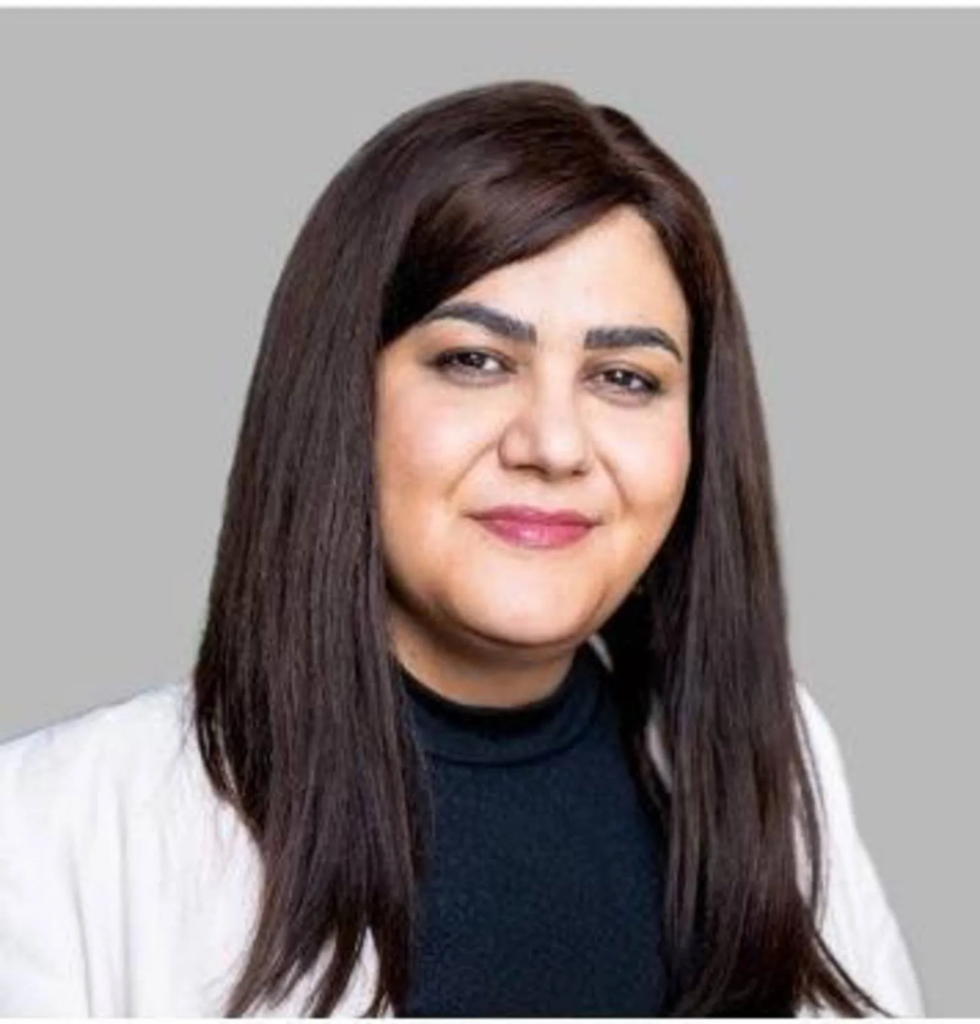
Lebanese Professor Niveen Mohammad Ali Khashab won the Great Arab Minds Award-2023 in Natural Sciences, for her contributions in chemistry, bioengineering and biology.
Her research interests focus on applications of programmable, intelligent, engineered nanomaterials and their uses for medical, pharmaceutical, industrial and environmental purposes. Sheikh Mohammed bin Rashid Al Maktoum, vice president, prime minister and ruler of Dubai, said that scientific and cognitive curiosity has been the base of nations’ cultural development throughout history.
The winning announcement was made by Sheikh Mohammed bin Rashid Al Maktoum. Prof. Niveen Khashab is associate dean of Physical Sciences and Engineering Division and Professor of Chemistry at KAUST – Kingdom of Saudi Arabia, given her pioneering contributions in the field of natural sciences and her research in Arab universities.
“Today we announce the winner of the Arab Minds Award in natural sciences, Professor Nevin Khashab, a researcher and academic who inspires a new generation of young scientists in the Arab world and transforms research into advanced innovations in medicine, advanced industries, nanotechnology and sustainable agriculture,” said the Ruler of Dubai.
“Scientific achievement is the basis of civilizational development. We want to preserve scientists, empower them, honor them, celebrate their achievements and provide them with the space they need to transform their ideas and research into reality. Resuming the region’s contribution to human civilization is a comprehensive project and a strategic commitment that focuses on the Arab citizen capable of achievement, creativity and excellence in science and knowledge,” he added.
Khashab is exploring the new opportunities that nano capsules and devices can provide in drugs, gene therapies, medical diagnosis and industries, given their sturdiness, durability and superior thermal resistance.
Khashab is currently experimenting with carbon nanotubes characterized with their exceptional rigidity and strength, as well as electronic properties. She is also testing applications of carbon tubes in smart membranes. Khashab also collaborated on designing smart materials used in biomedical systems based on molecule assemblies at the nanoscale using non-covalent interactions.
The applications of the scientific innovations and smart materials developed by Khashab are diverse, including medical in the fields of sensing and drug, therapeutic and surgical delivery; industrial as in nanocomposites and others; and environmental in sustainable agriculture solutions and platforms.
Mohammad Al Gergawi, chairman of the Committee leading Great Arab Minds, congratulated Khashab on the phone, hailing her contributions in natural sciences and its pioneering research that opened new horizons in the uses of ultra-fine nanomaterials for medical and pharmaceutical purposes and advanced technology applications.
The initiative aims to promote the reverse migration of Arab minds and keep them in the Arab world by celebrating, honoring and highlighting their achievements.
The competition received thousands of nominations in its six categories: engineering and technology, medicine, economics, literature and natural sciences, arts, architecture, and design.
The Great Arab Minds Awards’ winners announced so far are: Dr. Hani Negm from Saudi Arabia in Medicine, Professor Fadel Adib from Lebanon in Engineering and Technology, Dr. Muhammad el-Erian in economics, and Professor Niveen Khashab in natural sciences. The winners in the two remaining categories will be announced later.
Imagine owning a camera so powerful it can take freeze-frame photographs of a moving electron – an object traveling so fast it could circle the Earth many times in a matter of a second. Researchers at the University of Arizona have developed the world’s fastest electron microscope that can do just that.
They believe their work will lead to groundbreaking advancements in physics, chemistry, bioengineering, materials sciences and more.
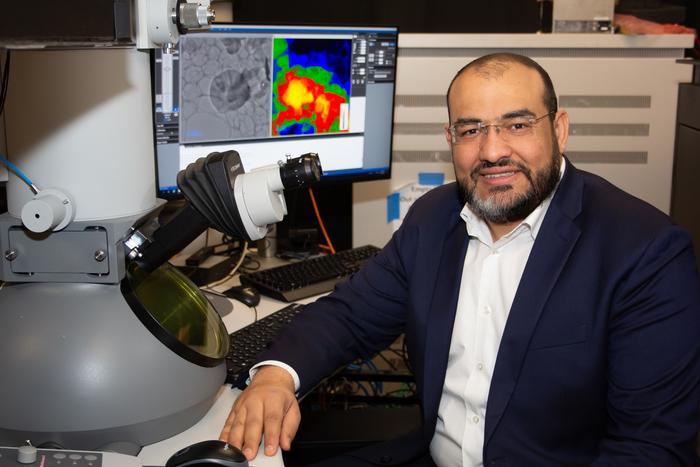
“When you get the latest version of a smartphone, it comes with a better camera,” said Mohammed Hassan, associate professor of physics and optical sciences. “This transmission electron microscope is like a very powerful camera in the latest version of smart phones; it allows us to take pictures of things we were not able to see before – like electrons. With this microscope, we hope the scientific community can understand the quantum physics behind how an electron behaves and how an electron moves.”
Hassan led a team of researchers in the departments of physics and optical sciences that published the research article “Attosecond electron microscopy and diffraction” in the Science Advances journal. Hassan worked alongside Nikolay Golubev, assistant professor of physics; Dandan Hui, co-lead author and former research associate in optics and physics who now works at the Xi’an Institute of Optics and Precision Mechanics, Chinese Academy of Sciences; Husain Alqattan, co-lead author, U of A alumnus and assistant professor of physics at Kuwait University; and Mohamed Sennary, a graduate student studying optics and physics.
A transmission electron microscope is a tool used by scientists and researchers to magnify objects up to millions of times their actual size in order to see details too small for a traditional light microscope to detect. Instead of using visible light, a transmission electron microscope directs beams of electrons through whatever sample is being studied. The interaction between the electrons and the sample is captured by lenses and detected by a camera sensor in order to generate detailed images of the sample.
Ultrafast electron microscopes using these principles were first developed in the 2000’s and use a laser to generate pulsed beams of electrons. This technique greatly increases a microscope’s temporal resolution – its ability to measure and observe changes in a sample over time. In these ultrafast microscopes, instead of relying on the speed of a camera’s shutter to dictate image quality, the resolution of a transmission electron microscope is determined by the duration of electron pulses.
The faster the pulse, the better the image.
Ultrafast electron microscopes previously operated by emitting a train of electron pulses at speeds of a few attoseconds. An attosecond is one quintillionth of a second. Pulses at these speeds create a series of images, like frames in a movie – but scientists were still missing the reactions and changes in an electron that takes place in between those frames as it evolves in real time. In order to see an electron frozen in place, U of A researchers, for the first time, generated a single attosecond electron pulse, which is as fast as electrons moves, thereby enhancing the microscope’s temporal resolution, like a high-speed camera capturing movements that would otherwise be invisible.
Hassan and his colleagues based their work on the Nobel Prize-winning accomplishments of Pierre Agostini, Ferenc Krausz and Anne L’Huilliere, who won the Novel Prize in Physics in 2023 after generating the first extreme ultraviolet radiation pulse so short it could be measured in attoseconds.
Using that work as a steppingstone, U of A researchers developed a microscope in which a powerful laser is split and converted into two parts – a very fast electron pulse and two ultra-short light pulses. The first light pulse, known as the pump pulse, feeds energy into a sample and causes electrons to move or undergo other rapid changes. The second light pulse, also called the “optical gating pulse” acts like a gate by creating a brief window of time in which the gated, single attosecond electron pulse is generated. The speed of the gating pulse therefore dictates the resolution of the image. By carefully synchronizing the two pulses, researchers control when the electron pulses probe the sample to observe ultrafast processes at the atomic level.
“The improvement of the temporal resolution inside of electron microscopes has been long anticipated and the focus of many research groups – because we all want to see the electron motion,” Hassan said. “These movements happen in attoseconds. But now, for the first time, we are able to attain attosecond temporal resolution with our electron transmission microscope – and we coined it ‘attomicroscopy.’ For the first time, we can see pieces of the electron in motion.”
source/content: eurekaalert.org / University of Arizona / (headline edited)
_________
Mohammed Hassan, associate professor of physics and optical sciences, let a group of researchers in developing the first transmission electron microscope powerful enough to capture images of electrons in motion.
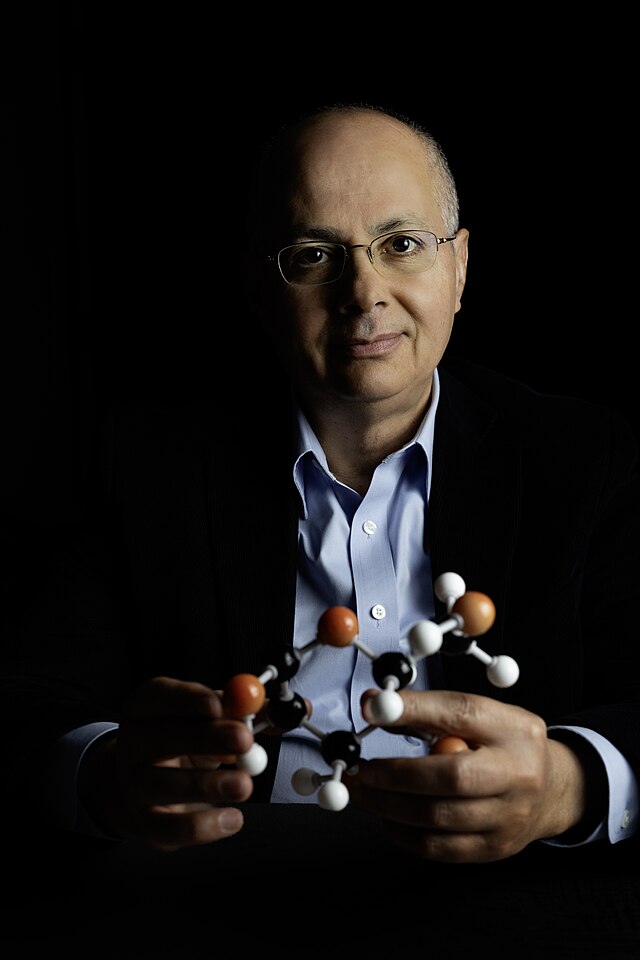
Jordanian academic Omar Yaghi, a chemistry professor at the University of California, Berkeley, has been awarded the 2024 Arab Genius Minds Award in the Natural Sciences category for his pioneering work in reticular chemistry.
Yaghi is celebrated for his transformative innovations in designing and synthesising metal-organic frameworks (MOFs) and covalent organic frameworks (COFs), the Jordan News Agency, Petra, reported.
These frameworks address critical global challenges in energy storage, water harvesting, and environmental sustainability.
His research portfolio includes over 300 peer-reviewed papers, which have collectively garnered more than 250,000 citations, underscoring the “far-reaching” impact of his work.
Since 2012, Yaghi has held the James and Neeltje Tretter Chair in Chemistry at UC Berkeley.
His contributions to reticular chemistry have “revolutionised” the ability to assemble molecular building blocks into highly porous structures with applications in gas storage, catalysis, and drug delivery, among others, yielding significant economic and environmental advancements.
The Arab Genius Minds Award, launched by Sheikh Mohammed Bin Rashid Al Maktoum, Vice President and Prime Minister of the UAE and Ruler of Dubai, honours achievements by Arab scientists and innovators across six key categories essential for the region’s developmental and cultural progress.
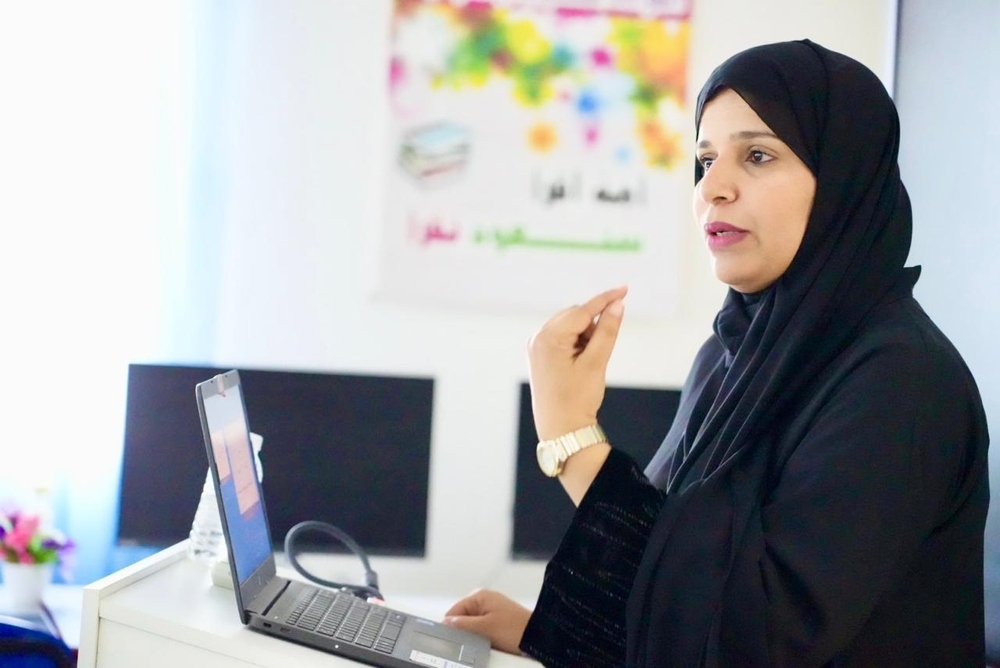
The Arab League Educational, Cultural and Scientific Organization (ALECSO) announced that Omani researcher Dr. Huda Mubarak Al Dai’ree won the “ALECSO Innovation Award for Young Researchers” due to her active role in promoting green economy.
The research that won the award was titled “Role of government school principals and teachers in endorsing green economy in education and activating it as one of the objectives of Oman Vision 2024.”
The award reflects ALECSO’s keenness on inspiring and supporting innovative Arab researchers who excel in the fields of technology and scientific applications. The award is an initiative undertaken by ALECSO to spread the culture of research and innovation among Arab youth.
When Dr. Myriam Khalfallah arrived in Vancouver from Tunisia in 2013, she had just earned a bachelor’s degree as an agronomic engineer specializing in fisheries and environment at the National Agronomic Institute of Tunisia (INAT), the University of Carthage. She visited UBC in hopes of meeting Dr. Daniel Pauly, the internationally recognized fisheries scientist—Dr. Khalfallah had used his methods during her engineering practicum work and wanted to meet one of her research inspirations.
The two met, speaking in French, one of Dr. Pauly’s native tongues, before switching to English. He then asked if Dr. Khalfallah mastered scientific Arabic, as Tunisian universities and research institutions are usually French speaking. She did. It turned out that Dr. Pauly needed someone who spoke all three languages to collect fisheries data from Arabic-speaking countries. Dr. Khalfallah landed the job.
“That was the start of the whole thing,” she recalls. “Daniel said, if you do well on this project, maybe I’ll take you as a student. I went back to Tunisia and applied for a work permit and my whole life changed.”
Similarly to most economically developing countries, fisheries data from North Africa, the southern Mediterranean, and the Arabian Peninsula is not always accessible to the international scientific community, notably due to language barriers, publication costs, and funding. Data does exist, but finding it and leveraging it for research takes language skills and to a certain extent a strong personal network. Dr. Khalfallah had both. Her work went well and Dr. Pauly accepted her as a graduate student.
But there was a problem. During her undergraduate studies in Tunisia, a revolution was ignited against the country’s dictatorship. Dr. Khalfallah had been the elected student representative and ombudsperson at her university.
“Tunisia was living under a strict dictatorship at the time,” Myriam says. “We had no right to speak up. The internet was almost fully censored, as were most of the media. Journalists were jailed. It was really awful”.
“I was involved with the demonstrations and doing my best to defend student and human rights. Some professors didn’t understand the role of the student representative and ombudsperson. When I told my professors about the changes that the students wanted, some thought that I was individually calling for change. Obviously, there can be retaliation—when I applied to UBC, my relationships back home made it difficult for me to get into another university.”
Due to her low grades, notably due to the revolution, UBC rejected Dr. Khalfallah’s initial application to graduate school. So Dr. Pauly stepped in.
“Daniel wrote letters for me, as did the dean of my previous university, and a few Tunisian professors, telling UBC they should give me a chance because what happened in Tunisia made things very difficult for everyone.”
The letters of support had the desired effect. Dr. Khalfallah began work on her Master’s of Science degree at UBC’s Institute for Resources, Environment and Sustainability, where she carried on reconstructing fisheries catch data from Arabic-speaking countries, estimating the amount of unreported catch—fish that are caught and not officially accounted for by official statistics.
“Methods used in Western countries aren’t always applicable in the rest of the world,” Dr. Khalfallah notes. “But now there are increasingly newer methods, such as those we use at our research unit, the Sea Around Us , that makes the most of data that is usually overlooked. An interesting part of this work involves collaborating with scientists from all over the world and bridging the gap between data-rich and data-poor regions.”
As her research progressed, she and Dr. Pauly realized that her initial plan—a 17-nation study—was too big for a master’s thesis. So Dr. Khalfallah applied to fast track her research directly to a PhD which required good grades, publications, and strong references.
She defended her thesis on March 26, 2020—the second week of the COVID lockdown when UBC shifted all defenses to Zoom for the first time—and graduated with a PhD in Natural Resource Management and Environmental Studies. After graduation Dr. Khalfallah followed through with post doctorate research, also at UBC, working online to unravel the effects of foreign fishing fleets and aquaculture on West African fisheries.
“Like many scientists then, I was unable to get funding to extend my postdoc as a lot of science funding was going towards medical research and stopping COVID” she says. “Some friends of mine who knew the author Margaret Atwood kindly told her about my postdoc and asked if she knew of anyone who could fund my research. And she offered to do it! She was amazing.”
Dr. Khalfallah currently works with the NGO FHI360 as a marine climate change specialist on the project Sharing Underutilized Resources with Fishers and Farmers (SURF). This project supports Tunisia’s efforts to adapt fisheries and agriculture to climate change and is one of the first of its kind in North Africa to be funded by the U.S. Department of State.
“Climate change is impacting North Africa at a very fast pace,” she says. “Water is getting scarcer by the day. Fishes are moving from the Red Sea to the Mediterranean, replacing native species. In some regions there are almost no fish anymore because overfishing, climate change, and pollution are a very bad combination.”
“I’m trying to either find other, sustainable livelihoods for artisanal fishers, or find a way for them to fish sustainably. Whatever happens in North Africa due to climate change will happen in the rest of the world at certain points. If we can find a way to help them adapt in one way or another, then those ways could potentially be applied in other places where the climate situation deteriorates.”
Dr. Khalfallah recently became a Canadian citizen and lives in Vancouver when not travelling for work. She was recently selected to be one of the alumni representatives of the Faculty of Science at the 2023 Fall Graduation ceremony, 10 years after she first set foot in Canada and UBC.
“I was quite surprised and honored by the invitation and it was an amazing experience.”
For those who have moved here recently and are starting their research career, she has some advice:
“International students have the stress of surviving, often alone, in new foreign environments, all while successfully completing their studies and research; and sometimes it is very difficult to see the light at the end of the tunnel. But I want to say that the light is there. Be persistent and ask for help when needed. Great things are achieved in small steps. Think about just doing one step at a time, and when you look back, you’ll see that you have actually achieved a lot without even realizing it!”