Arabs & Arabian Records Aggregator. Chronicler. Milestones of the 25 Countries of the Arabic Speaking World (official / co-official). AGCC. MENA. Global. Ist's to Top 10's. Records. Read & Enjoy./ www.arabianrecords.org
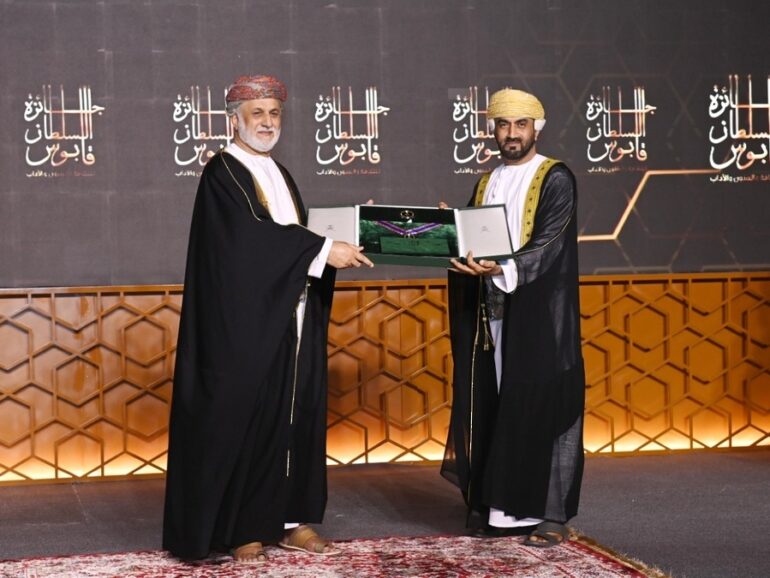
Delegated by His Majesty Sultan Haitham bin Tarik, Shaikh Abdulmalik bin Abdullah al Khalili, Chairman of the State Council handed over the 9th version of Sultan Qaboos Awards for Culture, Arts and Literature to the winners at Al Wahat Club.
This edition is allocated for Omanis in areas of Omani heritage (culture category), theatre teams (arts category), and article (literature category).
The Award’s handing over ceremony included a speech for the Sultan Qaboos Higher Centre for Culture and Science delivered by Habib bin Mohammed al Riyami, chairman of the centre during which he reviewed the march of the awards since its inception. He also congratulated the winners.
Harith bin Mohammed al Batashi won the first place in the culture category for his investigation conducted on the book of Sheikh Said bin Khalfan Al Khalili. Al Dann Theatre Team won the first place in the theatre teams category whereas the writer Dr Muna Hibras al Sulaimi won the the first place in the literature category.
During the event, fields of the 10th edition of the awards which will be dedicated for Omanis, as well as Arabs were unveiled. They include media and communication (culture category), cinema production (arts category), and novel (literature category).
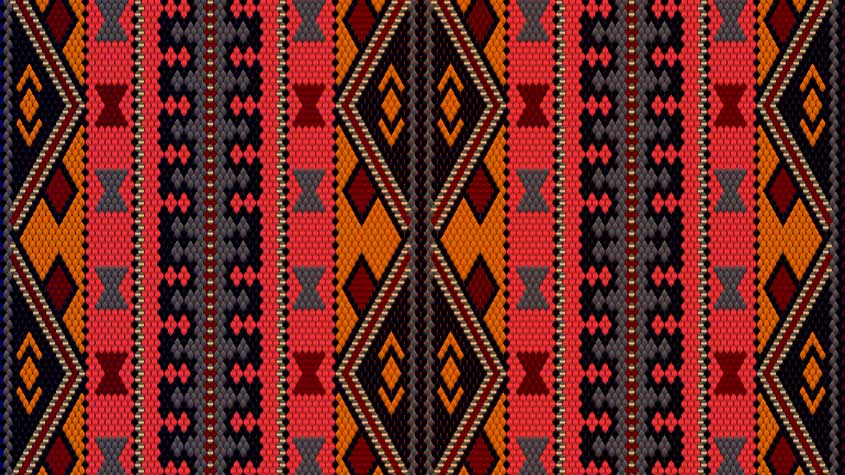
Far from being a forgotten tradition, Al Sadu is a centuries-old practice that is perpetuated and reinvented in Arabia.
Historically, Al Sadu met the needs of nomadic life. Women used available resources – sheep’s wool, goat’s and camel’s hair – to create robust textiles, essential for survival in arid environments. Their method, based on rudimentary floor looms, produced tight, durable fabrics characterized by geometric patterns that reflected the environment and culture of their creators.
Al Sadu production begins with shearing the wool and collecting the hair, followed by thorough cleaning to remove impurities. The yarns are then dyed with bright colors derived from local plants and spices, such as henna, turmeric, saffron, aloe and indigo. Weaving is done on traditional looms made from palm or jujube wood.
It also has significant cultural importance, recognised by UNESCO. Kuwaiti Sadu was inscribed on the Representative List of the Intangible Cultural Heritage of Humanity in 2020, in collaboration with Saudi Arabia.
Keeping the art alive
Once the preserve of nomadic tribes, this time-honored art is now being revitalized by young designers. In Kuwait , for example, with the aim of perpetuating this heritage, designers are collaborating with Bayt Al-Sadu and specialist researchers. The aim of this collaboration is to develop unique art exhibitions that showcase this nationally recognised culture.
Bayt Al Sadu, or the House of Sadu, is a museum dedicated to the traditional textiles of Kuwait. It is dedicated to the preservation, documentation and promotion of Bedouin textile heritage, ranging from nomadic weaving to urban weaving styles.
A study conducted by Manal Alkhazi at the University of Southampton among 120 young Kuwaiti women aged between 15 and 21 from the six districts of Kuwait revealed that 48.3% of young Kuwaitis interviewed in an electronic survey had Sadu garments at home. In addition, 69.2% of those questioned said they knew the basic Sadu colors.
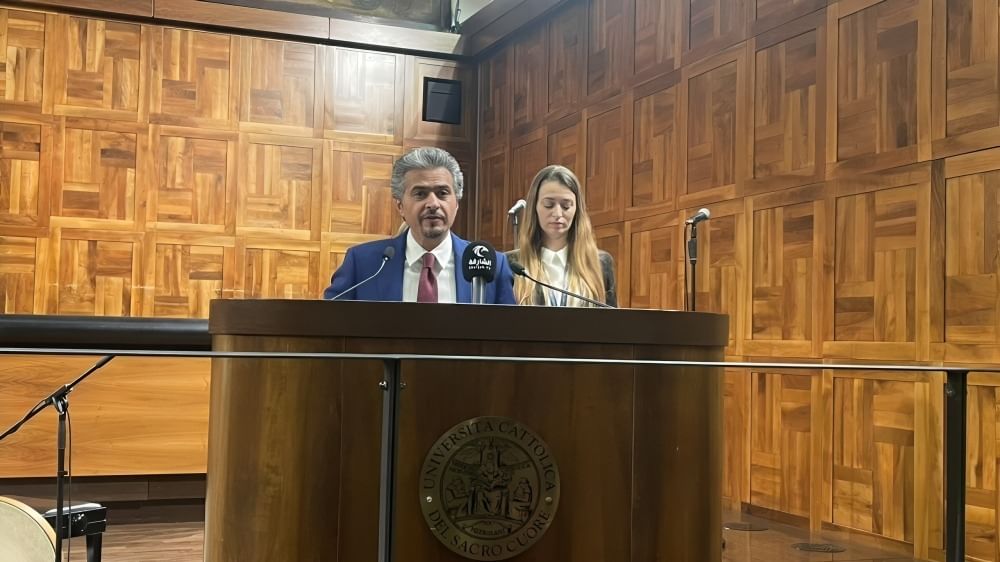
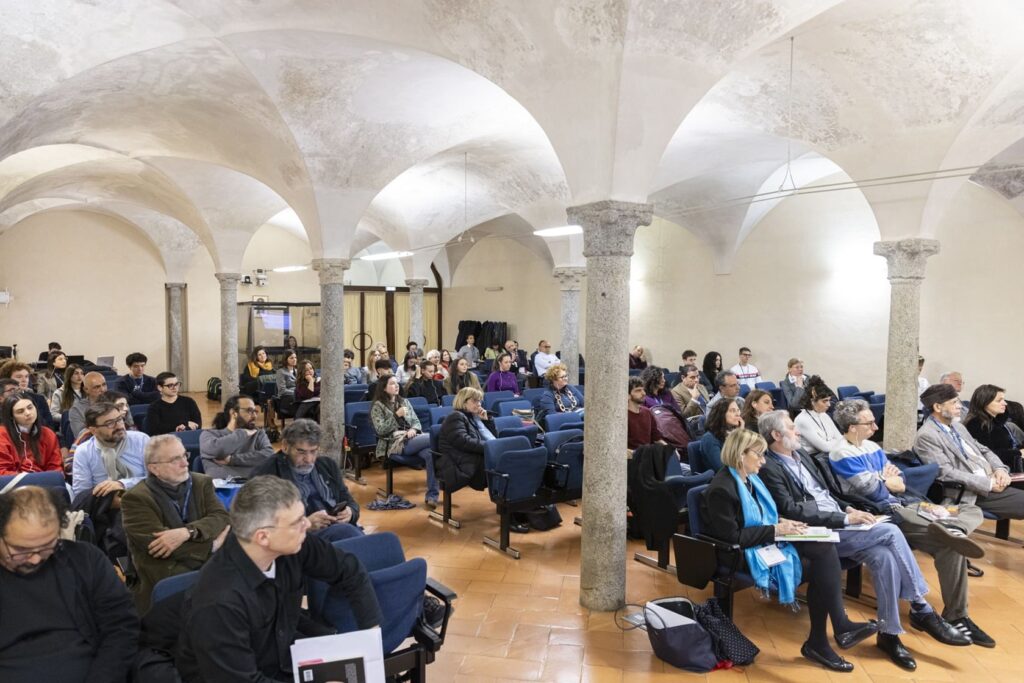
The activities of the seventh session of the International Festival of Arabic Language and Culture were concluded in the Italian city of Milan, which was held under the auspices of the Sharjah Book Authority and organized by the College of Linguistic Sciences and Foreign Literatures and the Arabic Language Research Center at the Catholic University, under the title “Language and Artificial Intelligence: A Limit to the Past or a Horizon for the Future.”
“In a step that reflects the spirit of the global cultural mission of the Emirate of Sharjah and confirms the vision of His Highness Sheikh Dr. Sultan bin Muhammad Al Qasimi, Member of the Supreme Council and Ruler of Sharjah, in highlighting the role of the Arabic language as a bridge for civilizational and cultural communication between peoples.
The events were attended by His Excellency Ahmed bin Rakad Al Ameri, CEO of the Sharjah Book Authority, Mario Cristina Gatti, Director of the Arabic Language Research Center at the University, His Excellency Muhammad Hassan Khalaf, Director General of the Sharjah Radio and Television Authority, and Dr. Amhamed Safi Al Mosteghanemi, Secretary General of the Arabic Language Academy in Sharjah, while participating in The festival sessions included 35 researchers from 18 countries, including 9 Arab countries: the United Arab Emirates, Egypt, Iraq, Morocco, Lebanon, Syria, Algeria, Yemen and Palestine, in addition to Turkey’s presence for the first time. The festival also hosted 12 academics and university professors from the Catholic University in Italy.
The seventh session of the festival sought to explore the intersections of artificial intelligence with Arabic language and culture, highlighting key topics that include “ethics and legislation of artificial intelligence” and its role as a translator who crosses linguistic borders, as a poet who organizes poems, and as a novelist who weaves stories.
The festival also focused on the impact of artificial intelligence on language teaching and its applications in the language of social communication. It discussed “the role of artificial intelligence in the scientific research and philosophy sector” and its potential in “restructuring the Arab heritage” with a focus on “its impact on language and the arts” in a way that enhances the status of Arabic as a living language. Interact with modern technologies.
His Excellency Ahmed bin Rakkad Al Ameri had stressed in a keynote speech at the opening ceremony of the festival that pride in one’s own language is pride in all languages, as the diversity of languages is a necessity for the diversity of cultures, and it is not possible to imagine the world in one language because this means that cultures lose much of the beauty and incentives for learning and discovery, highlighting Shedding light on the major project led by His Highness Sheikh Dr. Sultan bin Muhammad Al Qasimi, Member of the Supreme Council and Ruler of Sharjah, which is the historical dictionary of the Arabic language, of which 67 volumes have been published to date covering 15 of the 28 letters of the Arabic language.
For his part, Dr. Wael Farouk, director of the festival, said: “The participants in this year’s session presented ideas on the topic of ‘Language and artificial intelligence: a limitation of the past or a horizon for the future.’
The opening session presented by Mario Cristina Gatti, director of the Arabic Language Research Center at the university, also witnessed the launch of The first Italian translation of the poetry of Al-Mu’allaqat, which is considered one of the most famous classical texts in the history of Arabic poetry. It is a translation presented by Jolanda Guardi, and it presents a poetic reading by the Iraqi poet and translator Kazem Jihad on the occasion of the publication of his collection of poems in the Italian language.
The festival devoted sessions on the digitization of the Arabic language, artificial intelligence, imagination, artificial intelligence, and translation, with the participation of Dr. Emhamed Safi Mosteghanemi, Secretary General of the Arabic Language Academy in Sharjah, who reviewed the emirate’s experience in collecting and publishing the largest historical dictionary of the Arabic language as a successful example of digitization.
The translators, Muhammad Haqqi Sushin, Samir Greiss, and Naglaa Wali, raised questions about the capabilities of artificial intelligence as a translator of literary texts, the role of literary translators in the era of artificial intelligence, and the ways in which literary translation can benefit from artificial intelligence.
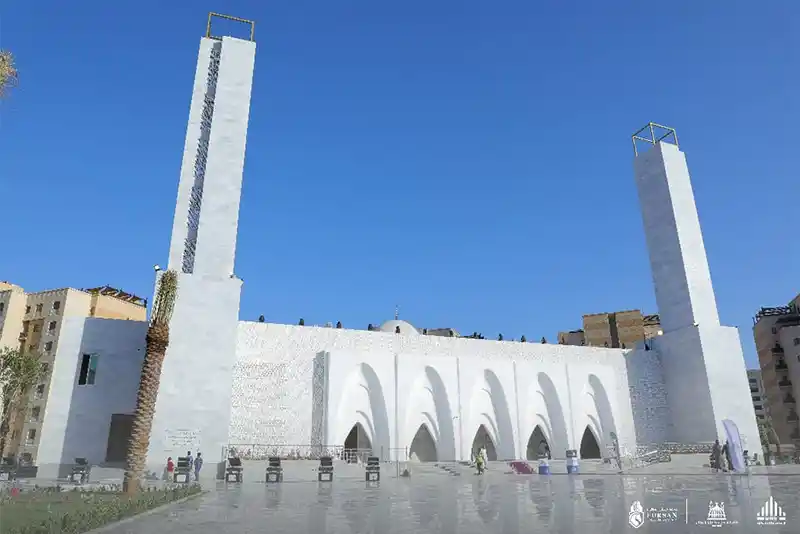
In a touching tribute to her late husband, Saudi businesswoman Wajanat Muhammad Abdel Wahed has built the world’s first 3D Printed Mosque that was thrown open to worshippers ahead of the Holy Month of Ramadan likely to begin Monday March 11, 2024.
In a touching tribute to her late husband, Saudi businesswoman Wajanat Muhammad Abdel Wahed has built the world’s first 3D Printed Mosque that was thrown open to worshippers ahead of the Holy Month of Ramadan likely to begin Monday March 11, 2024.
The mosque is named after the late Saudi businessman Abdulaziz Abdullah Sharbatly.
“I dedicate the reward of building the first mosque in the world using 3D printing technology to my husband, Abdulaziz Abdullah Sharbatly. I ask God to grant him benefit to the Kingdom and enable him to become a leader in line with #Saudi_Vision_2030 (sic)” Wajanat wrote on social media platform X Thursday, March 7, 2024.
“The idea materialized into constructing a mosque dedicated to the memory of my late husband, subsequently becoming the world’s first mosque built with 3D printing technology”, Wajanat said.
3D Printing Technology
The 3D Printed Mosque, built at a cost of 20 million Saudi Riyals on an area of 5,600 square meters as part of the Jeddah Governorate’s Al-Jawhara Suburb Project, is located in Saudi port city.
The 3D Printing Technology creates tangible objects from 3D Digital Models obtained through scanners and computer programs, using successive layers to form the final shape.
The construction of the mosque was completed in just six months. As many as four giant printers manufacture by the Chinese company Guanli 3D printers, the world’s leading manufacturer of 3D printers, were deployed for the purpose.
The construction of the world’s first 3D Printed Mosque in the Kingdom demonstrates future construction and architectural innovation, promoting local content and diversification, aligning with Vision 2030’s ambitious goals of non-oil production.
Wajanat pointed out that the mosque’s construction received private sector stimulus support, promoting modern construction through advanced technologies and industrial development.
“As a Saudi businesswoman, I wanted to contribute to introducing this modern technology to the Kingdom, positioning it among the first countries to utilize it”, she said in a statement.
“The construction of the mosque using 3D printing technology marks a significant milestone in technology and contemporary construction, signalling a move towards architectural innovation and global sustainable building practices”, she added.
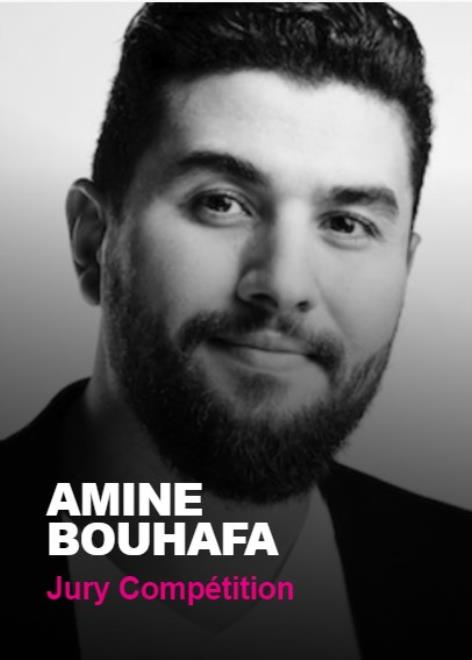
Winner of the Best Music Award (for the Under the Figs film) in the 2023 “Critic Awards” section (on the fringes of the 76th Cannes Film Feestival) , French-Tunisian film music composer Amine Bouhafa was chosen as a member of the “Competition Jury” for season 7 of the Cannes International Festival of Series (CANNESERIES), held on April 5-10.
The Competition Jury is also made up of Sophie Grabol, Olivier Abbou, Alice Braga, Macarena Gracia and Alix Poisson.
CANNESERIES has been celebrating series from all over the world for 7 years and brings together those who make and love them in the mythical setting of the city of Cannes and its magical Palais des Festivals. Carried by a team of enthusiasts, the festival acts as a platform, and is completely free and open to all.
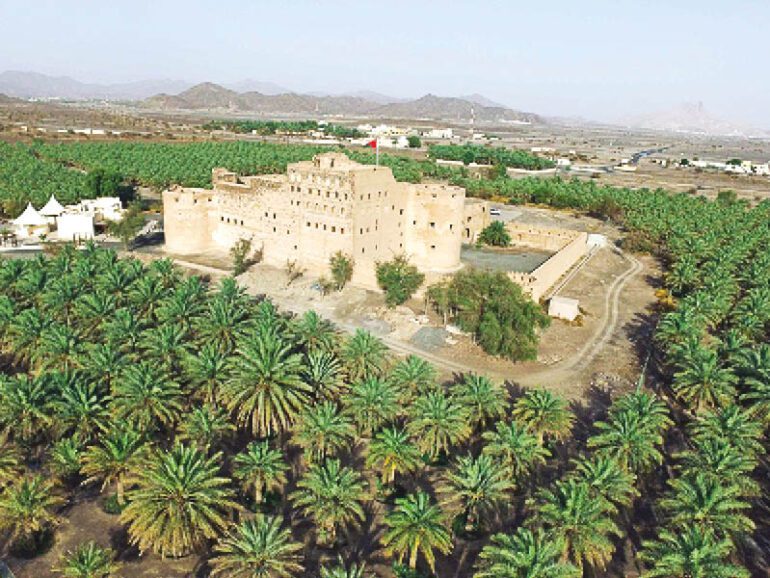
The United Nations Educational, Scientific and Cultural Organization (Unesco) has recognised Oman’s rich cultural history by including two significant Omani cultural milestones in its list of anniversaries for 2024-2025. This recognition includes the 350th anniversary of the Jibreen Castle and the 150th death anniversary of renowned Omani historian and poet Humaid bin Mohammed bin Ruzaiq.
Since 1956, Unesco has been instrumental in commemorating historical events and eminent personalities of its member states, elevating their significance on a global platform. Such celebrations are pivotal in fostering international understanding, enhancing cultural exchanges and promoting peace.
An architectural gem of the 17th century, Jibreen Castle marks its 350th anniversary of construction under the reign of Imam Belarab bin Sultan al Yarubi. Completed in 1675, the castle is a testament to Oman’s architectural prowess, built by the era’s finest craftsmen and architects. Beyond its architectural magnificence, Jibreen Castle was a centre of knowledge and learning, and served as a residence for the imam and the seat of his governance.
It flourished as an educational hub, attracting scholars and educators in various fields such as jurisprudence, literature, history, astronomy, mathematics, medicine and chemistry. It produced over 40 distinguished scholars and writers under Imam Belarab bin Sultan’s patronage.
In addition to Jibreen Castle, Unesco commemorates the 150th anniversary of the passing of the 19th century Omani historian Ruzaiq. His contributions were monumental in documenting the historical phase from the rise of the Al Busaid dynasty to the end of Sayyid Said bin Sultan’s reign in 1856. His works, characterised by neutrality and meticulous research, provide invaluable insights into the European presence in the Indian Ocean and the Arab region. Ruzaiq’s writings are not only historical records but also serve as critical references for contemporary researchers in Omani history.
The inclusion of these two elements takes the total number of Omani contributions to Unesco’s celebration programme to eight. The sultanate has successfully highlighted six other Omani figures in the past, including linguist Al Khalil bin Ahmed al Farahidi in 2005, pharmacist Rashid bin Omairah al Hashimi al Rustaqi in 2013, polymath Sheikh Nour al Din Abdullah bin Humaid al Salmi and physicist Abu Muhammad Abdullah bin Muhammad al Azdi, known as Ibn al Dhahabi, in 2015, poet Nasser bin Salem al Rawahi, also known as Abu Muslim al Bahlani, in 2019, and the famed navigator Ahmed bin Majid al Saadi in 2021.
Unesco’s recognition of Omani cultural heritage underscores the sultanate’s significant contributions to the global cultural landscape, celebrating the rich tapestry of its history and the enduring legacies of its eminent personalities.
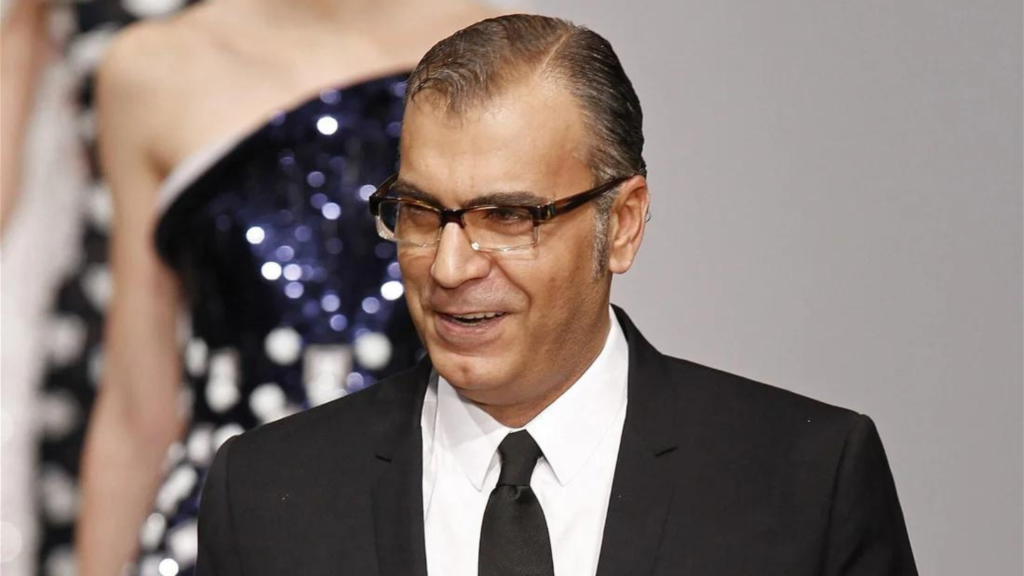
Arab fashion was not absent from the recent Golden Globe Awards, held in Los Angeles, thanks to Lebanese designer Georges Chakra’s creations.
The creations of the Lebanese designer were showcased by US singer-songwriter Andra Day and model Molly Sims on the red carpet, each selecting distinct styles from Chakra’s collection. Andra Day chose a black semi-sheer gown adorned with floral ruffles, while Molly Sims opted for a gold, pleated dress with a floral epaulette on one shoulder.
A trademark of Lebanese design
Chakra’s journey into the fashion world began with an initial foray into interior design in Lebanon. However, seeking a different path, he moved to Canada to study fashion design at the Canadian Fashion Academy. In 1985, at the age of 22, Chakra returned to Lebanon and opened his first couture house. His designs quickly gained popularity in Lebanon owing to his European-influenced style that resonated well with the local taste. Chakra’s brand, ONNA Group, was launched in 1994 and has been expanding ever since.
Chakra made his international debut at Paris’s Haute Couture Fashion Week in 2001 with his collection, marking the beginning of his regular appearances at this prestigious event. He has also presented his collections at Mercedes Benz Prêt a Porter Week in New York. His work has featured in notable films such as “The Devil Wears Prada” and television series like “Gossip Girl.” Chakra’s designs have been chosen by numerous celebrities and have featured in major fashion magazines like InStyle, Harper’s Bazaar, Vanity Fair, Elle, and others. His clientele includes celebrities such as Gwen Stefani, Hiba Tawaji, Goldie Hawn, Catherine-Zeta Jones, and many more.
The Sharjah Award for Gulf Women’s Creativity in Literature and Arts announced the selection of the Bahraini innovator and poet, Fawzia Al-Sindi, as the cultural personality for its sixth session for the year 2024.
Al Sindi will be honored on April 23 at Al Jawaher Center for Events and Conferences in the presence of Her Highness Sheikha Jawaher bint Mohammed Al Qasimi, Chairwoman of the Supreme Council for Family Affairs in Sharjah, as part of a ceremony honoring the award winners.
The award, which is organized by the Cultural Office of the Supreme Council for Family Affairs in Sharjah, was created in special honor for the cultural figure among the creative Gulf women pioneering in cultural work.
Salha Ghabish, head of the Council’s Cultural Office, said: “This addition required many discussions with the award’s work team, including members of the jury, as we saw the importance of honoring female figures with distinguished creative, intellectual and professional contributions who are well-known in the Gulf and Arab cultural arena, and whose works have reached the international level through translation.” And communicating with cultural bodies in the world and participating in introducing Arab and Gulf culture through their productions.”
The Bahraini Fawzia Al-Sindi was chosen as one of the influential figures in Bahraini and Gulf society. She has literary and poetic works, and her works have been translated into English, French, Italian, Spanish and German. She has written many articles in Arab newspapers, including the Emirati Gulf, and has participated in many conferences, literary festivals and intellectual forums in the Arab world. And the world.
Regarding her winning the award, Fawzia Al-Sindi said: “I am pleased and honored to have been chosen as a ‘cultural personality’, which in its cultural and human depth represents a tribute and honor to my poetic and literary experience and to all Arab poetic experiences, with my gratitude to those in charge of the Cultural Office of the Supreme Council for Family Affairs in Sharjah for honoring poetic and literary experiences.
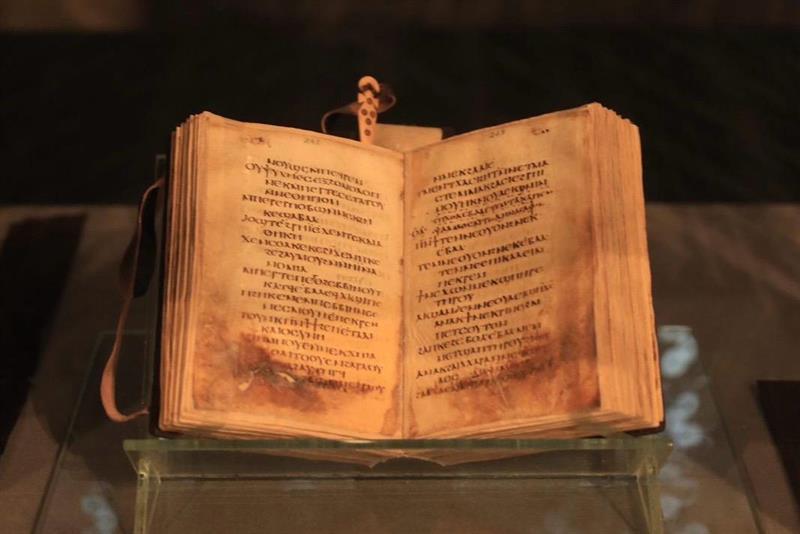
After undergoing a meticulous five-year restoration, the Coptic Museum in Old Cairo has re-exhibited its most treasured artefact – the oldest complete Coptic Psalter ever discovered.
“This is the first time we possess a complete book of Psalms dating to late fourth century AD, making it the oldest complete Psalms book unearthed to date. We’ve never encountered such an early book in Egypt, and I’ve found no evidence of an earlier genuine book anywhere else,” said the late director of the Coptic Museum and Coptic studies expert Gawdat Gabra when he first saw the book days after its discovery in 1984.
The Book of Psalms (Psalter) by David is one of the most valuable artefacts in the Coptic Museum in Old Cairo, having been discovered in a tomb going back to the early Christian period.
It is the oldest Coptic Psalter ever translated from the Septuagint text. After almost four years of restoration, the museum has re-exhibited the Psalter in a special hall in the museum.
The book comprises 498 parchment sheets, encased within wooden bindings laced with leather. Rendered in a dialect of Coptic — a defunct language utilizing Old Greek characters augmented by seven hieroglyphs from ancient Egypt’s twilight era — the Psalms are meticulously inscribed by hand.
According to Gihan Atef, director of the museum, the manuscript harbours numerous Greek terms alongside some Coptic lexemes hitherto unrecorded. It is penned predominantly in brown ink derived from iron, though sporadic patches exhibit black carbon ink, ostensibly applied in efforts to rectify damage. Evident signs of wear manifest where fingers once turned the delicate parchment leaves.
Upon its discovery, the book’s pages were fused together, save for the final quintet, two of which remain blank. Affixed to the book via leather cords dangles a diminutive ankh — a symbol from ancient Egypt, seamlessly integrated into Christian iconography — crafted from bone. Hamdi Abdel-Moneim, head of the restoration section at the Museum of Islamic Art (MIA) said that a team of restorers from both the MIA and the Coptic Museum embarked on a long journey to restore the Psalter.
He pointed out that the manuscript suffered from various forms of damage, including the detachment of its pages due to sewing deterioration. Most of its pages were plead and dried, chemical decomposition was found, along with the loss of parts from the edges and traces of liquids. There was also degradation, deterioration, and erosion of the inks, as well as dryness of the leather cover and cords.
The restoration works included the complete dismantling of the manuscript and addressing all aspects of damage. UV and infrared digital imaging were conducted, along with photographic documentation. Throughout the restoration process, Abdel-Moneim continued, all pages were numbered before disassembly, and specialists in codicology and Coptic texts were consulted.
The Coptic Museum is comprised of two wings joined by a narrow hallway. Inside, approximately 16,000 collectibles are showcased, arranged by type across 12 distinct departments.
The departments encompass a wide range of subjects such as Stones and Plasterboard, Development of Coptic Writing and Manuscripts, Textiles, Ivory and Iconography, Wood, Metals, Pottery, and Glass. Visitors can also marvel at mesmerizing Coptic art and manuscripts of the Holy Bible, some dating back thousands of years.
Jordanian Fashion Designer Kish Jeane, breaks Guinness World Records by making the longest cape in the world for Lebanese superstar, Najwa Karam.
The cape is 55.7m long, with 118m of fabric and 3m of gold reflective leather used to craft it.
Jeane, who is known for his use of reflective leather in his designs, designed the cape drawing from Greek mythology for inspiration . He also added the name of Najwa’s most recent album “Charisma” in Arabic calligraphy on the back of the cape.
Najwa Karam also wore a gold cage shoulder piece with a white jumpsuit, also designed by Jeane. She wore both outfits to her welcoming event in Jordan, celebrating her participation in the Jerash Festival .
Kish Jeane will also be the first Jordanian designer to participate in New York Fashion Week, as he will be presenting his Spring Summer 2024 Collection there.