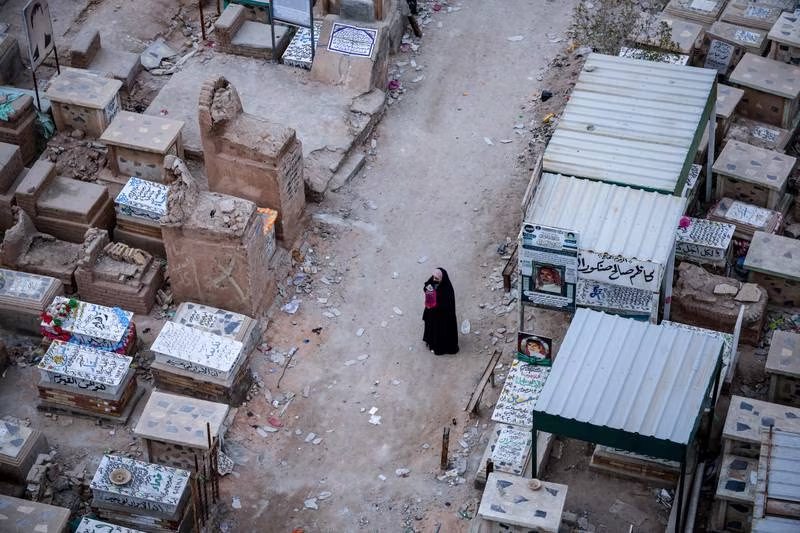
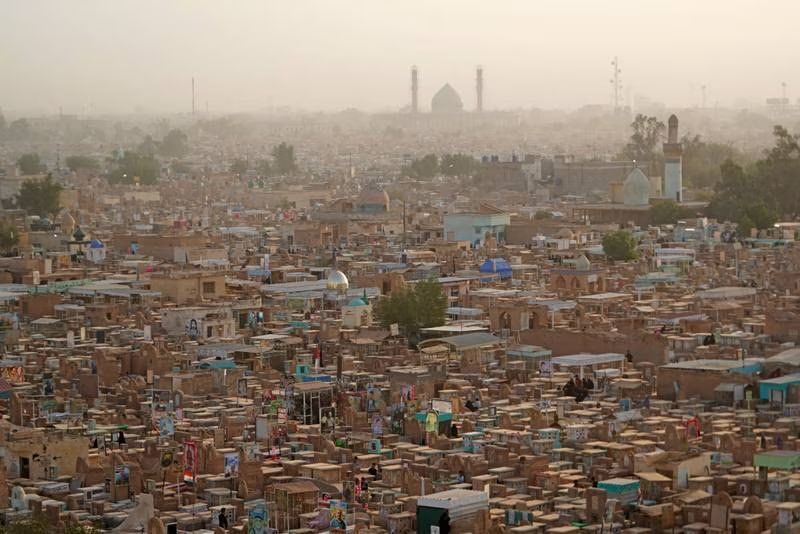
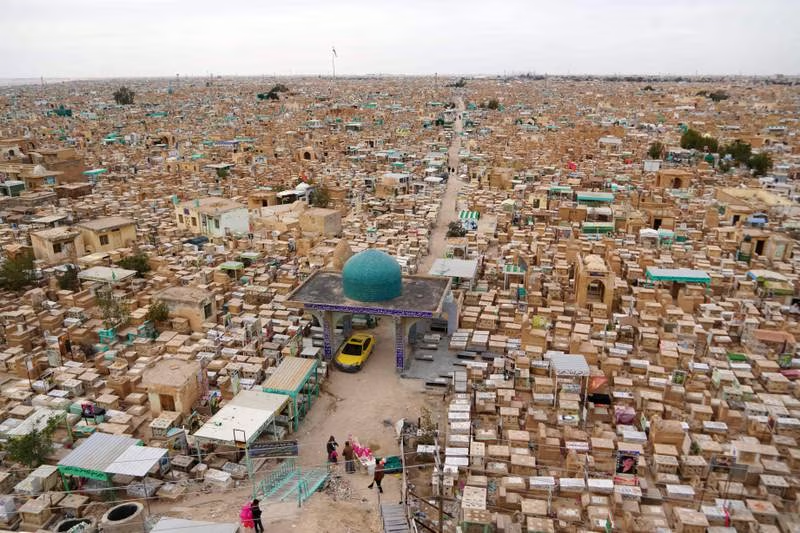
Islamic cemetery in Najaf is often described as the world’s biggest.
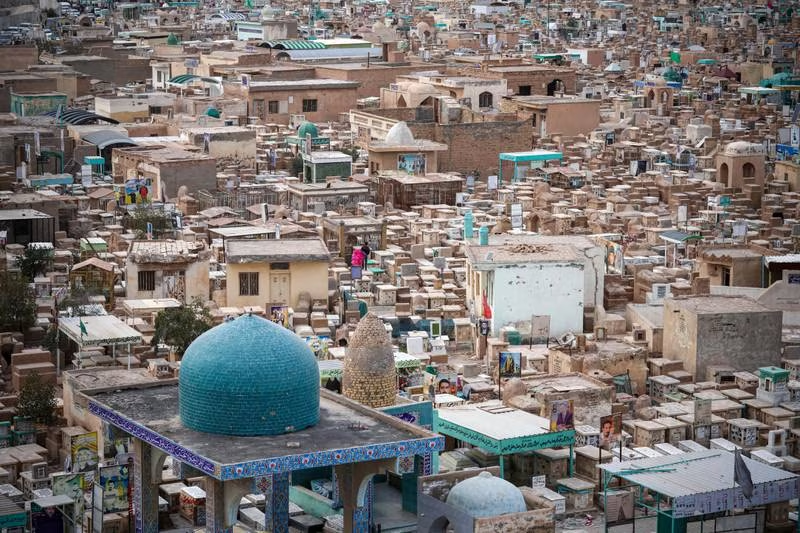
The graveyard covers an area of 917 hectares, the equivalent of more than 1,700 football fields
source/content: thenationalnews.com (headline edited)
___________
________
IRAQ
Islamic cemetery in Najaf is often described as the world’s biggest.
source/content: thenationalnews.com (headline edited)
___________
________
IRAQ
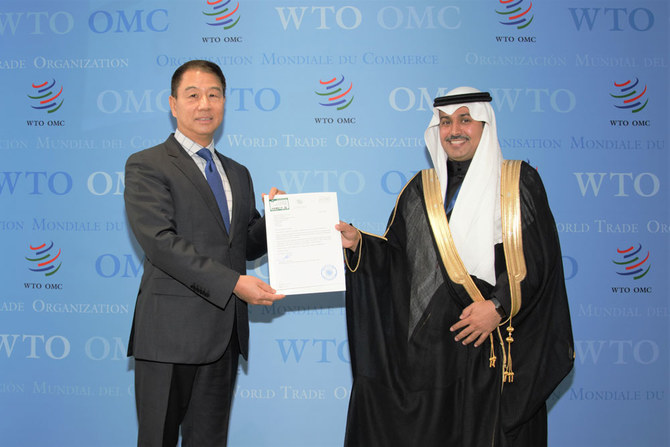
Almoqbel is the first Arab ambassador to the WTO to preside over the TPRB.
The World Trade Organization General Council has selected Saudi Arabia’s Ambassador to WTO Saqer Abdullah Almoqbel to chair its Trade Policy Review Body for 2023-2024.
Almoqbel is the first Arab ambassador to the WTO to preside over the TPRB.
The TPRB aims to facilitate the efficient operation of the multilateral trading system by increasing the transparency of WTO members’ trade policies. All members are subject to review every two to six years under the mechanism.
Periodically, the agency releases reports on the global economy, including detailed chapters examining the trade policies and practices of each member, as well as descriptions of the trade policymaking institutions and the macroeconomic environment.
Saudi Arabia’s new position at TPRB reinforces its leadership position within the WTO. In addition to being the organization coordinator for the Arab group, the Kingdom has chaired the Council for Trade in Services, the Council for Trade-Related Aspects of Intellectual Property Rights, the Working Group on Transfer of Technology, and the Committee for Balance of Payments Restrictions in previous years.
source/content: arabnews.com (headline edited)
____________
_________________
SAUDI ARABIA
Florida, March 02nd, 2023
The longest Arab space mission in history was launched today at 9:34 am (UAE time).
The 6-month mission is carried out by astronaut Sultan AlNeyadi aboard the International Space Station as part of Crew-6.
source/content: wam.ae (headline edited)
____________

___________________________________
UNITED ARAB EMIRATES (U.A.E)
The only billionaire Algeria has is Issad Rebrab, he is the owner of Algeria’s biggest company, Cevital, which is a sugar refinery company that produces about 2 million tons a year, Although, he is alone in his wealth, there are other 5 multibillionaires worthy of recognition.
Abdelmadjid Kerrar
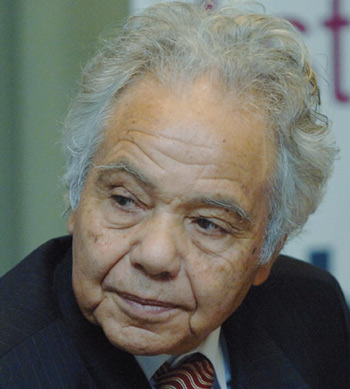
He is the founder of BioPharm which is a large pharmaceutical company that manufactures and distributes drugs, BioPharm employs more than 1,500 people and gets more than $500 million revenues last year.
Ali Haddad
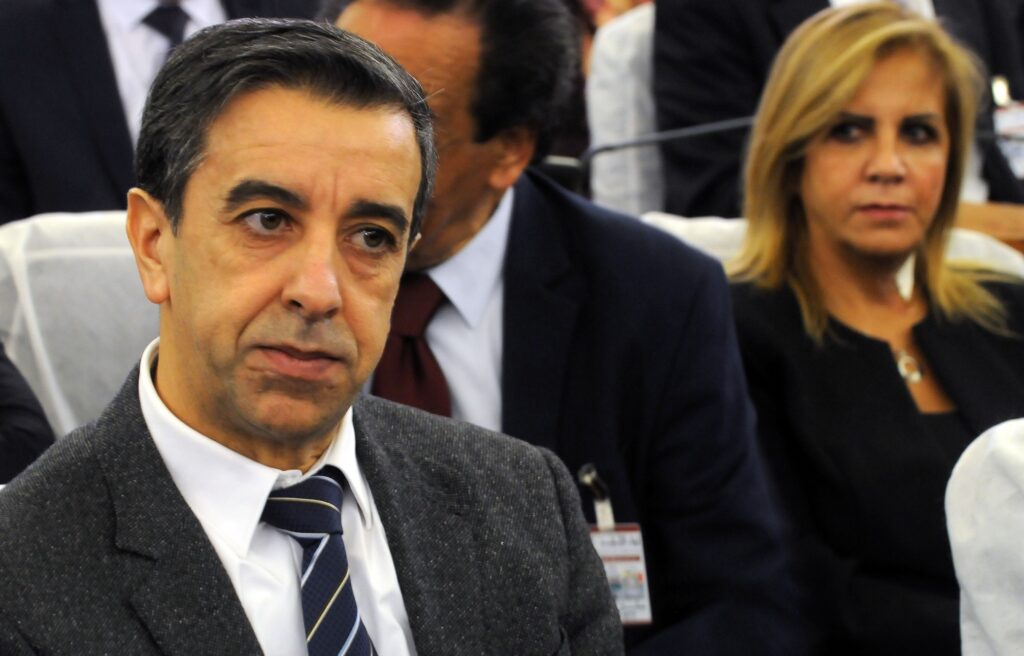
He is the 52-year-old founder of ETRHB Haddad Group with an annual revenue of $500 million, it’s very impressive that he’d founded this company at the age of 32, he is also the controlling shareholder of the Algerian club USM Alger that plays in the Algerian Premier League.
Mohamed Laid Benamor
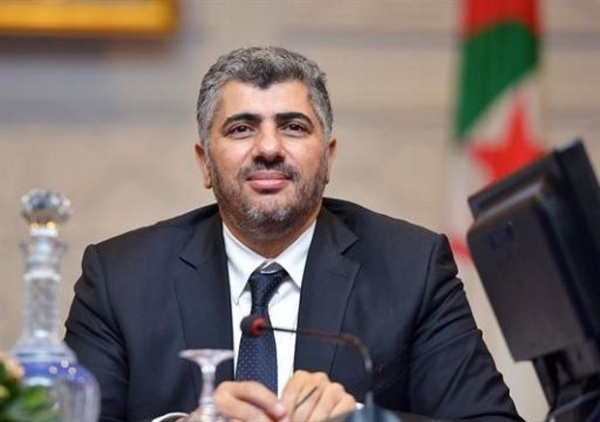
He is the head of the Benamor Group, which is one of the most successful food companies in Algeria. This company makes more than $80 million as an annual revenue.
Abderrahmane Benhamadi
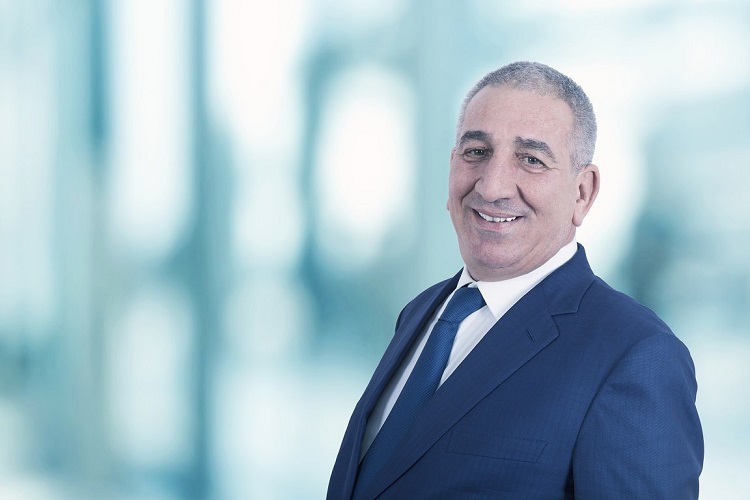
This big guy owns the Condor Group which manufactures and distributes air conditioners, televisions, satellite receivers, washing machines, refrigerators, smartphones, tablets, gas cookers, microwaves, desktops and laptops, with an annual revenue of $700 million.
Djilali Mehri
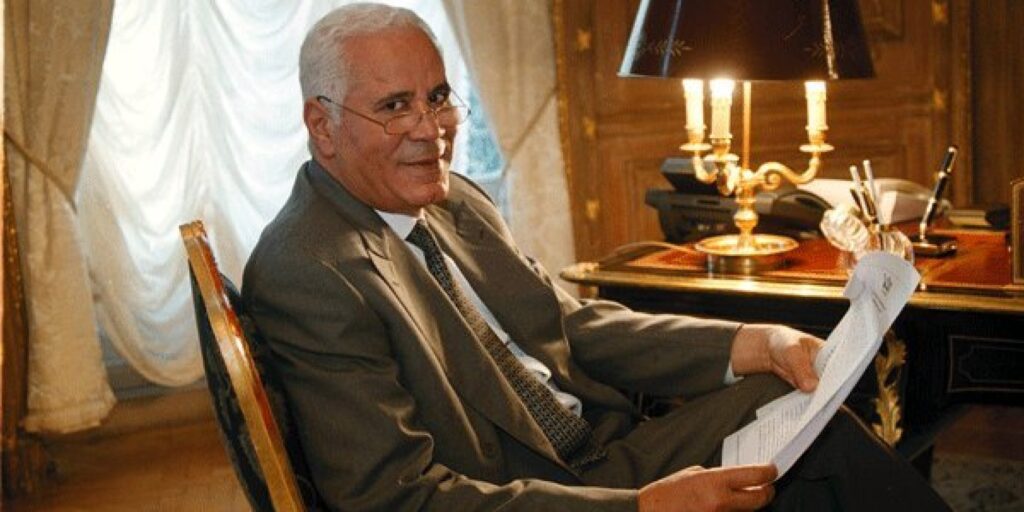
This 80-year-old guy owns the Mehri Group; the sole bottler of all Pepsi products, and the owner of many luxurious hotels.
source/content: scoopempire.com (headline edited) / Febronia Hanna
____________
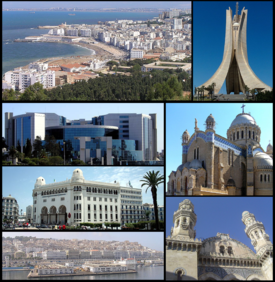
___________
ALGERIA
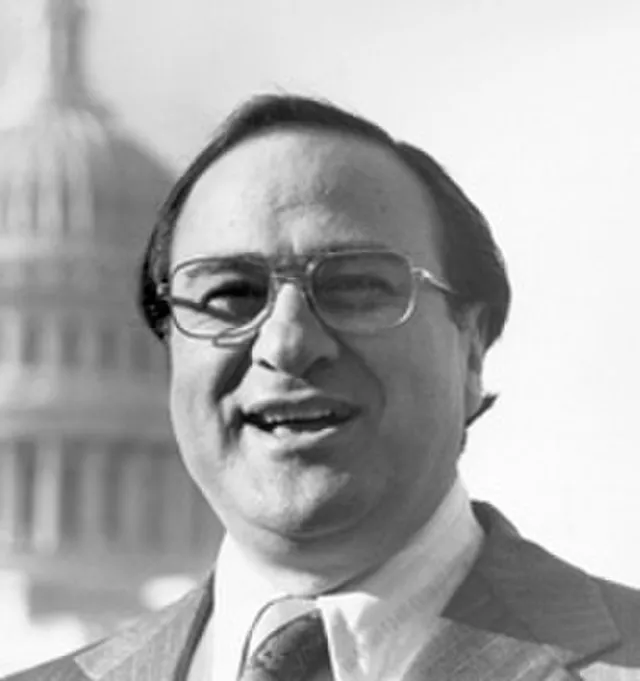
James Abourezk, 1st Arab American US senator, dies at 92.
James Abourezk, attorney and Democratic politician who served as a United States senator and United States representative from South Dakota and co-founder of the American-Arab Anti-Discrimination Committee(ADC), died today on his 92nd birthday.
He was born in Wood, South Dakota, the son of Lena (Mickel), a homemaker, and Charles Abourezk, an owner of two general stores. Both of his parents were Lebanese immigrants. He grew up near Wood on the Rosebud Reservation and has lived in South Dakota most of his life.
Abourezk represented South Dakota in the United States Senate from 1973 until 1979. He was the author of the Indian Child Welfare Act, passed by Congress in 1978 to try to preserve Indian families and tribal culture.
He was instrumental in the creation of both the American Indian Policy Review Commission and the Select Committee on Indian Affairs. He became chairman of the Indian Affairs Committee from its creation in 1977 to 1979.
Abourezk was elected in 1970 as a Democrat to the United States House of Representatives and served from 1971 to 1973. In 1972 he was elected to the U.S. Senate, where he served from 1973 to 1979.
Abourezk was an outspoken critic of Israel and U.S. foreign policy in the Middle East after touring the region and visiting his parents’ hometown in Lebanon as a senator. The position lost him many political allies, and he decided to retire from the Senate after a single term.
In 1980, Abourezk co-founded the American-Arab Anti-Discrimination Committee and traveled throughout the U.S. organizing Arab Americans in the wake of the “Abscam” debacle. Abscam was an FBI sting operation where agents dressed up as “oil-rich sheiks” in the late 1970s and early 1980s that led to the convictions of seven members of the United States Congress, among others, for bribery and corruption.
Abourezk’s marriages to Mary Ann Houlton and Margaret Bethea ended in divorce. In 1991, he married Sanaa Dieb, a restaurateur. They moved to Sioux Falls where she opened an award-winning Arab restaurant.
Survivors include his wife; children Charles Abourezk, Nikki Pipe On Head, and Paul Abourezk from his marriage to Houlton; daughter Alya Abourezk from his third marriage; a stepdaughter; and many grandchildren and great-grandchildren.
Warren David, president of Arab America and a former national president of the American-Arab Anti-Discrimination Committee said, “during a time when discourse regarding the negative portrayal of Arabs and the injustice faced by Palestinians were scarce, he (Abourezk) acted as a pioneer who instilled a sense of immediacy in the Arab American community–he was a trailblazer in that regard.”
Compiled by Arab America
source/contents: arabamerica.com (headline edited)
___________
____________________________
AMERICAN / LEBANESE
The airline promoted Maha Al Balushi who has been with the company since 2010.
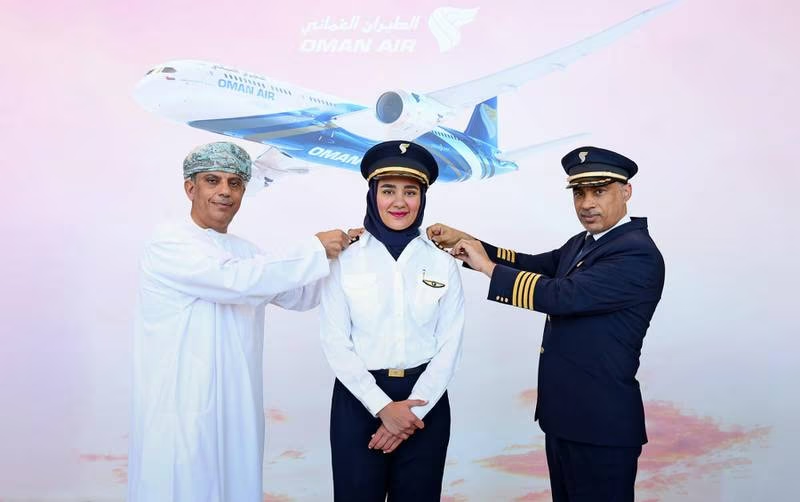
Oman Air, the national airline of the sultanate, has announced pilot Maha Al Balushi as the first female Omani captain.
Ms Al Balushi officially received her new rank during a ceremony held at Oman Air’s headquarters in Muscat.
She has been with the airline since 2010 after graduating from the cadet programme at the Royal Melbourne Institute of Technology, in Australia.
Ms Al Balushi was the only woman enrolled in the programme at the time.
She became the first female Omani to be awarded the rank of first officer in 2013.
“My dream has always been to become a captain. It hasn’t been easy but thanks to the support I have around me, from my family to my training team and the airline,” said Ms Al Balushi in a statement by Oman Air.
“I have accomplished what I set out to do. It is an honour to hold this role and I hope that I will inspire other Omani women to choose such a rewarding career in the skies.”
Oman Air said that 1,230 Omani female employees contribute to the airline’s strength, occupying a range of roles including cabin crew, flight operations, engineering, airport services, marketing, customer services, sales and communications.
The airline has so far achieved an Omanisation rate of 94 per cent — excluding female cabin crew.
source/content: thenationalnews.com (headline edited)
___________
_________
OMAN
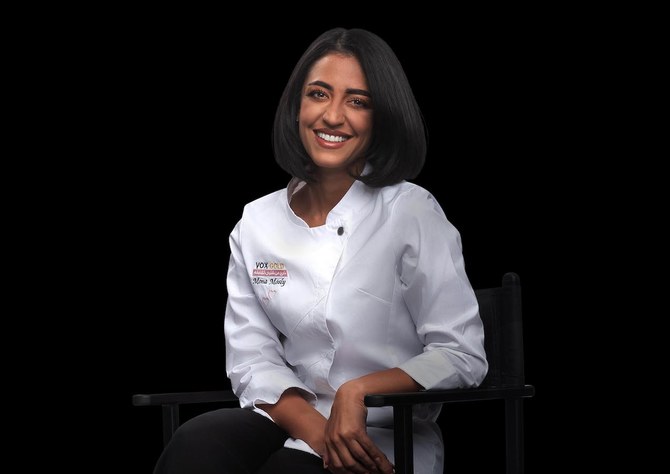
Known for her creative take on classic favorites, Saudi chef Mona Mosly is one of the region’s most recognizable celebrity chefs, renowned for her creative takes on classic favorites.
As well as being a judge on the Arabic-language version of talent show “Top Chef,” Mosly has extensive experience in culinary art, having trained professionally in Switzerland before attending the world-renowned Le Cordon Bleu in London and subsequently honing her craft at restaurants across the Middle East.
In January, Mosly joined forces with VOX Cinemas in Riyadh and Jeddah to curate an expanded menu that features more than 20 dishes, including kibbeh nachos and BBQ chicken bao, Armenian tabbouleh, dukka madani chicken burger, halva cookies with Syrian ice cream, Thai curry salmon and more.
“What I love about this is that (movies) bring people joy,” Mosly tells Arab News. “I believe that I can bring people joy with my food as well. And it’s all about happiness, right? So it’s a beautiful collaboration for me.”
When VOX first reached out, Mosly says, her first thought was to create a menu of cinema food, “with an Arabic or Saudi twist.”
She explains: “I believe that food has to be related to us. It could take us to a beautiful memory. It could remind us of flavors from our childhood and all that.”
One of her favorite dishes on the menu is the kibbeh nachos. “It’s basically kibbeh, but it looks like nachos. Instead of cheddar sauce, I used mohamara sauce, so it gives the same feeling,” she says. “I also love the fish and chips, because it has a very nice story behind it. I like food that can gather different cultures together.”
Here, Mosly takes a trip down memory lane to when she first started her career, and offers advice for amateur chefs.
Q: When you started out as a professional, what was the most-common mistake you made when preparing a dish?
A: When I was working for Leylaty ballroom in Jeddah, I once burned 80 kilos of morels — one of the most expensive mushrooms. But after that, morel became my favorite ingredient. In kitchens — or any job where you work with your hands — if you don’t make mistakes, you’ll never learn.
What’s your top tip for amateur chefs?
Be yourself. Food is all about who you are. You translate what you have within you to people.
What one ingredient can instantly improve any dish?
Garlic. Or onion. They are the essence of food.
When you go out to eat, do you find yourself critiquing the food?
After six years of ‘Top Chef,’ believe me, I don’t want to critique anything. I’m done critiquing. I go out to have fun. I’ve reached a place where I don’t want to critique, I just want to enjoy.
What’s the most-common mistake you find restaurants making?
What annoys me the most is when food doesn’t have a taste because the cook didn’t respect the ingredients. I don’t understand how you can end up cooking a dish that doesn’t taste of anything.
When you go out to eat, what’s your favorite cuisine?
It depends. My cheat meal will always be a burger. But if I want to give myself a treat, I’ll go for sushi — or Japanese cuisine anyway.
What customer behavior or request most annoys you?
When people like something, they don’t try other stuff. I find that sad, rather than annoying. Why did you like the first thing that you tried? Because you tried it. That’s why you have to try other things too.
What’s your favorite dish to cook and why?
I do enjoy things like rolling warak enab (stuffed vine leaves) or stuff that takes time, because I’m a very fast person. I do everything very quickly. So, I like things that calm me down like baking. I like having to wait.
As a head chef, what are you like in the kitchen? Are you laidback? Or a disciplinarian?
I believe that when you are loved, appreciated and respected, you can do wonders. So, that’s what I try to give to the people I work with. Really, I like to dance, I like to sing, I like to enjoy being with my team. But when something goes wrong, something goes wrong. So, sometimes, I do have to shout.
Chef Mona’s Calamari
Or
100g flour
100g semolina half soft half medium
MARINARA / “RED SAUCE”
CHIPOTLE RANCH SAUCE
TARTARE SAUCE
source/content: arabnews.com (headline edited)
_____________
_______________
SAUDI ARABIA
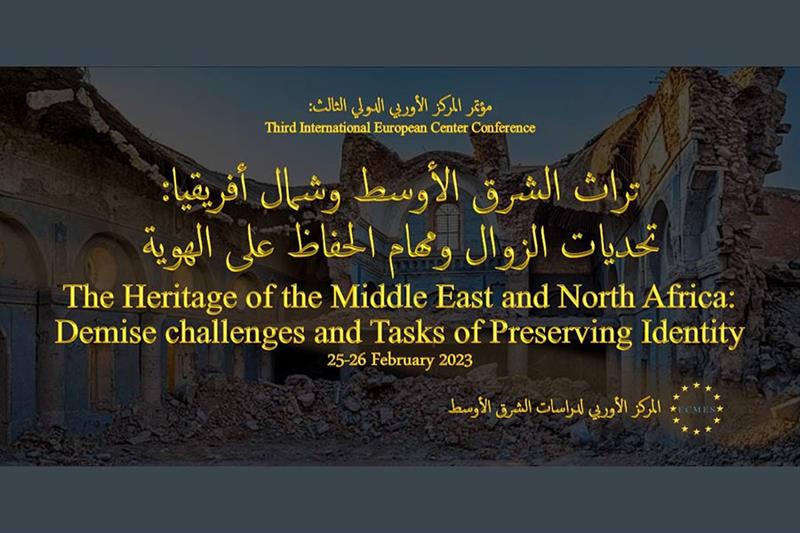
The European Centre for Middle East Studies, headquartered in Germany, is organising its third international scientific conference in Tunisia on 25-26 February.
The conference will be held under the title “The Heritage of the Middle East and North Africa: Demise Challenges and Tasks of Preserving Identity.”
Representatives of UNESCO, ICESCO and ALECSO organisations are set to attend the conference.
Sattar Jabbar Rahman, founder and CEO of the European Centre for Middle East Studies and head of the conference, told Ahram Online the conference is meant to not only shed light on heritage but also to find mechanisms to protect it.
He pointed out that heritage, in its tangible and intangible forms, is suffering from neglect. The responsibility of protecting heritage lies not only on the shoulders of official institutions concerned with culture and heritage, but also on organisations concerned with protecting heritage, activists, and research centres, including the European Centre for Middle East Studies, he added.
Rahman confirmed that the heritage of the Middle East and North Africa is under threat, which is why the conference devoted five axes to discuss ways to protect it. These axes are: the impact of struggles and armed conflicts on tangible heritage; the role of civil society and cultural institutions in protecting heritage; national and international legislation to protect heritage; digitisation in the service and preservation of cultural heritage; and the impact of urban expansion on heritage.
Armed conflicts have caused some of the worst disasters on the cultural, urban and architectural fronts, said Hala Asslan, an expert with the International Council on Monuments and Sites and UNESCO and vice chairman of the Scientific Committee at the conference.
Asslan told Ahram Online that several conflicts erupted during the first two decades of the third millennium, causing unprecedented destruction in the region and harming the cultural, architectural, and environmental heritage of several Arab countries, especially those located in the Middle East and North Africa (MENA) region, most notably in Iraq, Syria, Yemen, Lebanon, and Libya. Several sites registered on the World Heritage List were damaged, such as the ancient city of Aleppo, the archaeological site of Palmyra, and the villages of Forgotten Cities in northern Syria, she added.
Chokri Essifi, a researcher in historical and civilisational studies and coordinator of the Office of Academic Relations at the European Centre for Middle East Studies in Germany, told Ahram Online that the local heritage in the Middle East is exposed to several internal and external threats. The most prominent of these is the lack of maintenance, attention, and follow up, their inappropriate use in cultural and tourism development, and the lack of awareness of the importance of this heritage in building national cultural identity.
With regard to external influences on heritage, Essifi revealed that the rapid transformations that the world has been witnessing since the 1990s included a number of influences in the heritage of the Middle East.
The first of these is the continuous attempts to own this heritage. This is in addition to the increase in theft, especially during periods of wars and conflicts that weakened protection measures on heritage and cultural sites.
He stressed that despite the positive aspects of globalisation, the unilateral view in the field of culture and the growing imperialism and one-centric tendency have hindered the trend towards promoting constructive cultural pluralism that does not differentiate between cultures and identities.
source/content: english.ahram.org.eg (headline edited)
\____________
___________________________________________
MIDDLE EAST & NORTH AFRICA (MENA)
Three carbon storage facilities in Saudi Arabia, the UAE and Qatar capture 10 percent of the world’s carbon dioxide annually, according to an Arab Monetary Fund official.
Abdul Rahman Al-Hamidi, director general and chairman of the organization, revealed that the facilities captured around 40 million tons in 2020.
The announcement was made during the conference on enhancing the transition to a circular carbon economy to support sustainable development currently taking place in Abu Dhabi.
Al-Hamidi noted that the circular carbon economy approach can enable the reduction of greenhouse emissions, improve resource efficiency, and promote sustainable economic development in Arab countries.
The circular carbon economy is a framework for managing and reducing carbon emissions through 4Rs — reduce, reuse, recycle, and remove.
With numerous challenges of energy security, the circular carbon economy provides an opportunity not only to reduce carbon emissions, but also to drive economic growth and create new job opportunities, Al-Hamidi added.
Carbon dioxide emissions that come from coal consumption surged to reach 15.3 gigatons in 2021. Coal alone represents 40 percent of the total growth in emissions at the global level.
Al-Hamidi said: “With the expansion of the uses of energy sources and the fluctuation of their prices, attention is directed directly to fossil fuel sources, especially oil and gas, to classify them as primarily responsible for emissions of greenhouse gases harmful to the environment, especially carbon dioxide, in light of what the globe has been witnessing in recent years.”
The Arab region has performed well in terms of energy efficiency through the provision of affordable energy, according to data revealed by the World Energy Council.
As for energy security, it fell below expectations. The region contains nearly 50 percent of the world’s oil reserves, and around 40 percent of the world’s natural gas reserves.
Al-Hamidi further noted that the Arab world has the resources and experience to transition into a circular carbon economy.
“We have abundant natural resources, such as solar and wind energy, to create low-carbon energy systems, so we can develop innovative technologies and business models that support the transition to a circular economy and create new job opportunities in areas such as renewable energy, emissions management, and recycling,” added Al-Hamidi.
Numerous Arab countries have set ambitious goals for renewable energies in the medium and long term, to be achieved in the horizons of 2030 and 2050 while also committing to reducing fossil energy sector emissions.
source/content: arabnews.com (headline edited)
___________

________________________________
QATAR/ SAUDI ARABIA/ U.A.E.